

Charivari necklace - Traditional costume jewelry with meaning
|
Time to read 6 min

|
Time to read 6 min
A Charivari for the Wiesn season or as a finishing touch for your everyday Tracht look — it complements any traditional outfit and adorns it with heritage. This unique piece of jewellery stands apart from all other accessories and looks stunning on both Lederhosen and Dirndl. But what exactly is a Charivari? Find out everything you need to know right here.
Why you can trust us:
✓ We are Tracht fashion and Dirndl experts with over 5 years of experience
✓ We have already dressed over 10,000 Wiesn visitors
✓ We follow the latest Tracht trends and know the newest collections
Want to find out more? Visit our store
Whether worn as a Wiesn accessory or as the perfect finishing touch to an everyday Tracht look, the Charivari adorns men and women alike. This time-honoured accessory consists of a silver chain onto which small, meaningful charms are attached.
Key features:
These charms serve as lucky talismans, hunting trophies, or purely decorative jewellery. Thanks to the individual charms, the Charivari comes in countless variations, making it a favourite among Tracht enthusiasts.
The Charivari is one of the most important accessories in traditional fashion and should have a place in every well-stocked Tracht wardrobe.
This time-honoured piece of traditional jewellery has a rich history. The Charivari chain has existed since the 19th century, yet its traditional significance keeps it just as popular today.
The evolution of the Charivari:
The forerunner of the Charivari chain was the watch chain, which was fastened to the buttonhole of the Tracht waistcoat. These were also adorned with small trophies.
Later, men used the Charivari to elevate their Lederhosen look. It was regarded as a sign and talisman intended to bring hunters a successful hunt.
Who was allowed to wear a Charivari?
Not every man was permitted to wear one. Only wealthy farmers and landowners wore a Charivari as a status symbol. It could not simply be purchased either — it was traditionally passed down within families.
Traditional charms:
Hunters attached horns, claws, paws, coins and gemstones to the chain. The charms were meant to transfer the strength, speed and courage of the hunted animals to the hunter.
While initially only the nobility and landowners had the right to wear a Charivari as a trophy, over the years ordinary people were also permitted to hunt and, in turn, to wear the trophies.
Every charm on a Charivari carries a special meaning. The choice of charms is very personal and tells the story of the wearer.
Typical charms and their meanings:
The charms are arranged by meaning and added to over the years. In this way, every Charivari tells a unique story.
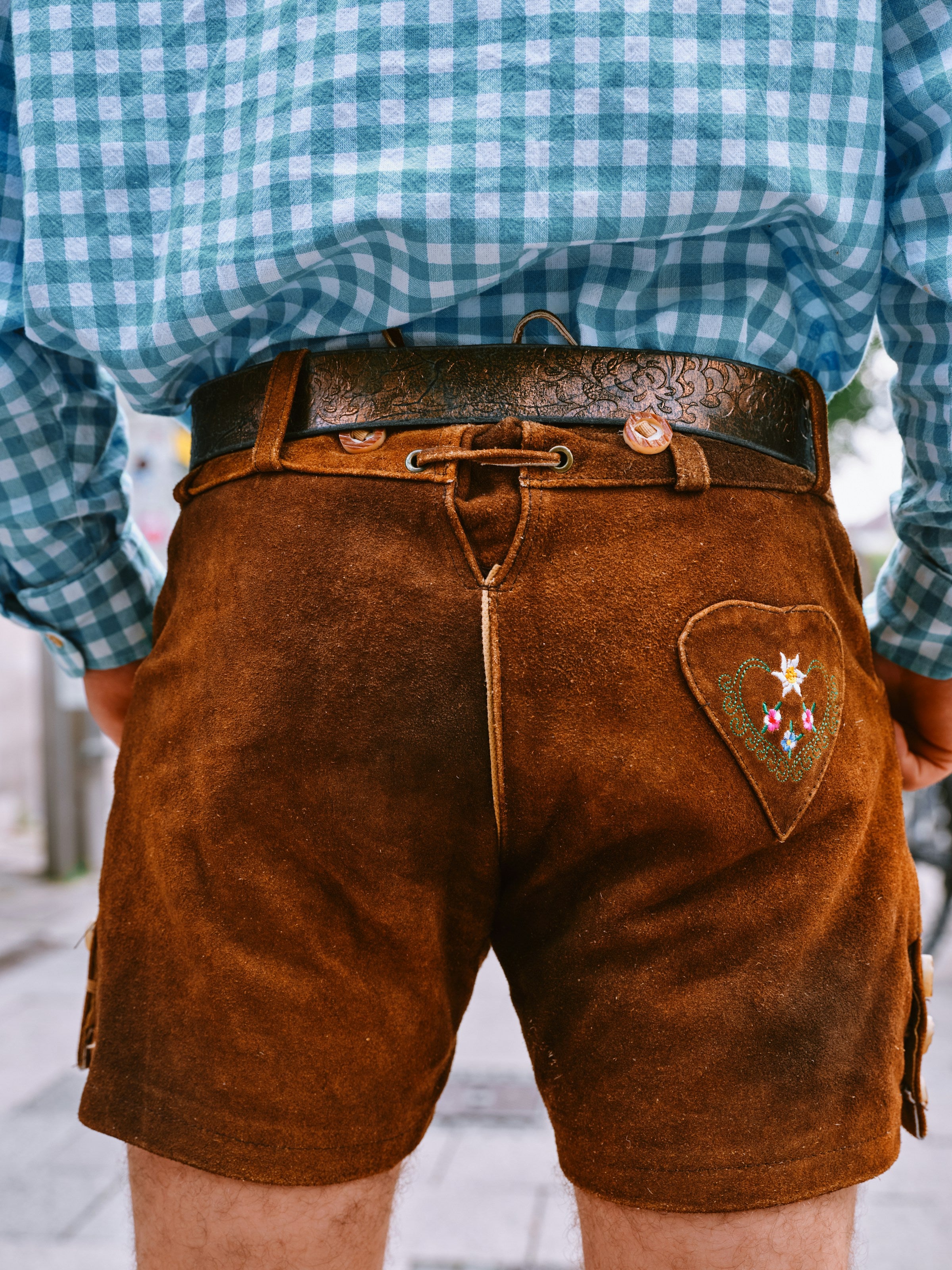
With an ideal length of 33 cm, the men's Charivari is worn on the fly of the Lederhosen. Parts of hunted animals are still attached to it. Small antler pieces, fangs or raptor talons are particularly typical.
How to wear the Charivari as a man:
Popular charms for men:
The Charivari is an important part of men's Tracht and gives every Lederhosen look that certain something.
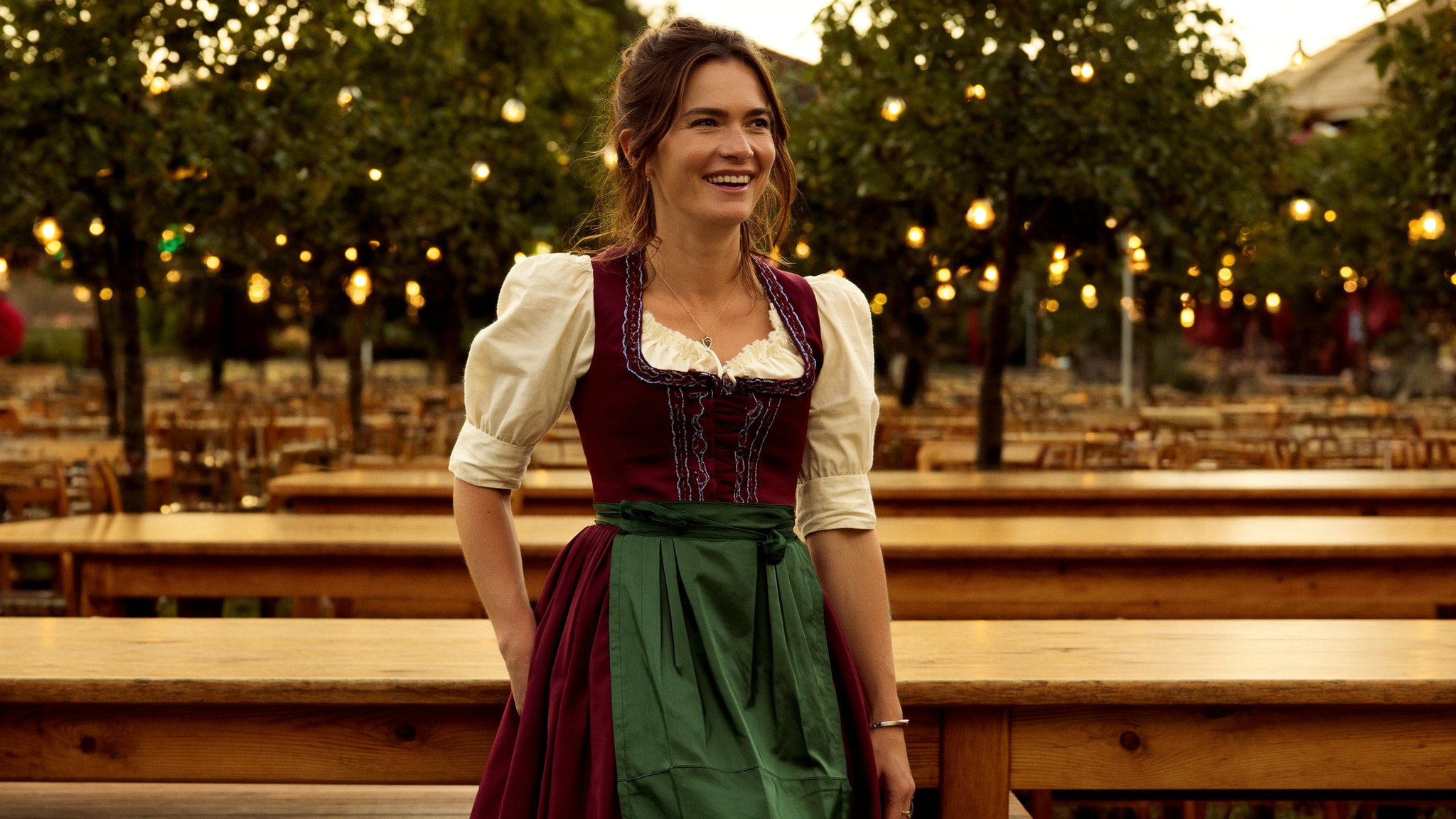
While the Charivari was once worn exclusively by men, it now also adorns Dirndl and other Tracht looks for women. This delicate Dirndl accessory is embellished with silver charms and talismans, making it a particularly beautiful jewellery piece for the Dirndl.
Where does a woman wear the Charivari?
The charms are arranged by meaning and serve as lucky talismans. Fastened to the bodice, they highlight the beautiful décolletage while also adorning the Dirndl. The Charivari can also be worn on the Dirndl apron, lending the Dirndl a perfect shimmer.
Popular charms for women:
The Charivari is a wonderful accessory that pairs perfectly with the Dirndl. Find out more about which accessories go with the Dirndl in our complete guide.
Today the Charivari remains a hugely popular accessory, blending modern design with traditional values. However, this was not always the case.
The renaissance of the Charivari:
Although the piece once held great significance and was worn with pride, the Charivari gradually lost its importance over the years and almost faded into obscurity.
With the renaissance of Tracht fashion, the Charivari also made its comeback and is once again worn as a meaningful piece of jewellery. This traditional accessory adds an individual touch to any Tracht outfit, personalising every Dirndl and Lederhosen look.
Modern traditions:
In many regions, the Charivari is now given as a gift to young people at their confirmation or Firmung. Godparents, for example, may present the Charivari chain with its first charm. Over the years, further charms can then be added.
How the Charivari grows:
Over the years, the Charivari thus becomes a deeply personal piece of jewellery that tells the life story of its wearer.
Today, the Charivari is an indispensable part of any Tracht look and should be in the possession of every Tracht enthusiast. Here are the key takeaways:
The Charivari is a traditional piece of Tracht jewellery dating back to the 19th century
Consists of a silver chain with meaningful charms
Originated from watch chains on Tracht waistcoats
Was traditionally a status symbol for farmers and landowners
Was traditionally passed down within families
If you are looking for your perfect Dirndl for the Wiesn, feel free to visit our store
Find your dream Dirndl now
A Charivari chain is a traditional piece of Tracht jewellery made up of a silver chain with meaningful charms. These charms serve as lucky talismans, hunting trophies or purely decorative jewellery pieces. Thanks to the individual charms, the Charivari comes in countless variations.
The Charivari chain has existed since the 19th century. It originated from watch chains on Tracht waistcoats. It was later worn by hunters as a talisman. Only wealthy farmers and landowners were permitted to wear it. It was traditionally passed down within families.
Men wear the Charivari at a length of approximately 33 cm, fastened to the fly of the Lederhosen. Typical charms include antler pieces, fangs or raptor talons. The Charivari should hang centred and sway gently when walking.
Women wear the Charivari on the bodice or on the Dirndl apron. It can also be worn as a necklace. Popular charms for women include hearts, Edelweiß, horseshoes and clovers. The Charivari beautifully accentuates the décolletage.
Today the Charivari combines modern design with traditional values. It is often given as a gift at confirmation or Firmung and added to over the years. In this way it tells the personal life story of its wearer and adds an individual touch to any Tracht outfit.
Discover matching Tracht

Stay up to date
Sign up and be the first to find out about new collections, exclusive offers and styling tips for your perfect traditional outfit.


