
Dirndl
Flash: 30% off everything. Only until midnight. Applied automatically in your cart (sale items excluded).
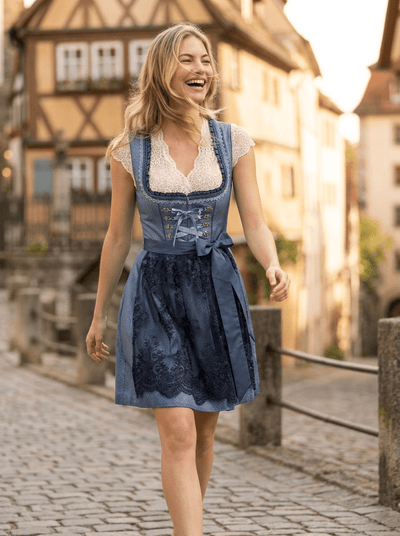
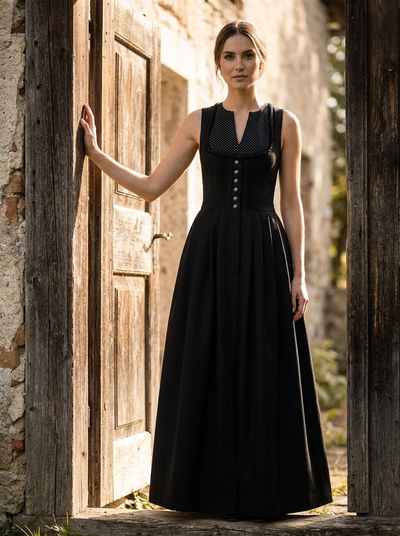
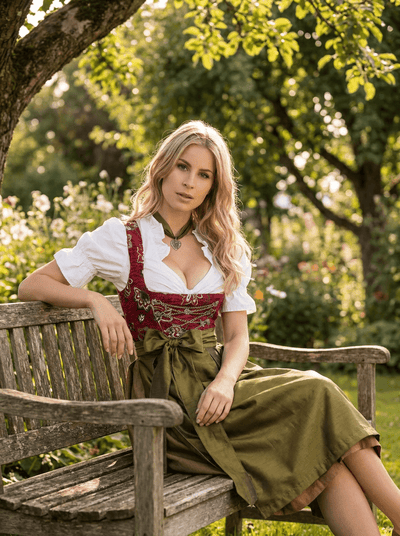
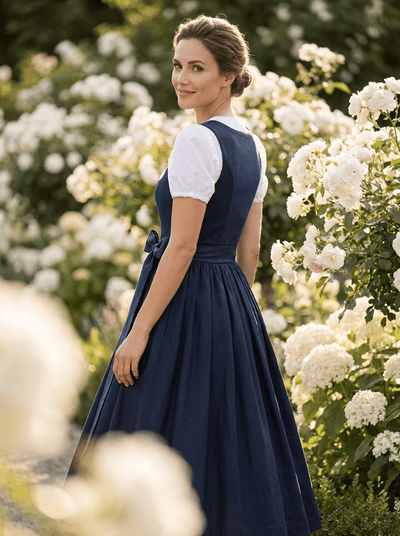
Sort by
289 products
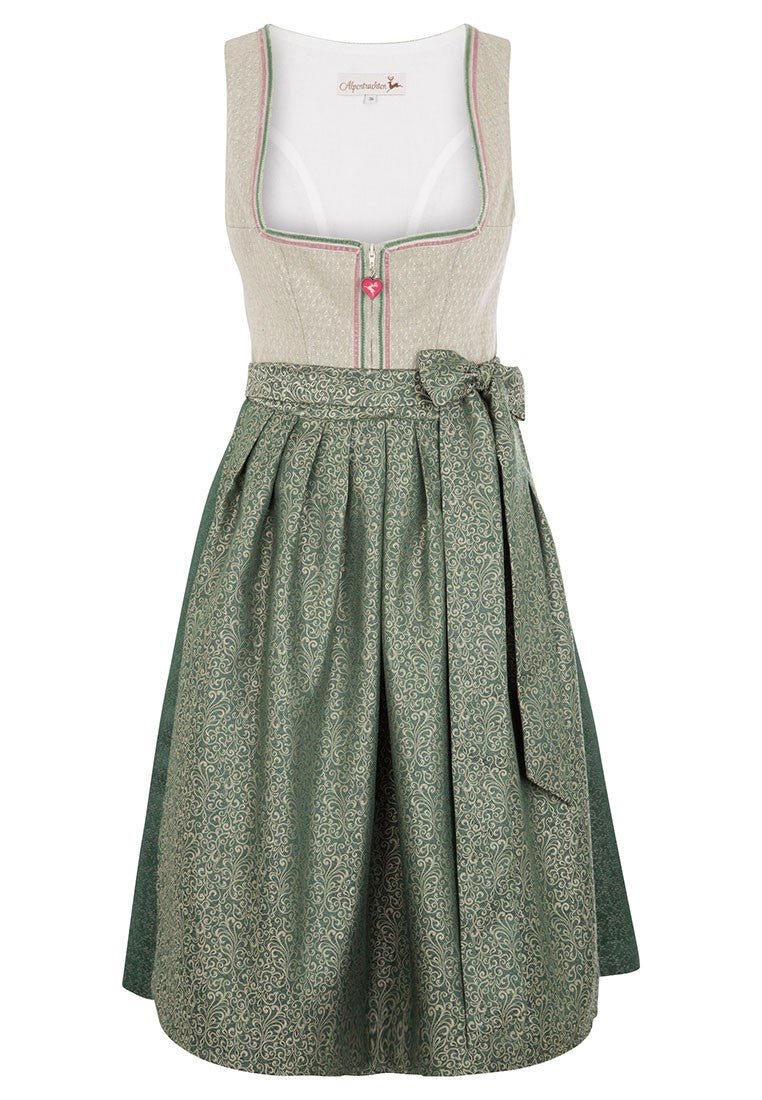
Over 355 dirndls from the best trachten brands: Krüger Dirndl, Stockerpoint, Alpentrachten and many more. Whether for Oktoberfest, Kirchweih or as a wedding guest, here you will find the right dirndl in all lengths and sizes from 32 to 54.
Buy Dirndl at Dirndl.com – over 355 styles for every occasion
Welcome! If you're looking to buy a dirndl, you've come to the right place. With over 355 styles, we're one of the largest dirndl shops in the German-speaking world. Whether for Oktoberfest, a wedding or an alpine festival: you'll find it here.
Our range covers all lengths, from mini to maxi. Sizes run from 32 to 54, with many styles in plus sizes too. Prices start at around 60 euros. Buying an affordable dirndl is just as easy here as investing in a quality piece that lasts for years.
Of course, a dirndl is more than just the dress. Blouses, accessories, the right bra, shoes – you'll find everything you need in one place. Read on to find out which style is right for you.
Which dirndl length suits you?
Length is the first decision when buying a dirndl – it sets the basic character of the look. A mini and a long dirndl tell two different stories, and both can be right depending on the occasion and your figure.
Dirndl lengths at a glance
- Mini dirndl (under 50 cm skirt length): Very short, above mid-thigh. Modern and daring. Great for folk festivals, less suitable for church events or traditional parades.
- Short dirndl (50–60 cm skirt length): Ends at the upper thigh. Playful and comfortable, very popular at Oktoberfest. One of the most purchased lengths in our online shop.
- Midi dirndl (60–75 cm skirt length): The quintessential classic. Ends just below the knee. Versatile for any occasion: Wiesn, weddings, Kirchweih – it all works.
- Knee-length dirndl (75–85 cm skirt length): Slightly below the knee, elegant and timeless. Great for more formal occasions and guests who prefer more coverage.
- Long dirndl (85–100 cm skirt length): Well below the knee to mid-calf. Festive and traditional. First choice for weddings and balls.
- Maxi dirndl / floor-length (from 100 cm skirt length): The most formal of all. Reaches almost to the floor. Especially elegant for evening events and weddings as a bride in traditional costume.
Mini Dirndl (under 60 cm skirt length)
The mini dirndl ends well above the knee, often at mid-thigh. It's the most modern of the three lengths – bolder and more urban. At Oktoberfest it's very popular: comfortable and great for dancing. With a white lace blouse it looks festive; with sneakers it becomes a relaxed Wiesn look.
Good to know: Very short skirts under 50 cm are not always welcome at events with a dress code. For church festivals, weddings, or more conservative traditional events, midi or maxi is the better choice.
Midi Dirndl (60 to 85 cm skirt length)
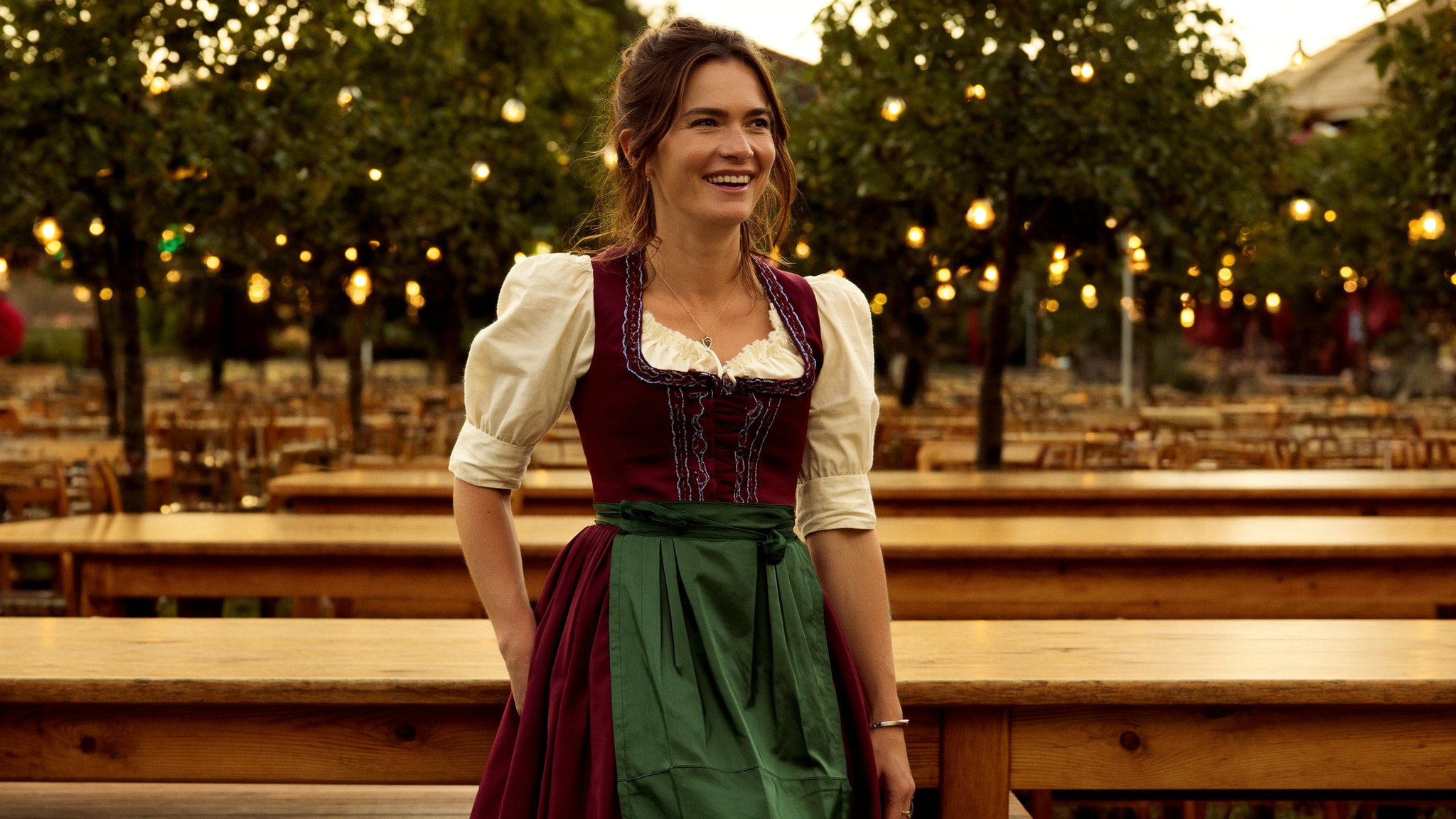
The midi dirndl is the ultimate classic. It ends just below the knee, flatters almost every figure, and suits practically every occasion. At Oktoberfest it's the most-worn length – midi always works.
The length between 70 and 80 cm is particularly popular. It still shows a bit of leg but is discreet enough for upscale occasions. Stockerpoint and Krüger produce their strongest collections in this length every year.
Long Dirndl (from 85 cm skirt length)
The long dirndl is the most formal of the three lengths. Floor-length styles from 100 cm look especially elegant – the first choice for weddings and formal evenings. The maxi length is increasingly popular as a wedding dirndl.
A long dirndl needs the right shoe. Pumps with a 5 to 7 cm heel are ideal. For dancing, a traditional shoe with a small block heel is more comfortable.
Dirndl by color – which color suits you?
Color in a dirndl sets the outfit's mood and carries a certain heritage. No strict rules – but it helps to know what each color communicates. Style guide: Which dirndl colors suit you perfectly.
- Red dirndl: Confident, passionate, a real showstopper. Red is one of the most popular colors at Oktoberfest. Those who dare make a statement instantly. Pairs well with black or white blouses.
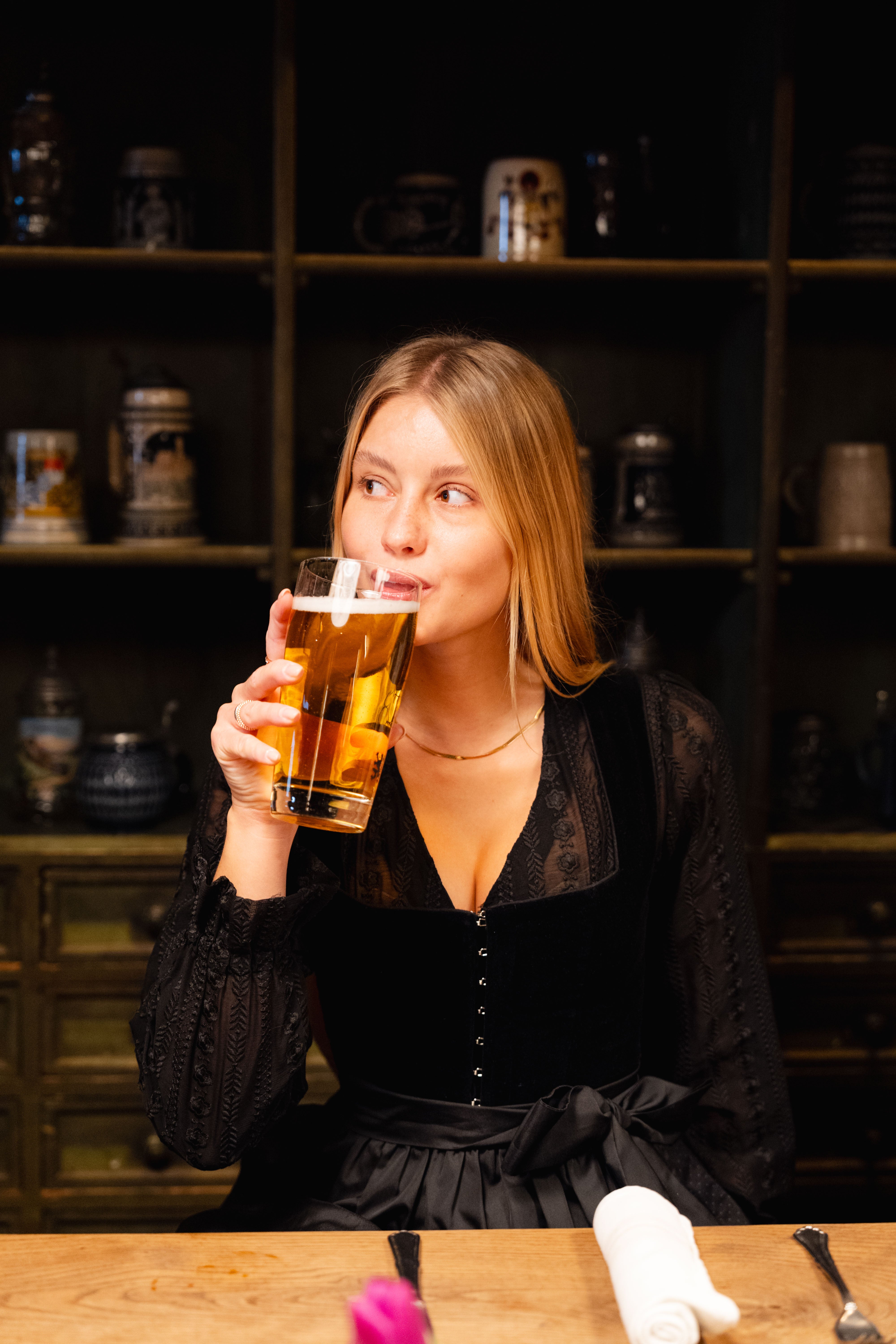
- Black dirndl: Elegant, timeless, versatile. A black dirndl works for almost every occasion, from folk festivals to weddings. With gold accessories it looks especially festive; with silver, cooler and more modern.
- White or cream dirndl: Delicate, romantic, bridal. White is traditionally reserved for the bride. As a guest, opt for a different color – unless the bride has explicitly said otherwise.
- Blue dirndl: Classically Bavarian. Dark blue and traditional Trachten-blue are very classic colors that create a crisp, fresh look with a white blouse. Great for traditional occasions and parades.
- Green dirndl: Forest green, fir green, moss green – green dirndl radiate something natural and grounded. Very popular at alpine festivals and among nature-loving traditional costume fans. The trend color of the 2026 season.
- Pink dirndl: Soft, feminine, modern. Pastel pink has been trending for several years and pairs beautifully with a white or cream blouse. A great choice for spring festivals too.
- Hot pink dirndl: Vibrant and eye-catching. Hot pink is bolder than pastel pink, but makes a fantastic impression at folk festivals and spring events. Pairs well with a white lace blouse.
- Floral dirndl: Floral patterns on the fabric or the apron bring the outfit to life. A patterned dirndl needs a plain blouse; otherwise patterns compete against patterns and the eye doesn't know where to look.
Dirndl in patterned fabrics – checks, florals, stripes – have their own rules: don't let the pattern fight with the blouse. A patterned dirndl looks its best with a simple white blouse.
The dirndl bow – what its position reveals
The bow on a dirndl is not purely decorative. It sends a message, and those who know it can read the glances at the next folk festival like an open book. In our guide we explain not only the meaning but also how to tie the bow correctly: Tying the dirndl bow: meaning and instructions.
- Bow on the left: The wearer is single and available. Tied on the left traditionally means: still unattached in Bavaria. The most worn position at Oktoberfest.
- Bow on the right: In a relationship or married. Waitresses also often tie it on the right so it doesn't get in the way when serving.
- Bow in the center front: Inexperienced in matters of love. Today usually worn with a wink, especially by younger wearers on their first dirndl outing.
- Bow at the back: Widowed – or: I'm a waitress and need to move quickly without the bow getting in the way. Rarely seen in everyday settings outside beer tent service.
If you don't want to make a statement, simply tie the bow on the left. That's the neutral default position for anyone who wants to wear a beautiful dirndl without being read.
Which dirndl suits my figure?
Dirndl work for many body types when you choose the right style. The Mieder (bodice) emphasizes the waist, the apron conceals hips and stomach, and the blouse adds volume where needed. Some cuts flatter certain figures better than others.
In the dirndl figure guide we cover all common body types. Here's a quick overview:
- Slim figure: Voluminous blouses with puff sleeves and lace add more fullness. An A-line skirt emphasizes the waist and gives the outfit more structure. Lighter colors and patterns work well.
- Pear shape (wide hips): A bodice that emphasizes the bust draws the eye upward. The skirt should be flowing and not too fitted. Dark colors at the hip and skirt create a lengthening effect.
- Apple shape (broad midsection): A V-neckline on the bodice creates a lengthening effect. Darker colors on the top and a flowing skirt without apron pleats are an advantage. Higher bodice lengths provide more support.
- Large bust: A bodice with a structured top provides support. Wide straps are more stable than narrow spaghetti straps. V-necklines or heart-shaped necklines flatter the bust without overemphasizing it.
- Small bust: Push-up dirndl bras and blouses with ruffles or lace at the neckline create visual volume. Deep necklines with lacing on the bodice can be very flattering.
- Plus size: A taller bodice supports and shapes. Dirndl in plus sizes are available from us in many styles – not just in classic colors but also in current cuts and patterns. Empire cuts and A-lines are particularly flattering here.
- Petite frame: Shorter skirt lengths (mini or short midi) create a lengthening effect. Monochromatic styling – dirndl and blouse in a similar tone – also elongates. Higher heels help additionally.
- Tall frame: Long dirndl look more proportionate. Clean, calm patterns without lots of small details. Midi from 75 cm is usually the most flattering length.
Ground rule: if the bodice fits, the dirndl fits. Everything else can be adjusted.
Finding the right size – fit tips for the bodice
Sizing in a dirndl works differently from regular clothing. The bodice is the defining measurement. Too tight and you won't make it through the evening; too loose and the look loses its shape. Our two guides will help:
- Dirndl size guide: How to measure yourself correctly and which size chart applies to which brand.
- How a dirndl should fit: Fit details that make all the difference.
The most important rules in brief:
- Measure your bust circumference at the fullest point – this is the decisive measurement.
- If you're between two sizes, order the larger one. A bodice that's too tight can't simply be laced open without losing its shape.
- The apron (the front overskirt) lies flat against the stomach at the correct size, without bulging upward.
- The shoulder seams sit on the shoulder, not sliding off it.
- A flat hand should fit between your bust and the top edge of the bodice – no more, no less.
Size chart overview: which size when?
- Size 32–34: Very slim cut. Bust circumference approx. 74–80 cm. Often listed as XS by Krüger and Stockerpoint.
- Size 36: Bust circumference approx. 80–84 cm. Most common starting size for slim figures. Largest range of styles available in this size.
- Size 38: Bust circumference approx. 84–88 cm. The statistical average in Germany. Almost all styles available in 38.
- Size 40: Bust circumference approx. 88–92 cm. Very good availability. Generously cut bodice with plenty of room after dinner.
- Size 42: Bust circumference approx. 92–96 cm. Good selection. Many styles also available with adapted cuts for more comfort.
- Size 44: Bust circumference approx. 96–100 cm. Transitional size, well represented at Krüger and Stockerpoint.
- Size 46–48: Entry into plus sizes. Bust circumference approx. 100–108 cm. Good selection in our shop, especially from Stockerpoint.
- Size 50–54: Wide plus-size range. Bust circumference from 108 cm. Specially adapted cuts for fuller figures. Not modified standard styles.
At Dirndl.com we carry sizes from 32 to 54. Many styles are also available in plus sizes. If you're unsure, feel free to order two sizes and return the one that doesn't fit.
The right dirndl blouse – more than just an obligation
A blouse is not an optional extra. It's an integral part of the dirndl look and can elevate an average outfit into something truly great. The right combination of dirndl and blouse is a small art form.
In the dirndl blouse guide we explain all blouse styles and which pairs with which dirndl. Our blouse collection covers all the classic options:
- White dirndl blouse: The ultimate classic. Goes with every dirndl, never goes wrong. Especially beautiful with lace at the sleeves or neckline. Suitable for all occasions.
- Black dirndl blouse: Modern, a little more individual. Pairs especially well with colorful dirndl that need a calmer counterpart. Turns a vibrant dirndl into an elegant look.
- Lace blouse: Romantic and feminine. The first choice for festive occasions and weddings. The lace should harmonize with the color and style of the dirndl.
- High-neck blouse: For tradition-conscious appearances and conservative events. Gives the look something strict but very elegant. Great for church festivals and traditional parades.
- Short-sleeve blouse: Practical in summer and at folk festivals. Cooler and more comfortable than long sleeves. Can also be worn under light knit cardigans when it gets cooler in the evenings.
- Off-shoulder blouse: Modern and sensual. Shoulders are left bare, the neckline is wide. Works well with clean, solid-colored dirndl with an elegant bodice.
- Puff sleeve blouse: The trend style of the 2026 season. Voluminous puff-cut sleeves give the look drama. Great for slimmer figures who want more volume in the shoulder area.
- Ruffle blouse: Playful and romantic. Ruffles at the neckline or sleeves pair well with floral or pastel-colored dirndl. Less suitable for very dark, serious bodice colors.
Important: the neckline of the blouse must match the neckline of the dirndl. A heart-shaped dirndl neckline calls for a blouse that isn't too high at the collar. A square neckline allows for more variation.
Dirndl sets – everything in one package
Want to skip the search for a matching blouse? Then dirndl sets are exactly what you need: dirndl plus matching blouse, sometimes including a contrasting apron. Colors and styles are already coordinated – no mixing required.
Sets are perfect for first-time buyers or anyone who wants to decide quickly. In the sale you often find great set deals: classics from the previous season bundled at attractive prices.
Underwear for the dirndl – the dirndl bra and what else fits
A badly fitting bra can ruin even the most beautiful dirndl look. Anyone who has attended a festival with a visible bra strap under the bodice knows exactly what I mean.
Everything you need to know about the right underwear under a dirndl is in the guide: What to wear under a dirndl. Here are the key points:
- A dedicated dirndl bra is the best choice. It has a flat back with no disruptive straps, often with transparent straps and a neckline that fits under the bodice.
- Budget alternative: a push-up bra in skin tone with a U-shaped back strap.
- Under the skirt: not a must, but if you love to dance, wearing a pair of short cycling shorts underneath is practical and discreet.
- Stockings or not? Lacquered knee-high stockings are very traditional and pair well with long dirndl and more rustic occasions.
- With mini and midi styles today it's common to go without stockings, especially in summer and at folk festivals.
- Avoid skin-tone tights – they don't lengthen the leg and make it look matte. If you wear stockings, go for proper traditional costume stockings or white knee-highs.
Matching dirndl underwear is available directly in our shop.
Dirndl accessories – the finishing touch
The right accessory can elevate a simple dirndl and put the final polish on an expensive style. Those who know the basic principles rarely go wrong.
You'll find the complete guide here: Dirndl accessories: the ultimate guide. Our full accessories range is of course also available directly in the shop.
The dirndl accessories checklist
- Dirndl blouse: Essential. No complete dirndl outfit without a blouse. Match the style and neckline to the bodice.
- Dirndl bra: Invisible under the bodice, provides support and shape. Never a regular bra with a visible back strap.
- Dirndl apron: An important part of the look. A contrasting color to the dirndl strongly changes the overall impression.
- Traditional stockings or knee-highs: Optional, but recommended for more traditional occasions. Stocking collection available in our shop.
- Shoes: Pumps, traditional shoes or Haferlschuhe (low-cut lace-up shoes) – depending on the occasion and dirndl style. Match the heel height to the dirndl length.
- Traditional bag or clutch: Small and structured. No backpacks, no tote bags with a formal dirndl.
- Traditional jewelry: Necklace, earrings or Charivari (charm chain). Less is more. One beautiful necklace is enough. More on this: Charivari chain: traditional costume jewelry with meaning.
- Hair accessories: Flower crown, hair tie in traditional colors, hairpin with edelweiss. Especially fitting for Oktoberfest and spring festivals.
- Dirndl cardigan or knit jacket: For cool evenings and early alpine festivals in spring. Choose natural colors or a shade to match the dirndl.
Shoes for the dirndl – pumps, sneakers or Haferlschuhe?
The shoe question with a dirndl is more serious than with other outfits. The wrong shoe can throw a perfect look off balance. In the guide Dirndl shoes: which shoes go with a dirndl we walk through all the options. Our shoe collection offers the matching styles.
- Pumps: Classic and festive. A heel height of 5 to 8 cm is ideal. For long dirndl you can go higher; for mini styles, lower heels keep the proportions right.
- Traditional shoe with block heel: The compromise between festive and comfortable. Ideal for long evenings and for those who stand or dance a lot. More stable than pointed heels.
- Haferlschuh: The classic traditional shoe, flat with a side lace-up closure. Very traditional, very comfortable, pairs perfectly with more rustic dirndl and alpine festival outfits.
- Ballet flat: Delicate and feminine, works well with long dirndl. A touch understated for Oktoberfest, but ideal for a garden wedding in traditional costume.
- White sneakers: Yes, these work – but only with a mini dirndl and only in a deliberately casual context. Not at formal occasions.
- Wedges: More comfortable than standard heels and more stable when walking on grass or festival grounds. Works well with midi dirndl in a modern look.
- Ankle boots: A great option for autumn festivals, Kirchweih and alpine cattle drives. Short ankle boots combined with a midi dirndl and traditional stockings make a cohesive look.
Dirndl for special occasions
A dirndl is not a one-size-fits-all costume. Depending on the occasion, it needs the right cut, the right length and the right tone. Here is an overview of the most important situations.
Occasion guide: which dirndl for which event?
- Oktoberfest Munich: Midi dirndl (65–80 cm) is the standard length. Mini works too. Fresh colors, modern cuts. Avoid maxi length – too impractical in the beer tent. Don't forget the bow.
- Stuttgart Spring Festival: Similar to Oktoberfest, but the atmosphere is a bit more relaxed. Pastel colors and lighter fabrics like linen suit the April/May weather well.
- Cannstatter Wasen: The Swabian counterpart to Oktoberfest in the Stuttgart region. Midi dirndl in classic colors. Regional traditional costume elements are welcomed here.
- Kirchweih (parish fair): A more traditional occasion. Midi or long dirndl in classic, understated colors. No very short lengths, no bold modern prints. Traditional stockings recommended.
- Wedding as a guest: Midi or maxi dirndl in a non-white color. Festive finish, lace or embroidery welcome. Leave white and cream to the bride.
- Alpine festival and cattle drive: Rustic is fine. Earthy colors: green, brown, dark blue. Haferlschuhe, traditional stockings, sturdy fabrics. No formal evening style on the mountain.
- Traditional parade: Traditional patterns and regional colors. The more regional, the better – here you can proudly show your home district. Both long and midi lengths are appropriate.
- Town festival and summer party: Modern interpretations of the dirndl fit well here. Lighter fabrics like linen or cotton, fresh colors, and the trend look of 2026 are all welcome.
Dirndl for a wedding
In Bavaria, traditional costume at weddings is not the exception but the tradition. As a guest, a wedding dirndl in midi or maxi length is an excellent choice. White is reserved for the bride – so choose a color: delicate pink, blue, green, burgundy or grey. For more on the etiquette: Getting married in traditional costume – what to consider
Dirndl for Oktoberfest
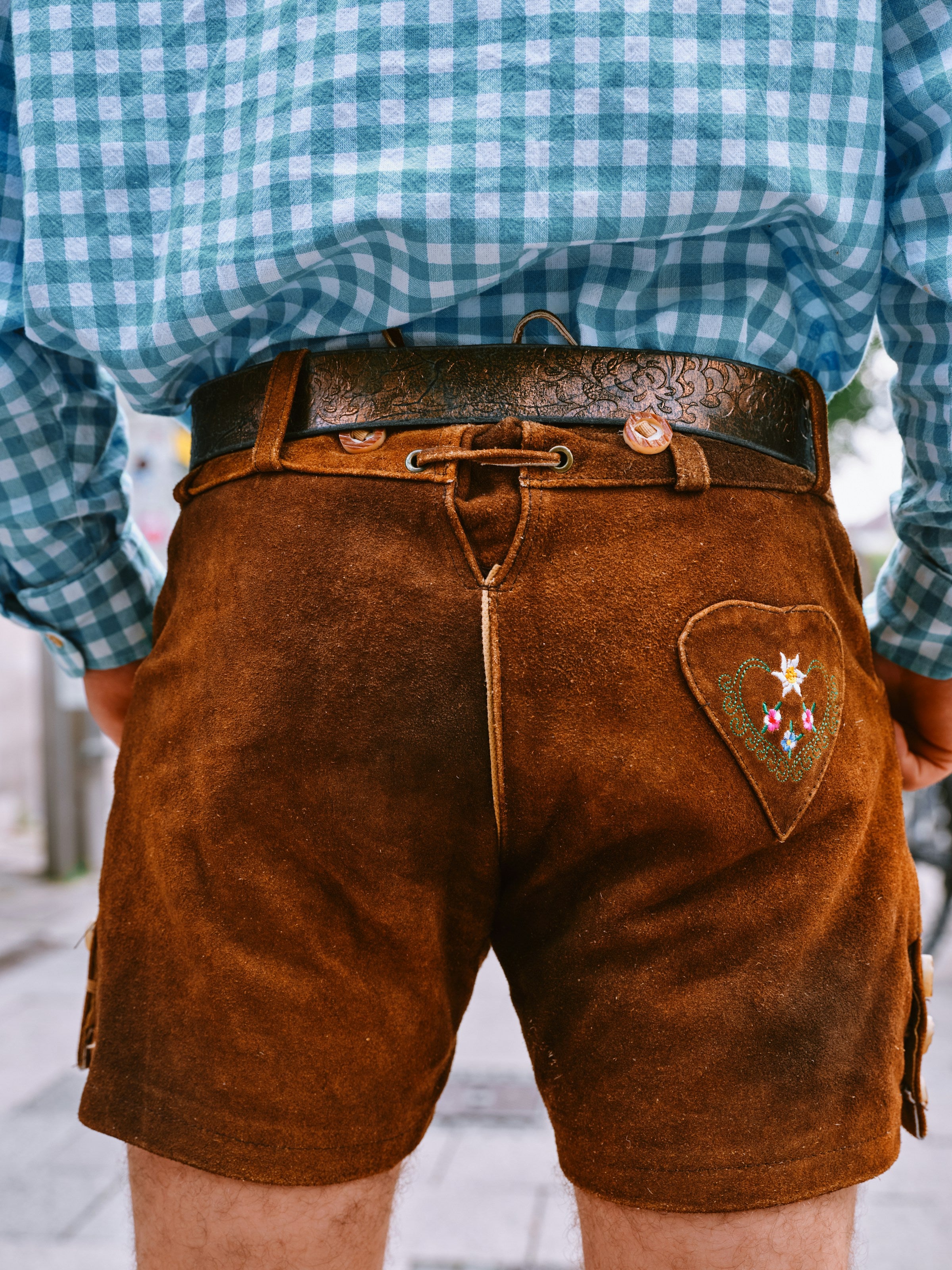
Oktoberfest is the most common reason to buy a dirndl. The midi is the standard choice; mini works too; long is less common but fine. For 2026 trend tips, see our guide: Dirndl for Oktoberfest and Oktoberfest outfit 2026. Many customers pair their dirndl with Lederhosen for their partner to complete the couple's look.
Festive dirndl for upscale occasions
For balls, receptions, traditional costume evenings and similar events there's a dedicated category: Festive dirndl. These styles stand out through high-quality fabrics – often silk, brocade or elaborate embroidery – and usually come in maxi length or knee-length midi. Prices here typically start from 180 euros. More options are available in our Exclusive dirndl collection for special occasions.
Dirndl trends 2026 – what's in this year
Fashion and traditional costume are not mutually exclusive. Every year the dirndl sees new colors, cuts and details that bring fresh energy to a time-honored garment. You'll find the full trend report here: Dirndl trends 2026. Anyone looking for a modern dirndl that still stays rooted in tradition will find particularly many great options in 2026.
The top trends of 2026 at a glance
- Dark green and moss green: Forest colors are the theme of the year. Fir, moss and olive green in every nuance are strongly represented. Anyone buying a dirndl in 2026 who wants to play it safe should reach for green. Pairs beautifully with bronze or gold accessories.
- Embroidery on the bodice: Elaborate embroidery at the neckline and bodice front is back. Floral motifs, vine patterns, traditional Bavarian symbols. The more detailed, the better.
- Puff sleeve blouses: The puff sleeve isn't going anywhere. After two years as a trend it's cementing its place as a permanent part of the dirndl look. If you don't have a puff sleeve blouse yet, 2026 is the year to get one.
- Check patterns: Subtle checks in the dirndl fabric – not too large, not too bold – are back. Combined with a simple white blouse they look very clean and classic.
- Pastel colors: Pink, lavender, mint green in soft tones are gaining ground. Particularly for formal dirndl and wedding looks. The pink dirndl segment benefits strongly from this trend.
- Modern bodice cuts: Deeper necklines, asymmetric details, unusual lacing. The line between dirndl and a high-end evening gown is becoming more fluid.
- Linen fabrics: Especially for summer dirndl and spring festivals, natural linen fabrics are establishing themselves. They're breathable, pleasant against the skin and have a beautiful texture. Care tips: Washing linen: tips and tricks.
- Lace details on apron and bodice: Lace not just on the blouse but as a trim on the apron or bodice edge. Looks elegant and feminine without being overdone. More inspiration: Lace dirndl.
- Vintage inspirations: Borrowings from the 1950s to 1970s – full circle skirt silhouettes, retro prints, large floral patterns. More on this: Vintage dirndl: retro traditional fashion.
Dirndl styling – what works and what doesn't
There are combinations that have worked for years – and some that, despite the best intentions, you really should avoid. Our style guide covers this in detail: Traditional costume look: the most important dos and don'ts.
What works: dirndl styling dos
- Midi dirndl in forest green plus white lace blouse plus nude pumps – a timeless classic
- Mini dirndl in dark red plus black dirndl blouse plus black pumps – modern and confident
- Long dirndl in burgundy or navy plus high-neck white blouse plus traditional shoe with heel – festive and traditional
- Colorful floral dirndl plus simple white blouse plus minimal jewelry – let the fabric speak for itself
- Pastel dirndl plus flower crown in hair plus traditional bag – romantic and fresh
- Dark dirndl plus puff sleeve blouse in white plus Charivari chain – the 2026 trend look
- Checked dirndl plus plain blouse without lace plus Haferlschuh – rustic and authentic
- Formal long dirndl plus embroidered bodice plus elegant pumps plus clutch – for weddings and balls
What to avoid: dirndl styling don'ts
- T-shirt under the dirndl instead of a dirndl blouse – no T-shirts, ever
- Backpack with a formal dirndl – completely destroys the look
- Synthetic skin-tone tights – don't lengthen the leg, make it look matte and cheap
- Too much statement jewelry – traditional costume is not a stage for maximum accessories
- Bow tied incorrectly or not centered – it's noticeable and shows you're not taking it seriously
- Patterned dirndl combined with a patterned blouse – pattern against pattern is rarely a good look
- White dirndl as a wedding guest – white always belongs to the bride
- Mini dirndl at traditional church festivals or parades with a conservative dress code
- Too high heels with a long dirndl – walking on cobblestones or festival grounds becomes an ordeal
- Bra straps visible above the bodice – always choose a proper dirndl bra
By the way: the topic of wearing a dirndl without a blouse is divisive. Read what to make of it in the article: Wearing a dirndl without a blouse: trend or no-go?
Dirndl by brand – Krüger, Stockerpoint, Alpentrachten & more
We carry dirndl from several brands with very different characters. Here's a brief overview so you know what to expect from each brand.
- Krüger Dirndl: One of the best-known brands in Germany. High-quality craftsmanship, classic cuts, sizes 32–54. Known for reliable quality, elaborate embroidery and traditional Bavarian style. Prices typically 120–280 euros.
- Stockerpoint: From Bavaria, with a keen sense for modern traditional fashion. Fresh colors every year, traditional spirit, lower entry prices than Krüger and particularly strong in the midi range.
- Alpentrachten: A younger brand with a modern approach. Alpentrachten targets a slightly younger audience looking to combine traditional costume with a contemporary look. Good fit, interesting color combinations, fair prices.
- Süss: Specializes in feminine, romantic dirndl designs. Lots of lace, lots of pastel colors, lots of attention to detail. Great for formal occasions and weddings as a guest.
- Lusana: An Austrian brand focused on quality fabrics and traditional craftsmanship. Long-lasting styles that hold up for years. A slightly higher entry price, but a very worthwhile investment.
- Spieth & Wensky: A traditional Bavarian house. Strong on classic styles with genuine traditional patterns. Popular with traditional costume clubs and members of cultural associations.
Alongside these main brands we carry further labels – from regional manufacturers to specialist brands for plus sizes. The complete brand range can be found in the brand overview in the shop.
Caring for and washing your dirndl
A good dirndl can last for years – if you care for it properly. The most common mistakes happen during washing. Everything you need to know is in the guide: Washing a dirndl: how to clean your dirndl correctly.
Step by step: washing and caring for your dirndl
- Read the care label: Always check the label first. It gives the only reliable information on washing temperature and whether machine washing is permitted. No other step overrides this one.
- Follow temperature guidelines: Most dirndl tolerate a maximum of 30 degrees on a gentle cycle. Some require dry cleaning only – this will be stated explicitly on the label. Silk and brocade should always be hand-washed or dry-cleaned.
- Turn the dirndl inside out: Wash the bodice and structured parts inside out to protect colors and embroidery. Close zippers before putting the dirndl in the machine.
- Choose the right detergent: Use a delicate detergent for sensitive fabrics. No heavy-duty detergent with bleach additives – these attack colors and fibers.
- Limit spin speed: Maximum spin speed 600–800 rpm. Higher spin speeds can damage embroidery and structured bodice fabrics.
- Drying: Never in the dryer. Hang up or lay flat to dry, depending on the fabric. Drying in direct sunlight can bleach colors.
- Ironing: Iron at a medium temperature on the inside. Never touch embroidery and lace directly with the iron – place a pressing cloth between them.
- Air out after the festival: Always air out before storing. Beer smell that has dried in is harder to wash out. The dirndl should hang out overnight before going back in the wardrobe.
- Storage: Store clean and dry, ideally in a garment bag. Avoid folding if possible – hanging is gentler on the bodice structure.
- Treat stains immediately: Red wine, beer, grease – the faster you act, the better. Treat with cold water and a little gall soap immediately after the festival.
Special care instructions for linen dirndl can be found in the guide: Washing linen: tips and tricks for your linen dirndl.
The history of the dirndl – from working clothes to fashion statement
The dirndl began as practical workwear for farm women in the 19th-century Alps. The name comes from the Bavarian word Dirndl, meaning girl.
With alpine tourism came romanticization of rural clothing. In the 1930s designers like Lanz of Salzburg brought the dirndl to fashion markets.
After WWII it fell out of favor, serving mainly as an Oktoberfest souvenir through the 1980s.
The comeback came in the 2000s: a new generation of designers rethought the dirndl with modern cuts and contemporary palettes.
Today it's a seasonal must-have for tourists and tradition lovers alike – a fully-fledged fashion piece with over 355 styles in our shop.
Buy dirndl on sale – discounts & deals
A beautiful dirndl doesn't have to be expensive. There are several ways to save when buying a dirndl from us:
- Dirndl sale: In our sale section you'll find discounted styles from current and past collections. Quality stays the same, the price drops – often by 30 to 50 percent.
- 70% off dirndl: If you're really looking to buy a dirndl at a low price, check our 70% off sale category regularly. Here you'll find styles with steep discounts – ideal for anyone looking to buy an affordable dirndl without compromising on quality.
- End of season: Dirndl are seasonal. After the Wiesn season in October, prices drop significantly. Those who are flexible and buy early for the next season can save considerably.
- Early bird advantage: New collections arrive in February and March. Buying then means paying introductory prices and having the full selection – including sought-after sizes.
- Sets instead of individual items: Dirndl sets with a blouse are often cheaper than buying a dirndl and blouse separately. Sets are particularly attractively bundled in the sale season.
Regardless of price: a dirndl is an investment. A good style lasts many years. Better to spend a bit more once than to buy cheap three times and be disappointed three times.
One more tip: the most popular sizes sell out fast before Oktoberfest. Buy in spring for the best selection and lowest prices. Waiting until August means empty shelves or last-minute ordering.
Buy dirndl online at Dirndl.com – why here?
You can buy a dirndl at many shops. We still think a few things are different about us.
First: the selection. Over 355 styles in all lengths, colors and sizes from 32 to 54. Dirndl for Oktoberfest, dirndl for weddings, festive dirndl and affordable dirndl on sale. We have the full spectrum.
Second: the content. We explain what you need to know to make a good choice. Not with white noise, but with real tips from everyday traditional costume life. The guides on sizes, figure, care and styling are free and always up to date.
Third: the service. Returns are straightforward. If you buy a women's dirndl online and it doesn't fit, you simply send it back. No fuss.
Dirndl.com delivers to Germany, Austria and Switzerland. Free shipping applies from a certain order value within Germany. Order at least two weeks before your occasion to have time for an exchange if needed.
Anyone looking to buy a women's dirndl online without compromise will find the widest range here: mini, midi and long dirndl, sets with blouse, wedding and Oktoberfest dirndl. All major brands, all sizes, fair prices – that's our standard.
Frequently Asked Questions
Which Dirndl length is best for Oktoberfest?
The midi Dirndl between 65 and 80 cm is the most popular choice at the Wiesn – classic, practical and suitable for any occasion in the festival tent. When in doubt, choose midi.
How do I find my correct Dirndl size?
The decisive measurement for a Dirndl is the bust circumference. Measure it at the fullest point and compare it with the size chart of the brand. If you are between two sizes, order the larger one.
Do I need to buy a Dirndl blouse separately?
Most Dirndl are sold without a blouse – so you'll need to order a Dirndl blouse separately. Exception: Dirndl sets explicitly offered with a matching blouse.
What does the position of the Dirndl bow mean?
Bow on the left means: single and available. Tied on the right: taken or married. In the front centre: inexperienced in matters of love. Tied at the back: widowed or a waitress.
Can I wear a Dirndl to a wedding?
Yes, in Bavaria traditional costume at weddings is a long-standing tradition. As a guest, choose a midi or maxi Dirndl in a non-white colour. White remains reserved for the bride.
How do I wash my Dirndl properly?
Always check the care label first. Most Dirndl can be washed at a maximum of 30°C on a delicate cycle. Never put in a tumble dryer. After a folk festival, always air out before storing.
What shoes go with a Dirndl?
Pumps with a 5–8 cm heel are the classic choice. Traditional shoes with a block heel are more comfortable for long evenings. Haferlschuhe suit more rustic Dirndl. White sneakers only work with a mini Dirndl in a casual context.
Are Dirndl available in plus sizes?
Yes. We carry Dirndl in sizes 32 to 54, many models also in plus sizes. Our plus-size Dirndl use specifically adapted cuts – not just scaled-up standard patterns.
What is the difference between mini, midi and maxi Dirndl?
The difference lies in the skirt length. Mini Dirndl end above the knee (under 60 cm). Midi Dirndl are between 60 and 85 cm – the classic length. Maxi Dirndl have a skirt length from 85 cm and look particularly festive.
When should I order so my Dirndl arrives on time?
We typically dispatch within 1–3 business days. To allow time for a possible exchange, we recommend ordering at least two weeks before your planned wearing date. For Oktoberfest, plan for four weeks' lead time.
Best price guarantee
Fast worldwide shipping
14 days return
Secure payment

Stay up to date
Newsletter
Sign up and be the first to find out about new collections, exclusive offers and styling tips for your perfect traditional outfit.