
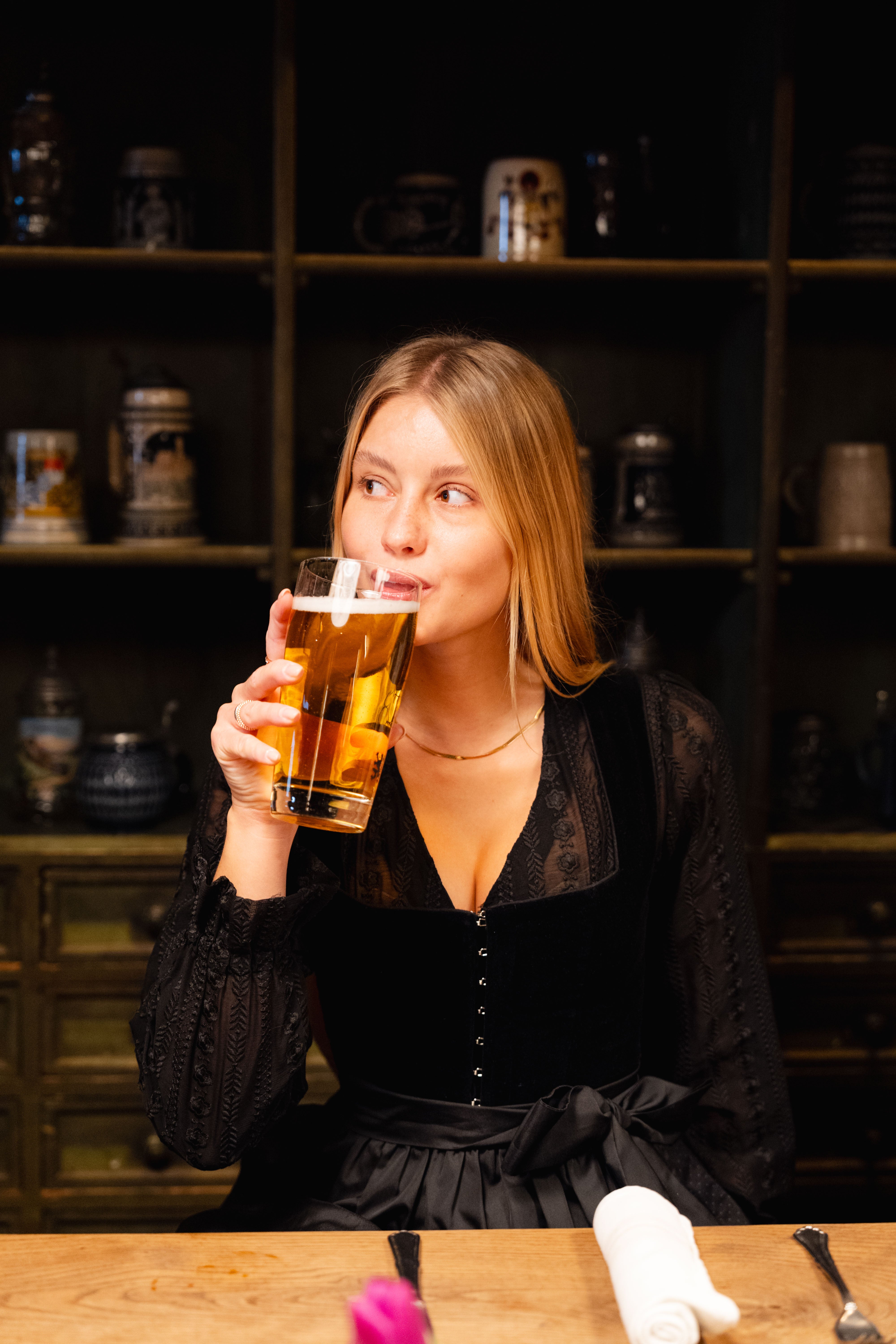
FOR THE WIESN 2026
Dirndls for the Oktoberfest. No compromises.
No disposable dirndl from a discount store. A dirndl that carries you through many Wiesn.
WIESN READY
A good dirndl, a real difference.
A dirndl for the Oktoberfest is not, and should not be, a one-time decision. The differences between a discount-store dirndl and a genuinely well-made piece do not show when you put it on, but at the end of your second Wiesn: one still fits after five liters of beer, the other has lost its shape. We show you what really matters here: which colors work well for the Wiesn, which length survives which kind of day, and which dirndls we recommend to our regular customers for the Oktoberfest.
OUR OKTOBERFEST SELECTION
Dirndls for the Wiesn
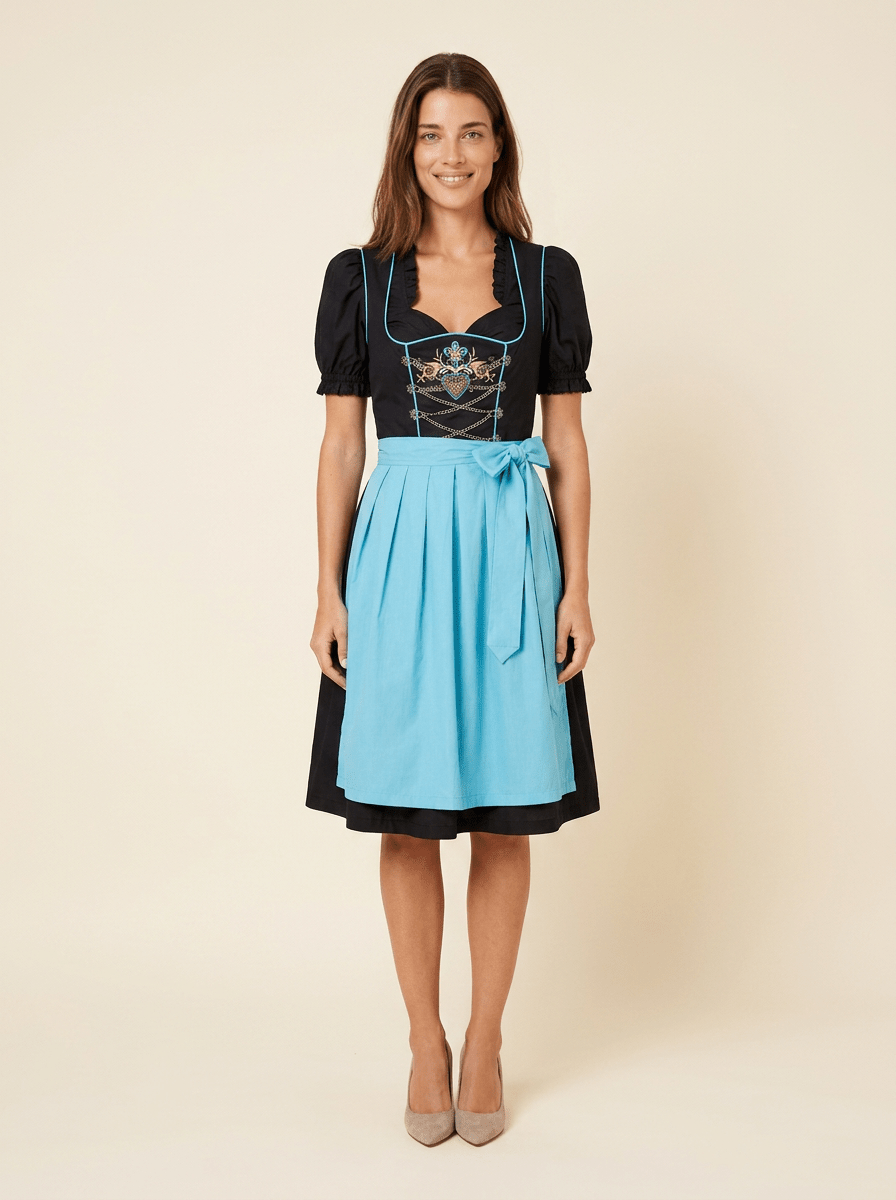
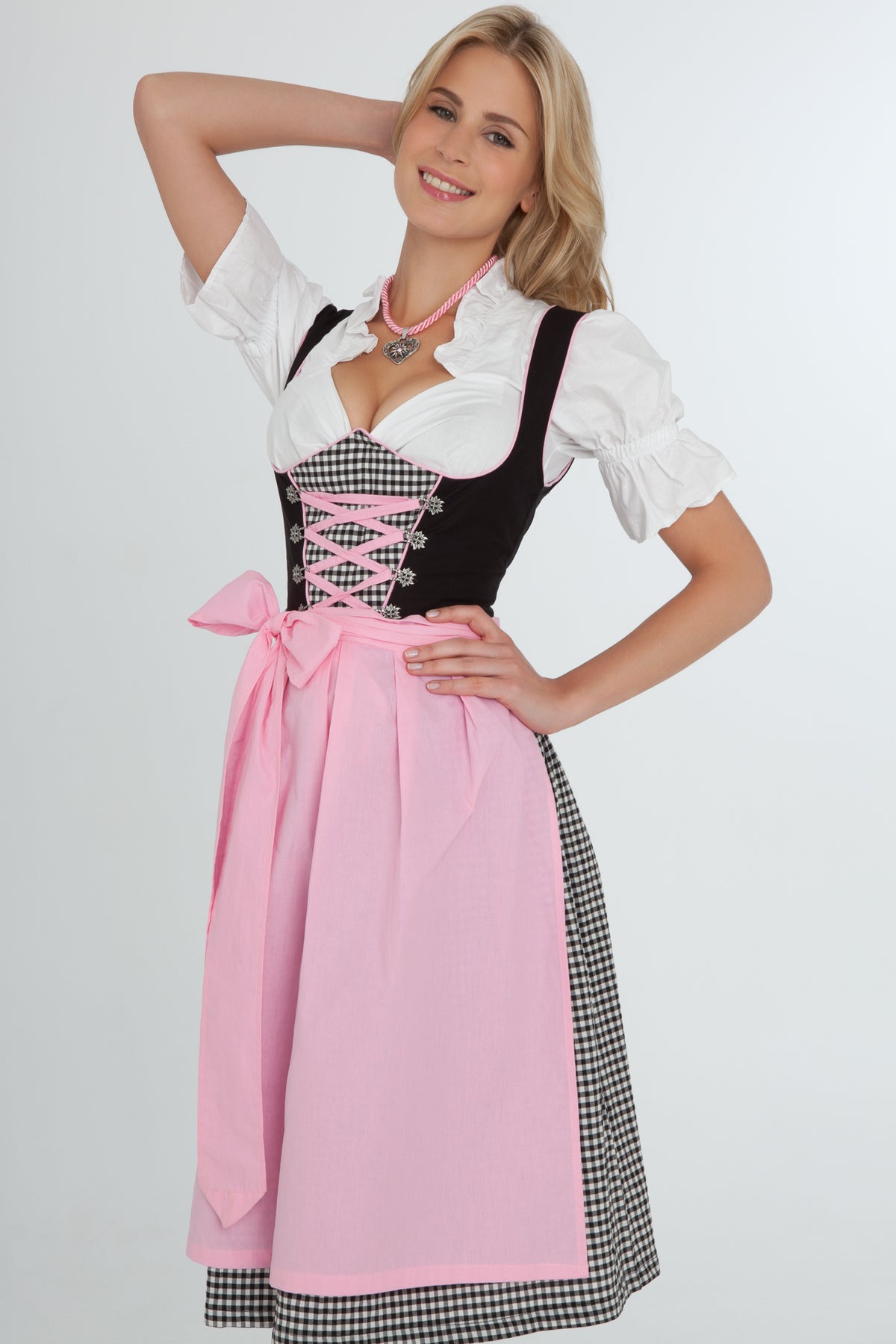

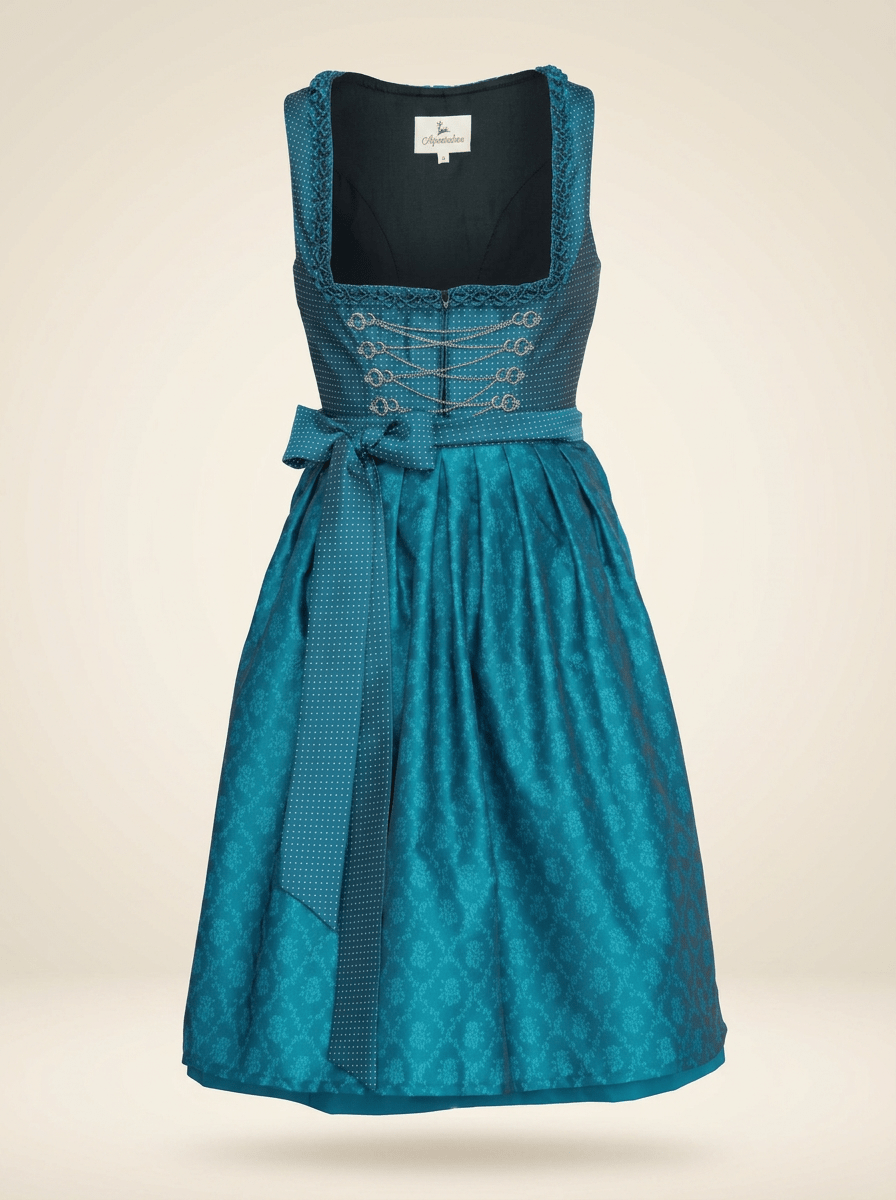
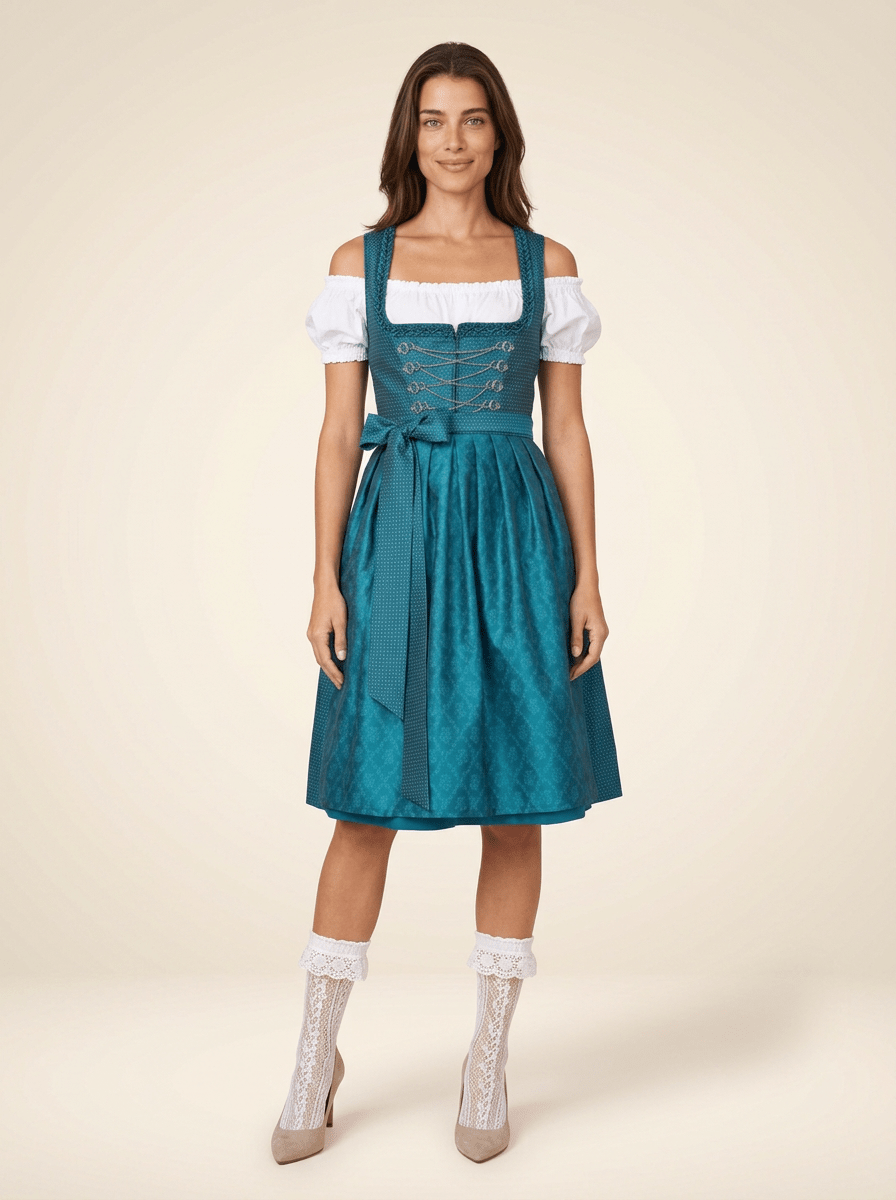
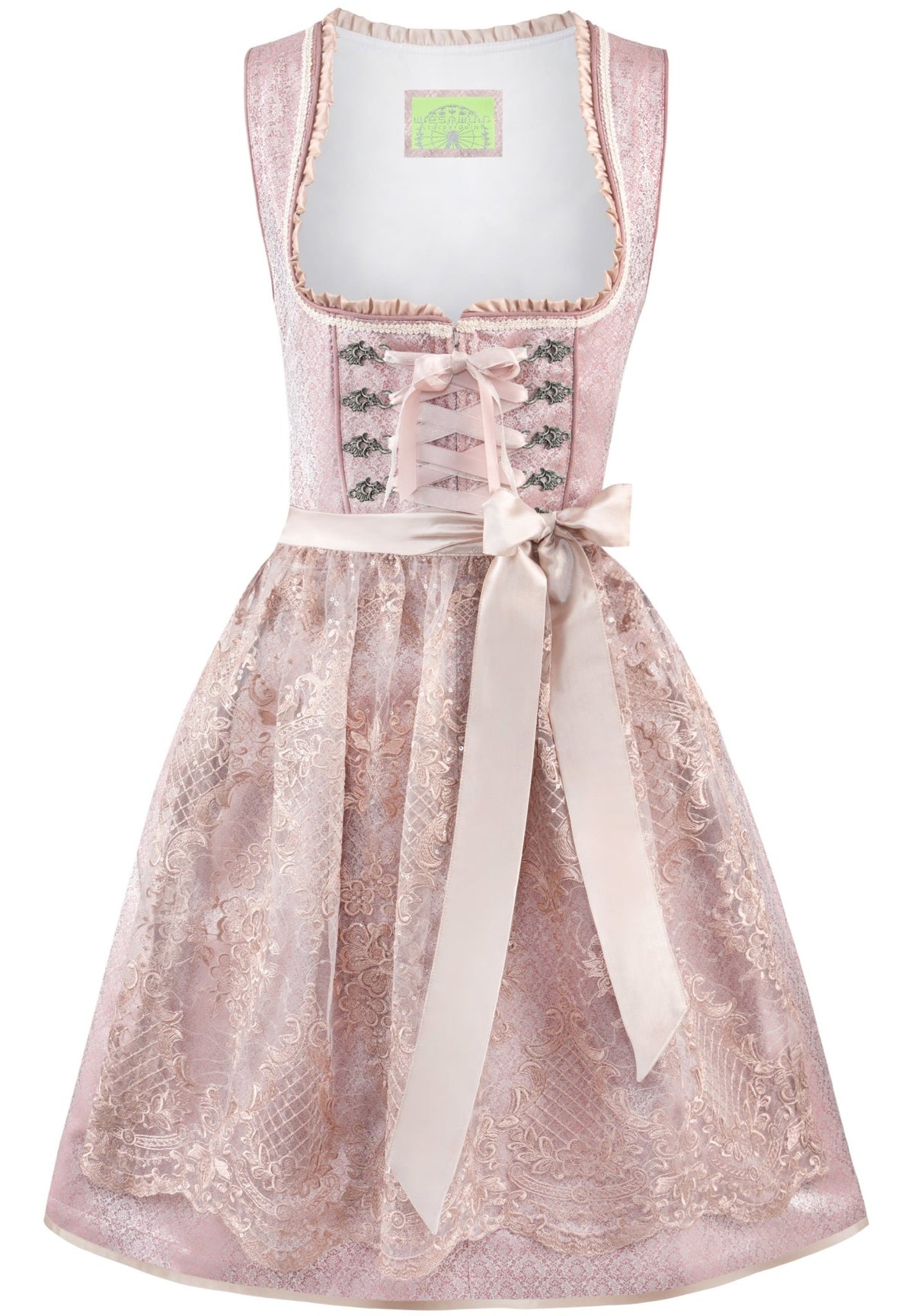

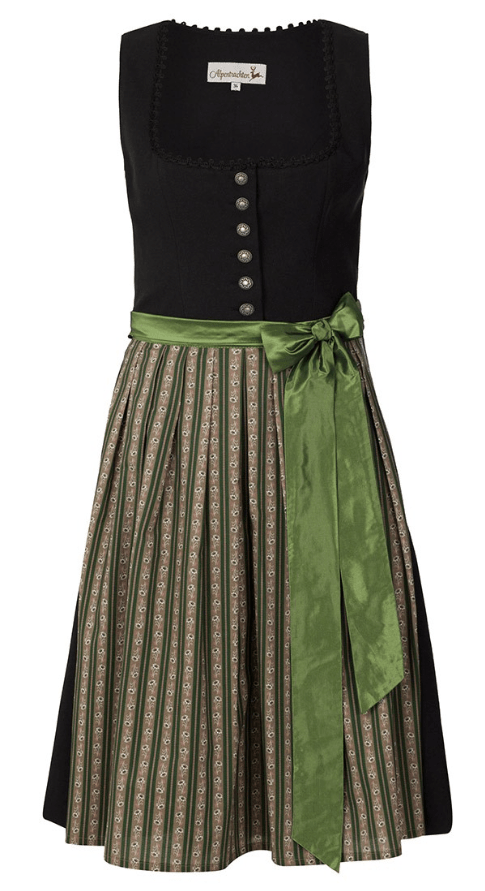

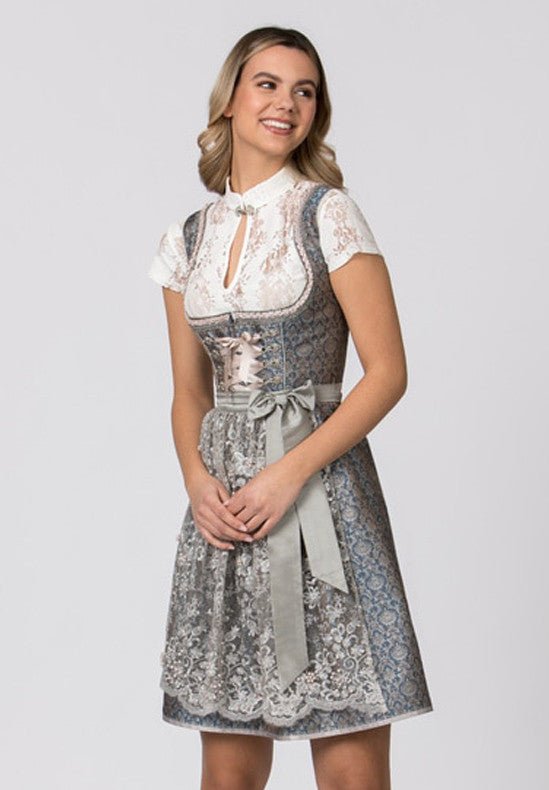
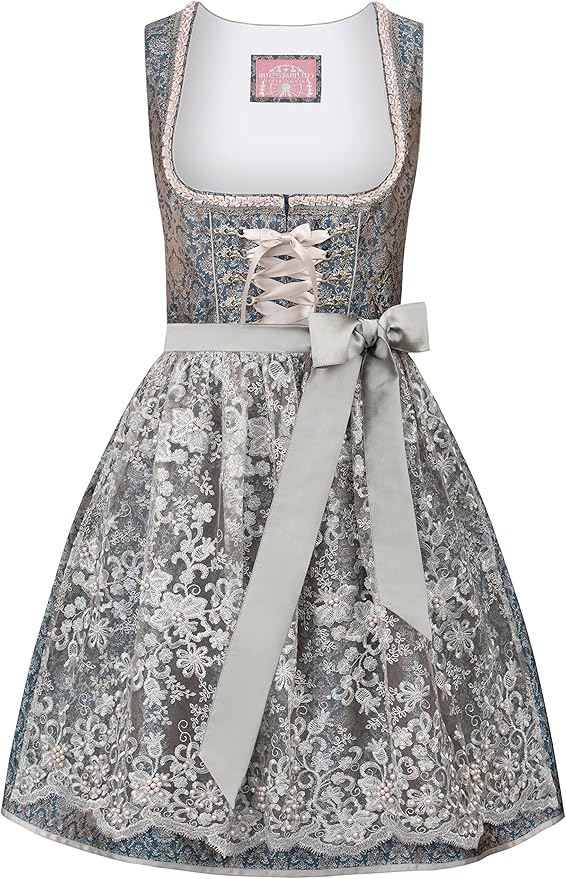
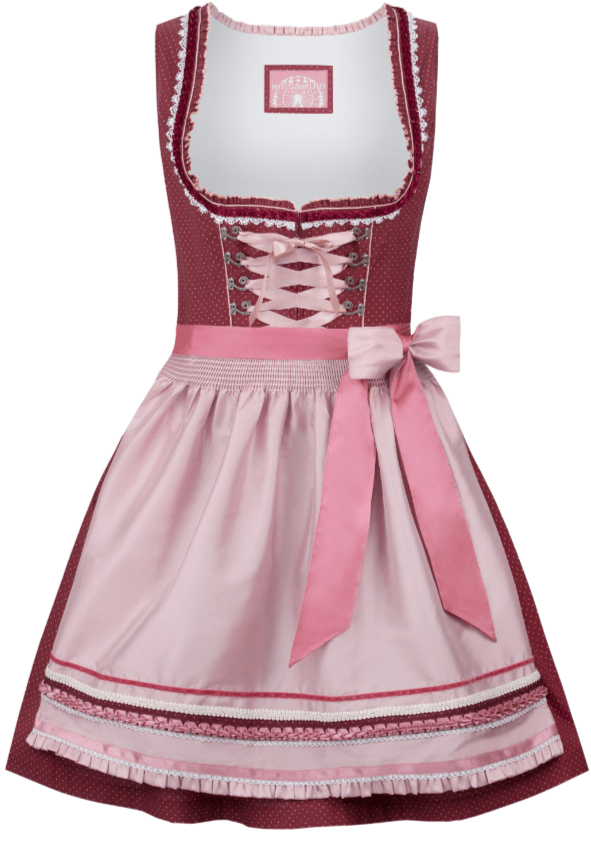

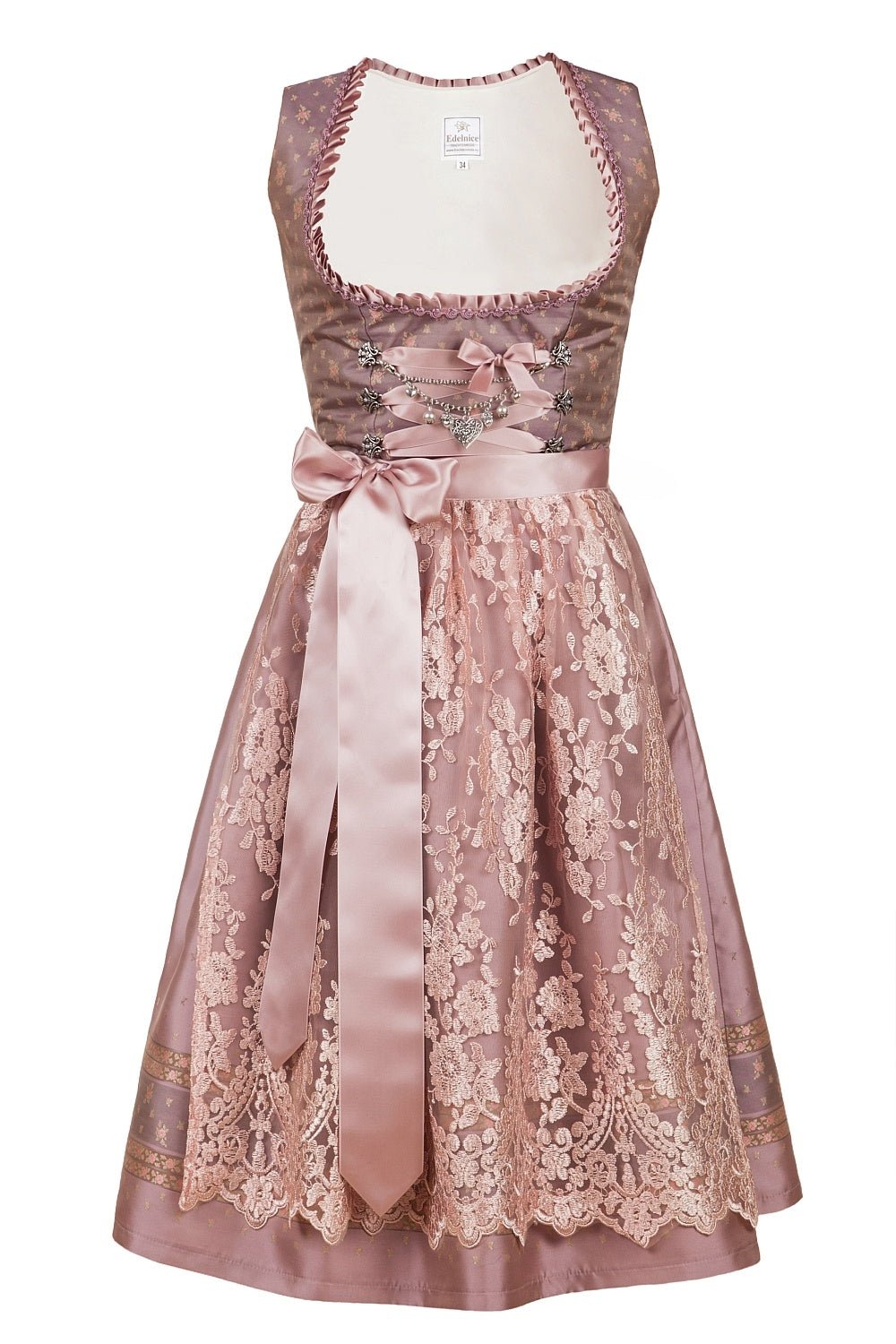
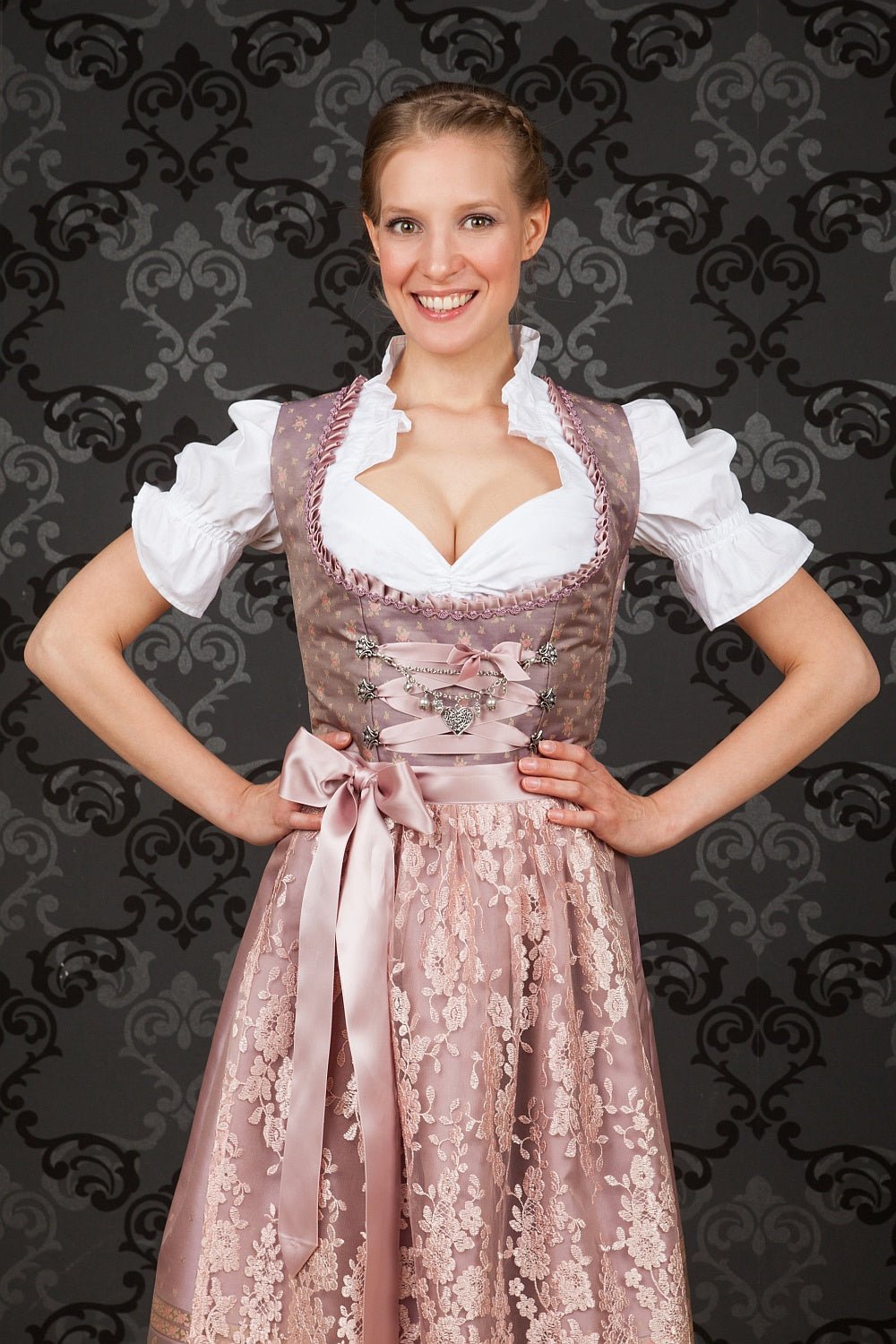
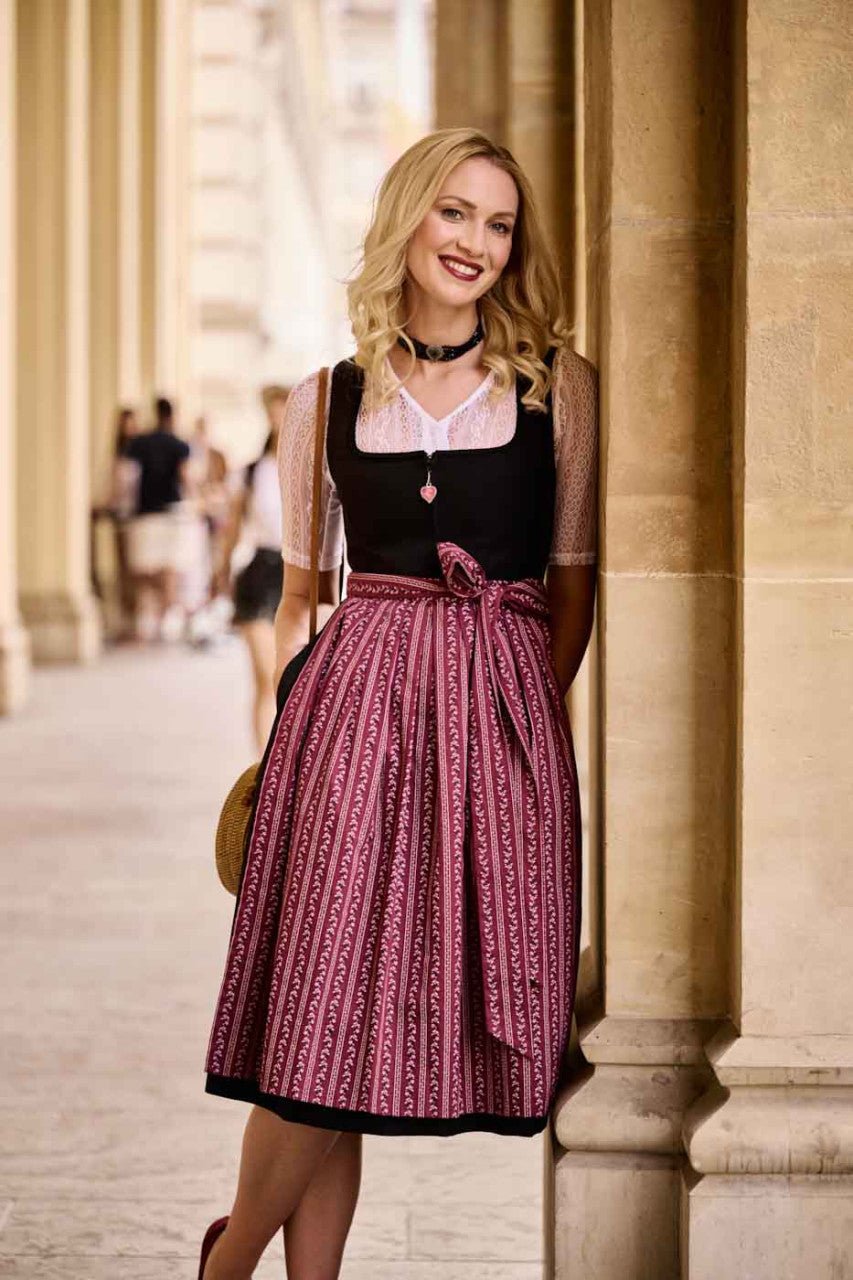
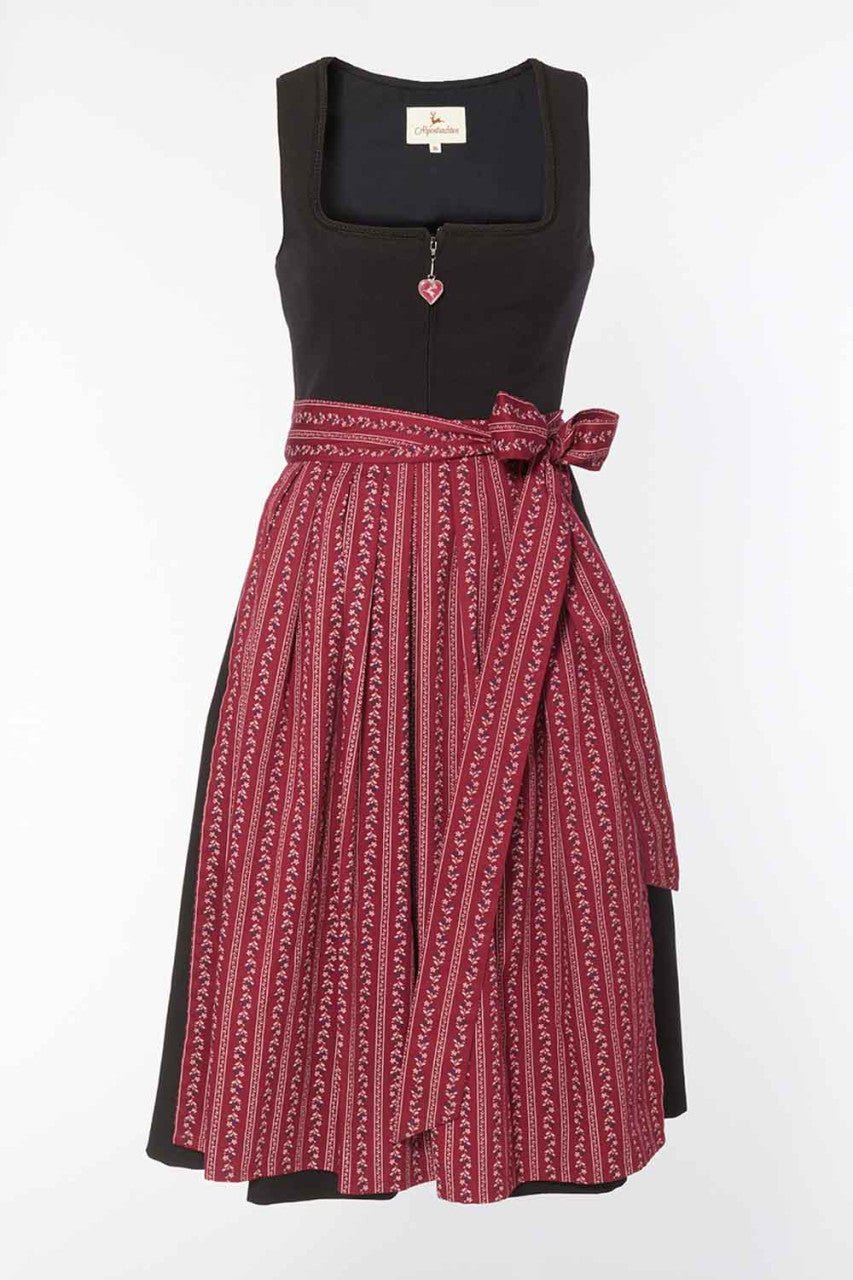
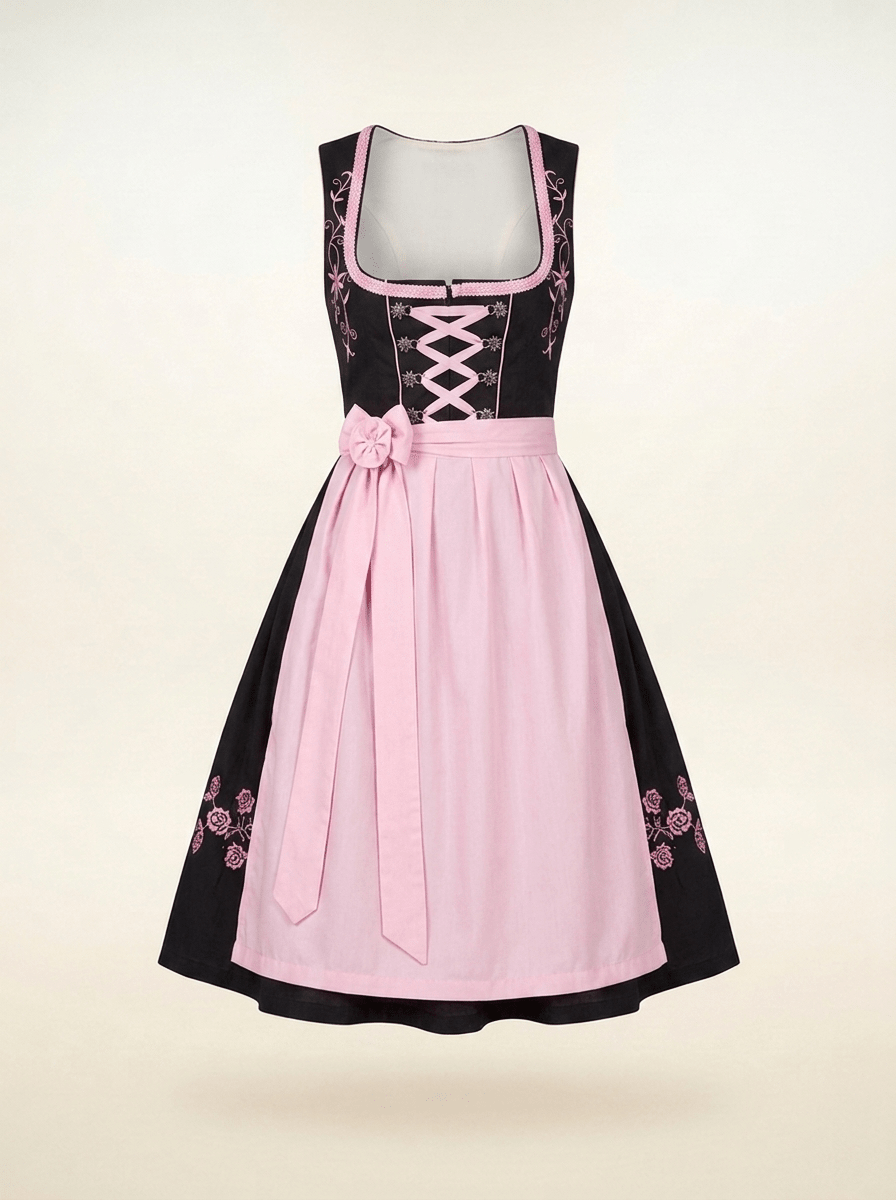

COLORS FOR THE WIESN
The color decides how you stand out.
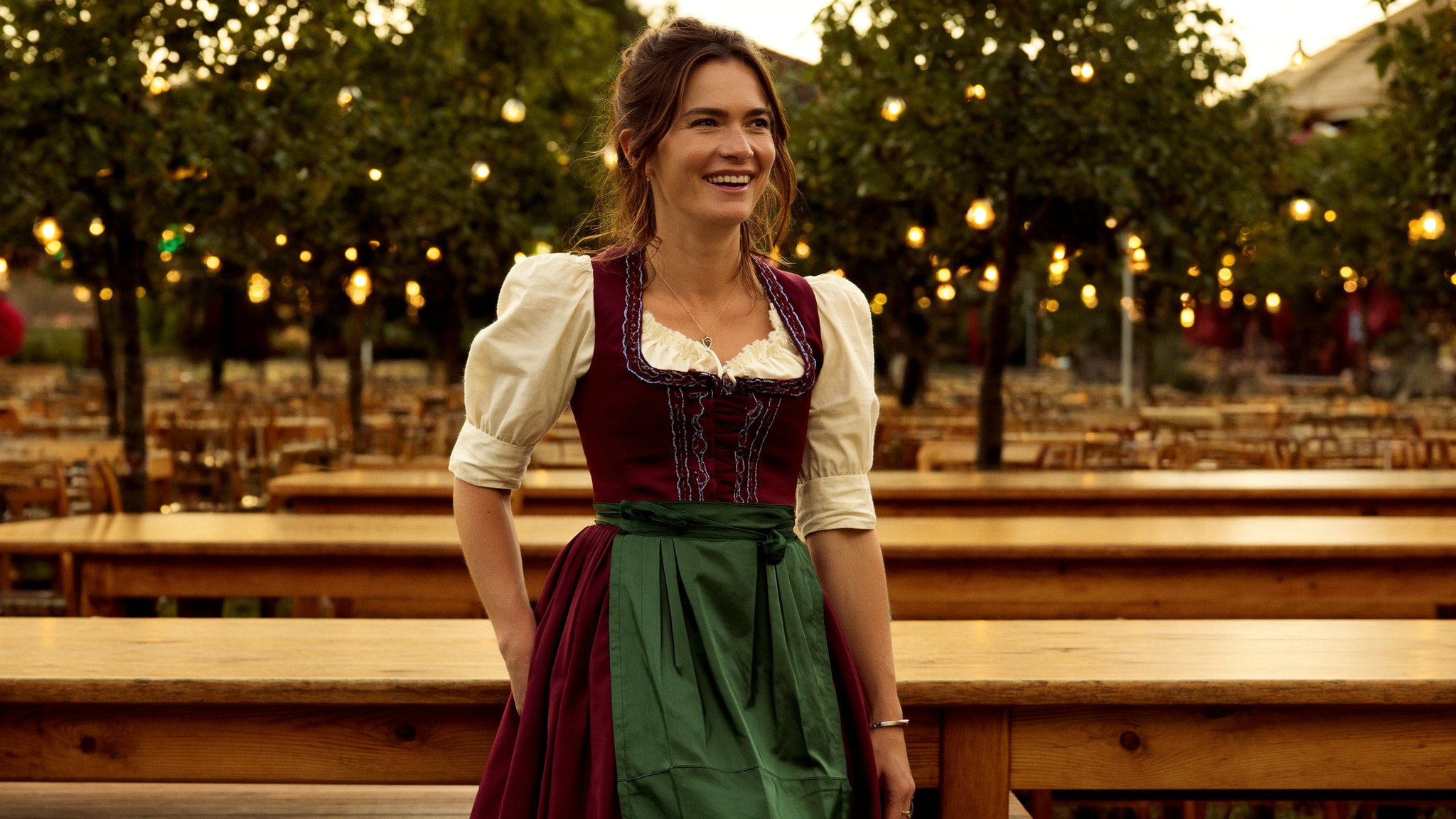
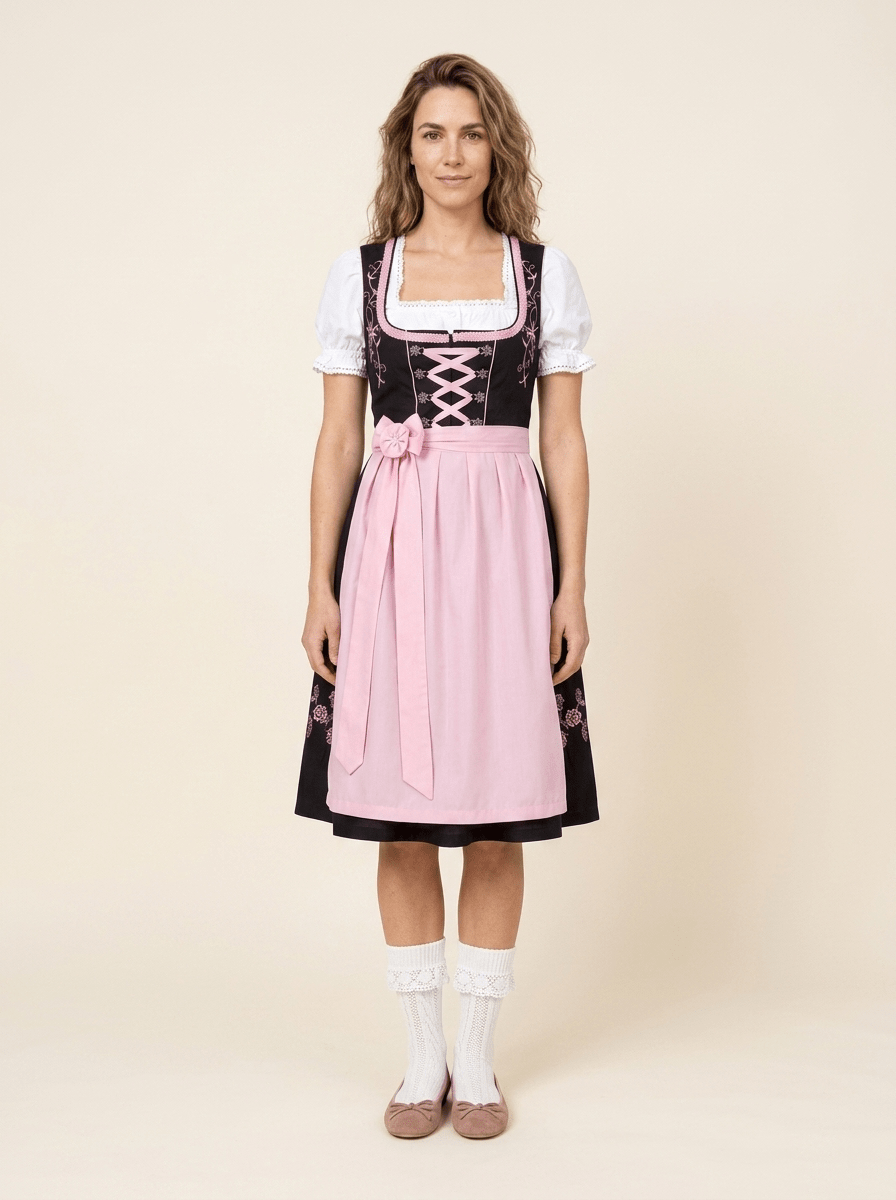
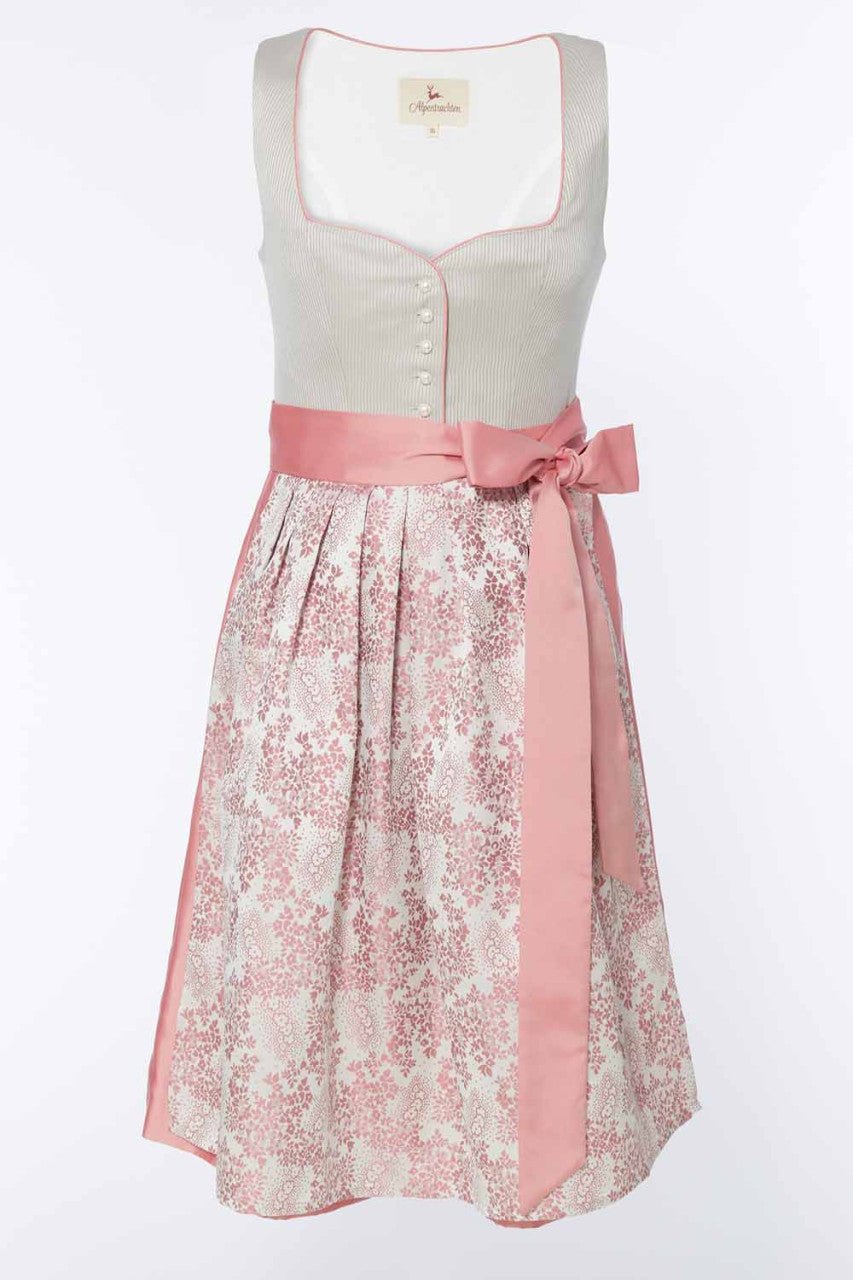
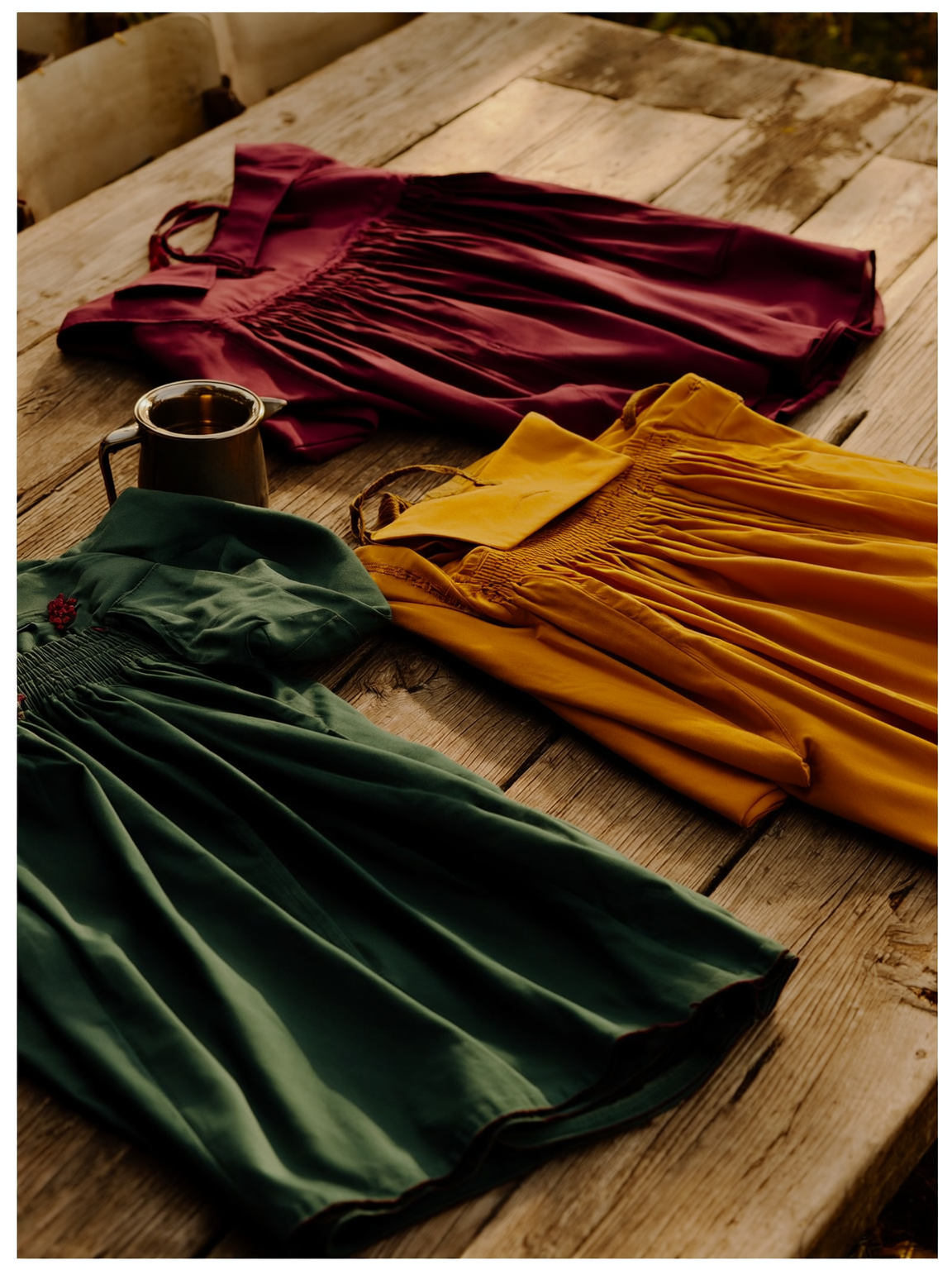
At the Oktoberfest you have much more freedom with color than at a wedding, but not everything that looks good on the hanger works in the beer tent too. The classics stay classic: red, navy, bottle green and wine red are tried and tested Wiesn colors that still look good in photos hours in and never seem to fade quickly.
Bold single colors like emerald, royal blue or teal work especially well if you want to be photographed; they draw attention without being over the top. Less successful are very light pastels (they show stains quickly in the tent) and neon colors (they usually feel out of place in Wiesn photos). A good dirndl in a classic color is the safe choice, and it carries you through not just one, but many Wiesn.
HIGHLIGHT I
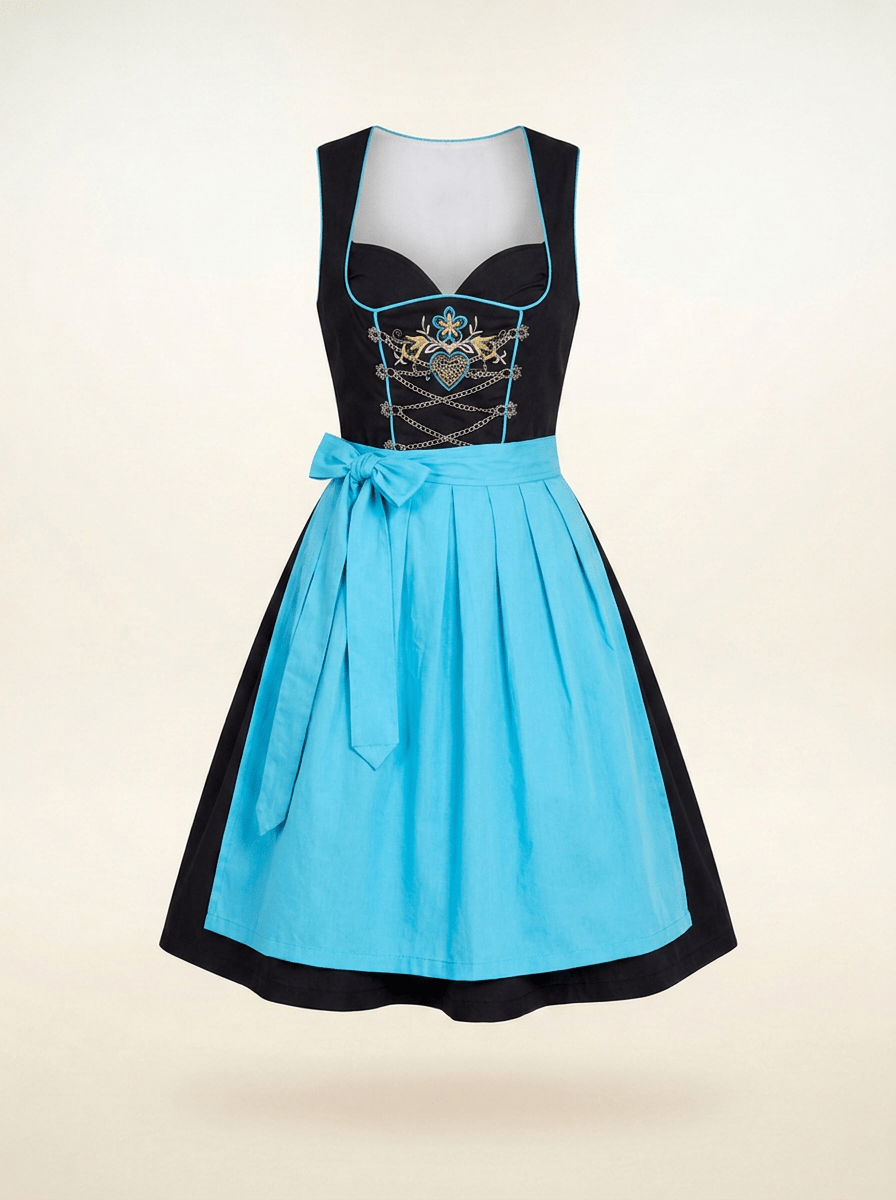
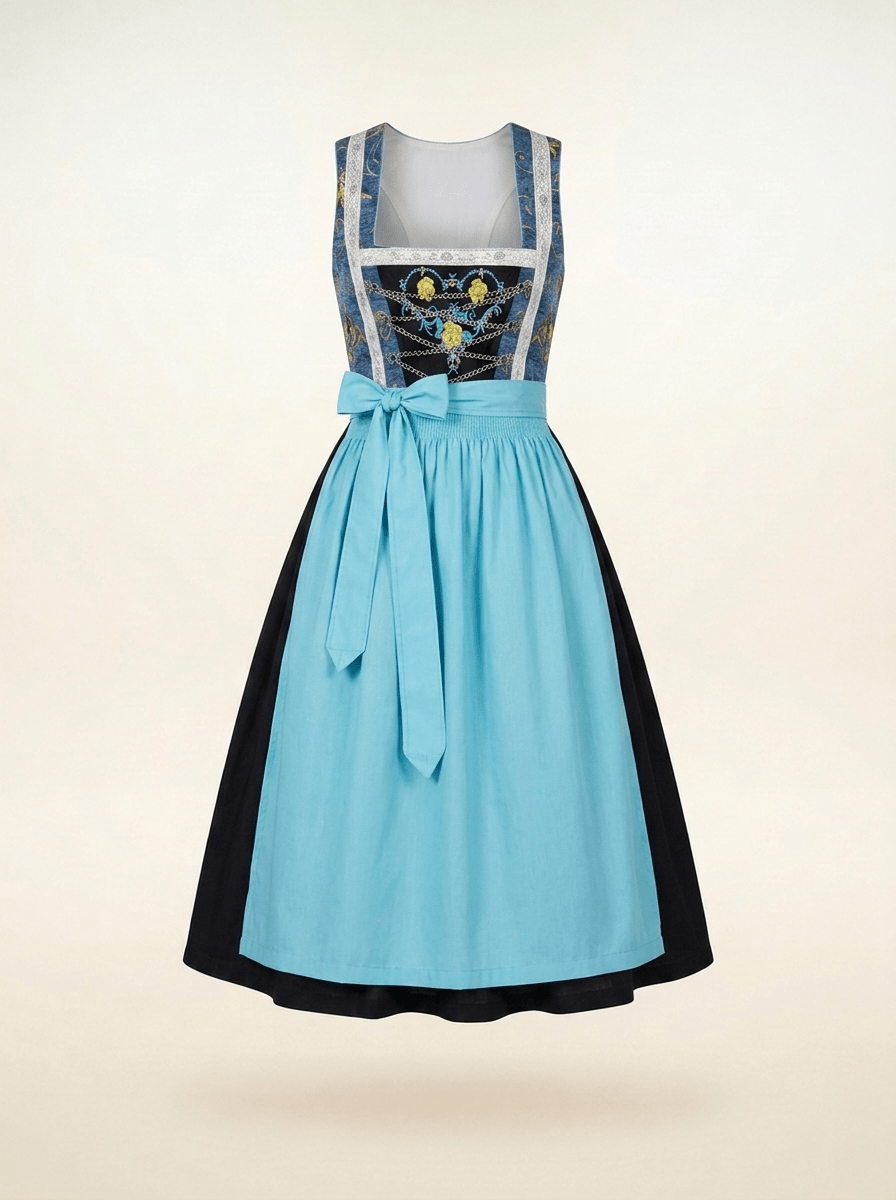
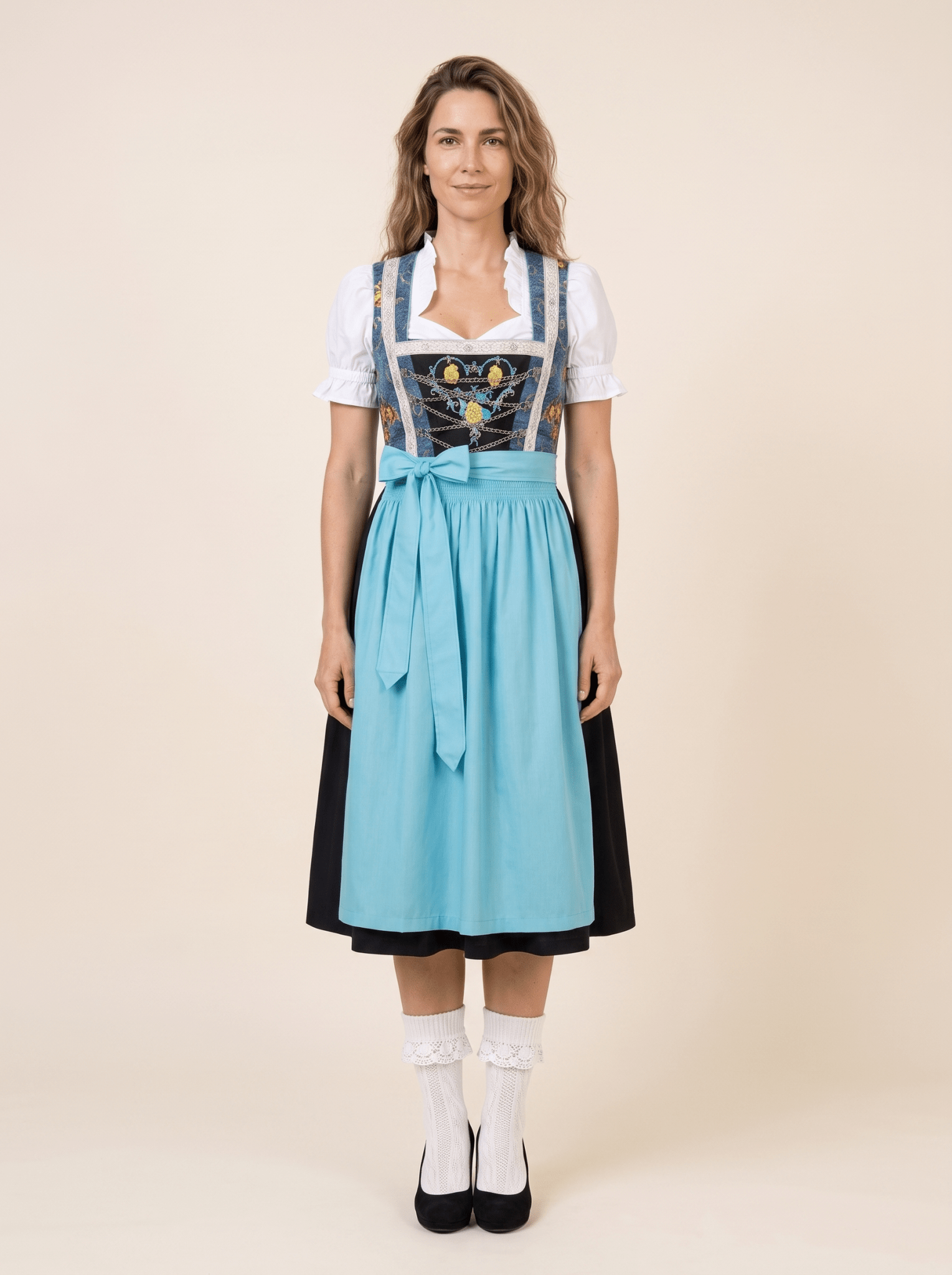
Dirndl Alina
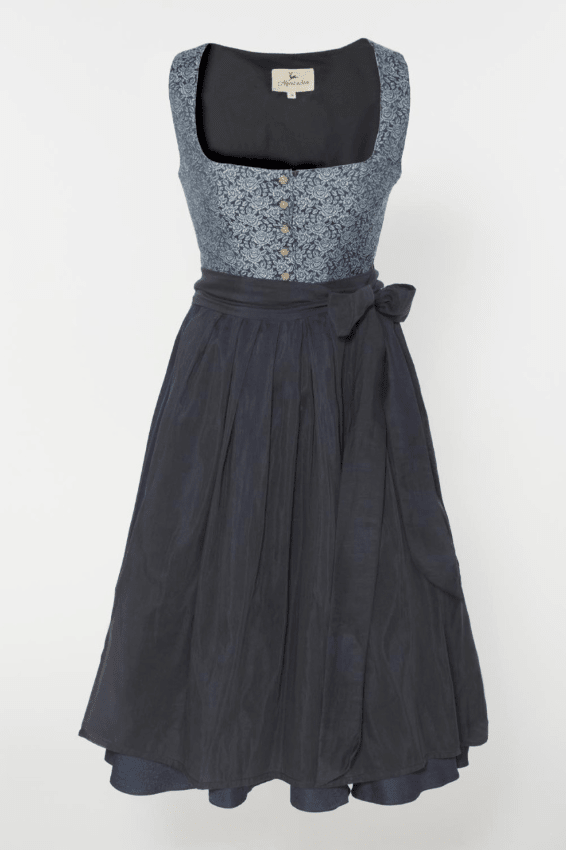
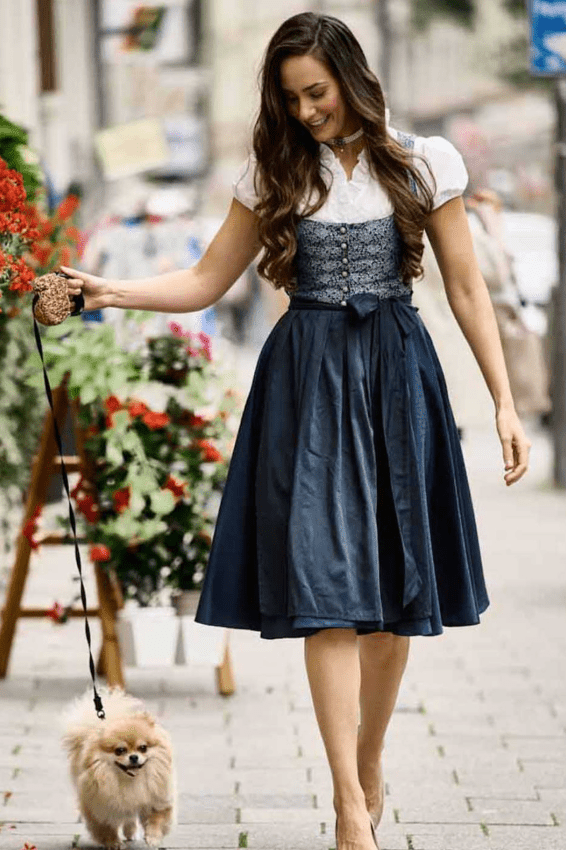
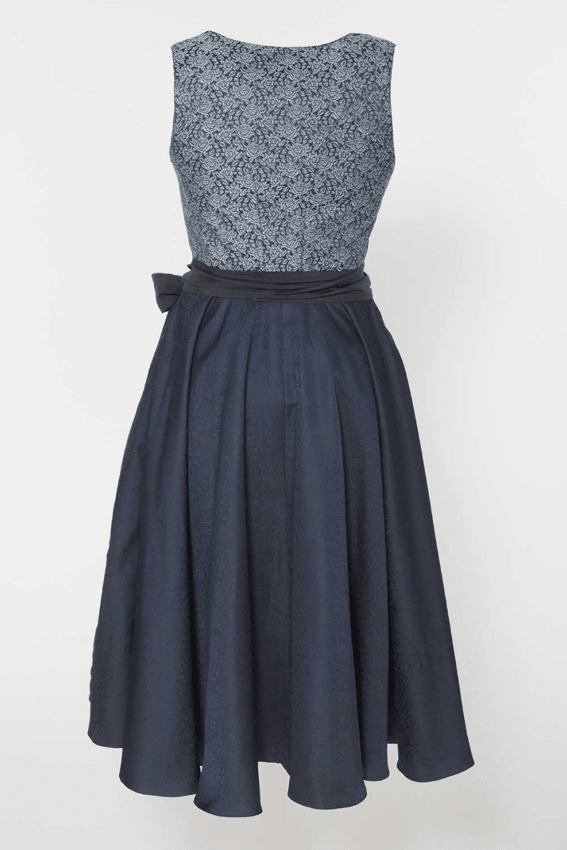
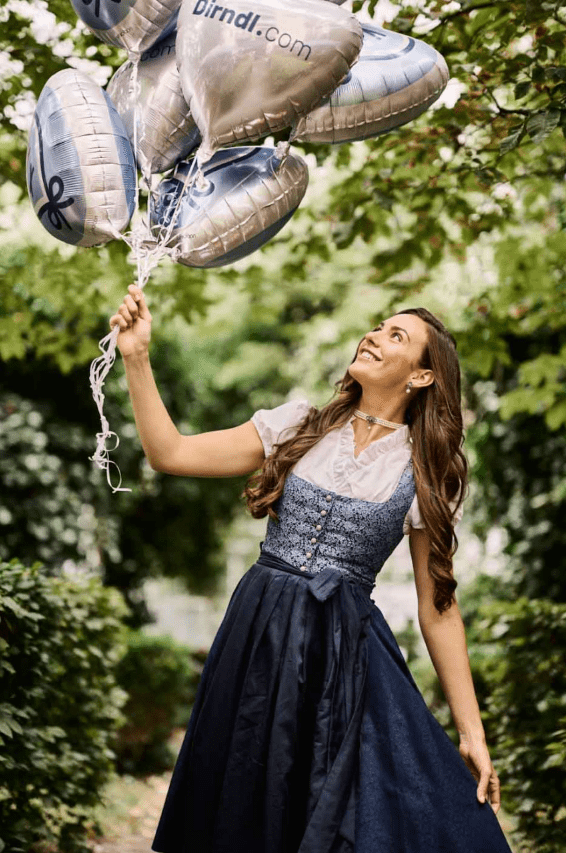
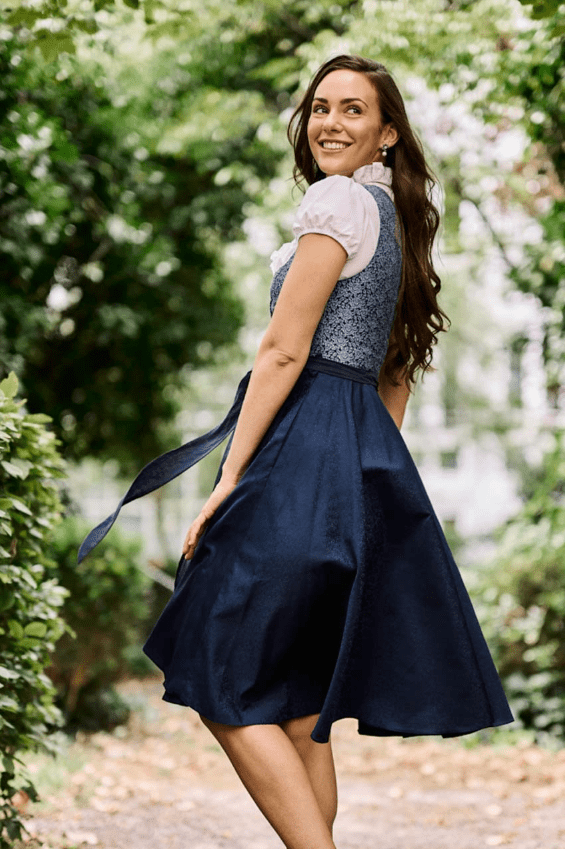
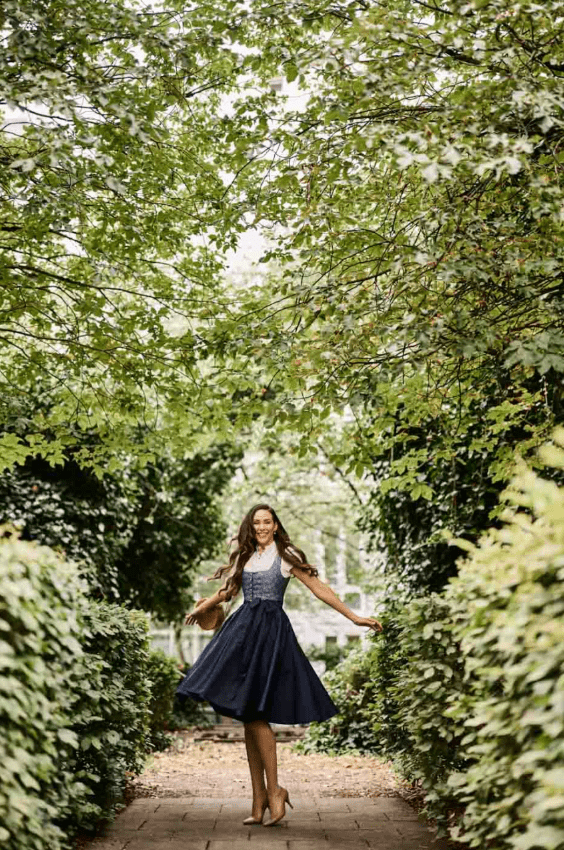
Our premium classic for the Wiesn. Midi length, bold colors, expert craftsmanship. The dirndl you will still be wearing in five years, and one that strikes the right tone in every Oktoberfest photo.
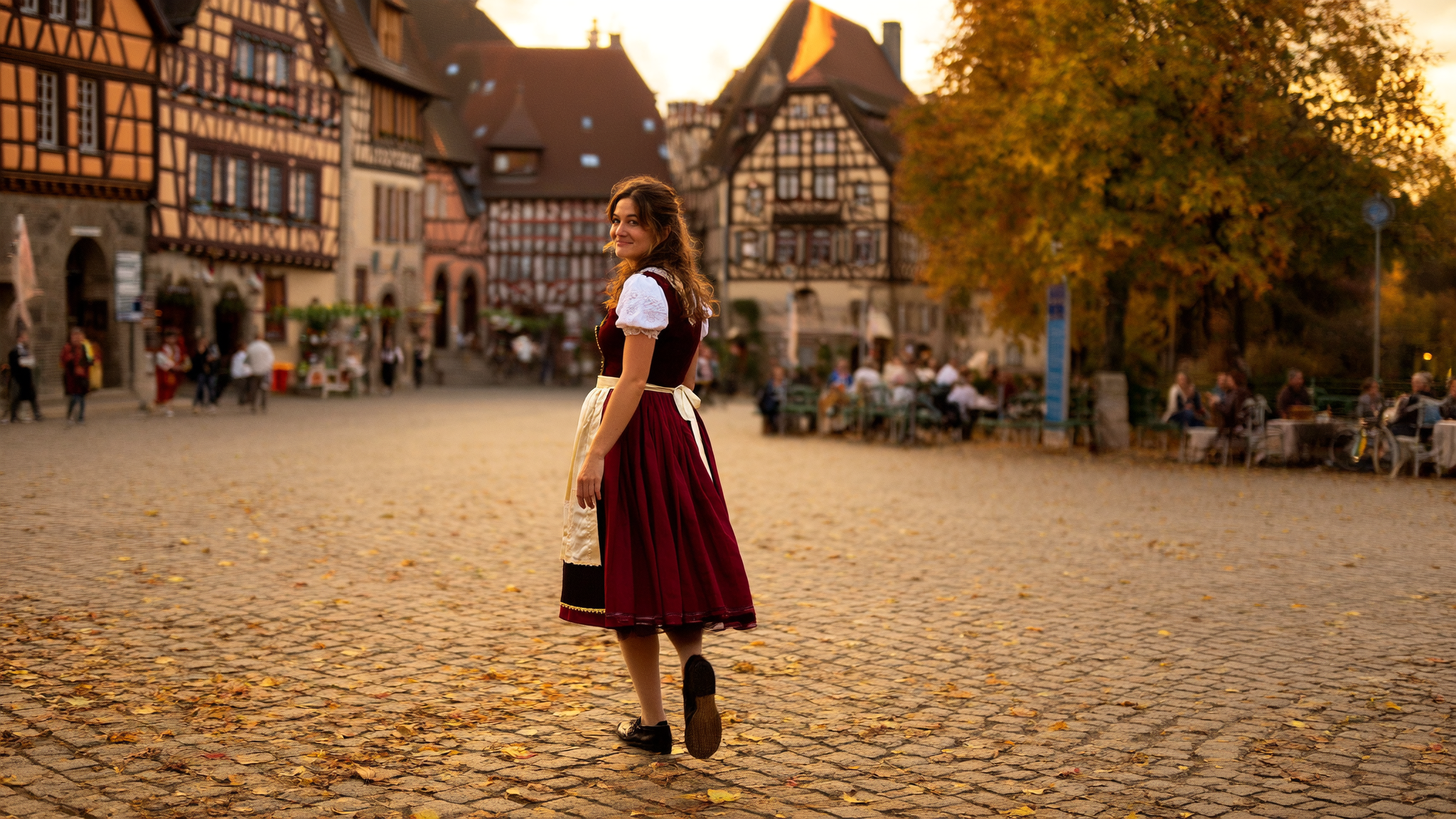
FROM THE WIESN TO THE CHURCH FAIR
One dirndl. A whole season.
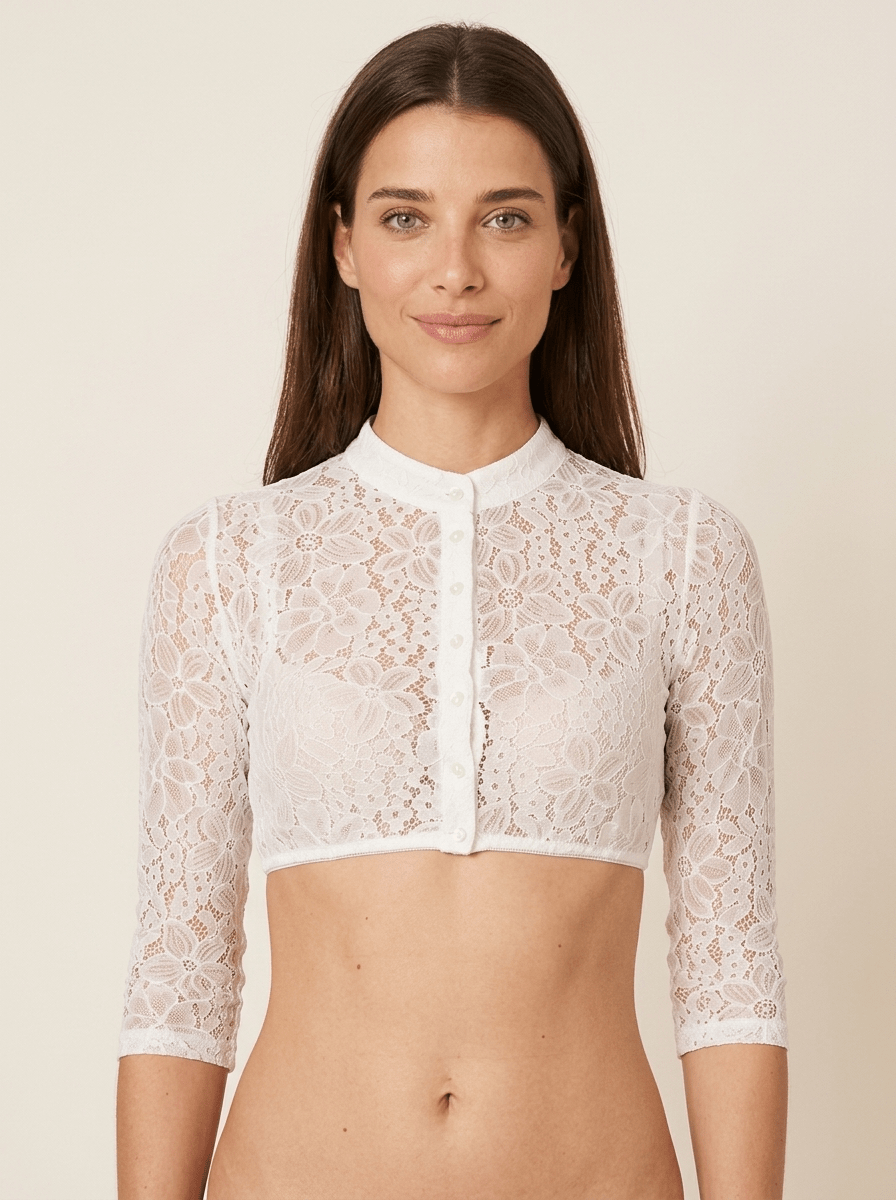
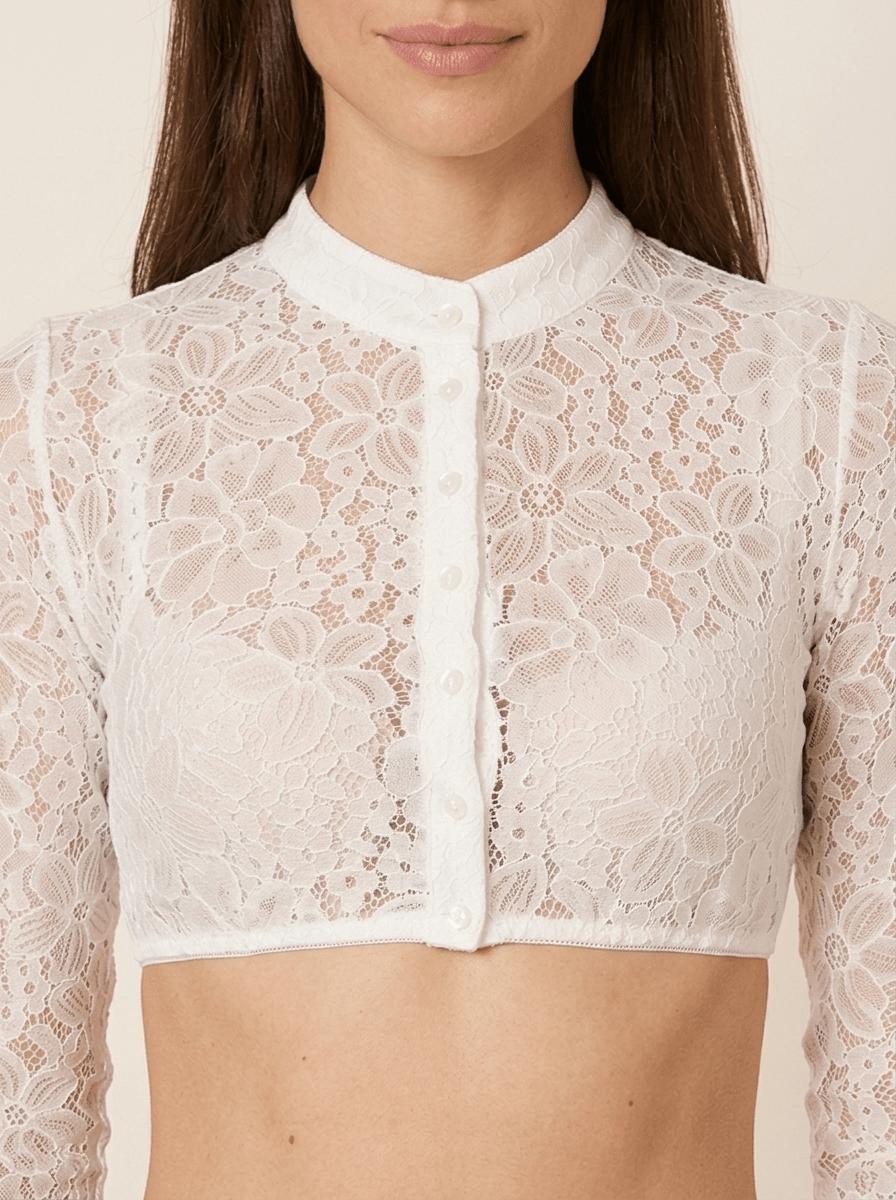
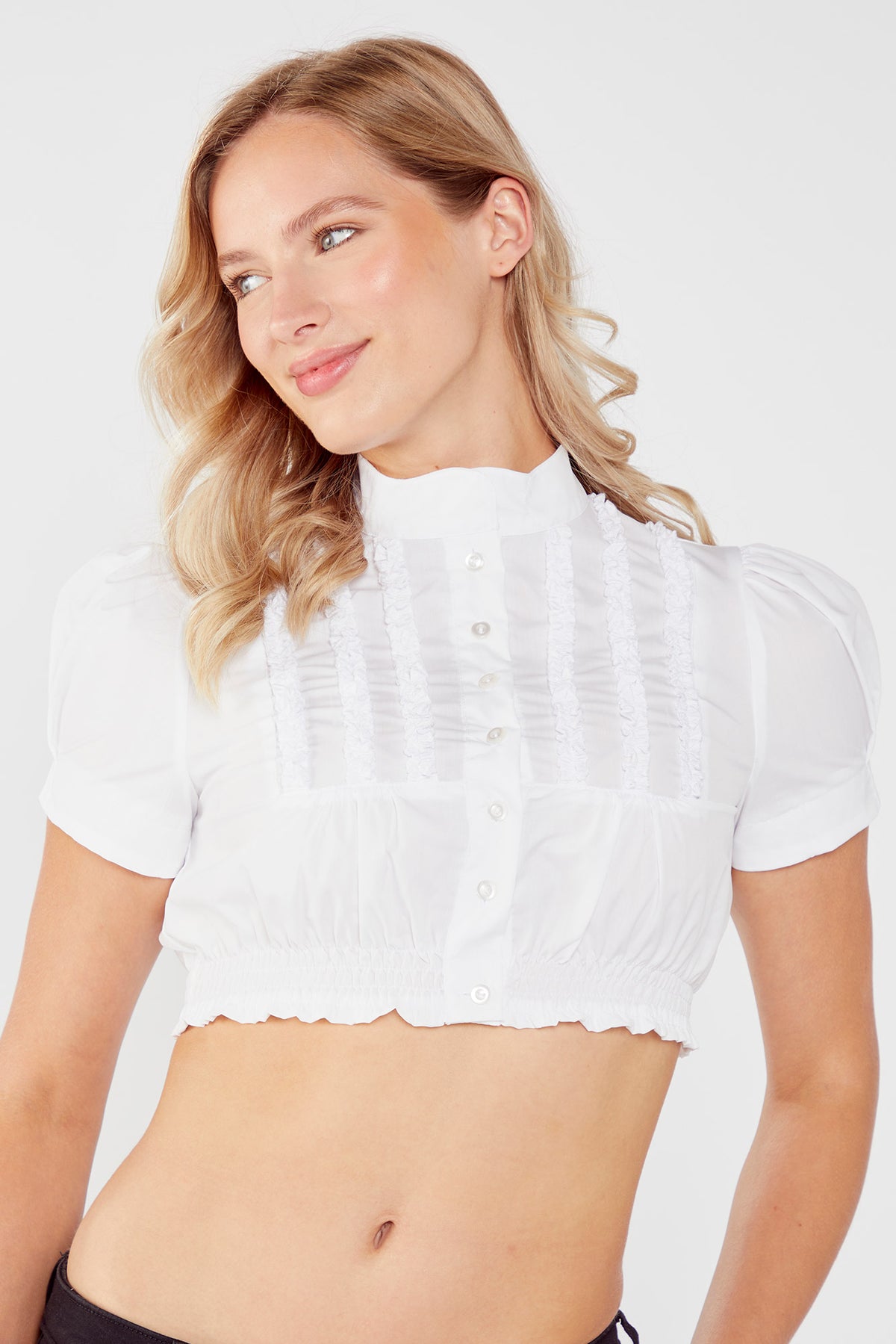
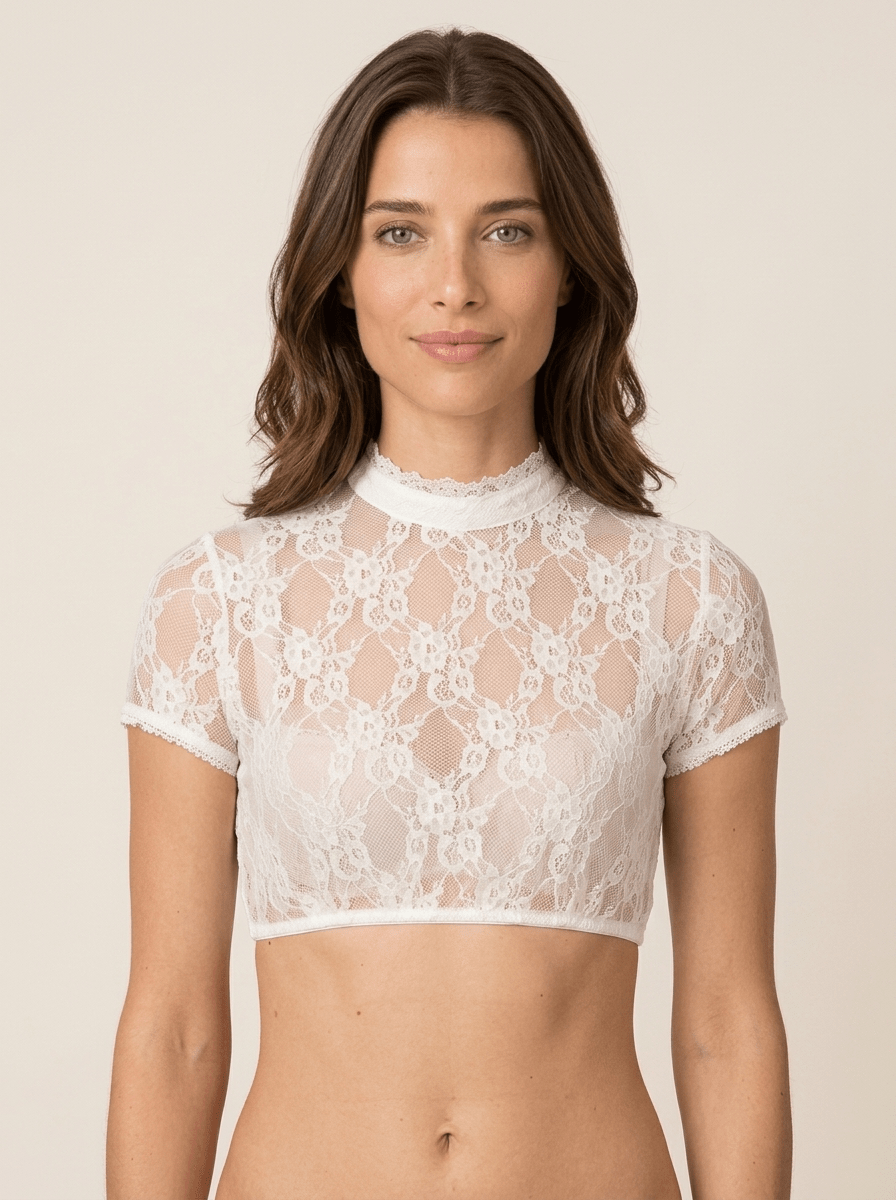
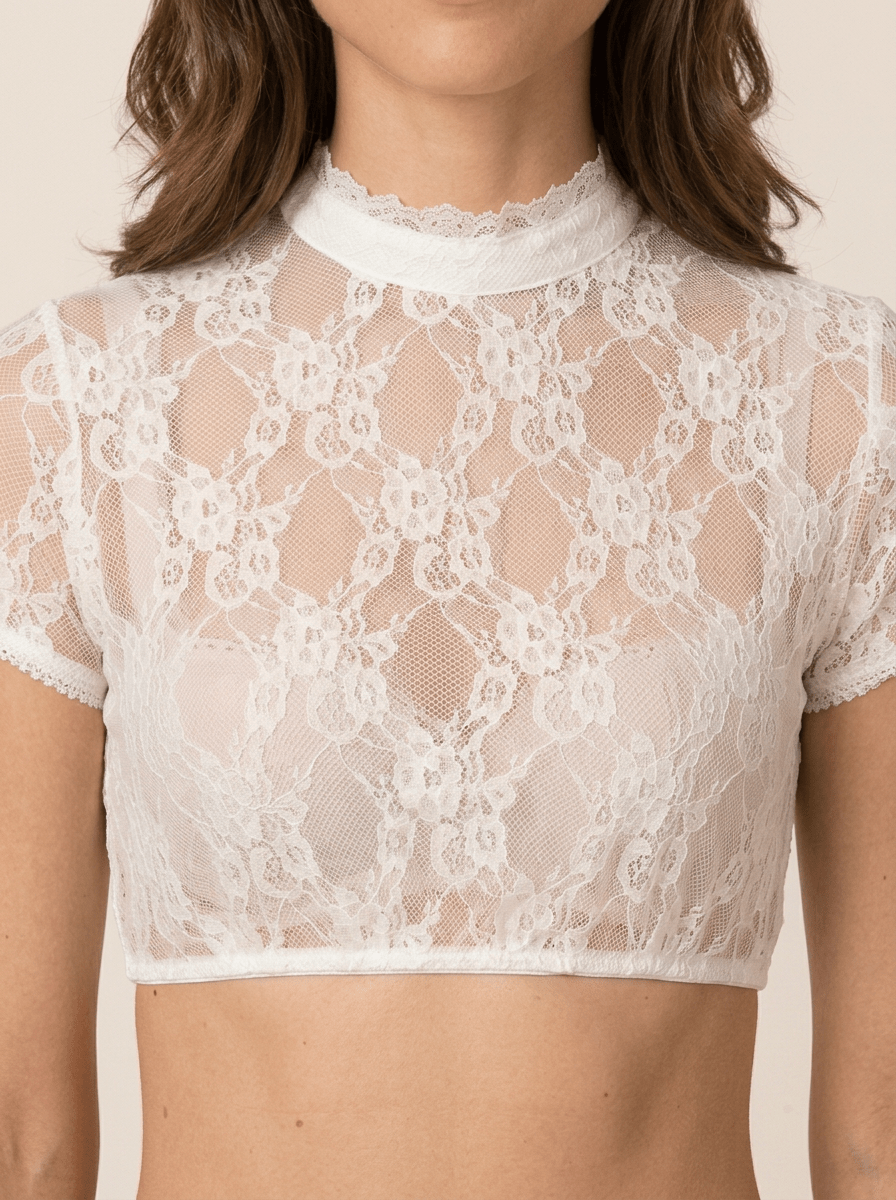
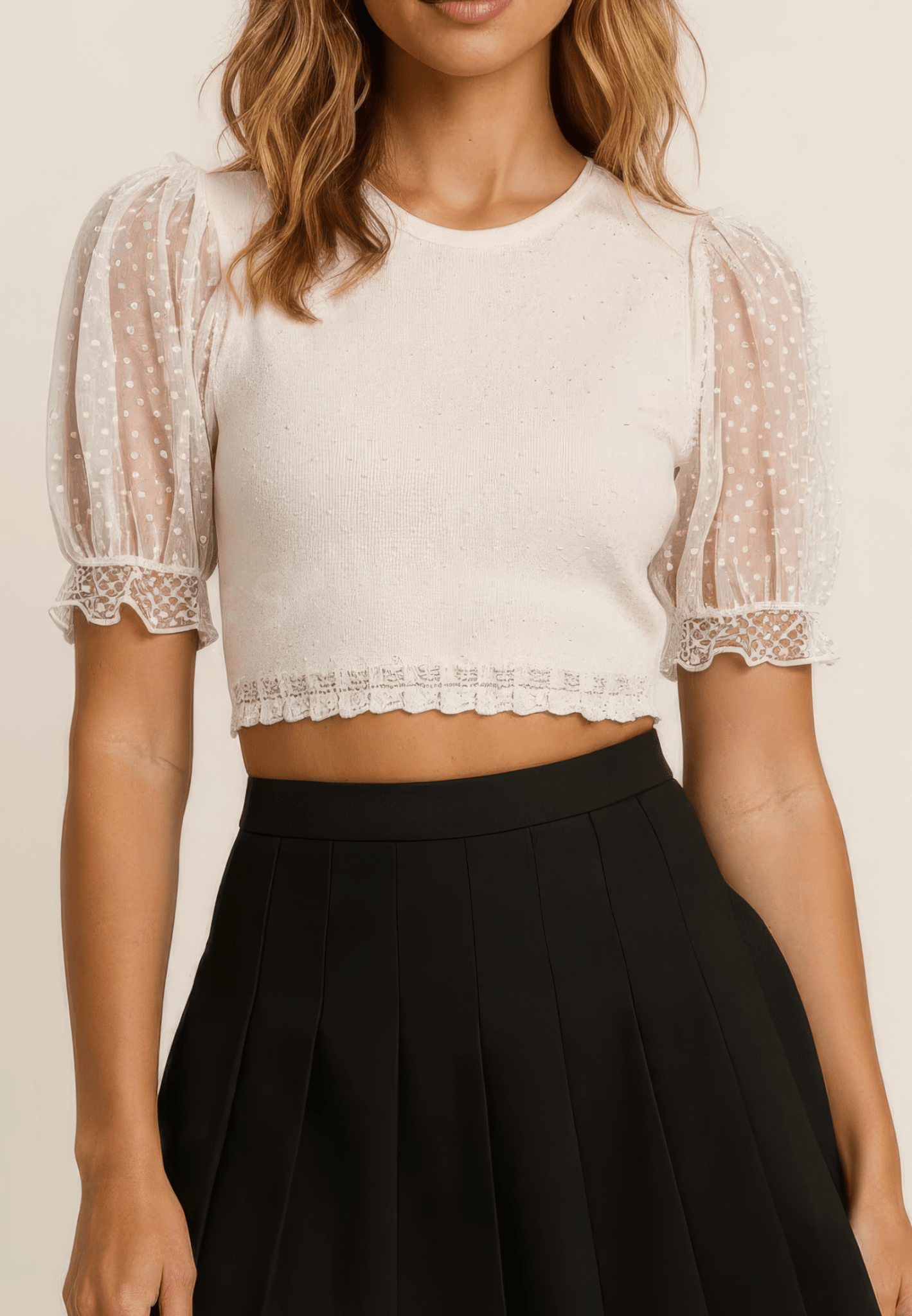
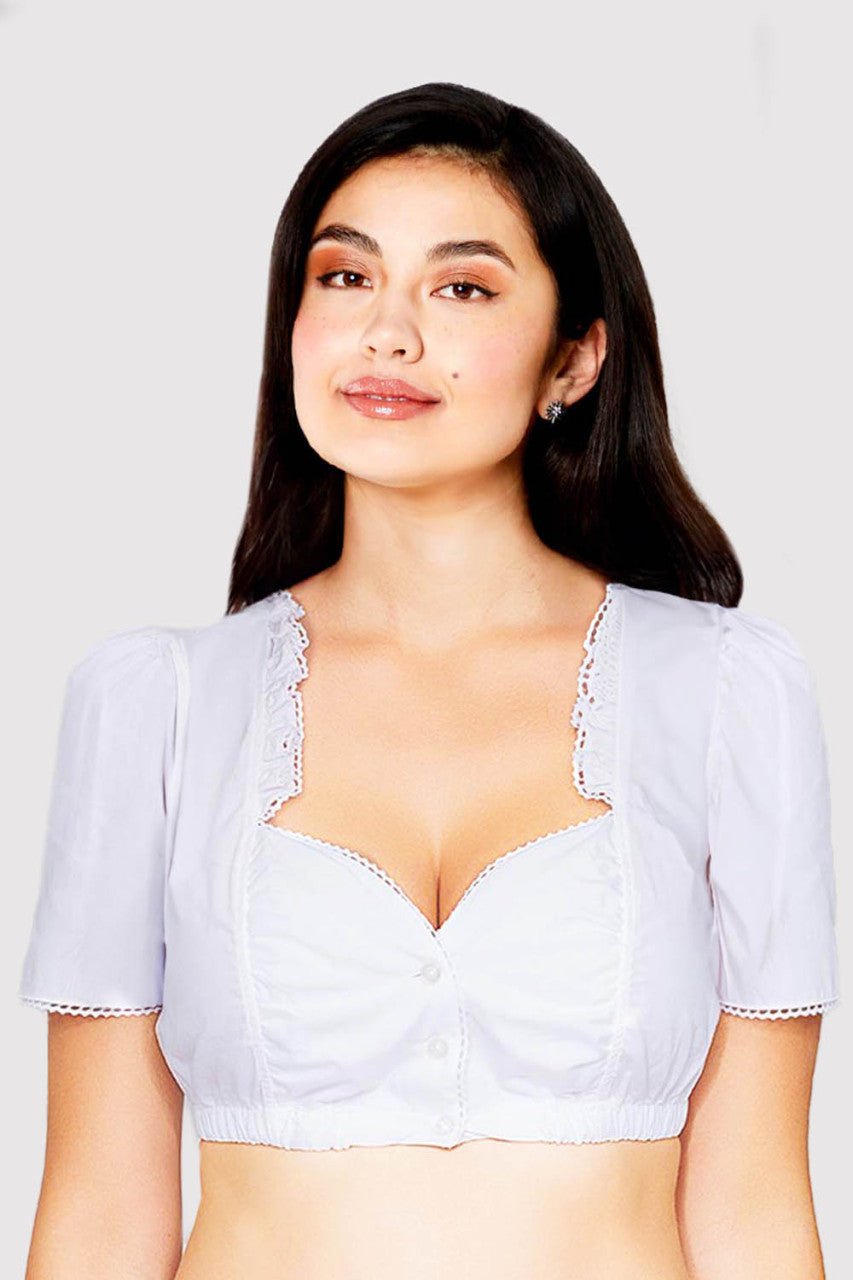
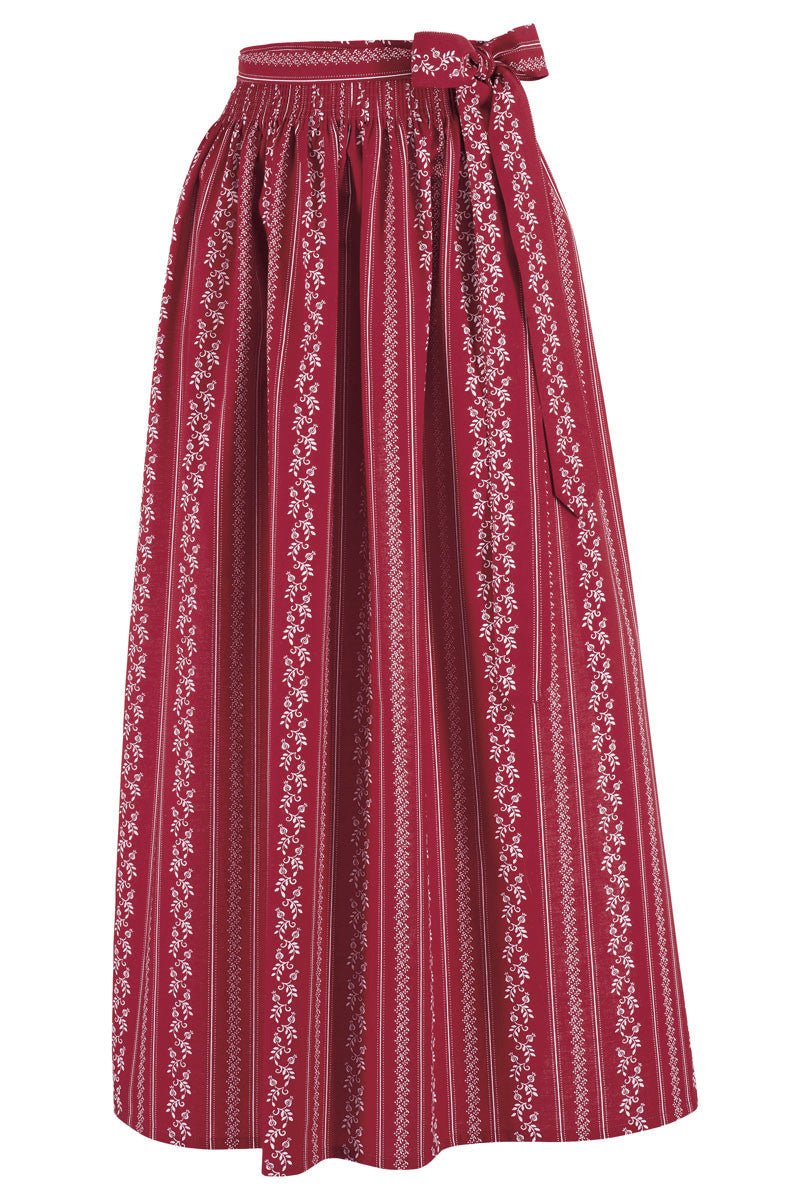
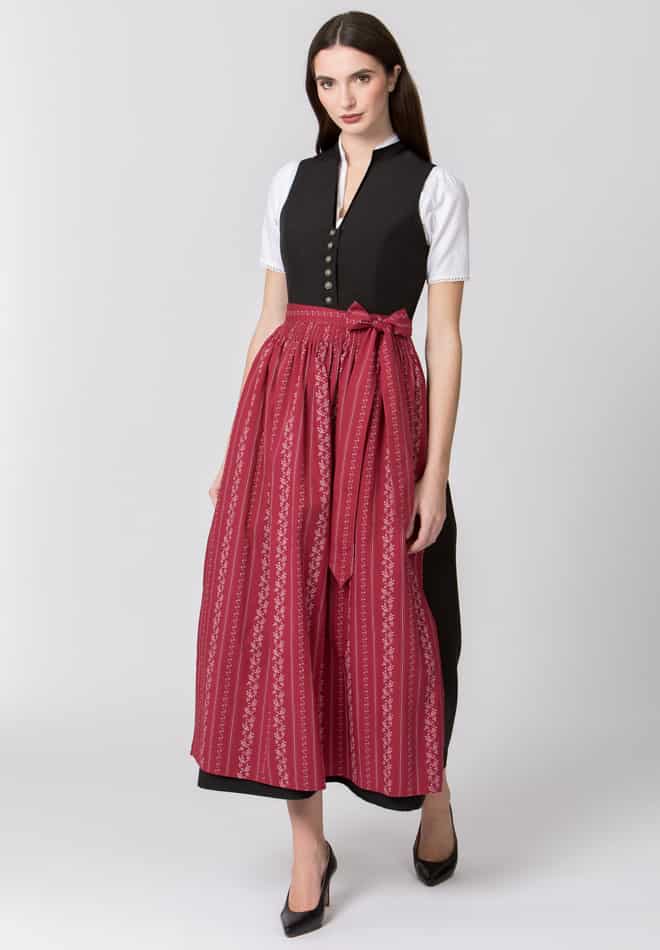
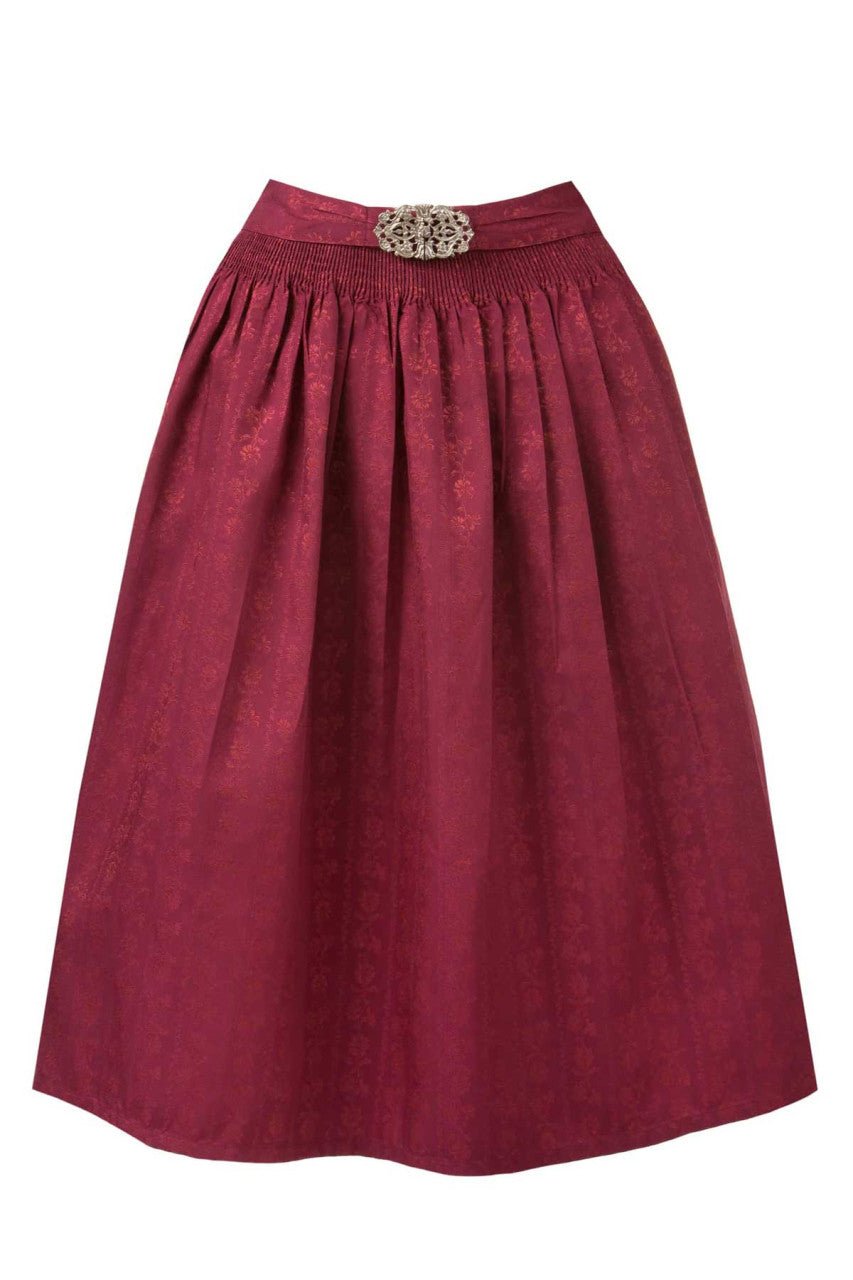
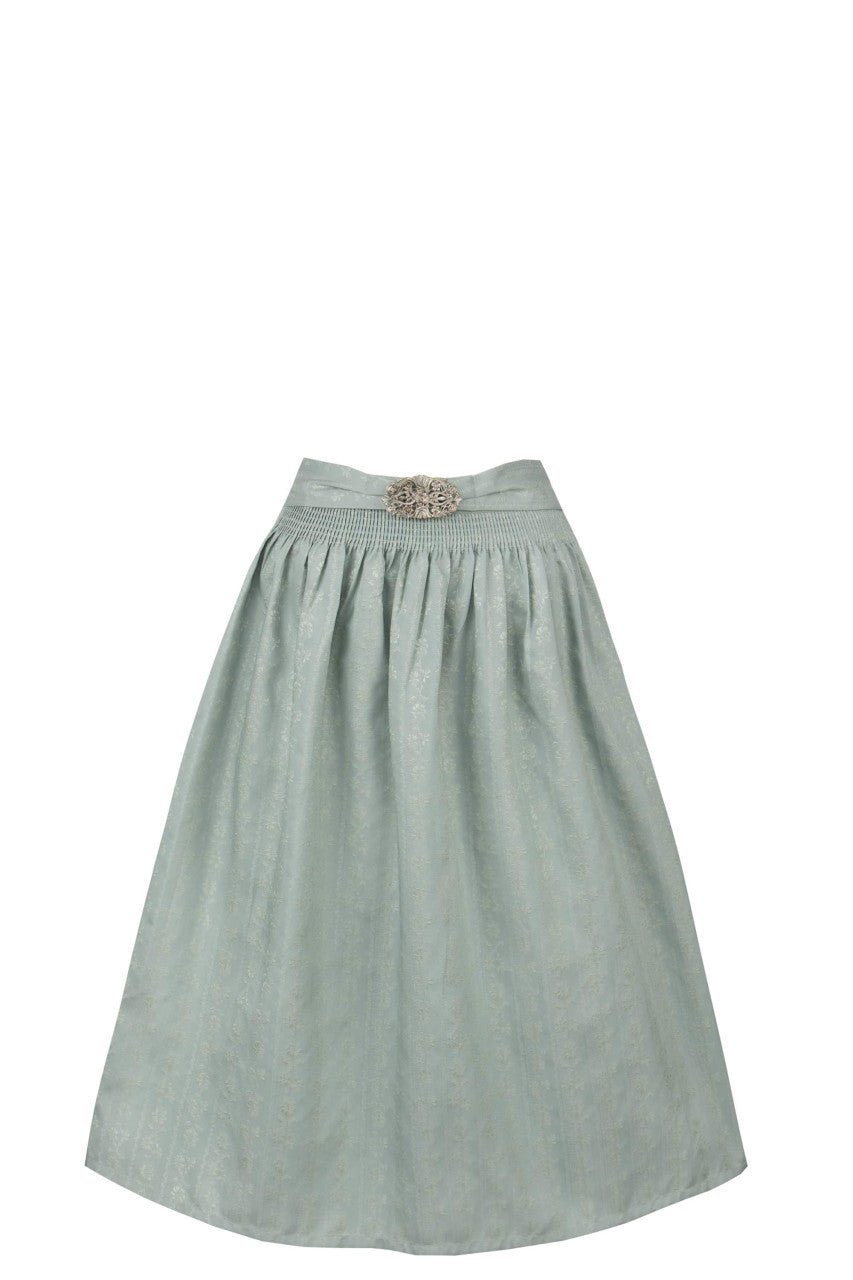
With a different apron and a different blouse, your Wiesn dirndl becomes the outfit for a church fair, a folk festival or a Trachten wedding. A good piece pays off over the years.
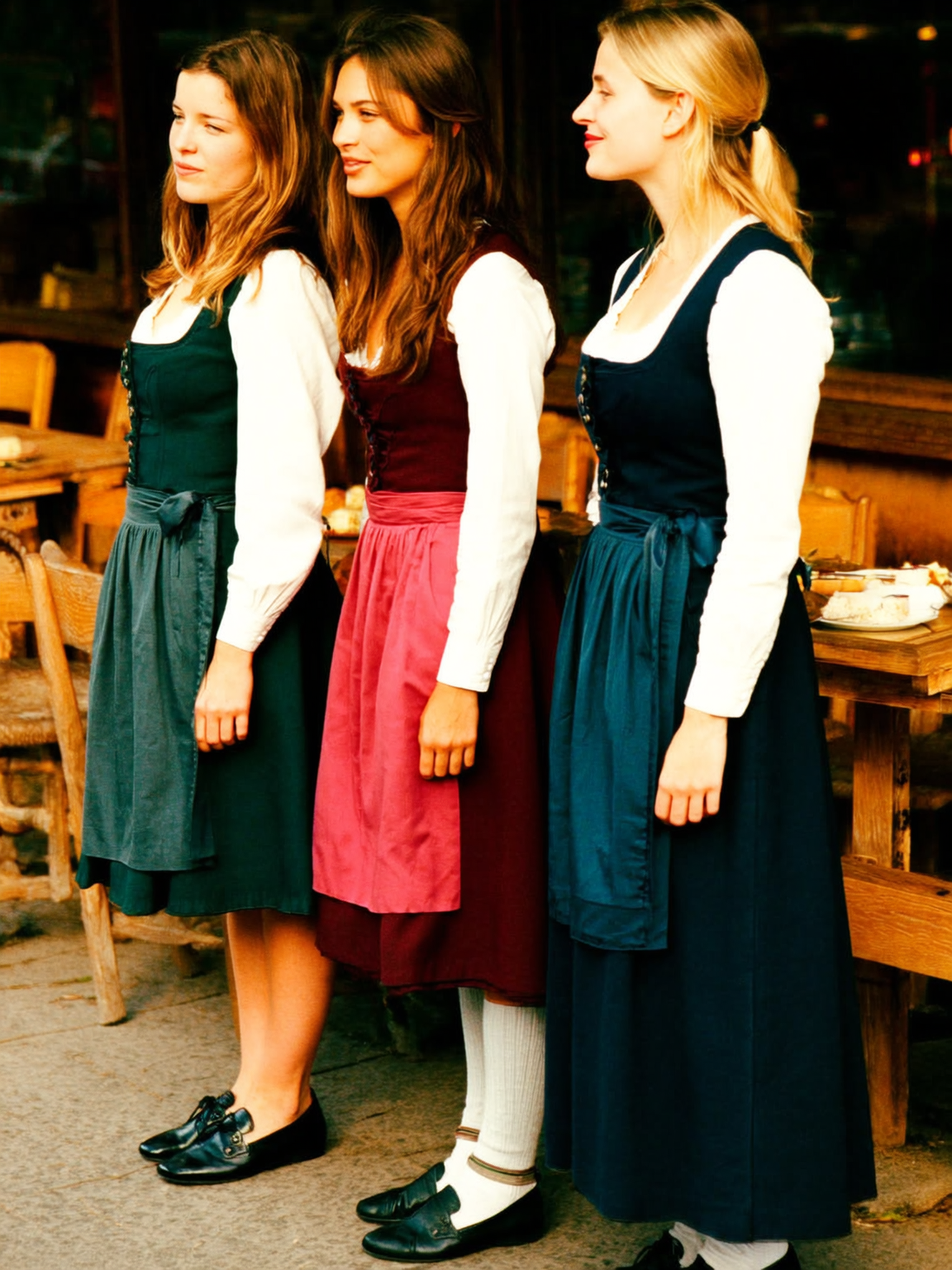
MIDI, SHORT OR MINI
Which length survives a Wiesn day?
At the Oktoberfest, the midi dirndl at 65 to 75 centimeters is the most popular length, and for good reason. It is festive enough for the evening, practical enough for a full day, and it works on the tent benches without any stress. If this is your first time wearing a dirndl at the Wiesn, midi is the safest choice.
Mini dirndls at 50 to 55 centimeters have become more popular in recent years, especially among younger visitors. They look youthful and summery, but they have one drawback: on the beer benches, you get exposed quickly. Long dirndls from 80 centimeters are fairly rare at the Wiesn and quickly look overly staged in the tent. Our recommendation: midi, and in a quality that still fits at the end of a long Wiesn evening as well as it did in the morning.
HIGHLIGHT II
Dirndl Amber


The starting point where you cannot go wrong. Cleanly made, classically cut, fairly priced. For anyone looking for a first good Wiesn dirndl, or a second one for the Trachten wedding weekend.
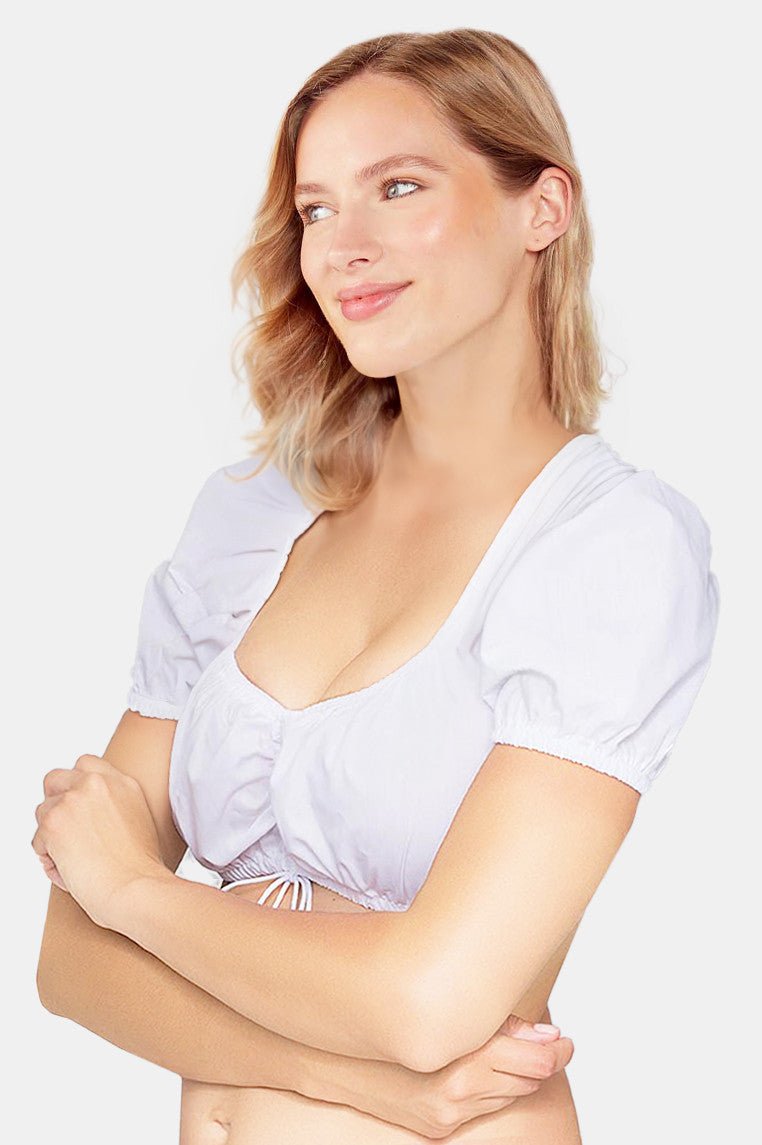
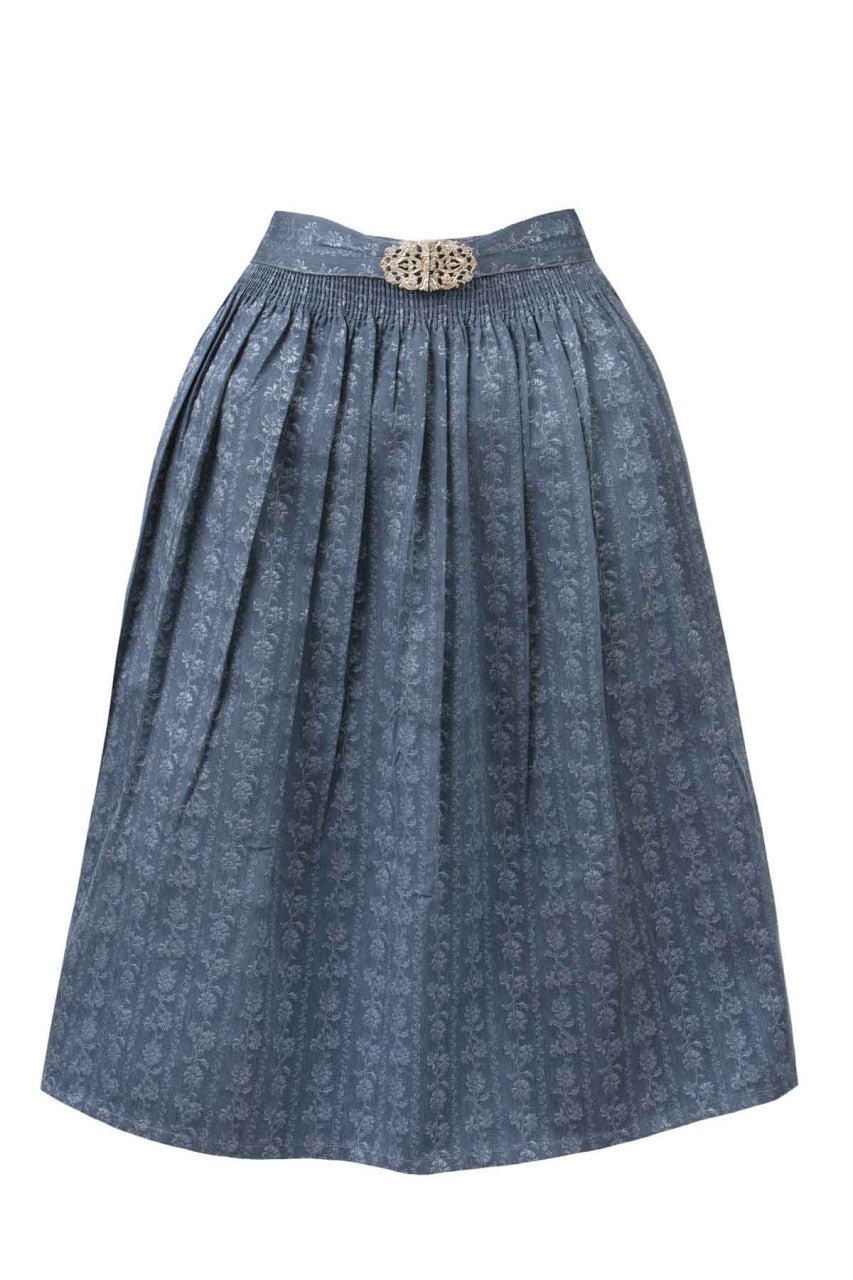
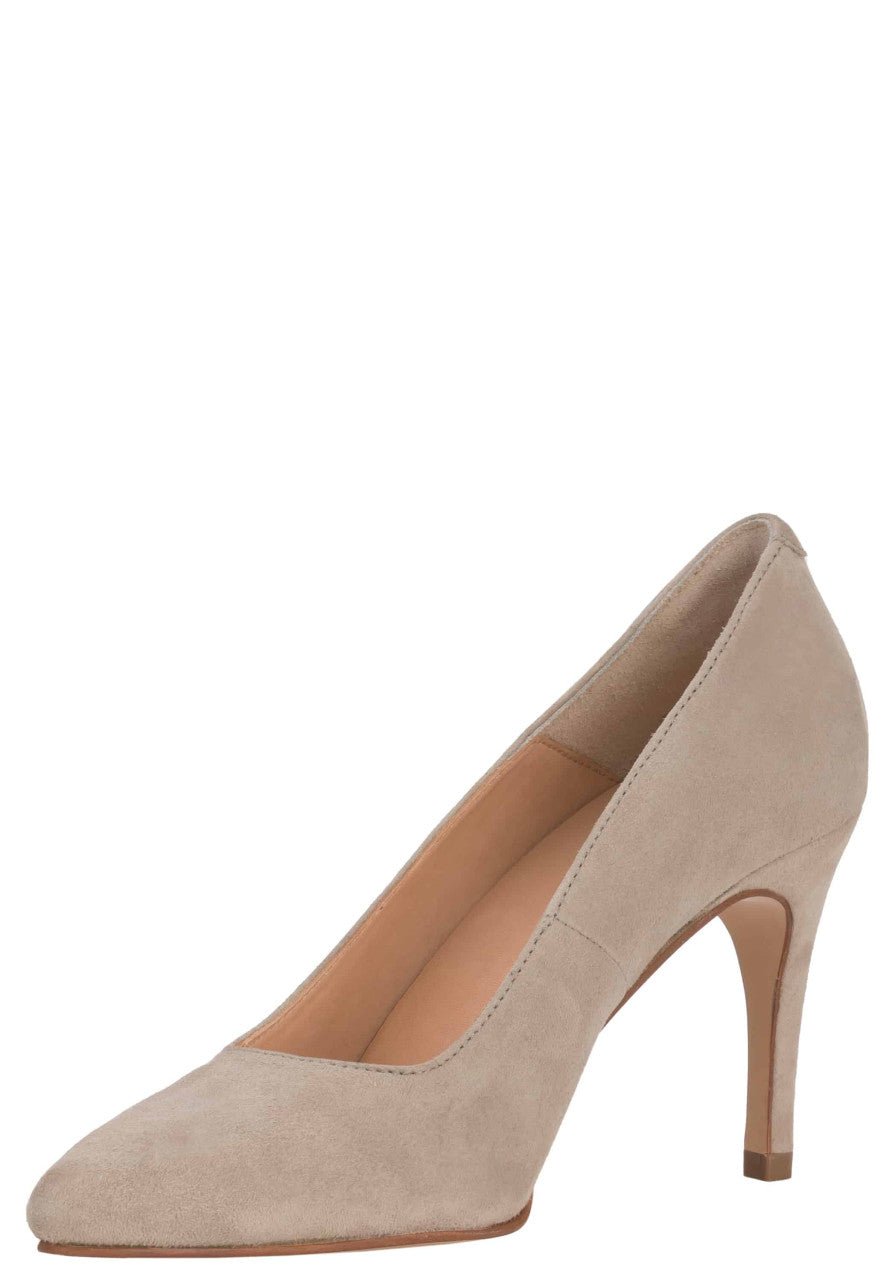
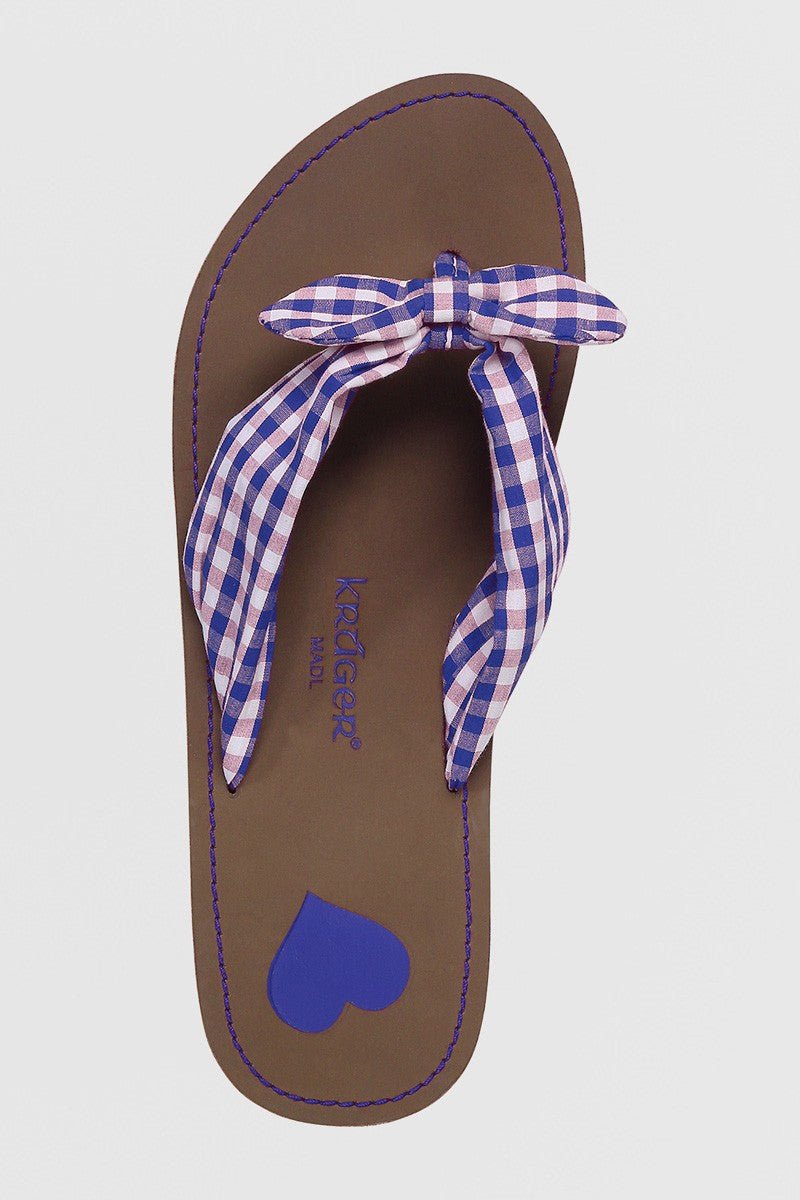
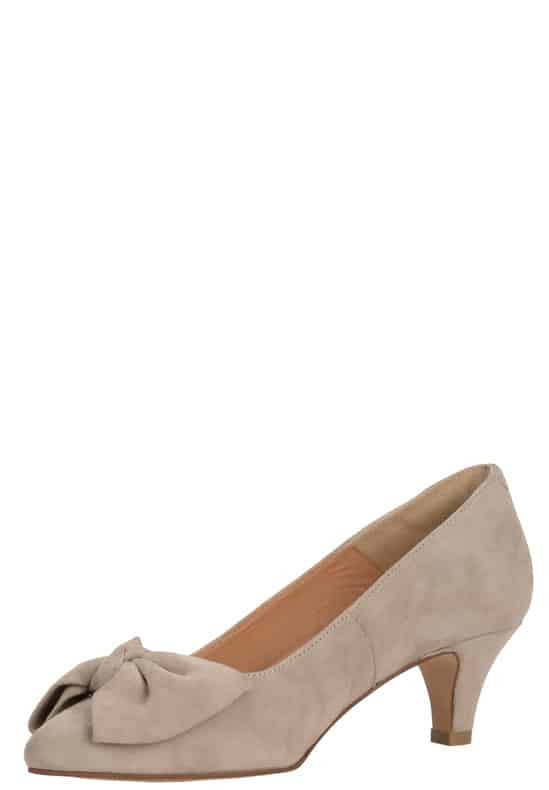
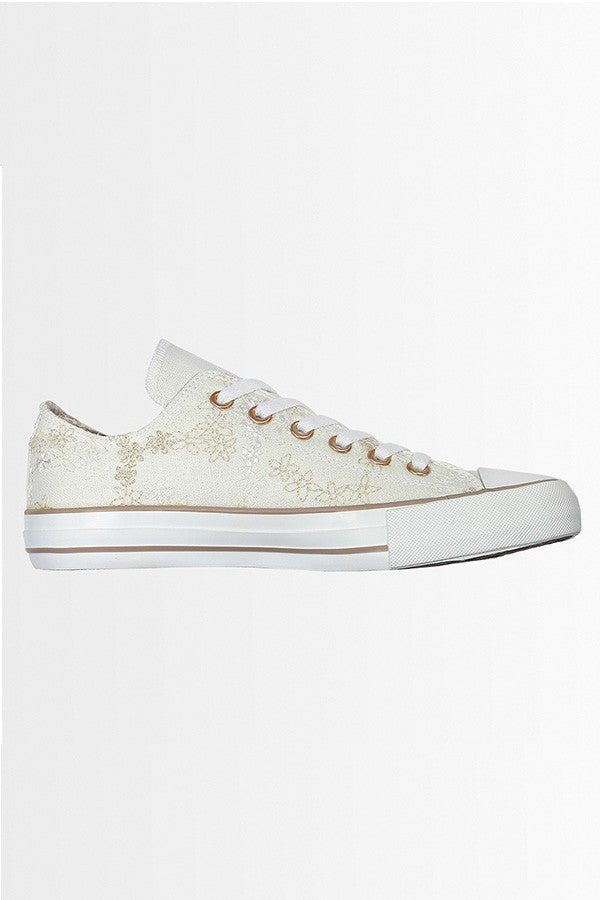
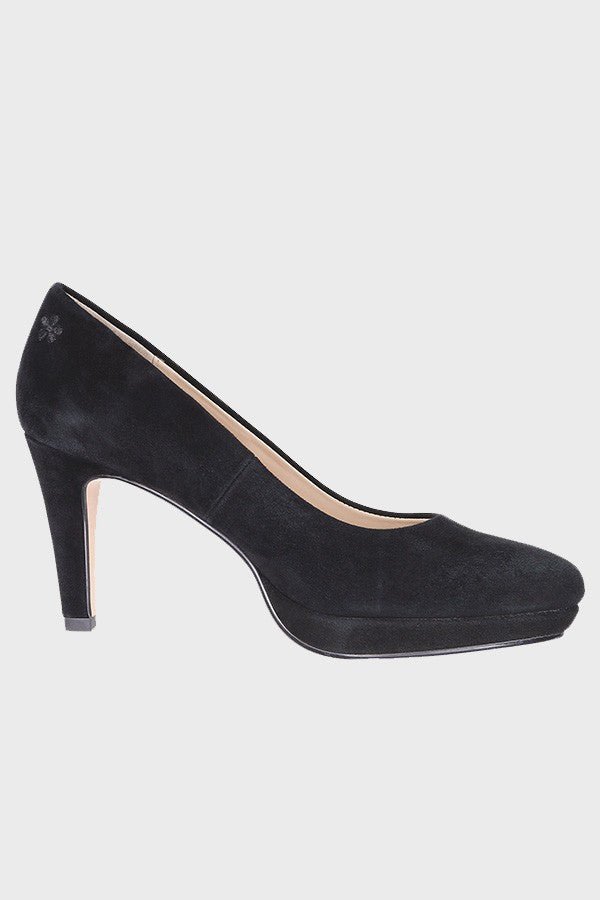
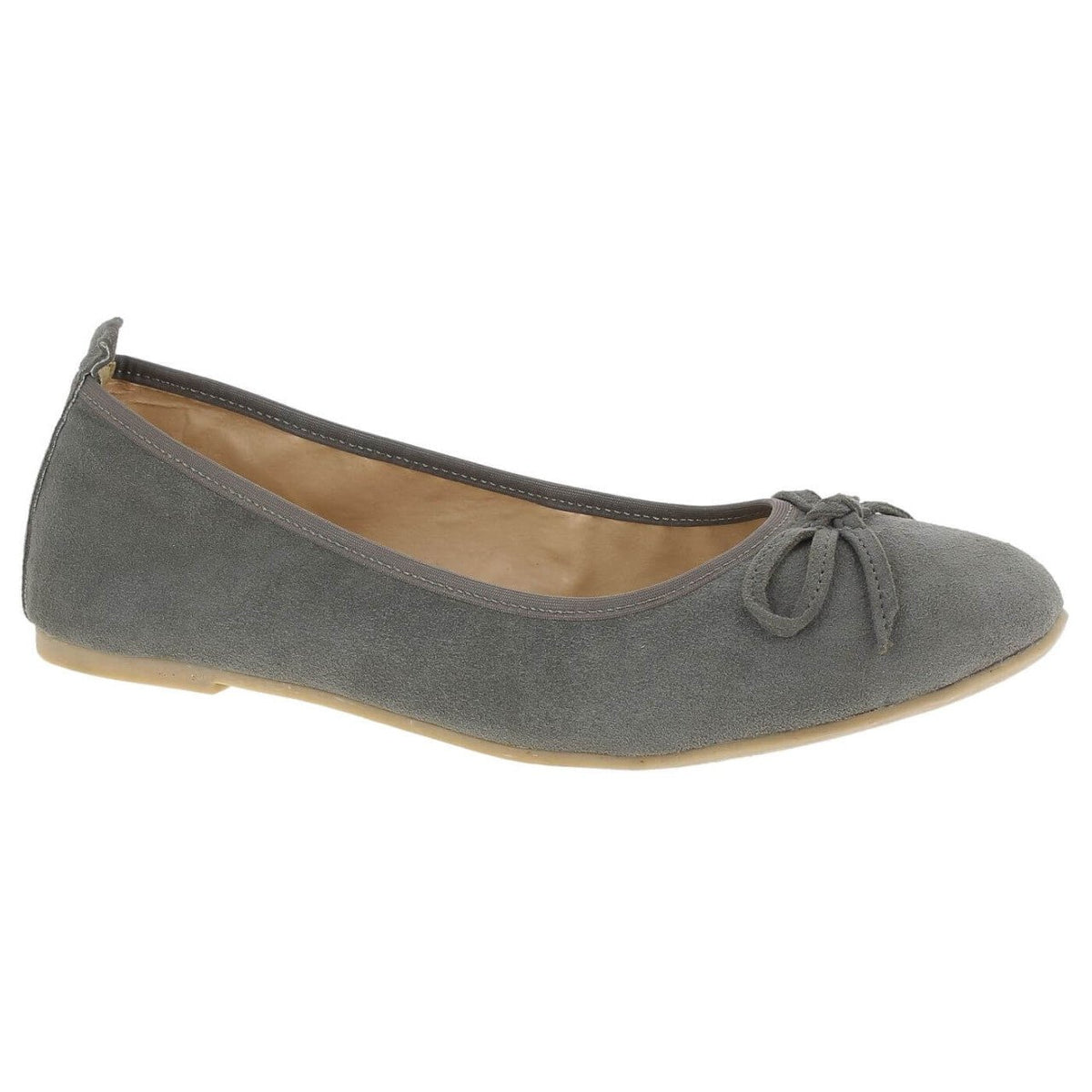
COMPLETE THE LOOK



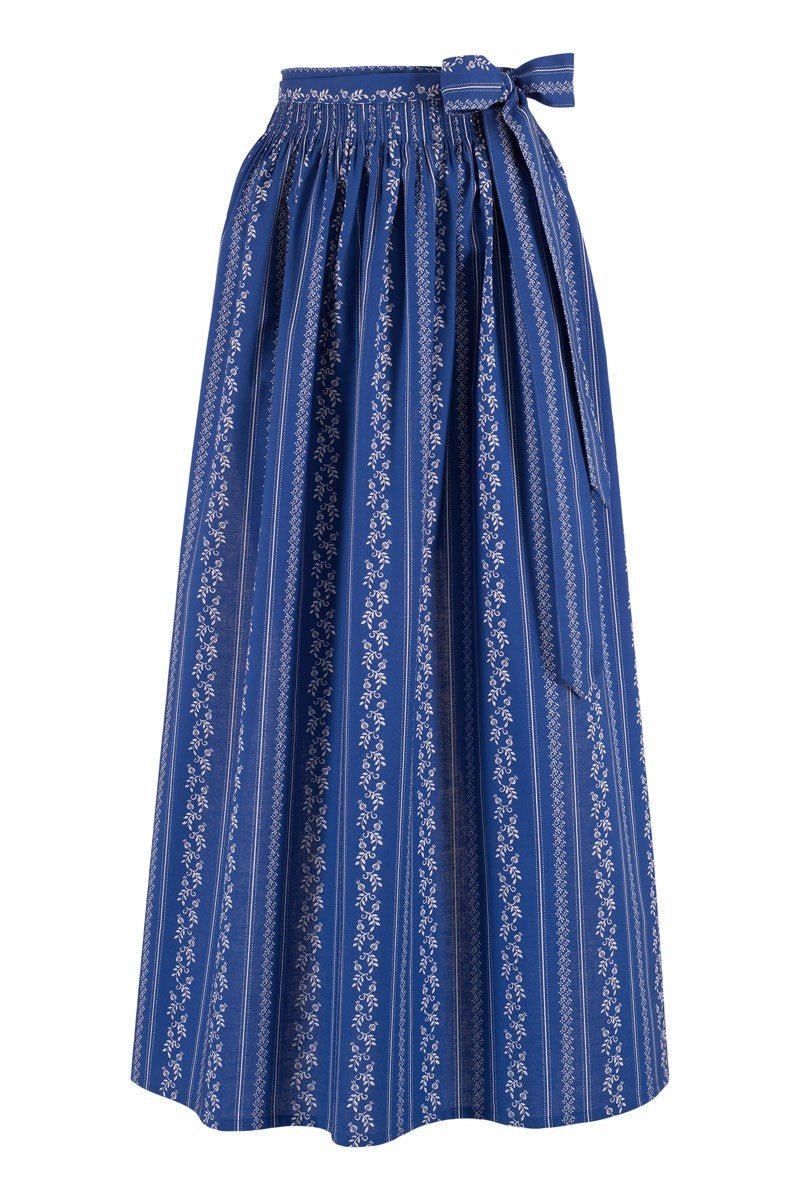
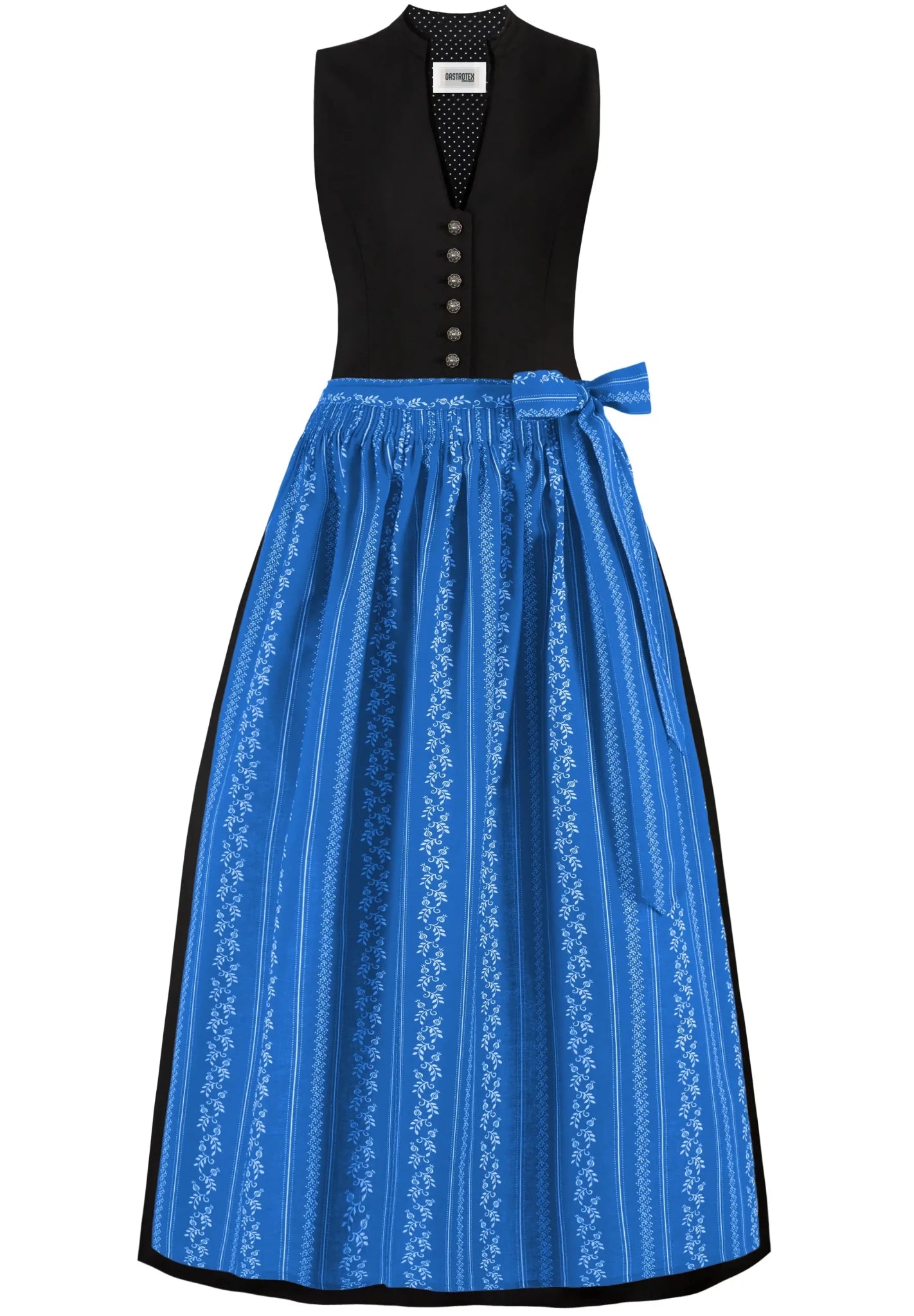
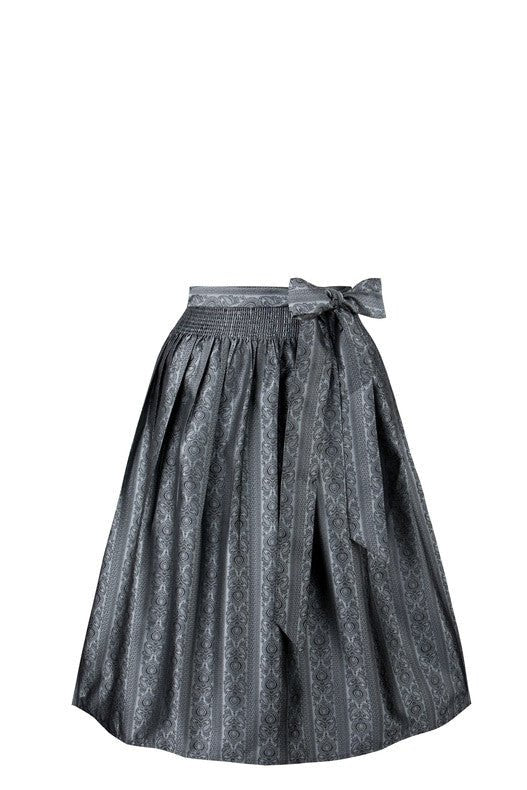
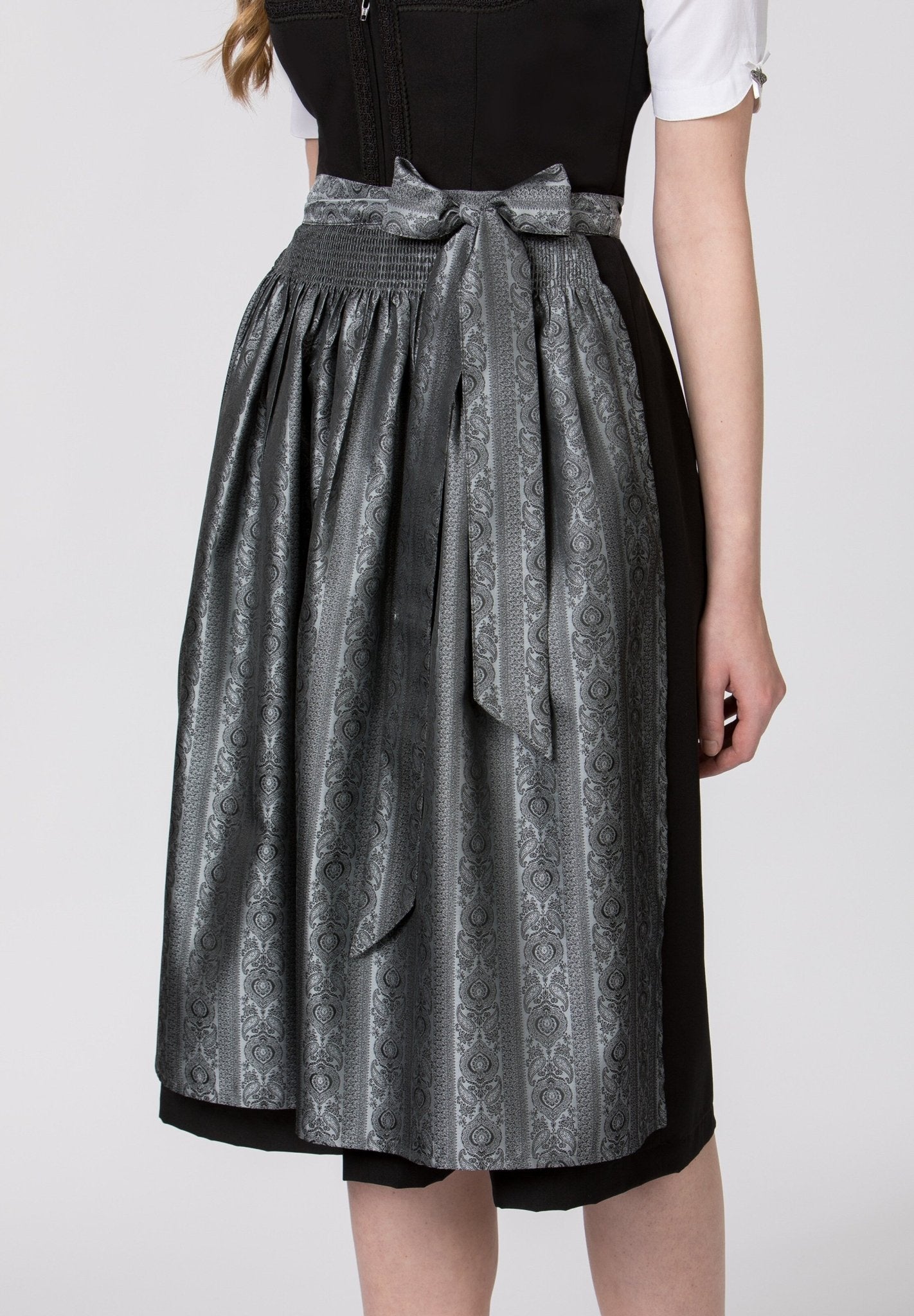
FREQUENTLY ASKED QUESTIONS
Quick Answers
Dirndls for the Oktoberfest
Classics like red, navy, bottle green and wine red have worked at the Wiesn for decades and still look good in photos hours in. Bold single colors like emerald or royal blue stand out positively. Very light pastels are less suitable, since they show stains quickly in the beer tent, as are neon colors, which usually feel out of place in Oktoberfest photos.
The midi dirndl at 65 to 75 centimeters is the most popular and practical length for the Oktoberfest. It is festive enough for the evening, unproblematic on the beer benches, and works in every Wiesn photo. Mini dirndls at 50 to 55 centimeters are popular with younger visitors but become uncomfortable on the benches quickly. Long dirndls from 80 centimeters are fairly rare at the Wiesn.
The bow carries a clear meaning at the Wiesn: tied on the right means taken or married, tied on the left means single and interested, centered at the front is for young girls, and centered at the back is traditionally worn by waitresses or widows. Plenty of people at the Oktoberfest genuinely pay attention to this, especially if you are among Bavarian company.
Good Oktoberfest dirndls start around 150 euros and go up to 400 euros and beyond. The sweet spot for most visitors is between 180 and 280 euros, enough for cleanly finished fabric, a well-fitted bodice, and a quality that survives several Wiesn. Under 100 euros you usually get disposable quality that no longer looks good after a long Wiesn day.
Yes, and that is one of the biggest advantages of a good dirndl. With a different apron and a different dirndl blouse, the same dress looks completely different. An Oktoberfest dirndl also works at the spring festival, a church fair, a folk festival, a Trachten wedding or a Christmas party. The cost per wear drops significantly over the years compared to a pure party dress.
WIESN READY
Find your Wiesn dirndl.
Browse our complete Oktoberfest selection and find the dirndl that carries you through many Wiesn.

Stay up to date
Newsletter
Sign up and be the first to find out about new collections, exclusive offers and styling tips for your perfect traditional outfit.