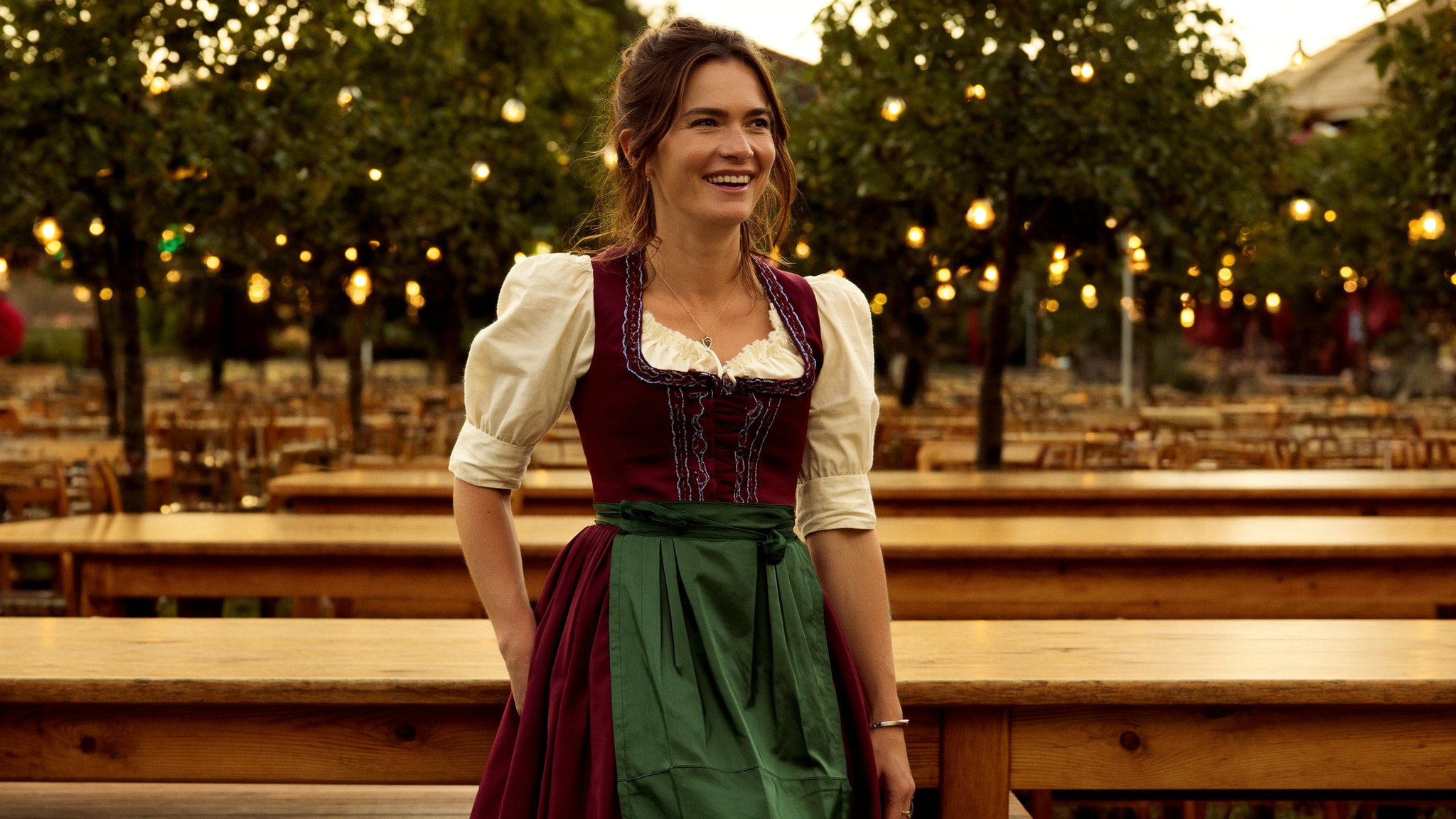
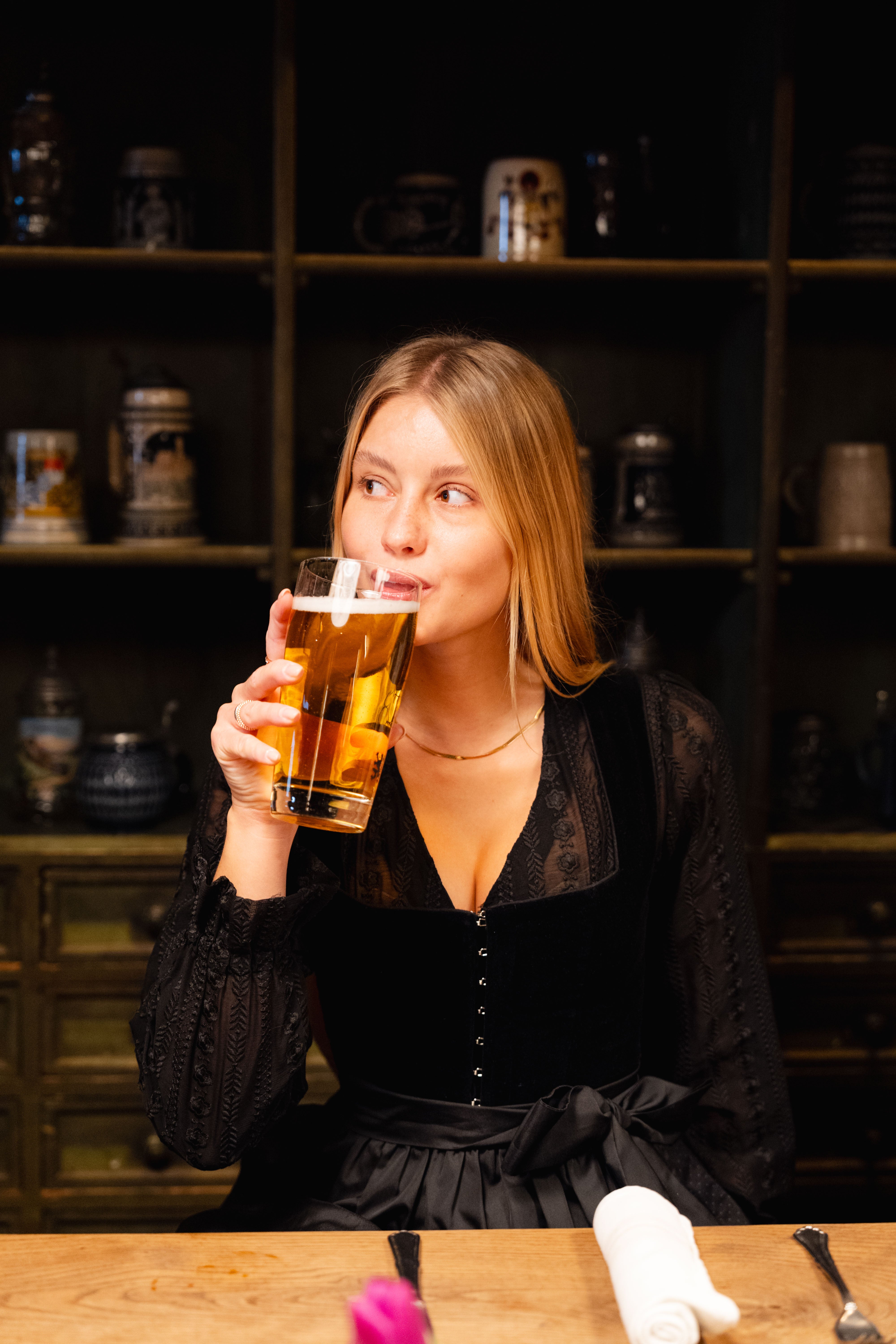
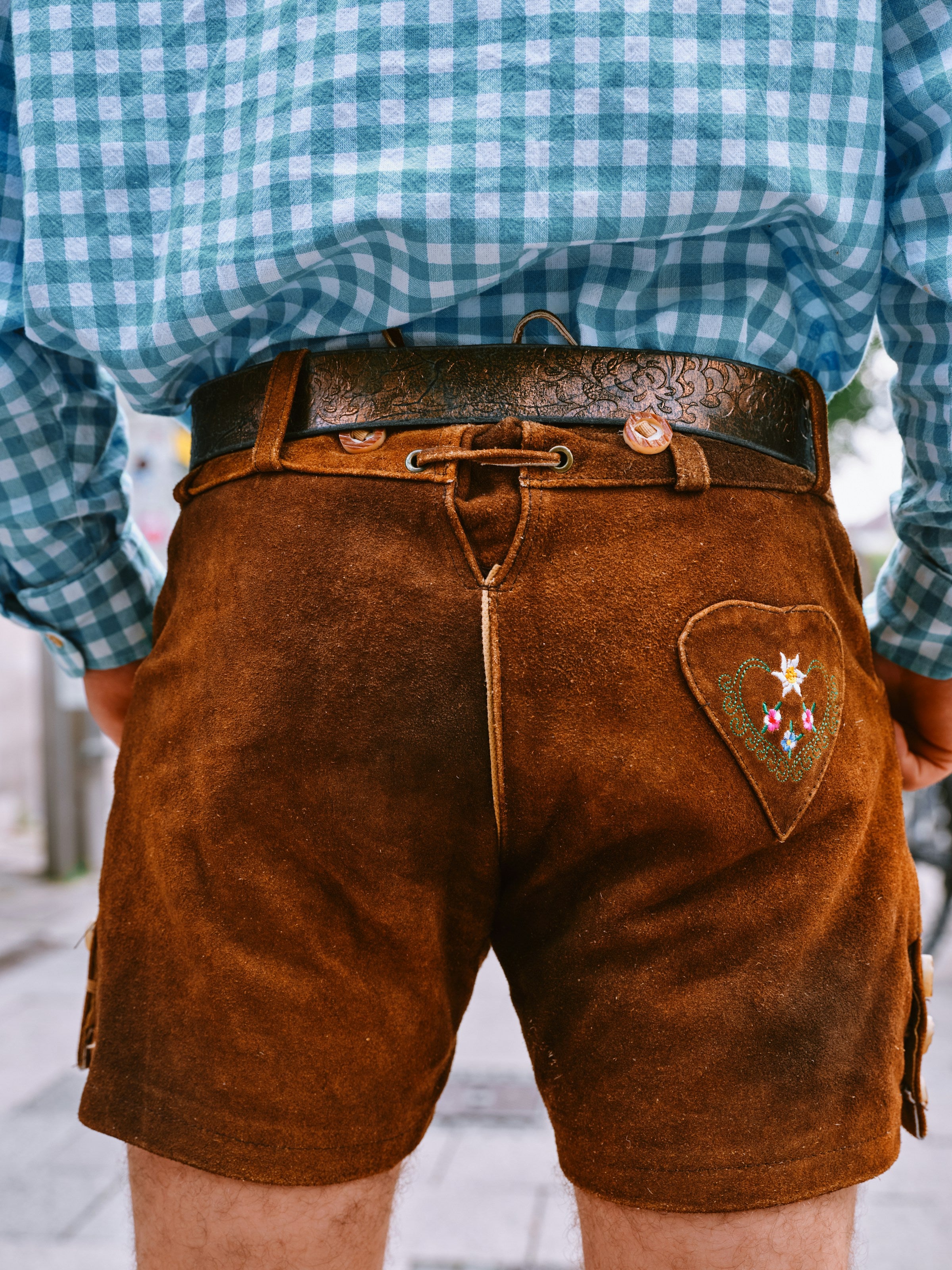

Winter costumes - How to wear dirndls and lederhosen even in the cold
|
Time to read 7 min

|
Time to read 7 min
We could wear Dirndl, Lederhosen and more all day long! Think Dirndl are only for Oktoberfest? If you're a true Tracht fan, we'll show you how to rock your traditional outfit even in deep snow — without freezing
Why you can trust us:
✓ We've been experts in traditional Bavarian fashion and Dirndl for over 5 years
✓ We've already dressed over 10,000 Oktoberfest visitors
✓ We keep a close eye on the latest Tracht trends and know the newest collections
Want to find out more? Visit our store
Many girls prefer Lederhosen when it's cold. But with the right styling, you can stay perfectly warm in a Dirndl during winter too. After all, the Dirndl was originally work clothing — even up in the mountains.
These accessories will make your Dirndl wind- and weatherproof:
The most important winter accessories:
If you want a Dirndl you can also wear in winter, there are a few things to keep in mind.
For late autumn and winter, dark, traditional and rather heavy fabrics are an excellent visual choice. Not only do they look beautifully seasonal, they also provide extra warmth.
Colour choices for winter Tracht:
If you can't live without delicate shimmering fabrics and precious lace, very pale blues, greys and whites are perfect for you — you'll shine like a true ice queen.
Materials for winter Dirndl:
The right colour choice matters in winter too, but dark, warm tones are generally the best pick for the colder months.
By the way, midi and long Dirndl pair best with the classic wool tights you'd wear in winter. Our tip: a good petticoat not only creates a beautiful silhouette but also helps keep you doubly warm!
Skirt length recommendations:
High-neck, long-sleeved Dirndl blouses also provide an extra warming layer under your Tracht jacket. If you don't have a high-neck blouse, you can still create great looks with a scarf, poncho or wide stole.
These looks are especially stylish when finished off with the right Tracht hat — the perfect final touch for a wintry outfit.
Few things ruin the mood as quickly as frozen toes that make the icy cold truly unbearable. Ladies in particular often struggle to find decent thick knitted socks.
If you don't fancy knitting your own, you'll be glad to know you can get beautiful warm Tracht socks made from virgin wool and merino wool. They're incredibly warm and look wonderfully traditional thanks to their individual cable-knit patterns and edelweiss embellishments.
Socks and tights options:
Tights or knee-high socks make both Dirndl and Lederhosen winter-ready. Men can also opt for the traditional Loferl to keep their calves nice and warm.
No matter what you normally think about wearing Tracht in everyday life — nobody has ever regretted a good pair of Tracht socks!
Find out more about what to wear under a Dirndl in our comprehensive guide.
When it comes to winter Tracht, men have it particularly easy. Simply pull a cosy waistcoat over your Tracht shirt and throw on a stylish loden jacket for outdoors — and your traditional look is complete.
Against wet, cold sleet, a waterproof felt hat is your best defence. Short Lederhosen are naturally best avoided in winter — but classic knee-length breeches (Kniebundhosen) can easily be transformed into winter-ready legwear with the help of socks or Loferl.
Winter Lederhosen tips:
If moisture is an issue, long Lederhosen are the better choice — you can trudge through the snow in them if you have to. Well-maintained Lederhosen with an intact patina actually offer better protection against moisture and cold than a regular pair of winter trousers.
Find out more about men's Tracht and how to style it correctly in our complete guide.
The perfect men's winter Tracht outfit:
A proper Janker is a smart all-rounder that proves its worth in any weather, thanks to its material of fulled sheep's wool. Its elegant design means it can be worn for almost any occasion.
All other garments, however, should be chosen with a little more care. A knitted waistcoat, for example, has a wonderfully cosy feel, while festive looks can be created with beautiful silk and jacquard fabrics.
These are naturally not as warm and may need to be complemented with a Tracht scarf if the temperature drops. For traditional winter footwear, leather shoes are the top recommendation — they pair perfectly with Tracht socks and look just as good with Lederhosen as with jeans.
To wrap things up, we've picked out our TOP 3 Bavarian jokes. They'll guarantee you a laugh and get you all the attention you deserve!
Oh beer, you noble spirit, who brings me to my knees — knock me down 10 times and I'll get back up and drink you again.
The deodorant can said "press in from the back." Fair enough, it stings a bit when I walk, but at least I smell good when I fart!
"Hey, your fly is open!" — "I know, I'm on standby."
These jokes are guaranteed to make everyone laugh and lighten the mood in any crowd. They work best when delivered with genuine Bavarian Gemütlichkeit.
We can breathe a sigh of relief: even in winter, we can fully embrace our love of Tracht. Here's a quick summary of the most important points:
Dirndl can be made winter-ready with the right accessories
Dark, heavy fabrics are ideal for winter both visually and thermally
Midi and long Dirndl pair better with wool tights
Long-sleeved, high-neck blouses provide extra warmth
Tracht jackets, ponchos and scarves are essential
If you're looking for your perfect Dirndl for the Wiesn, feel free to browse our store
Find your dream Dirndl now
Wool tights, a long-sleeved blouse, a Tracht jacket, a warm scarf and lined shoes will make any Dirndl winter-ready. Choose midi or long Dirndl in heavy fabrics and dark colours. A good petticoat adds extra warmth.
Heavy cotton, velvet, wool or wool blends and brocade are ideal for winter Dirndl. Coarse traditional fabrics are especially warm. Choose dark colours like black, rust or green that also look perfectly wintery.
Warm Tracht socks in merino wool with a cable-knit pattern keep your feet toasty. Wool tights under the Dirndl, Loferl for men and lined leather shoes are essential. Layering (blouse, waistcoat, jacket) keeps your upper body warm.
Long Lederhosen or knee-length breeches with socks, a long-sleeved Tracht shirt, a cosy waistcoat, a Janker or loden jacket and a waterproof felt hat. Well-maintained Lederhosen with an intact patina offer better protection against moisture and cold than regular winter trousers.
Absolutely! Knitted cardigans with deer motifs, Tracht shirts, waistcoats and jumpers with traditional patterns pair perfectly with jeans. These subtle Tracht elements are ideal for everyday winter wear without looking overly traditional.
Discover matching Tracht styles

Stay up to date
Sign up and be the first to find out about new collections, exclusive offers and styling tips for your perfect traditional outfit.


