
TRACHT AT THE CHURCH FAIR
Dirndls for the church fair. Authentic, the way it should be.
Whether Kerwa in Franconia, Kirta in Old Bavaria or Chilbi in Swabia, dirndls belong there.
THE VILLAGE FESTIVAL IN TRACHT
Church fair is not Oktoberfest.
The church fair, known as Kerwa in Franconia, Kirta in Old Bavaria, or Kirtag in Austria, is one of the oldest folk festivals in southern Germany and has a much closer bond to tradition than the Oktoberfest. Anyone heading to a church fair often wears Tracht, and with more awareness of heritage and authenticity than at the Munich Wiesn. We show you which dirndls suit the church fair, what to keep in mind about Franconian, Bavarian and Austrian tradition, and which models we recommend for an authentic church fair outfit.
SUITED FOR THE CHURCH FAIR
Dirndls for the Church Fair





COLORS FOR THE CHURCH FAIR
Traditional over trendy.
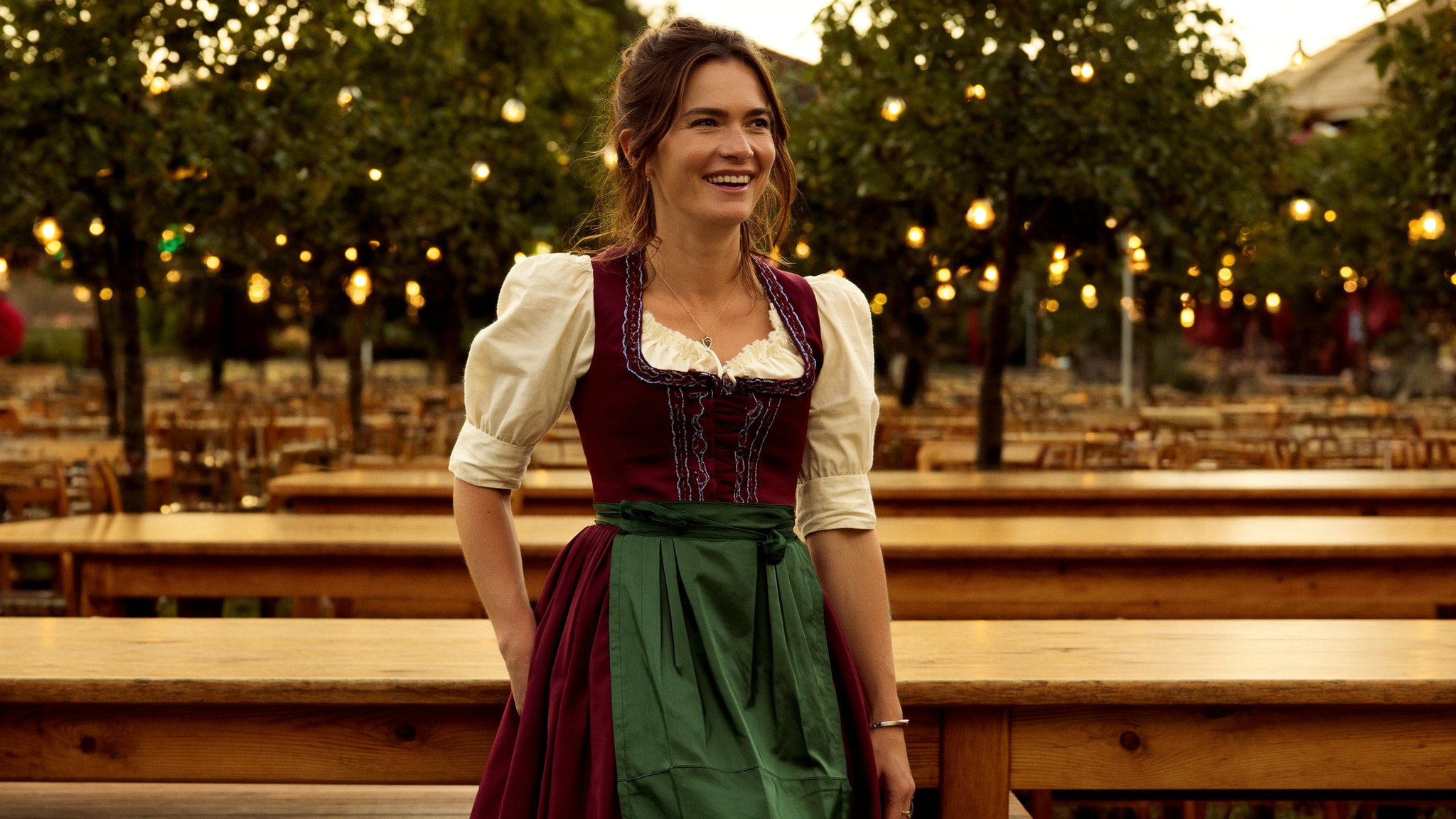
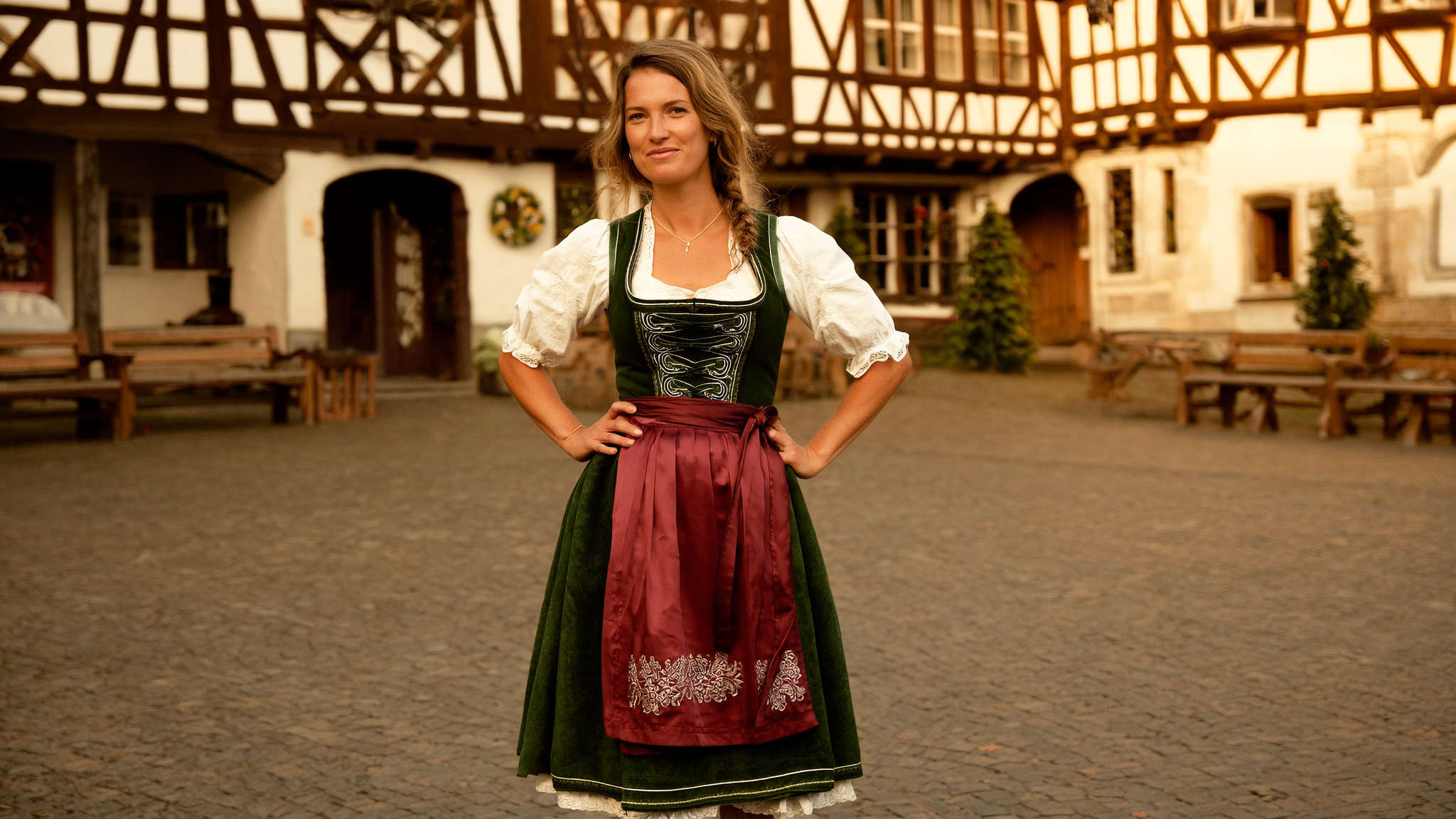
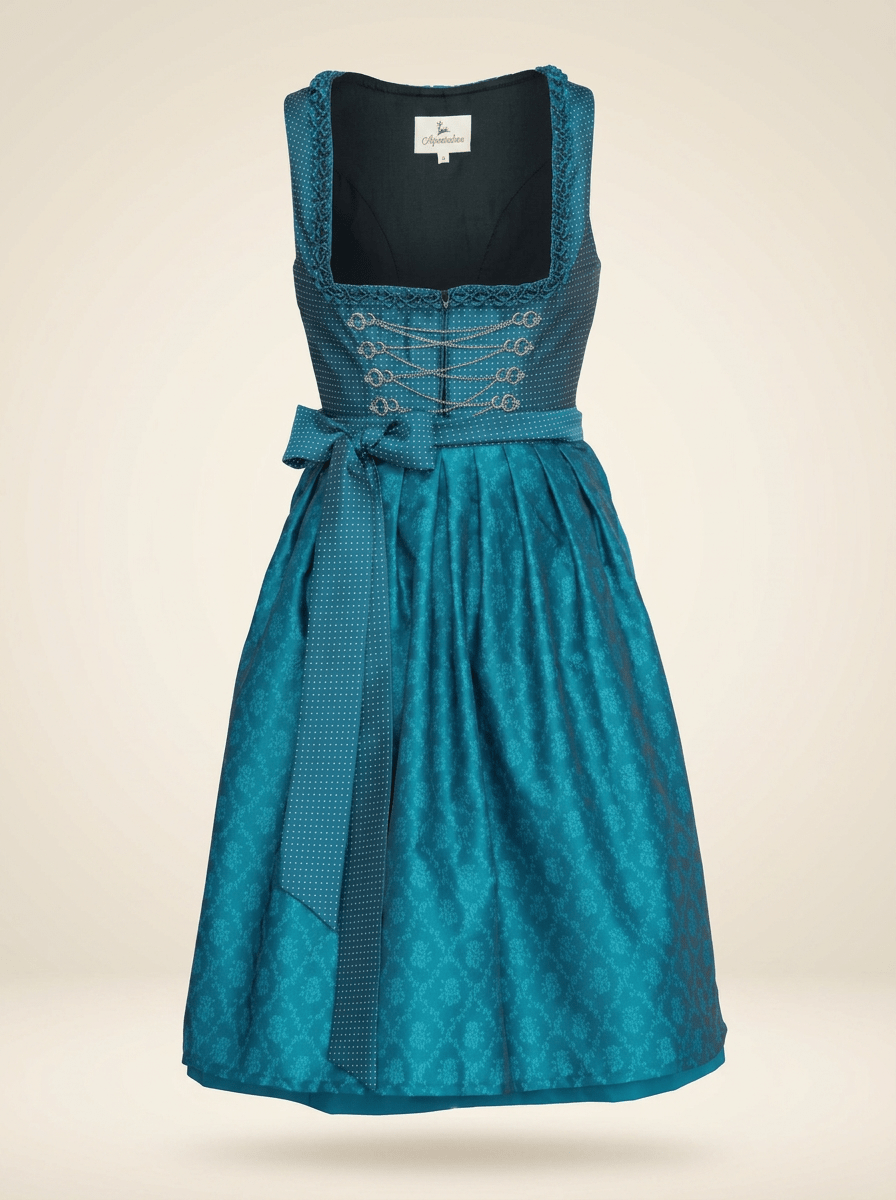
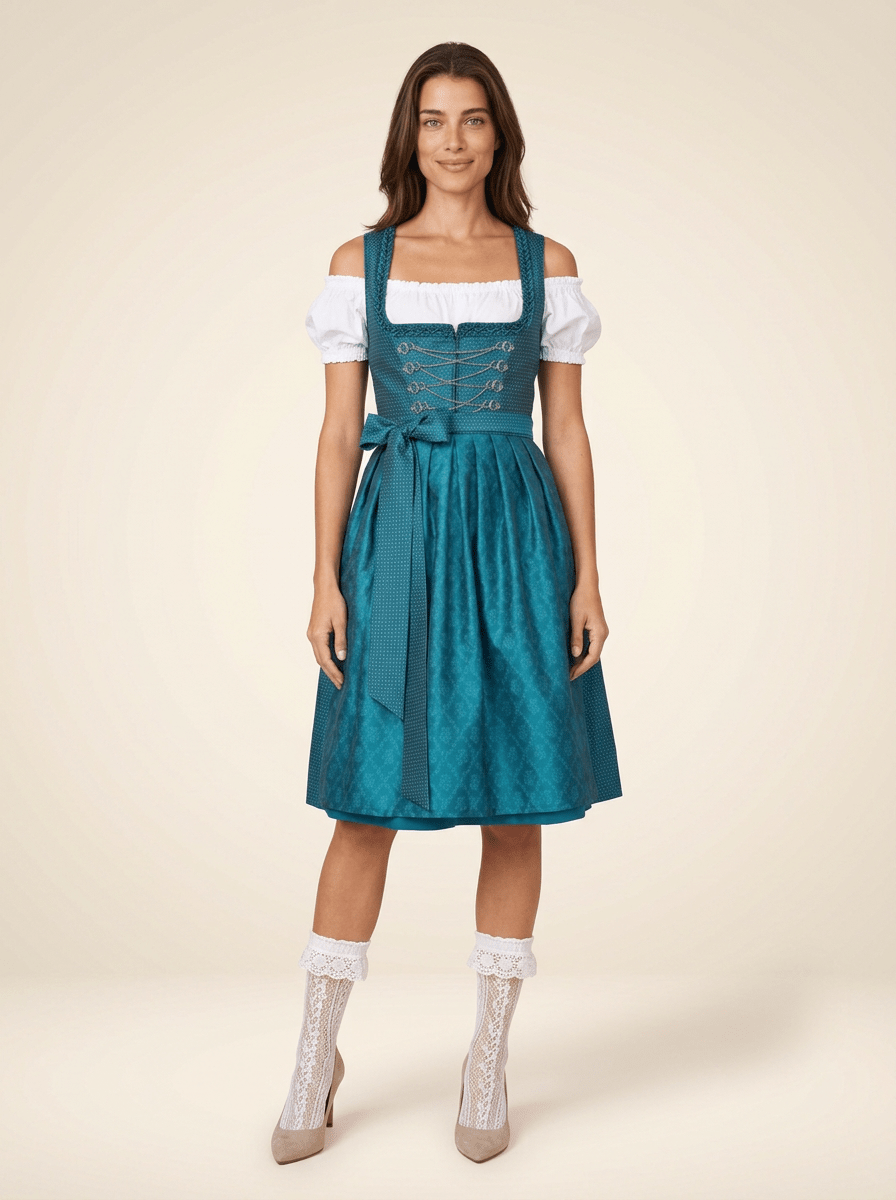
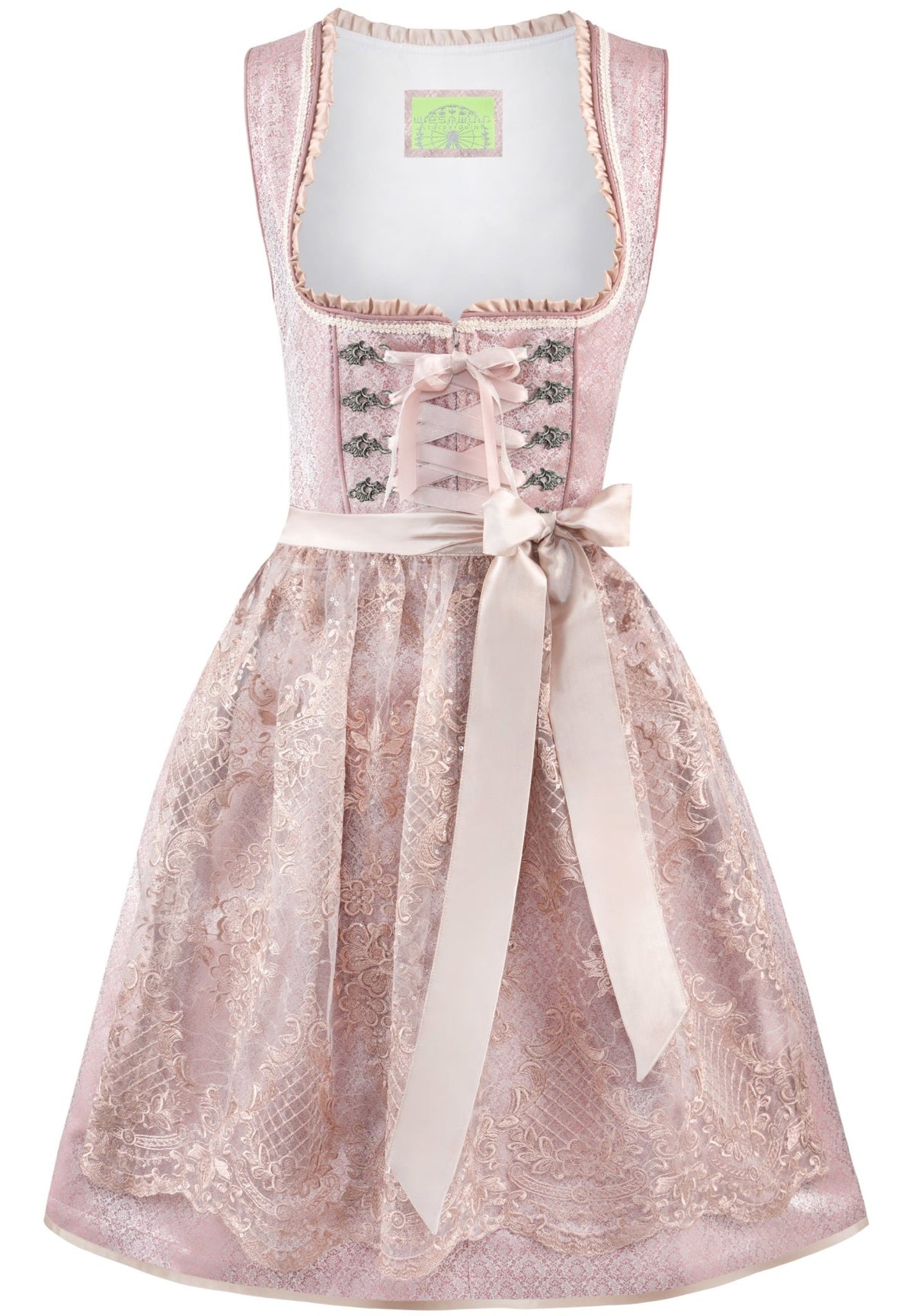
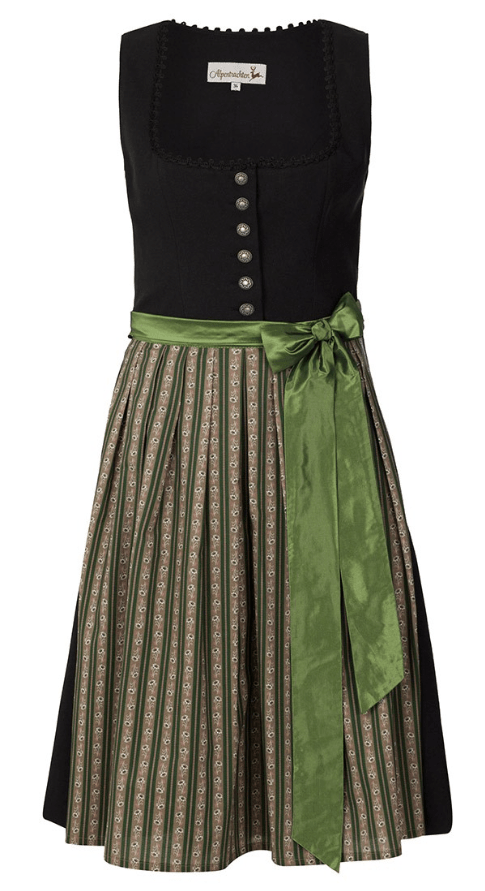
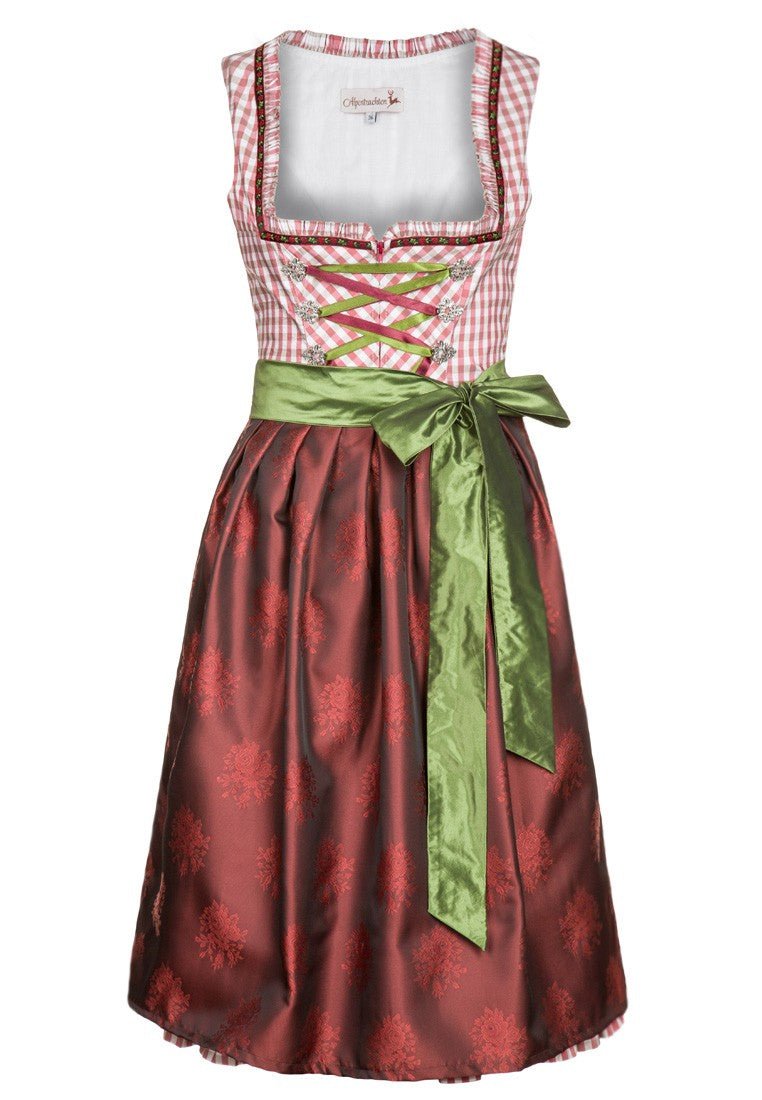
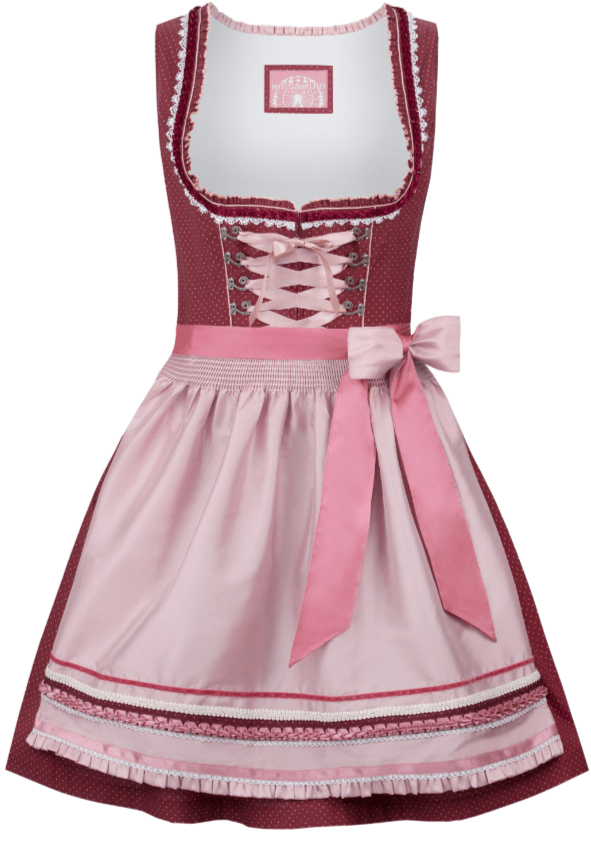
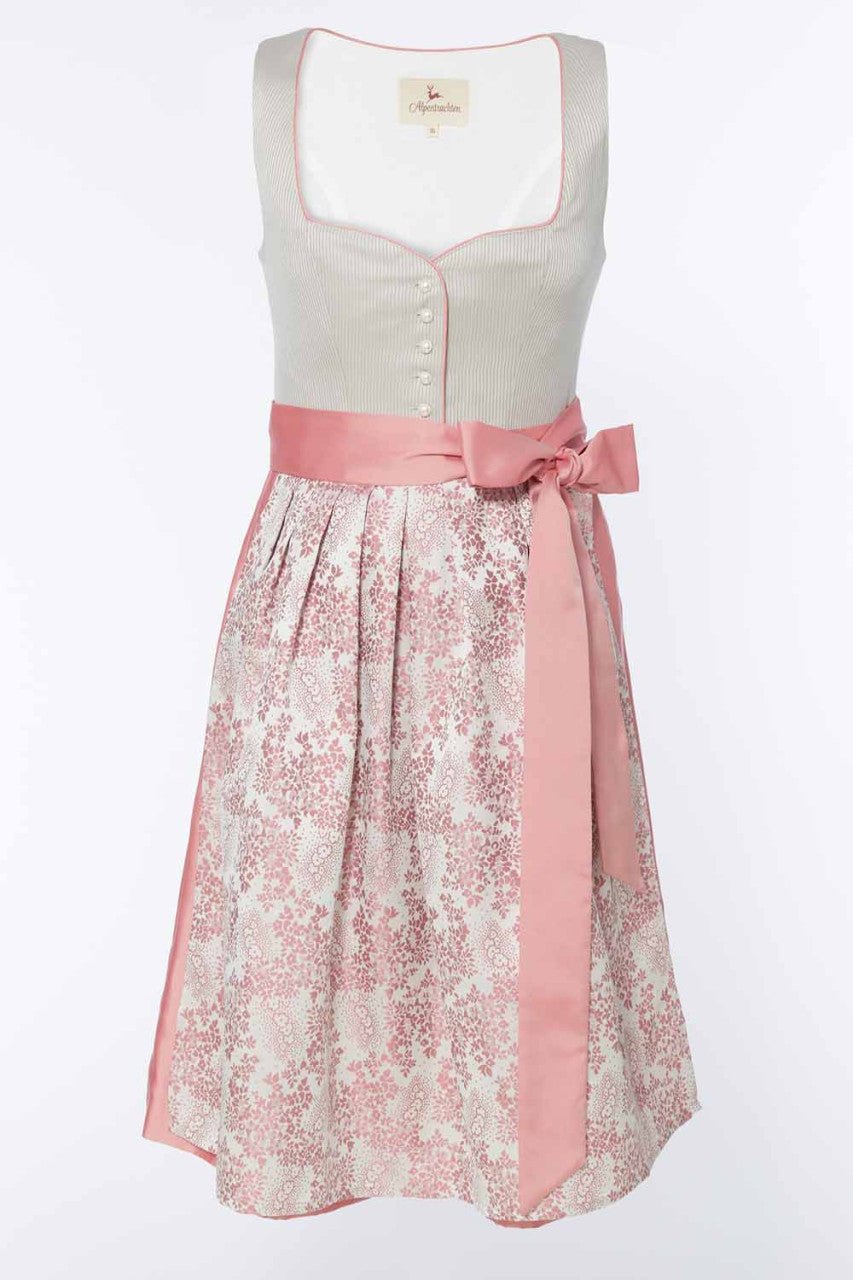
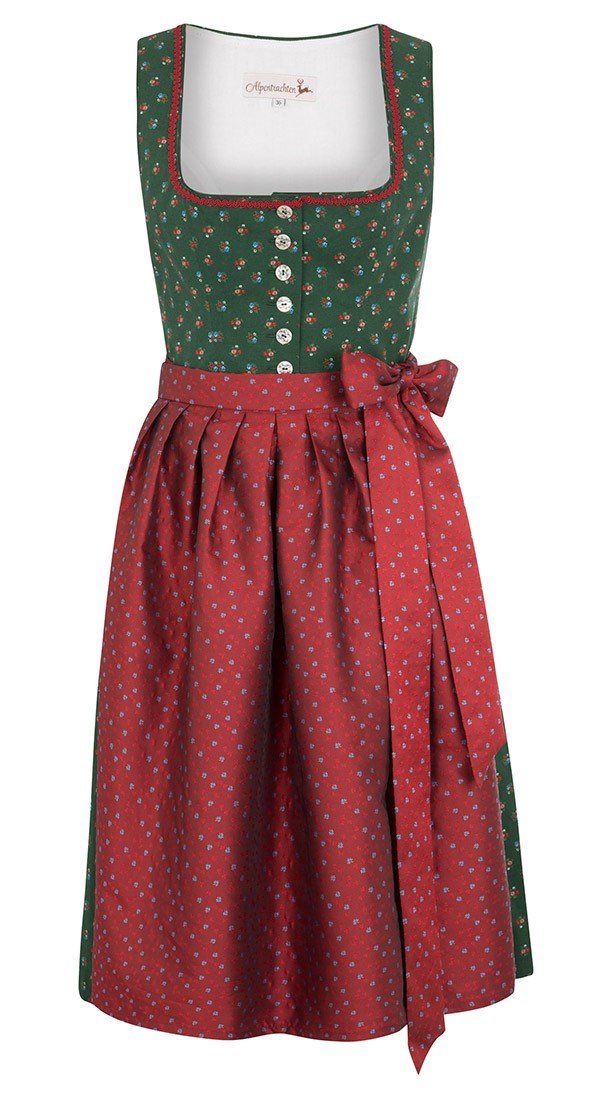
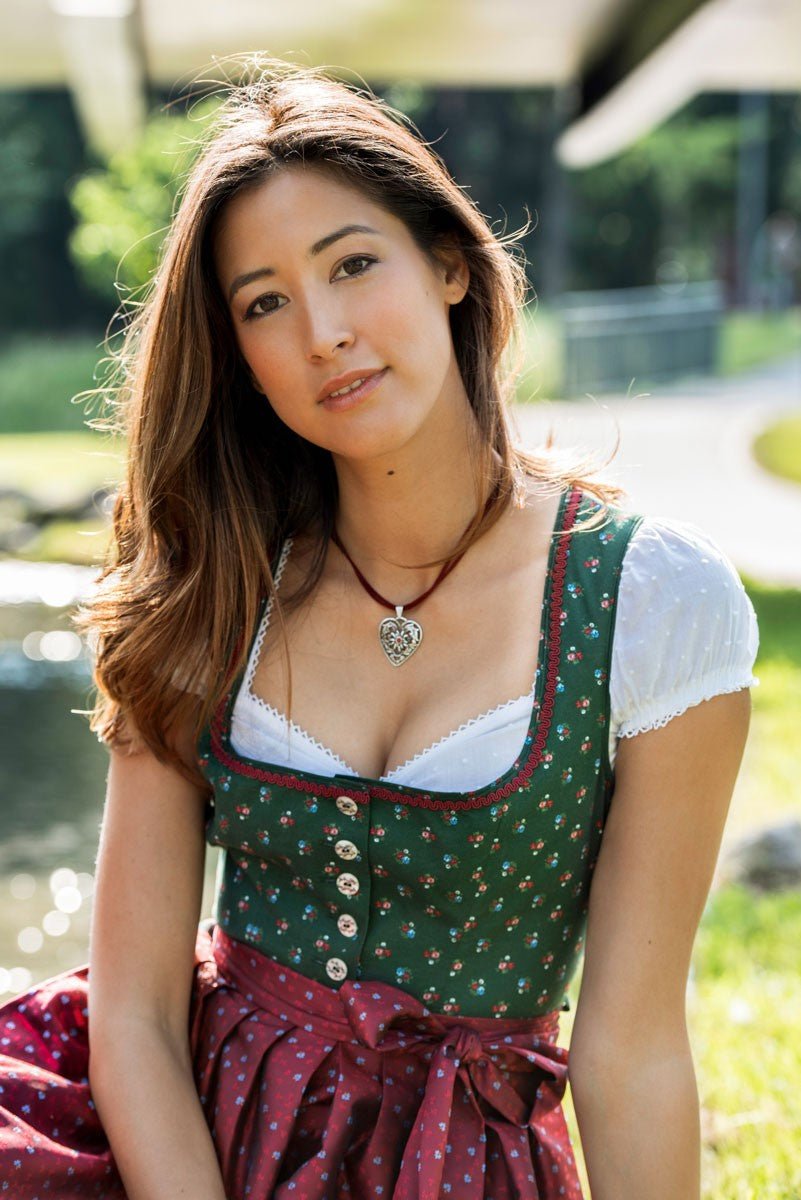
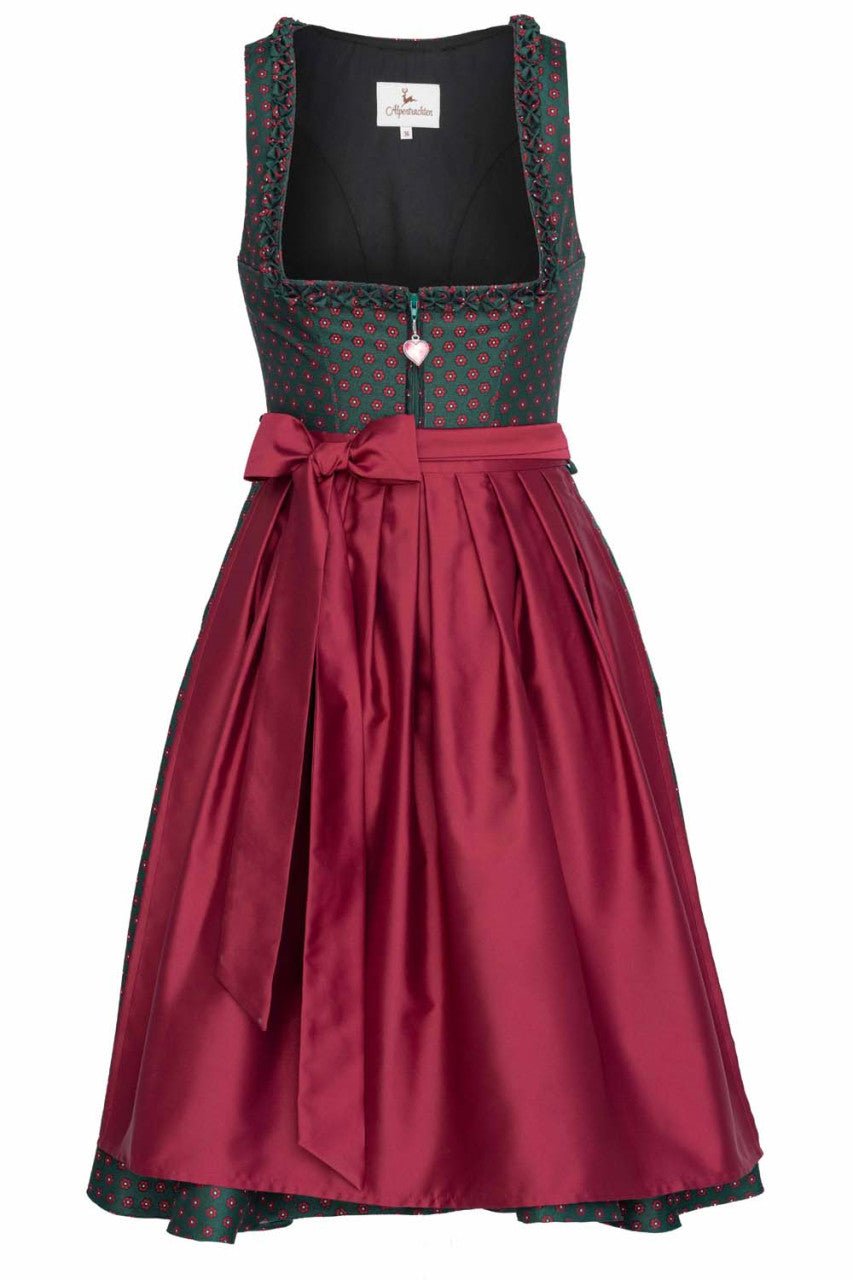
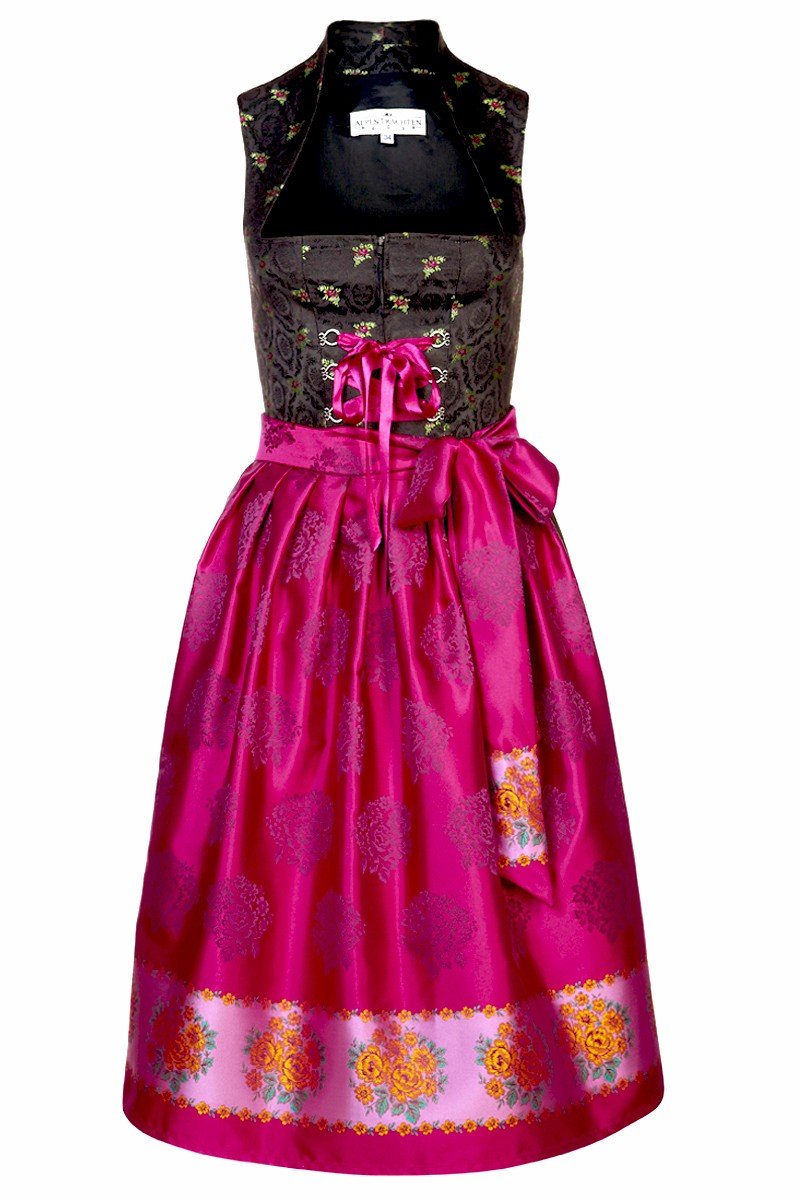
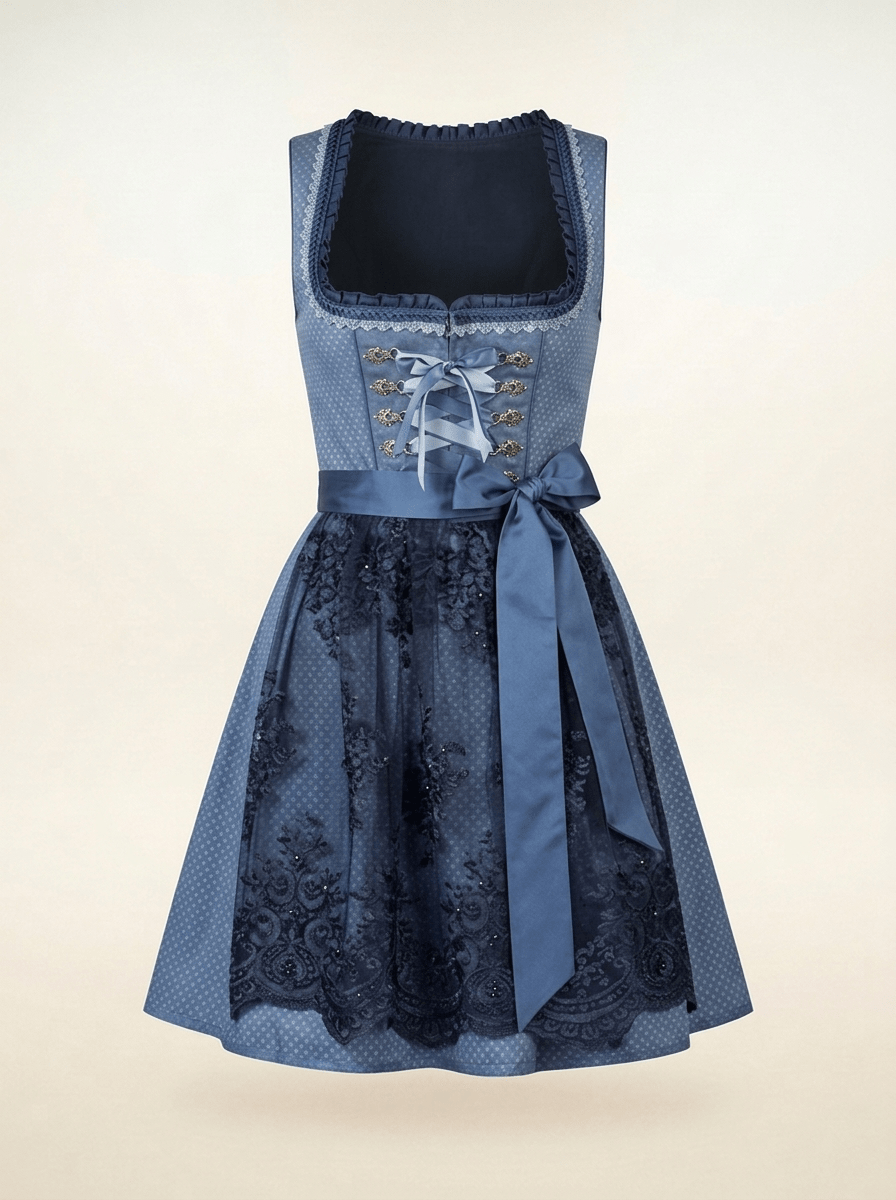
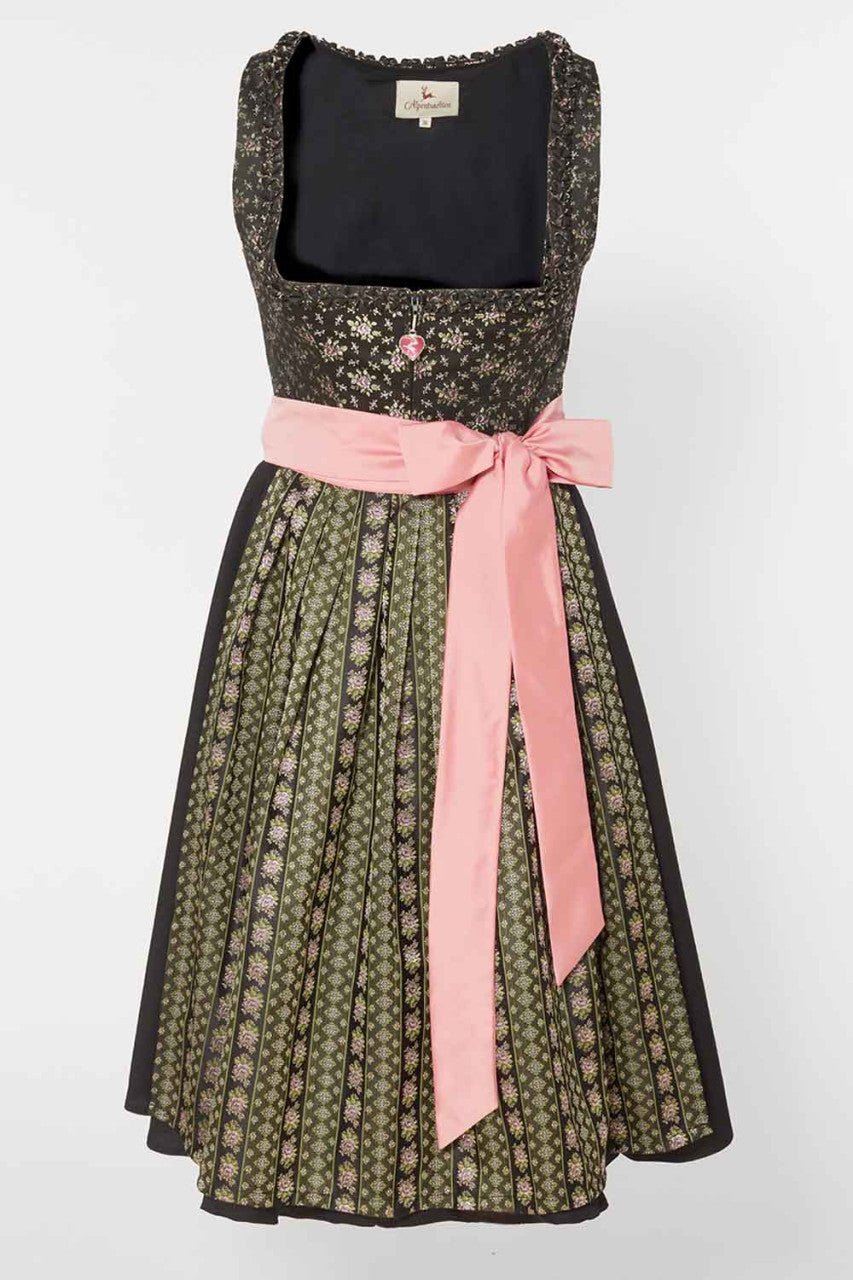
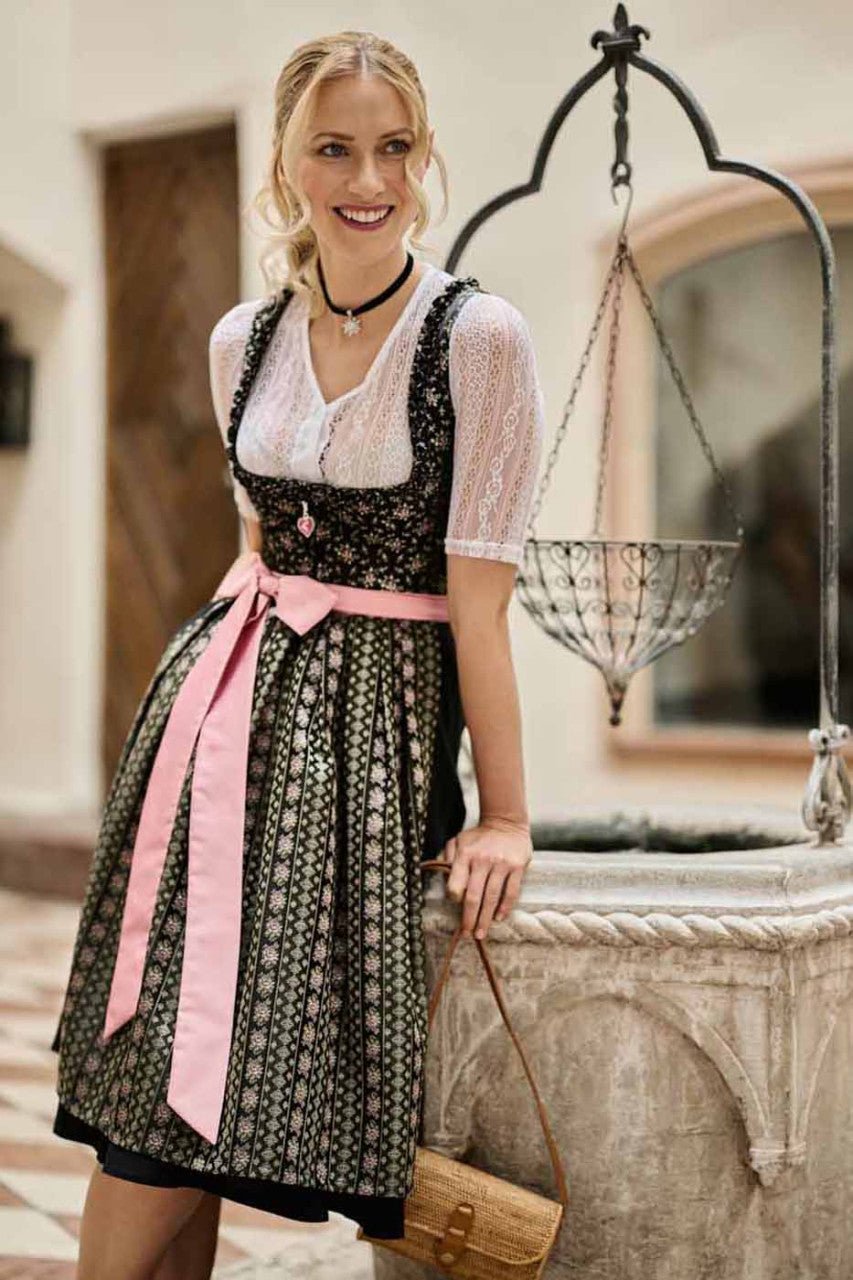
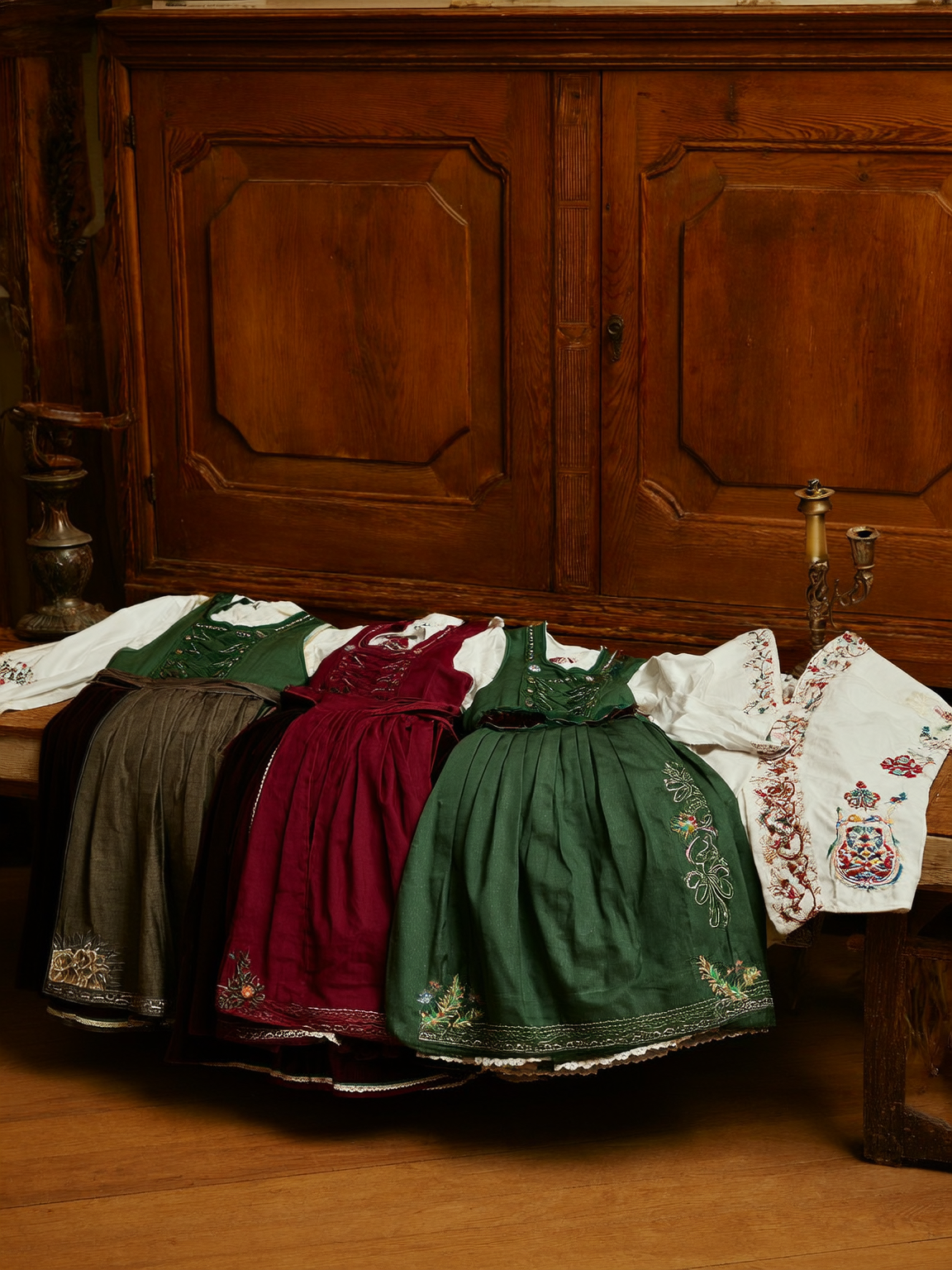
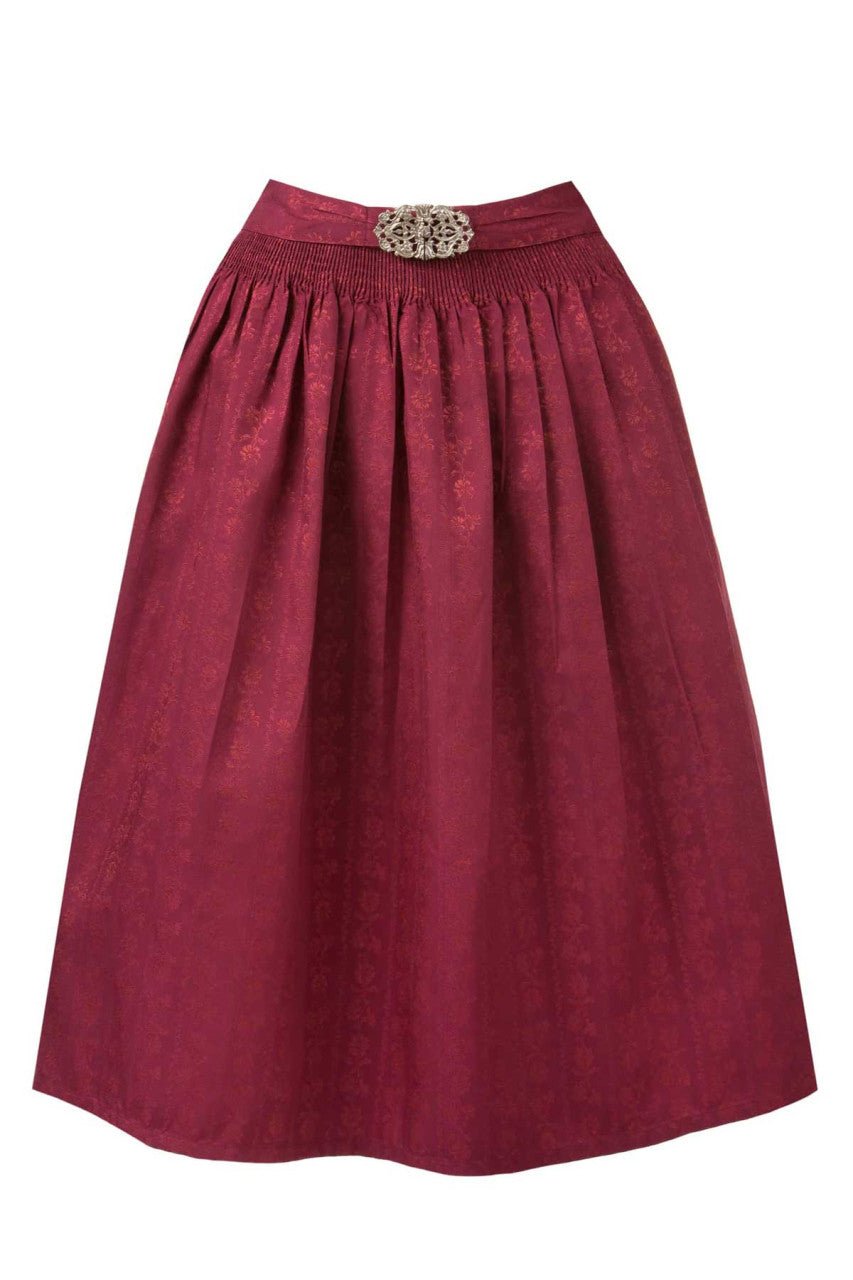
At the church fair, tradition beats trend. The best color choices here are classic and muted: navy, bottle green, wine red, burgundy, terracotta, dark brown, mustard yellow and dusty rose. These colors are rooted in southern German Tracht tradition, never look dated in church fair photos, and match the local mood.
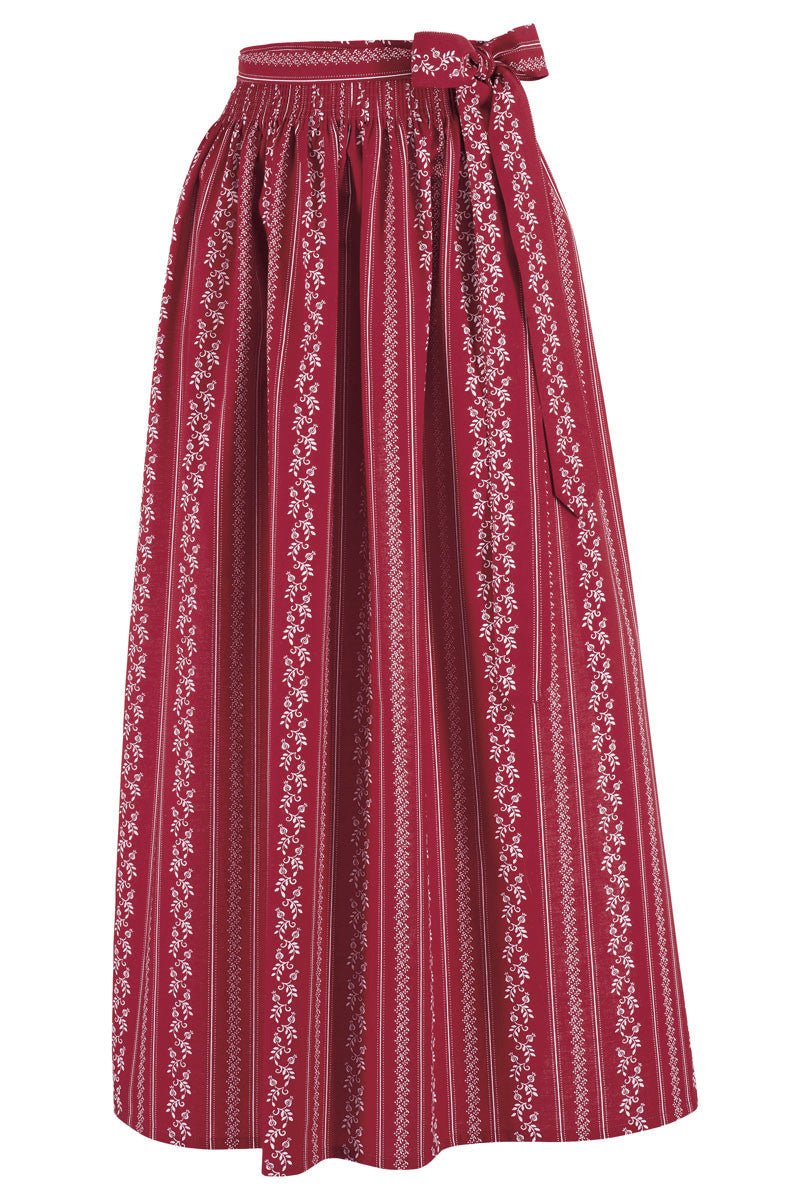
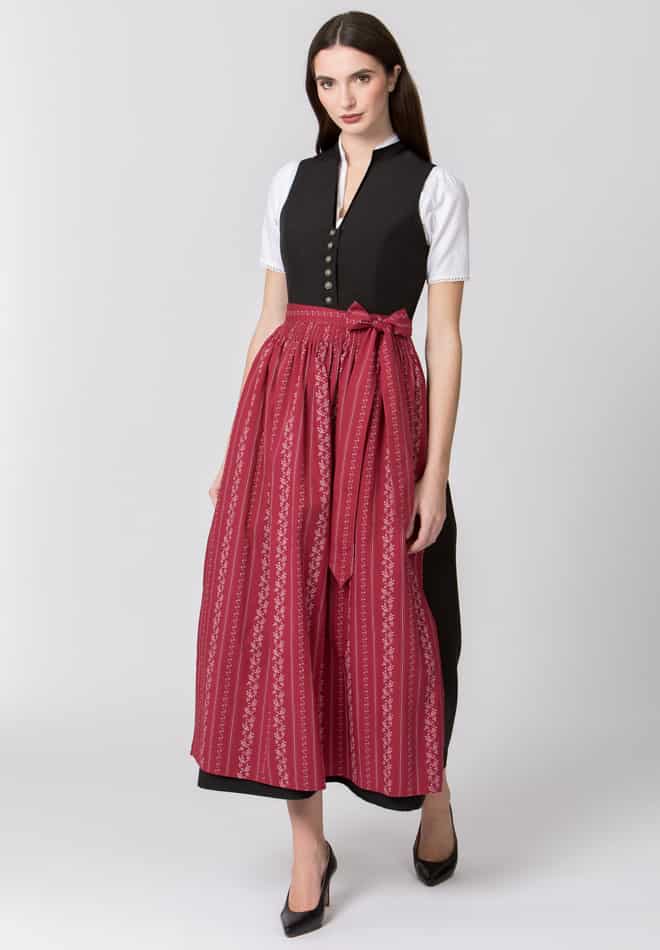
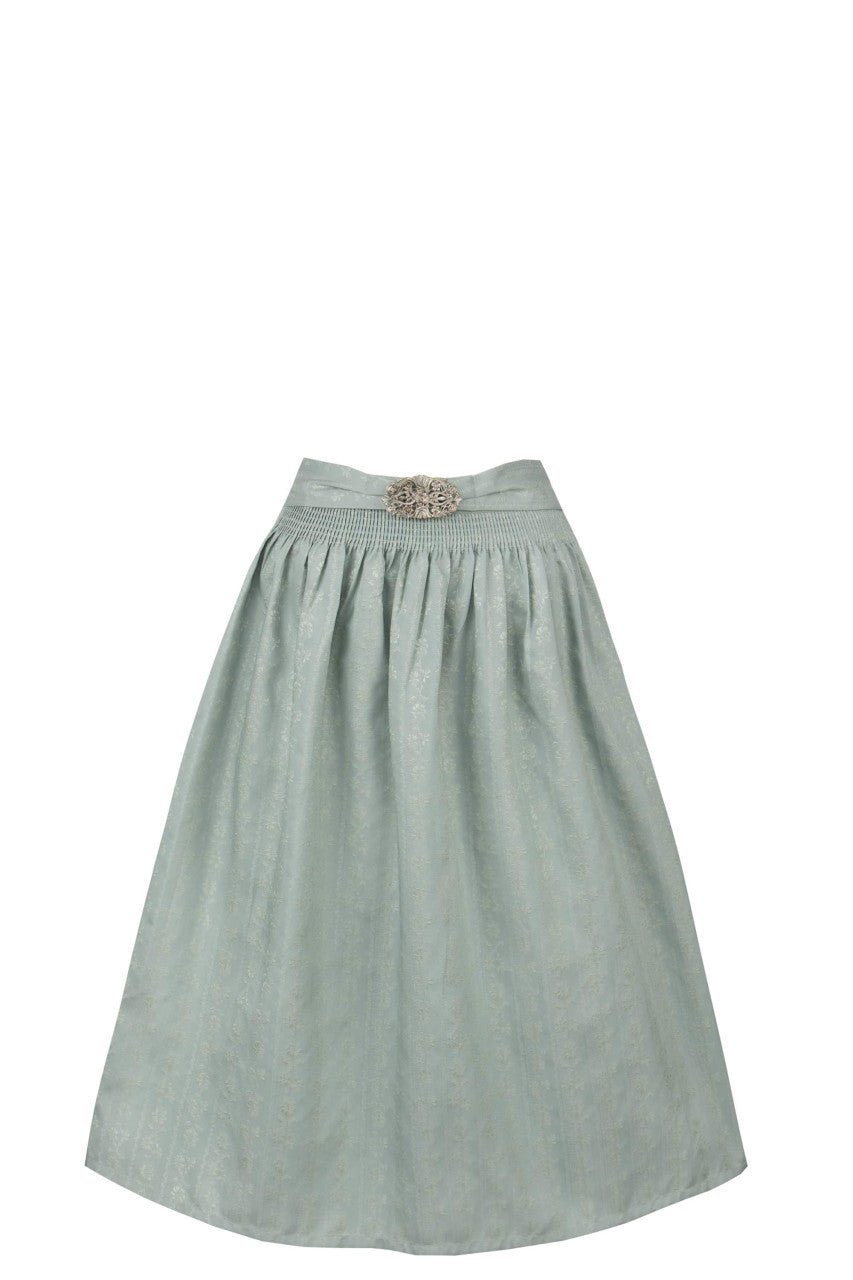
In Franconia and Upper Bavaria, a dirndl with a traditional look, with an embroidered apron, edge embroidery or classic patterns, is especially welcome. Modern, colorful or highly experimental dirndls work less well here than at the Munich Wiesn. Less suitable are neon colors, very light pastels or experimental designs. The church fair is a festival that celebrates traditional aesthetics, and an authentic dirndl earns more appreciation here than a fashion statement.
HIGHLIGHT I
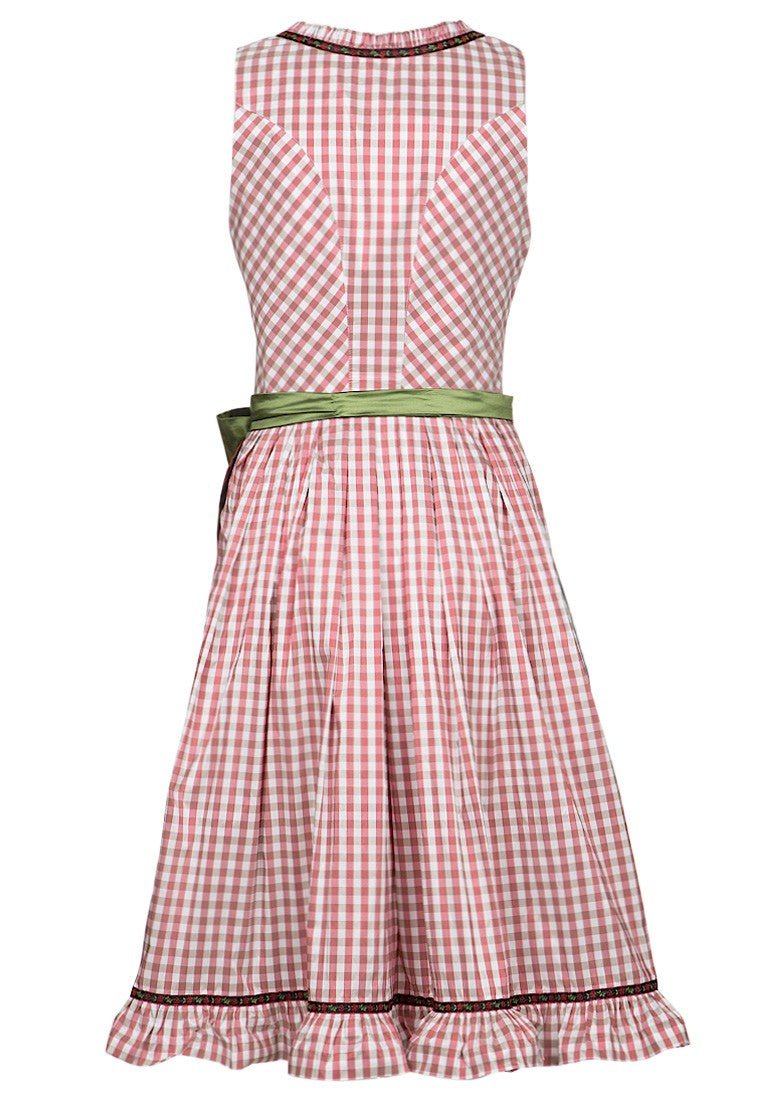
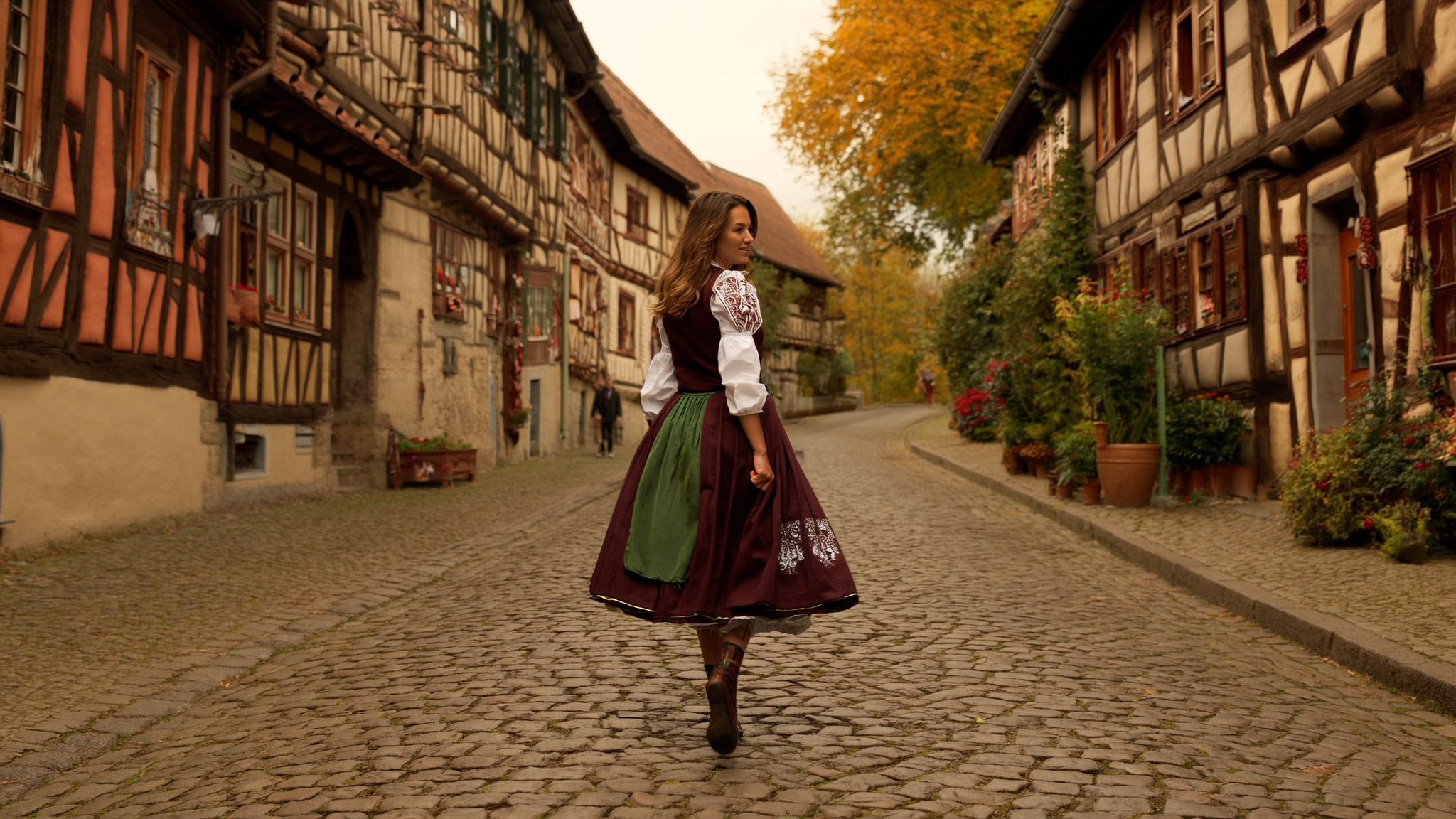
Dirndl Marlene


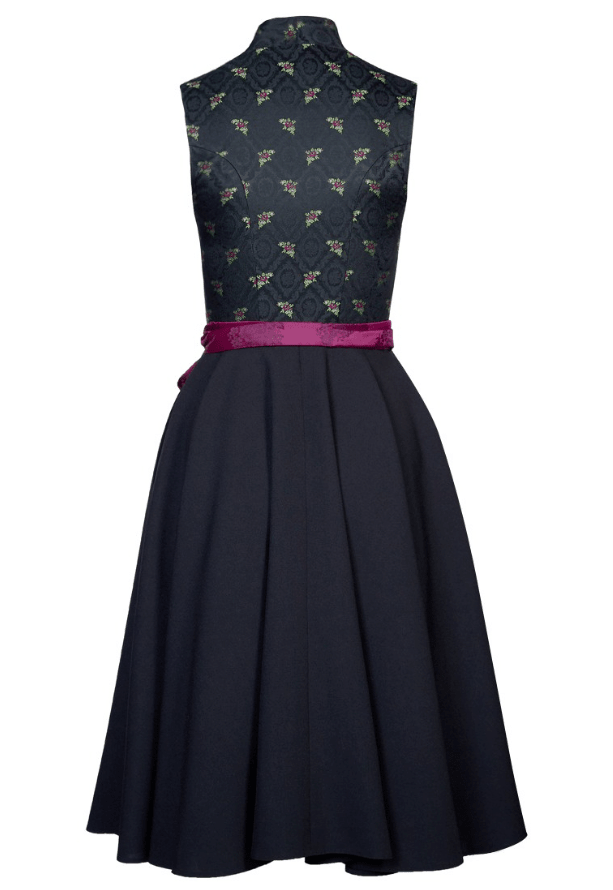
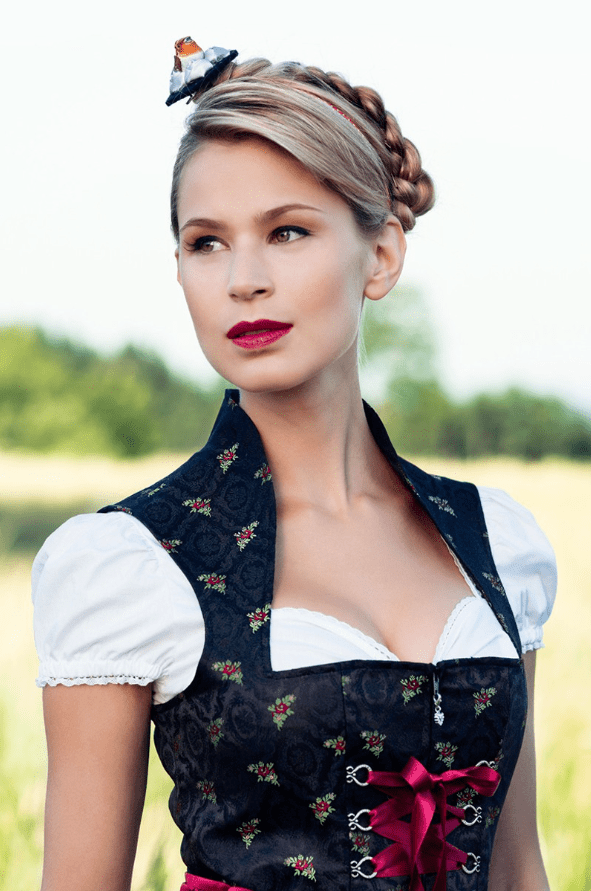
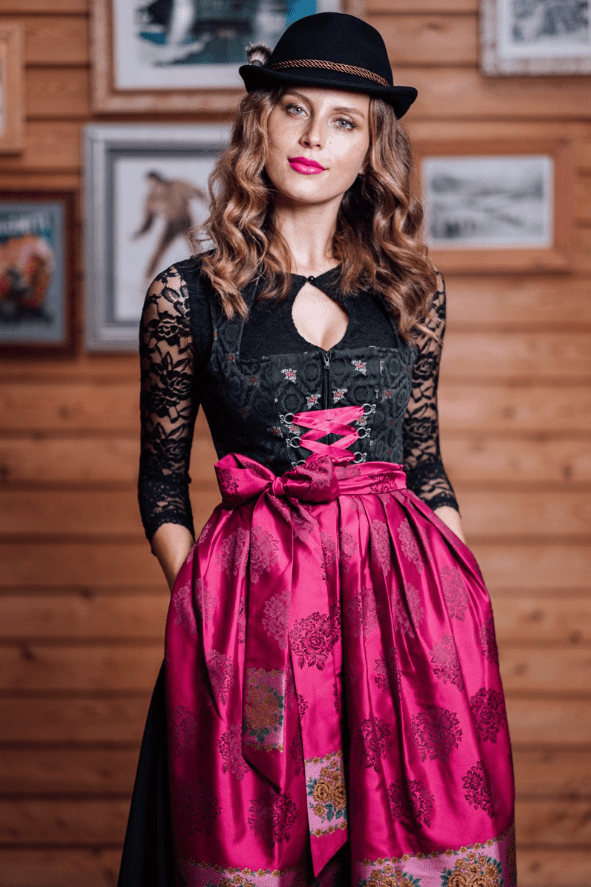
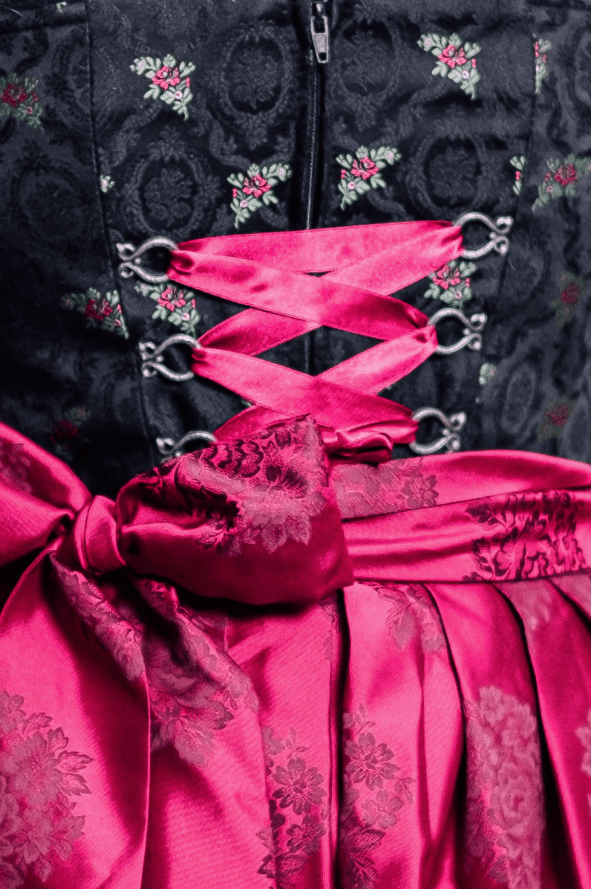
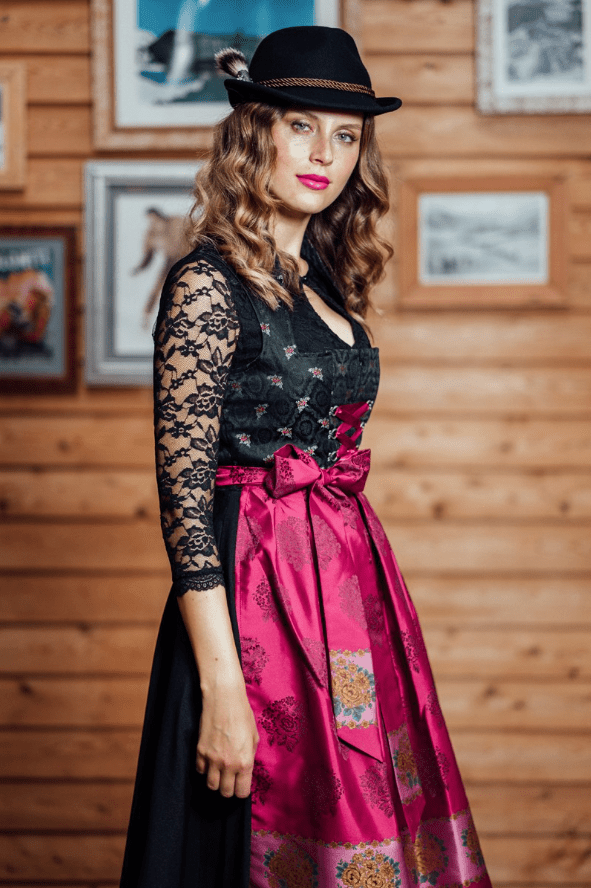
Our traditional favorite for the church fair. Classic color palette, authentic details, midi length. A dirndl that matches the local mood at any church fair, from Franconia to Upper Bavaria.
WEARING IT AUTHENTICALLY
One dirndl. Many festivals.
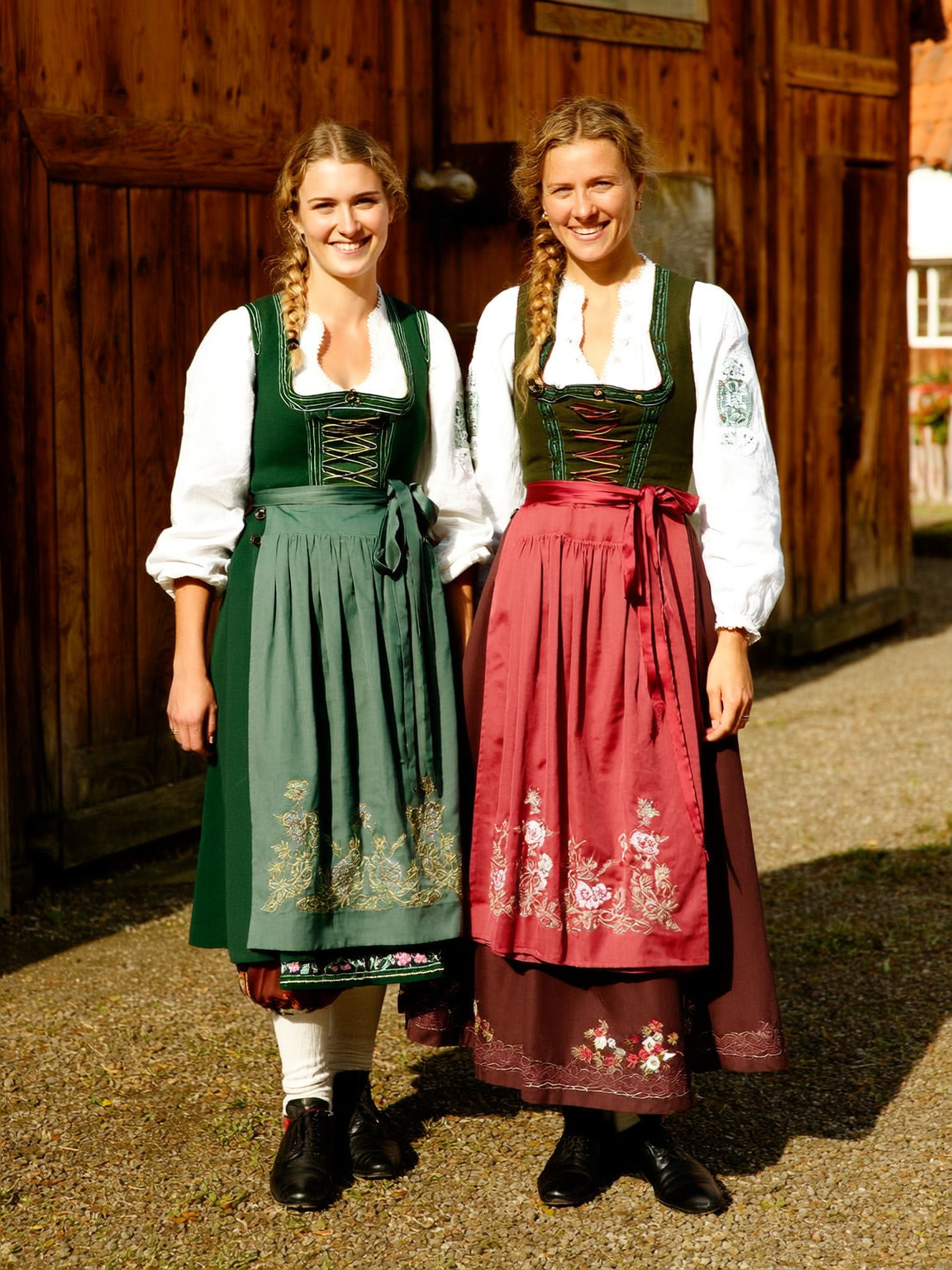
The church fair dirndl also works at the Wiesn, at a folk festival or at a Trachten wedding. A good traditional dirndl stays in use for years.
TRADITIONALLY MIDI
Which length suits tradition?
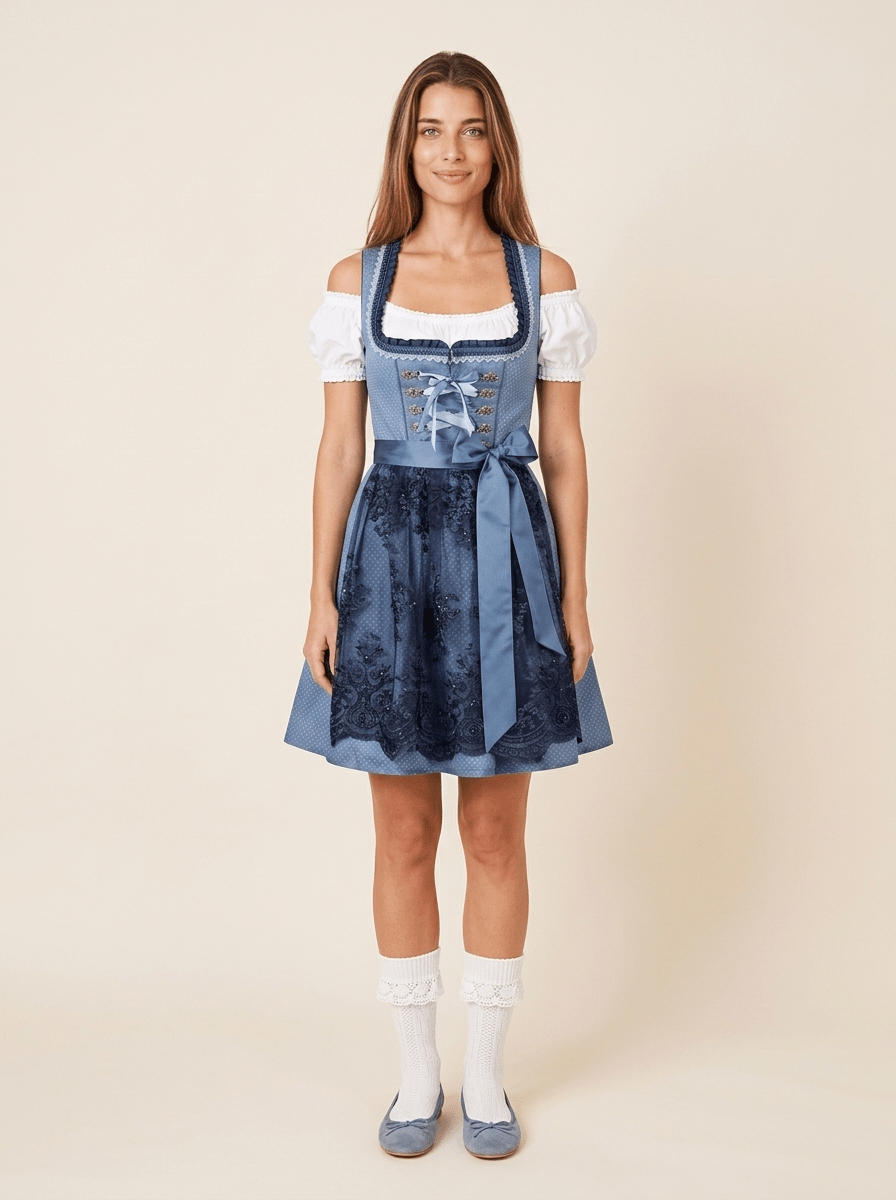
The midi dirndl at 65 to 75 centimeters dominates at the church fair, and deliberately so. Midi matches the historical Tracht length for festive occasions and suits the rather conservative aesthetic of most church fair events. If you want to look authentic, midi is the safe choice.
Long dirndls from 80 centimeters are also seen at the church fair, especially at more festive daytime events or Tracht parades. They look very traditional and are often worn by members of Trachten associations. Short dirndls suit this occasion less well than the Oktoberfest; at a church fair they quickly come across as too casual. Our clear recommendation: midi in a classic color, with clean, traditional workmanship.
HIGHLIGHT II
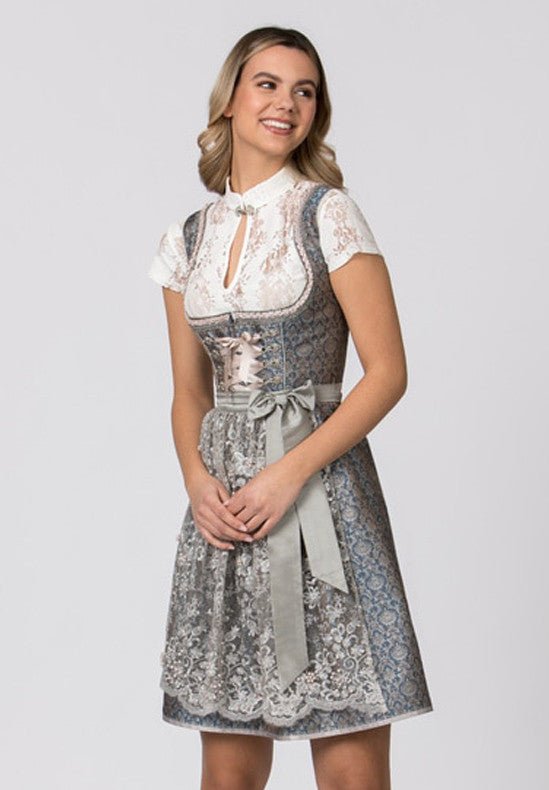
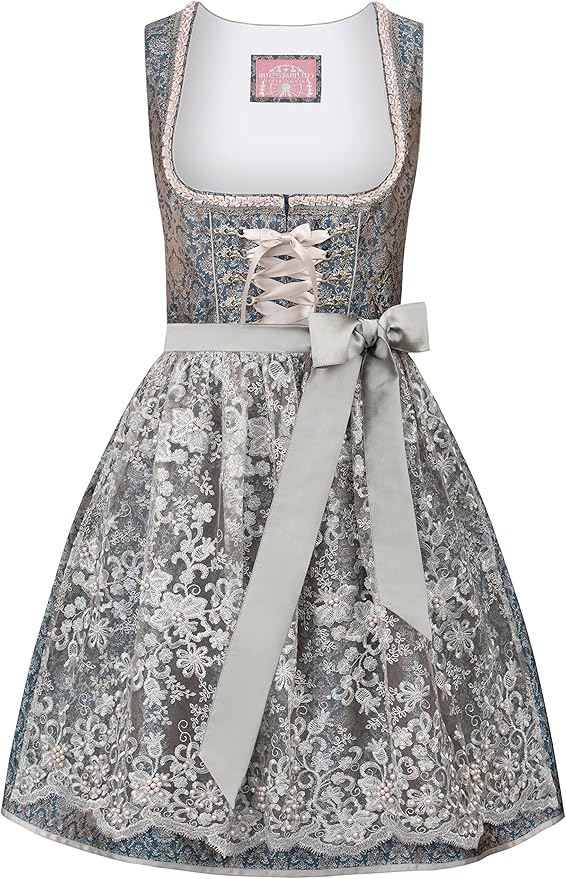
Dirndl Zenta


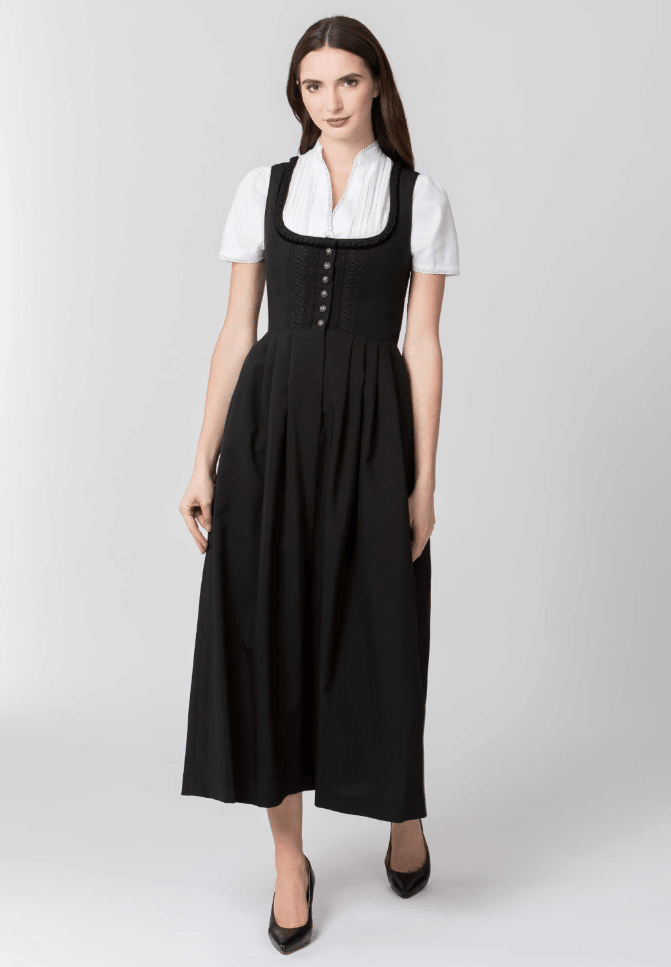
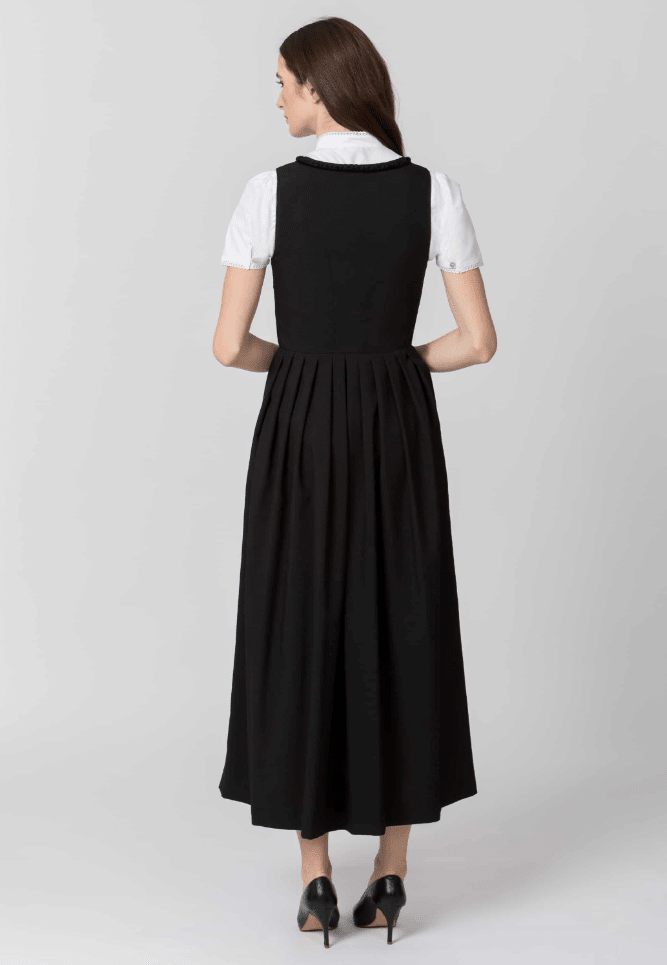
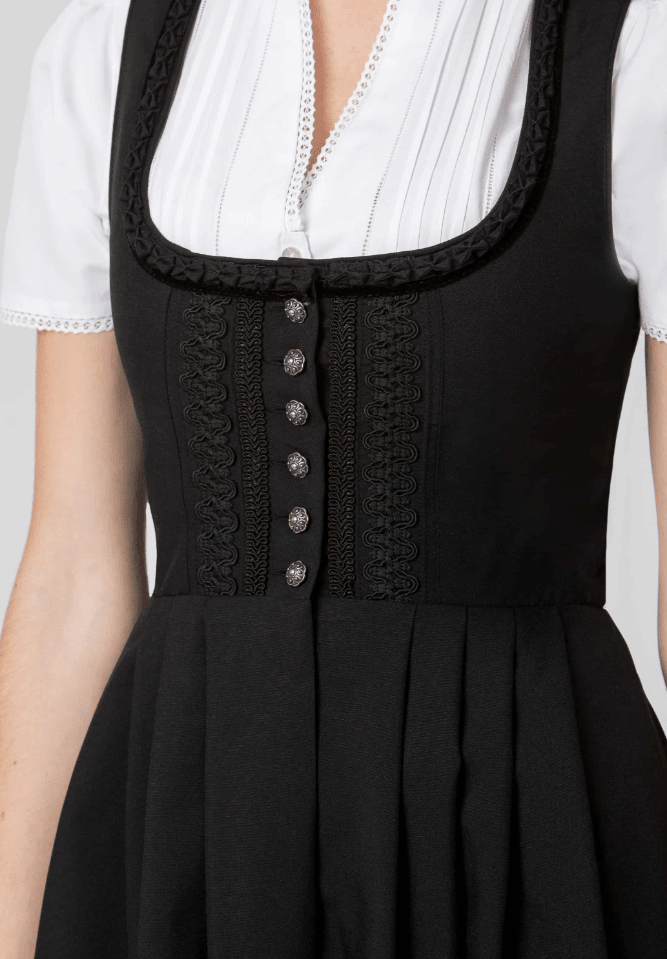
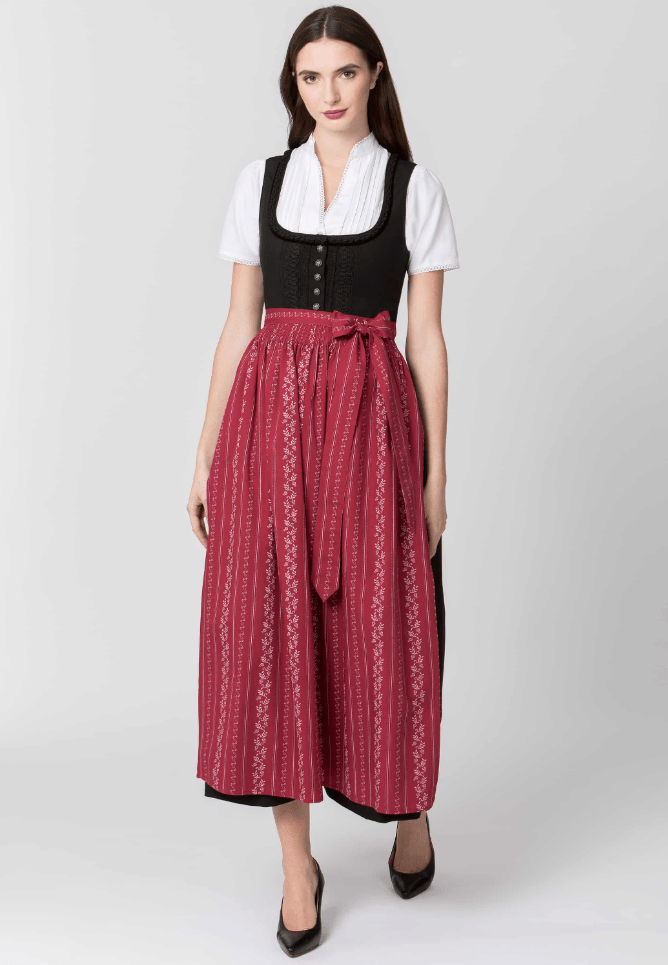
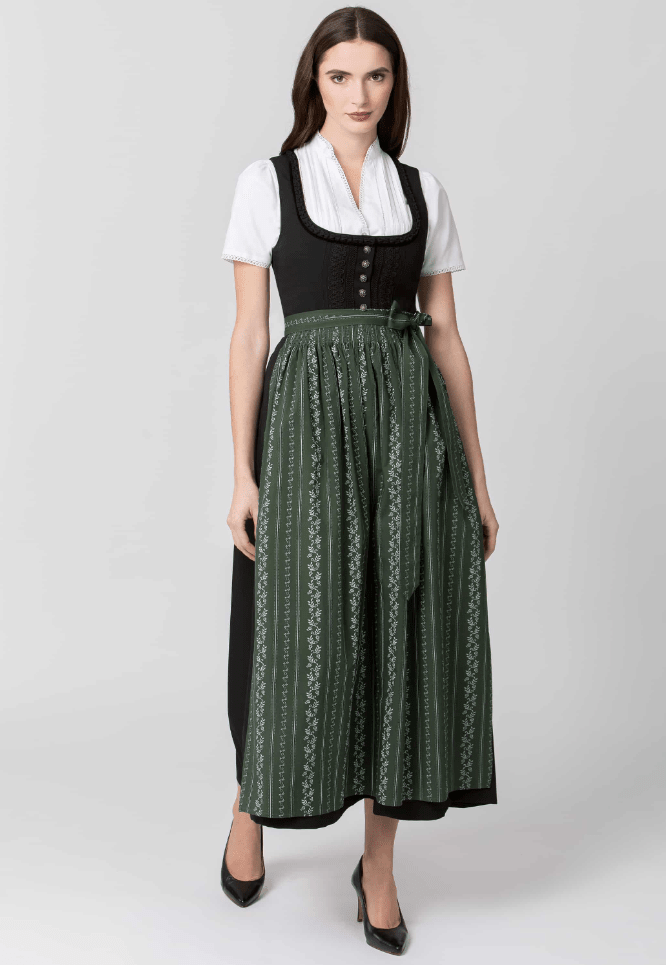
The affordable entry into authentic Tracht. Cleanly cut, traditionally styled, fairly priced. For anyone who wants to be well dressed at the church fair without a premium budget.
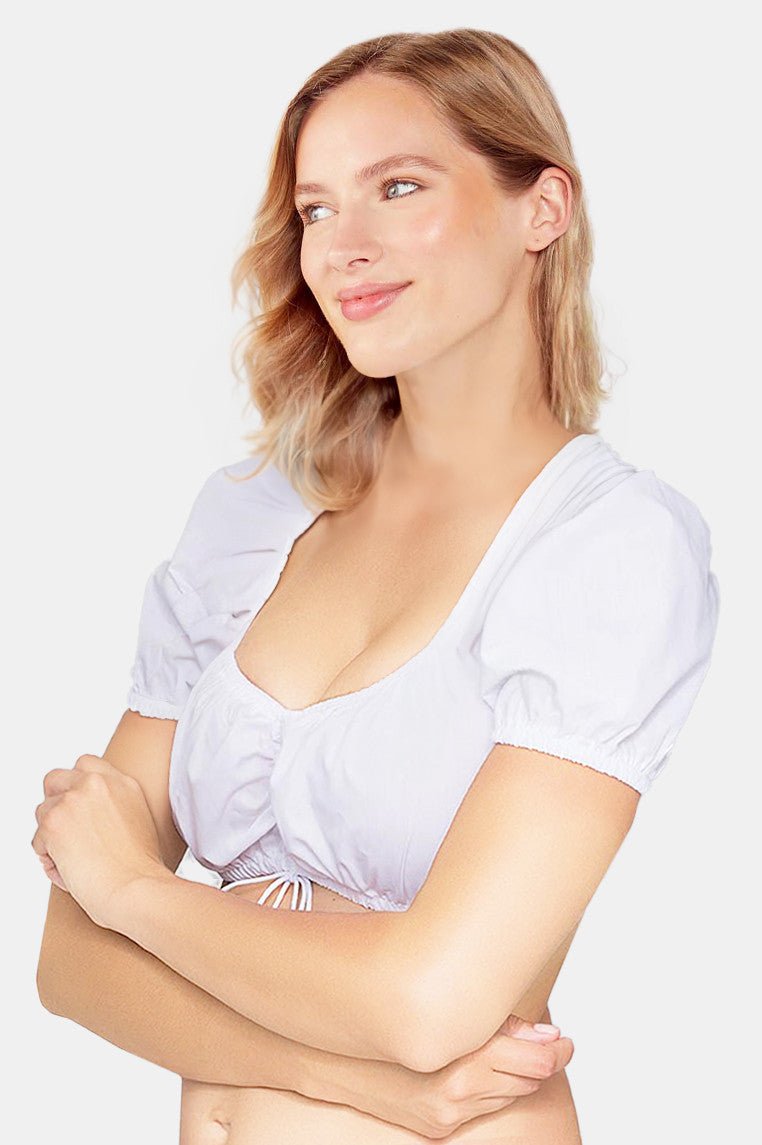
COMPLETE THE LOOK

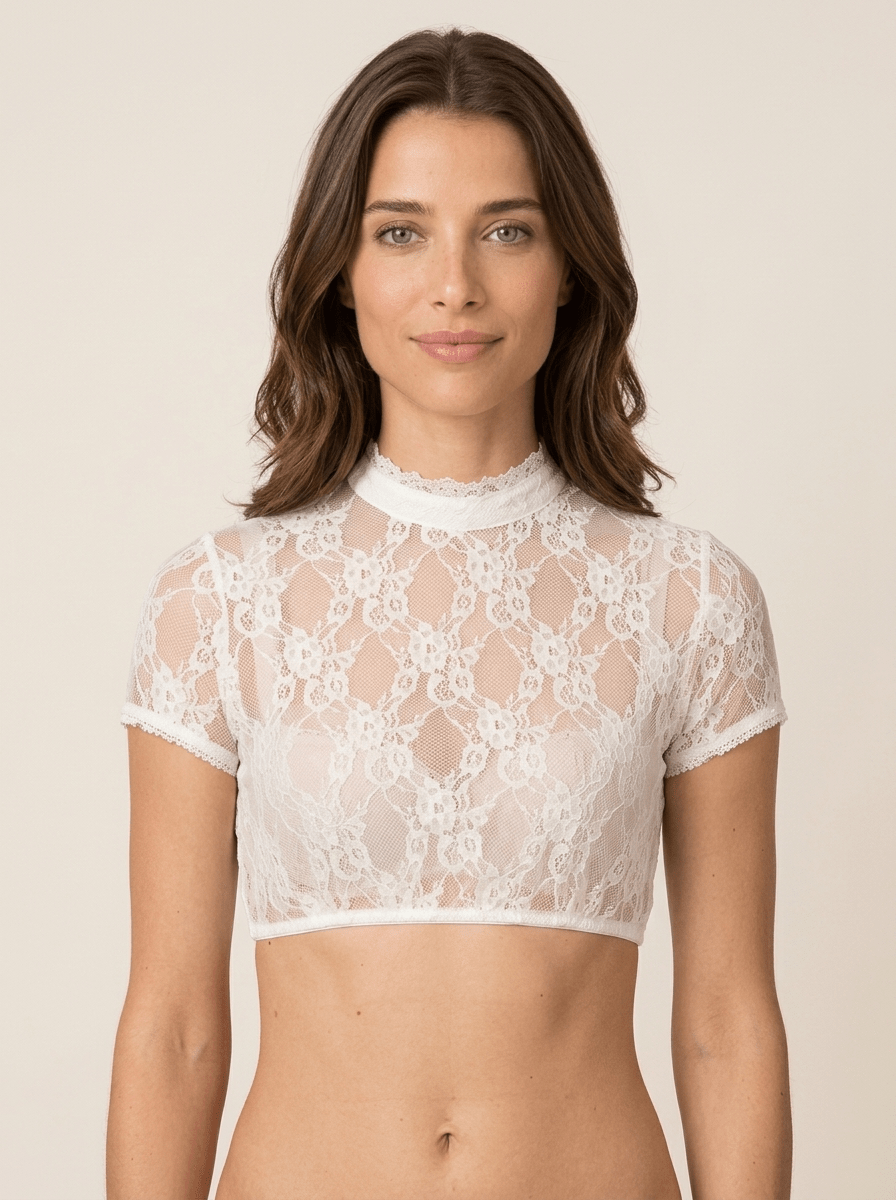
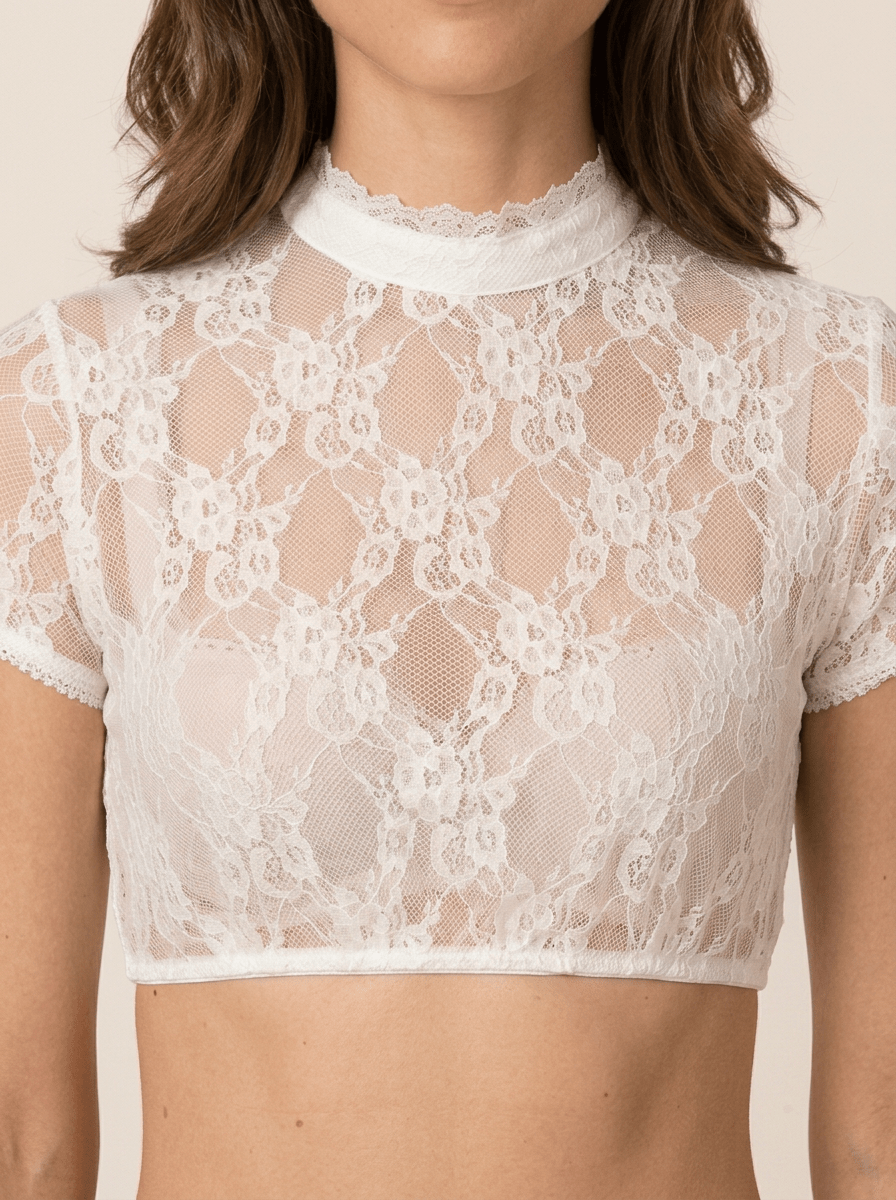
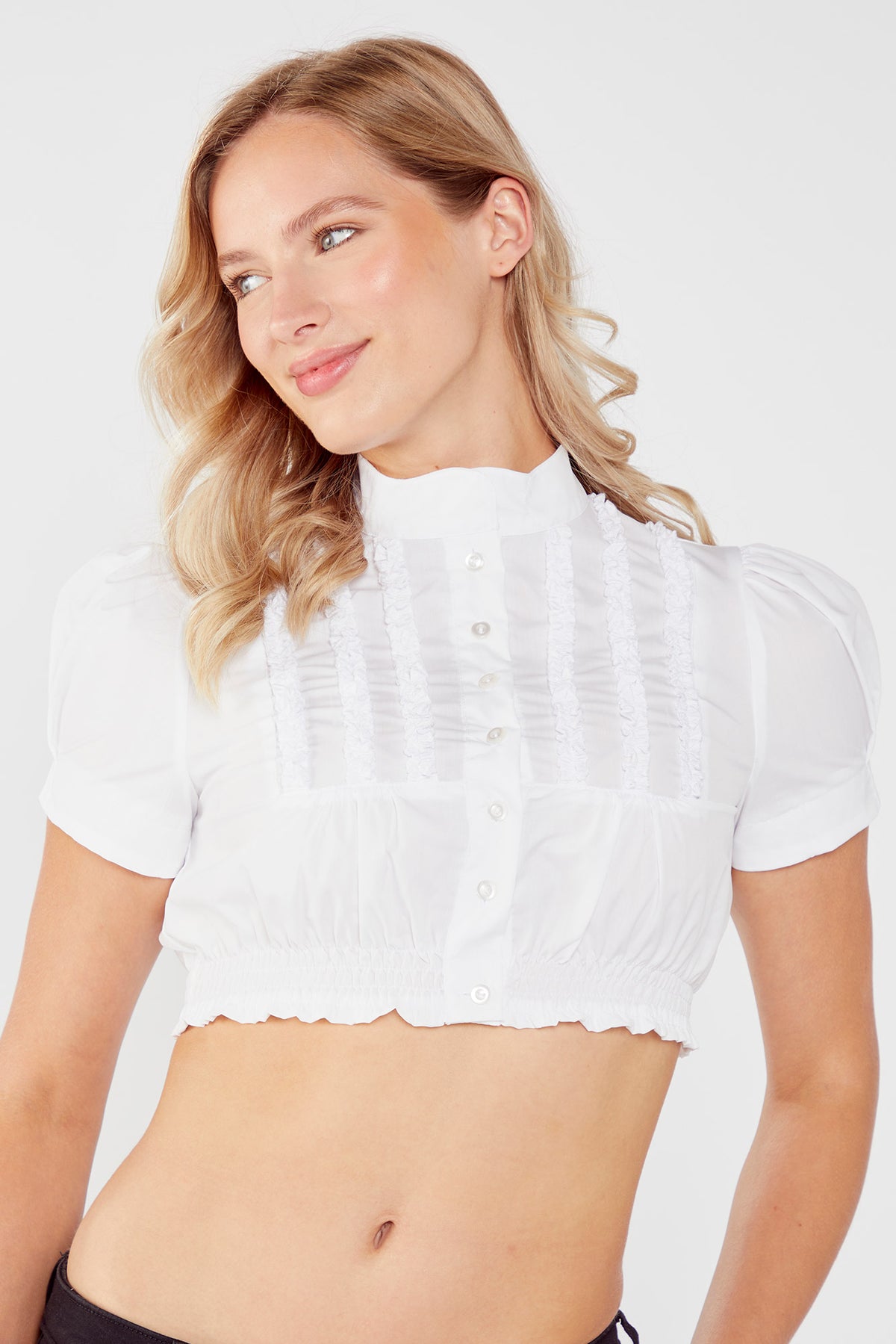

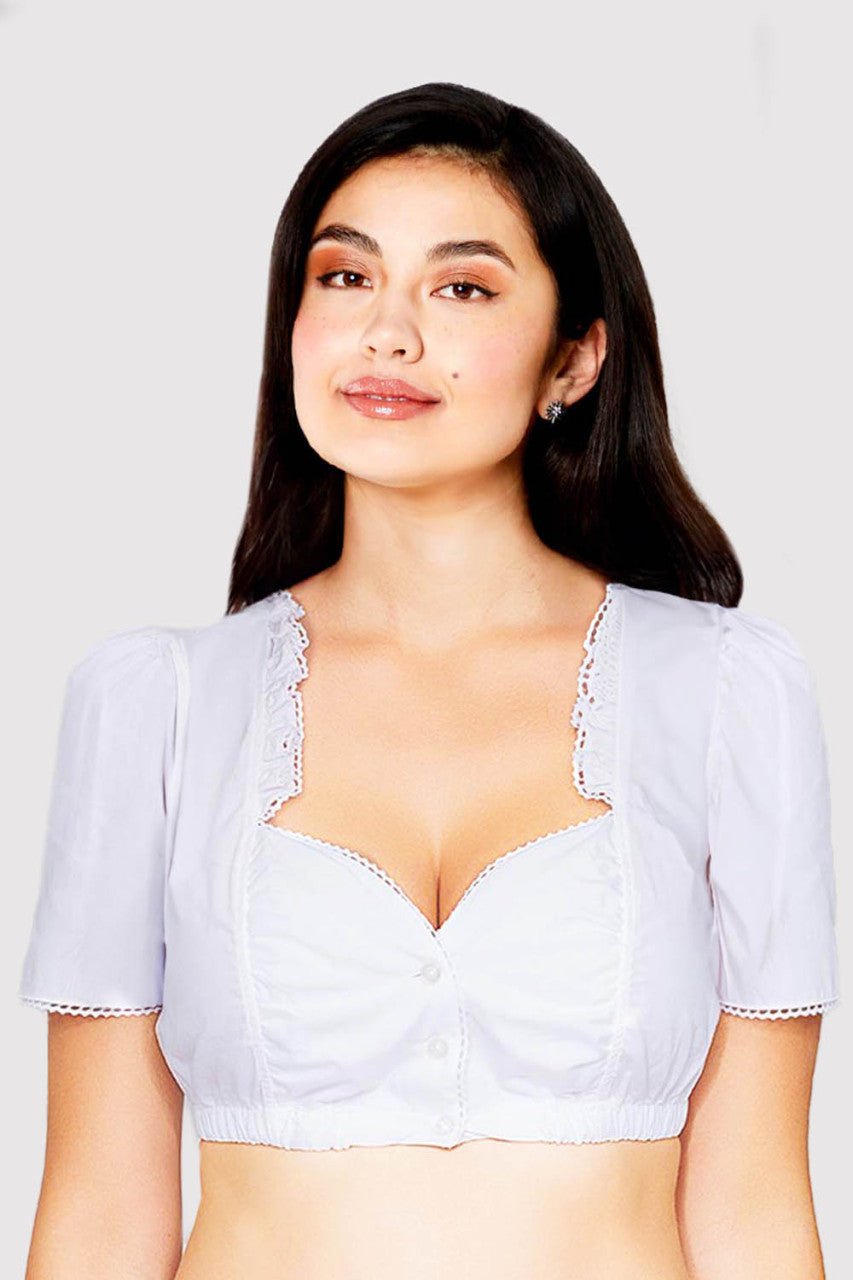

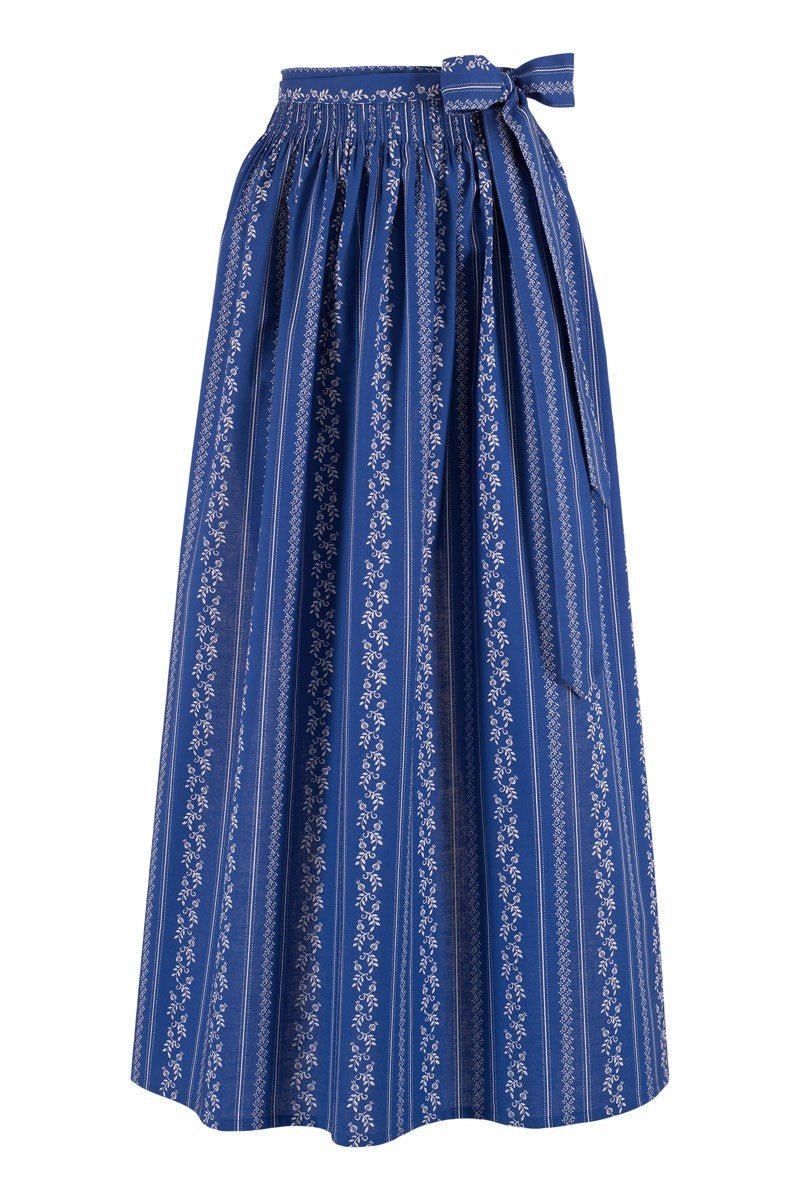
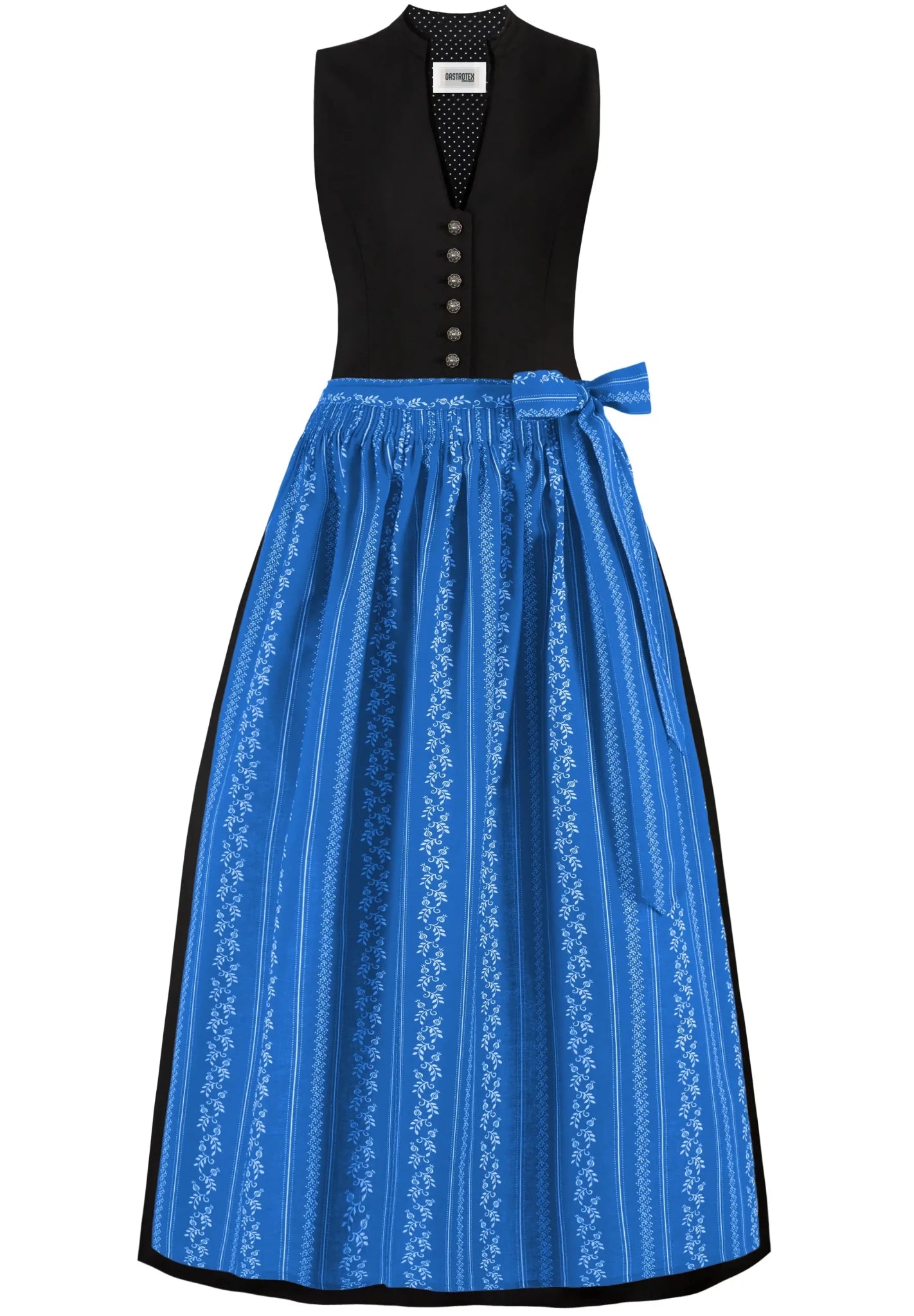
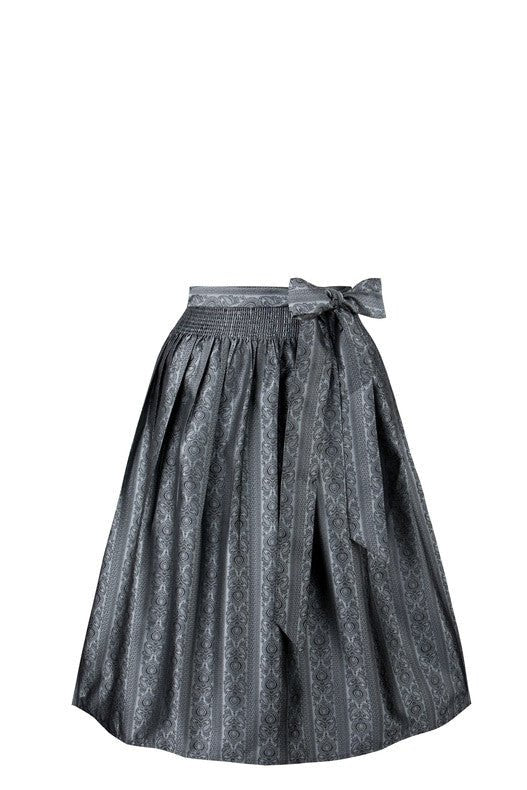
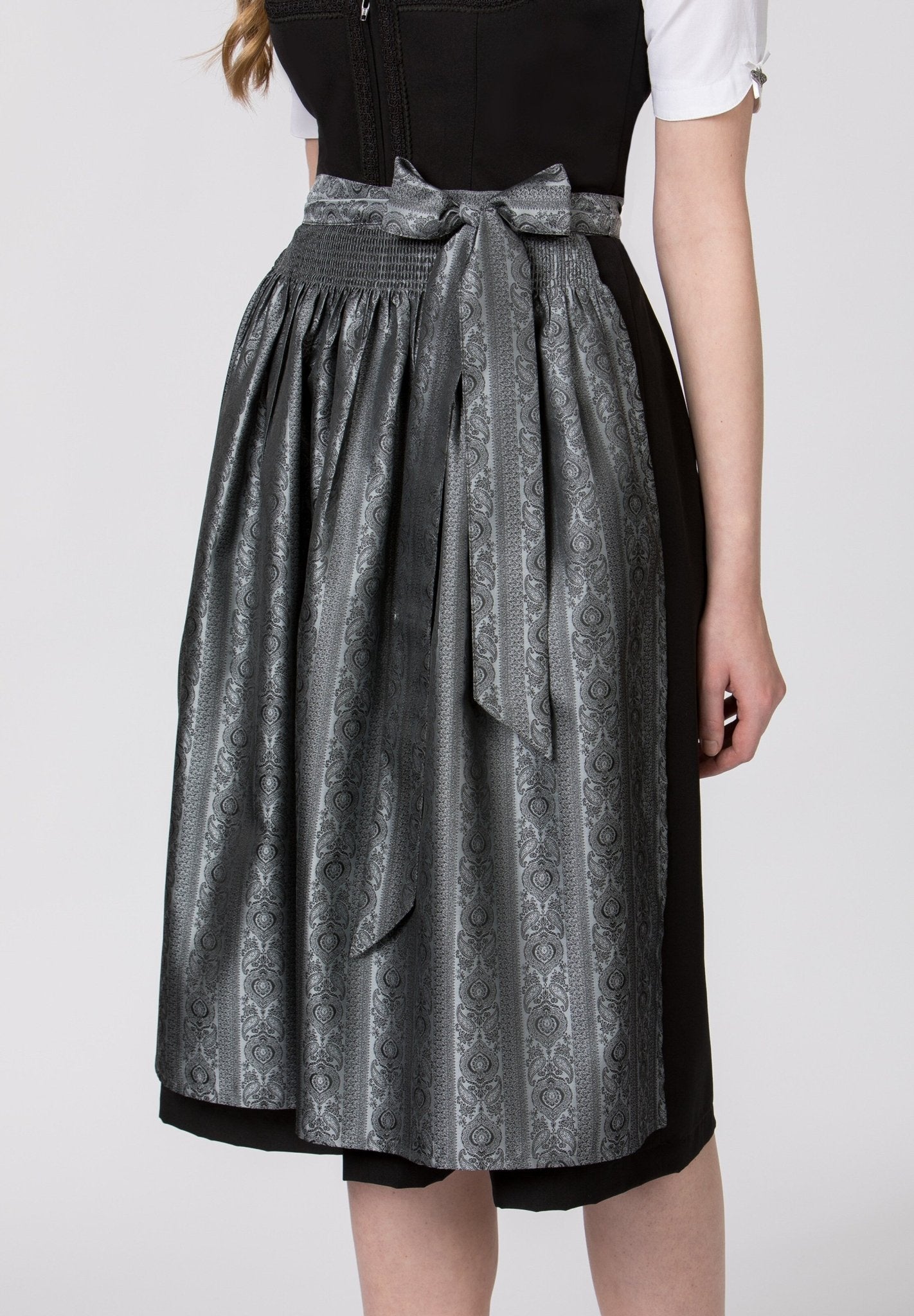
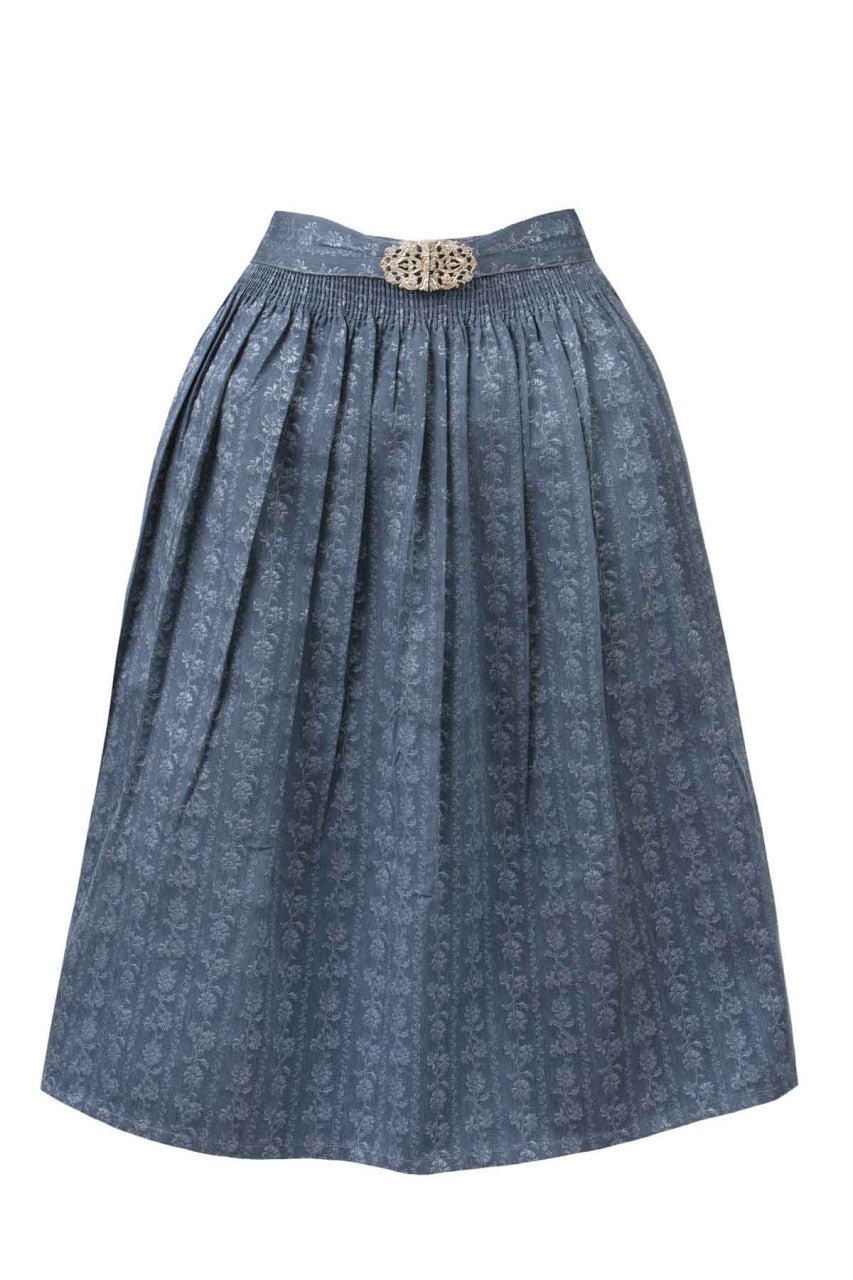
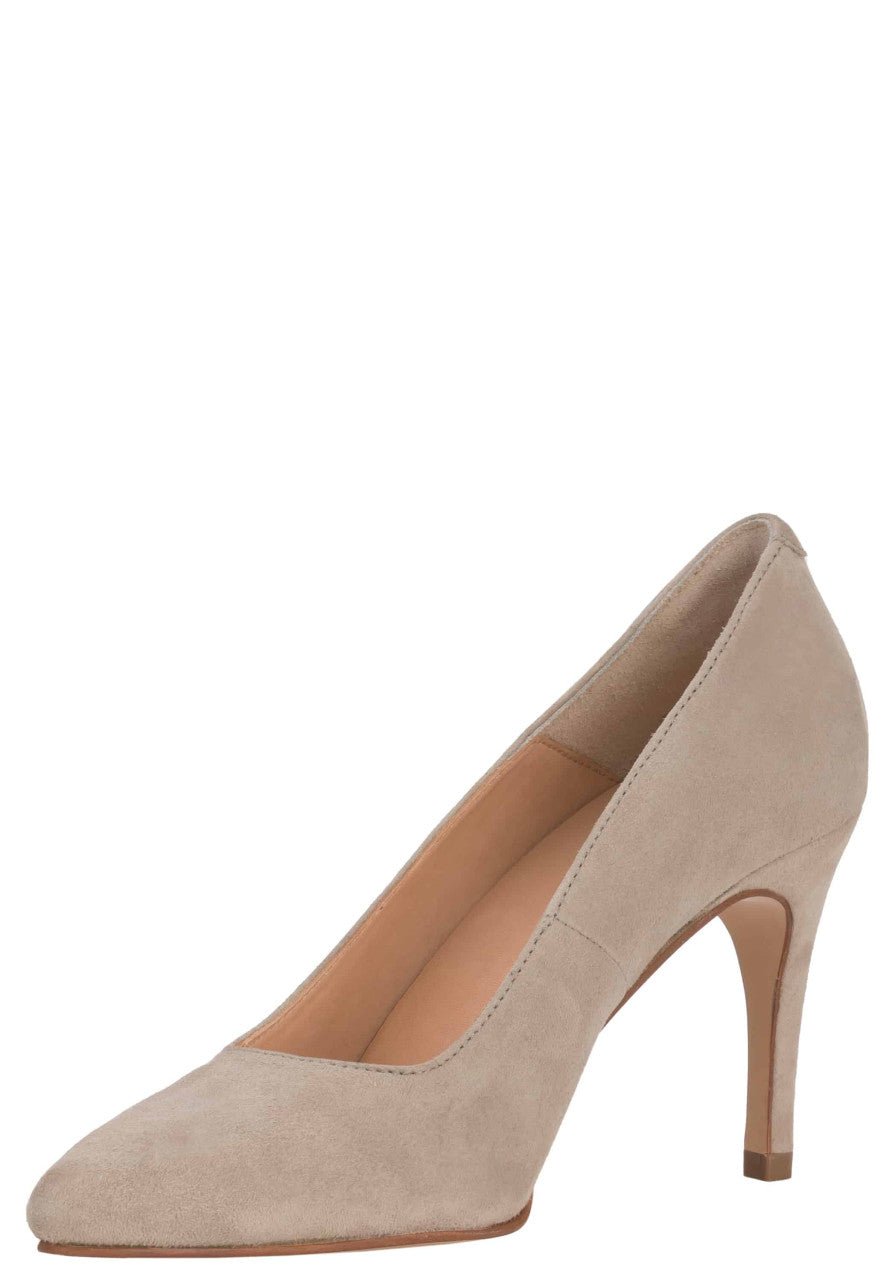
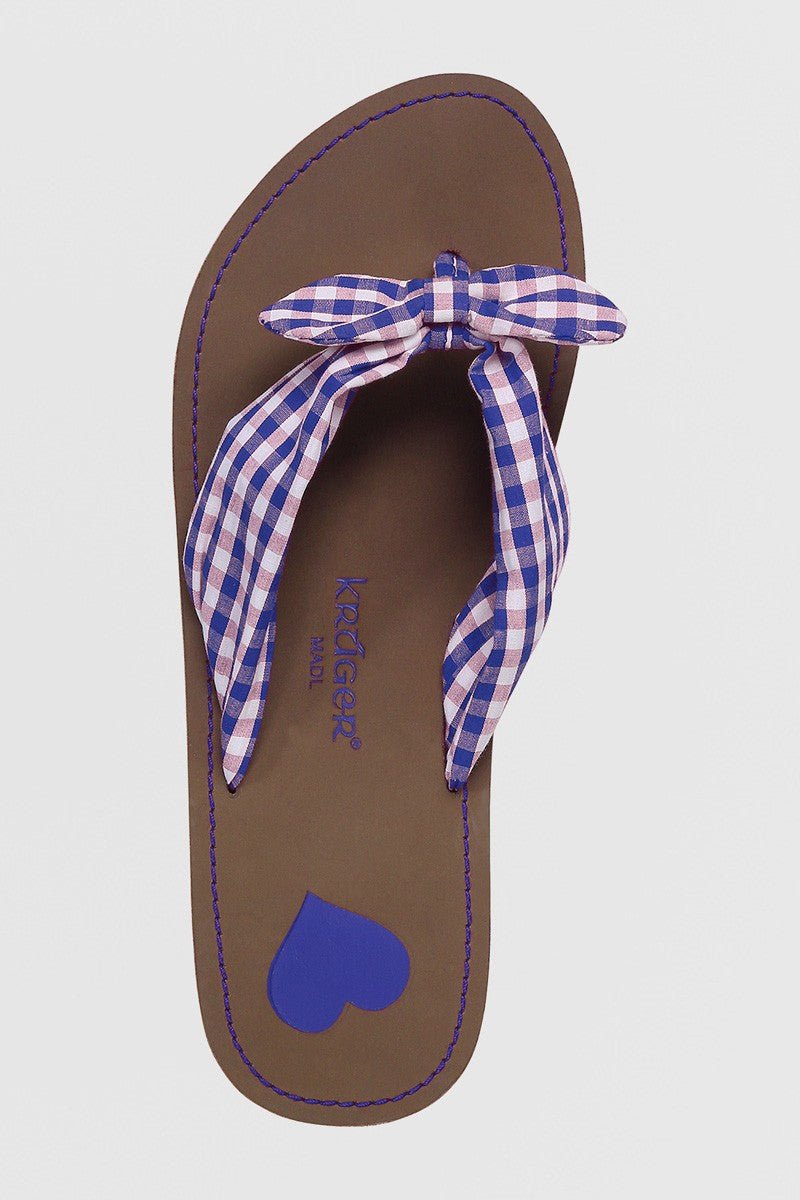
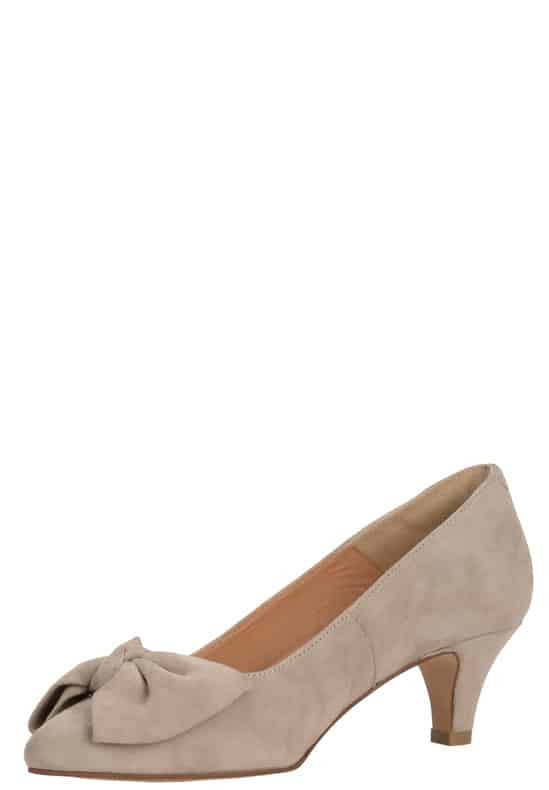
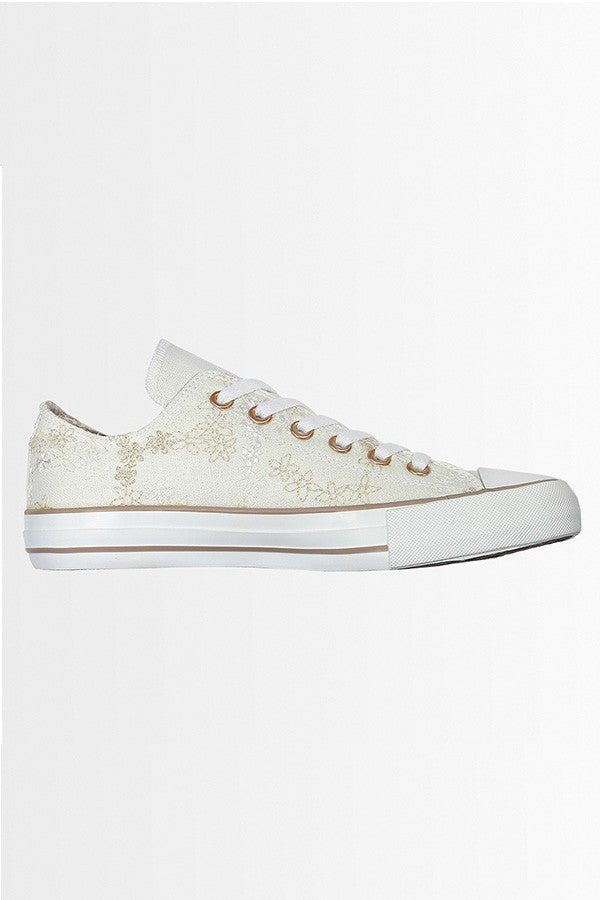
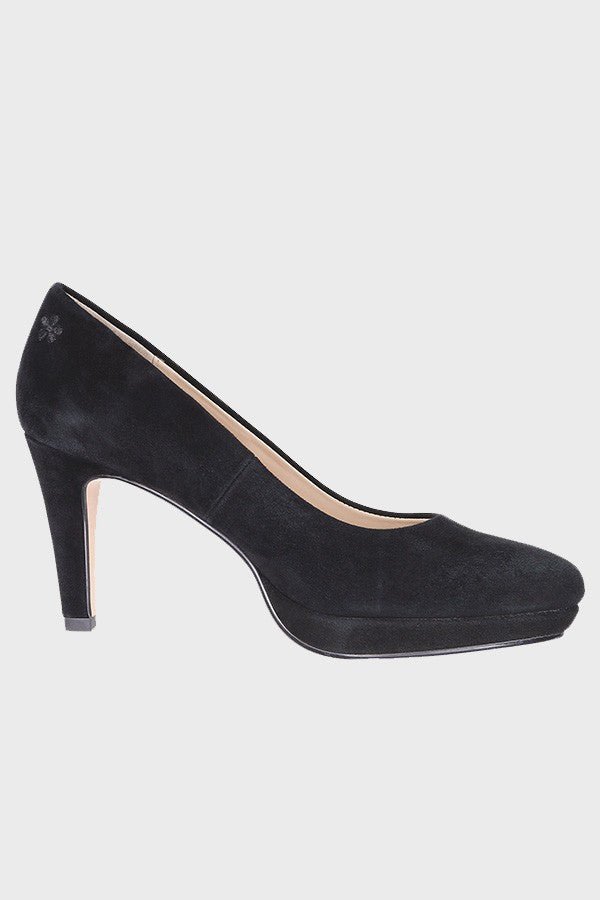
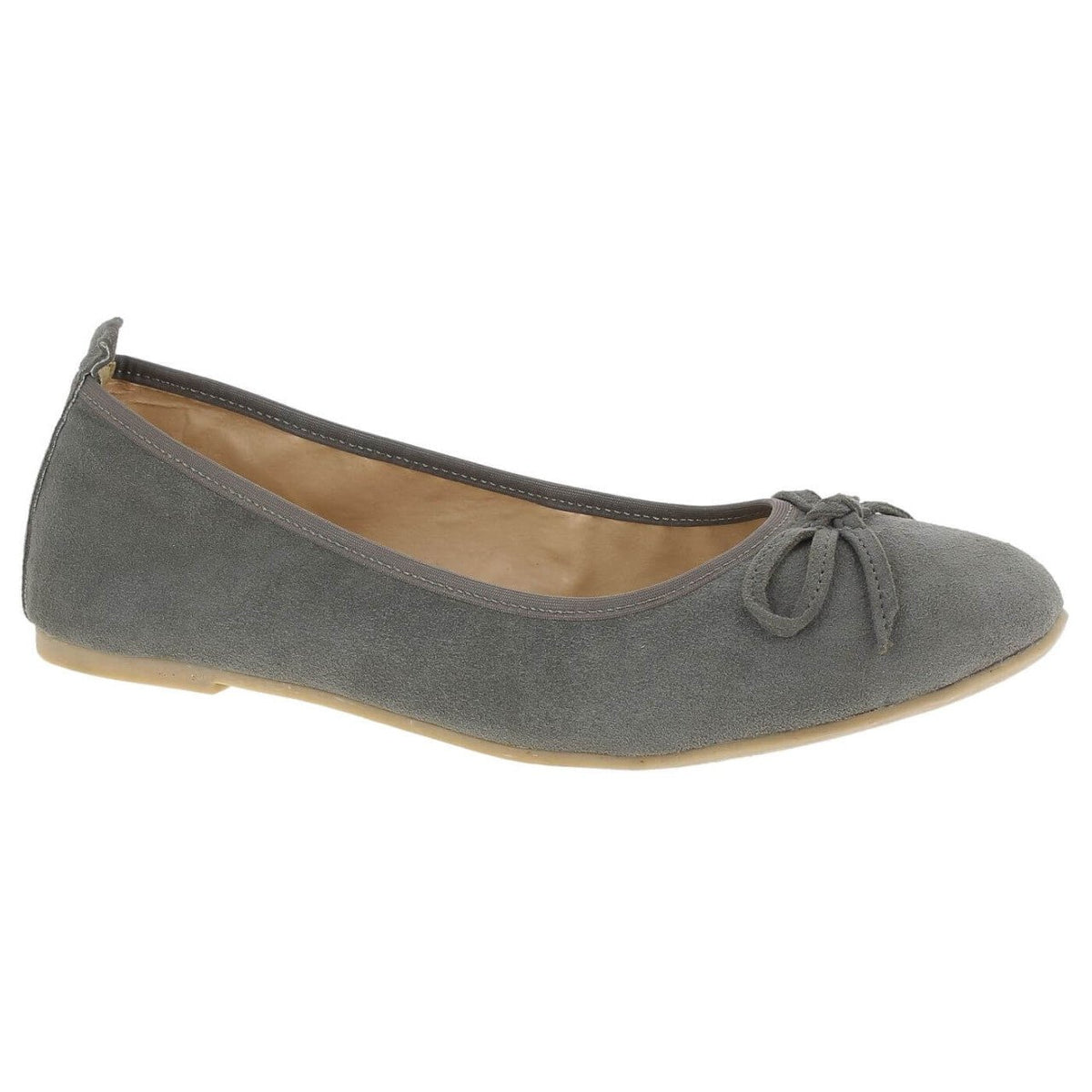
FREQUENTLY ASKED QUESTIONS
Quick Answers
Dirndls for the Church Fair
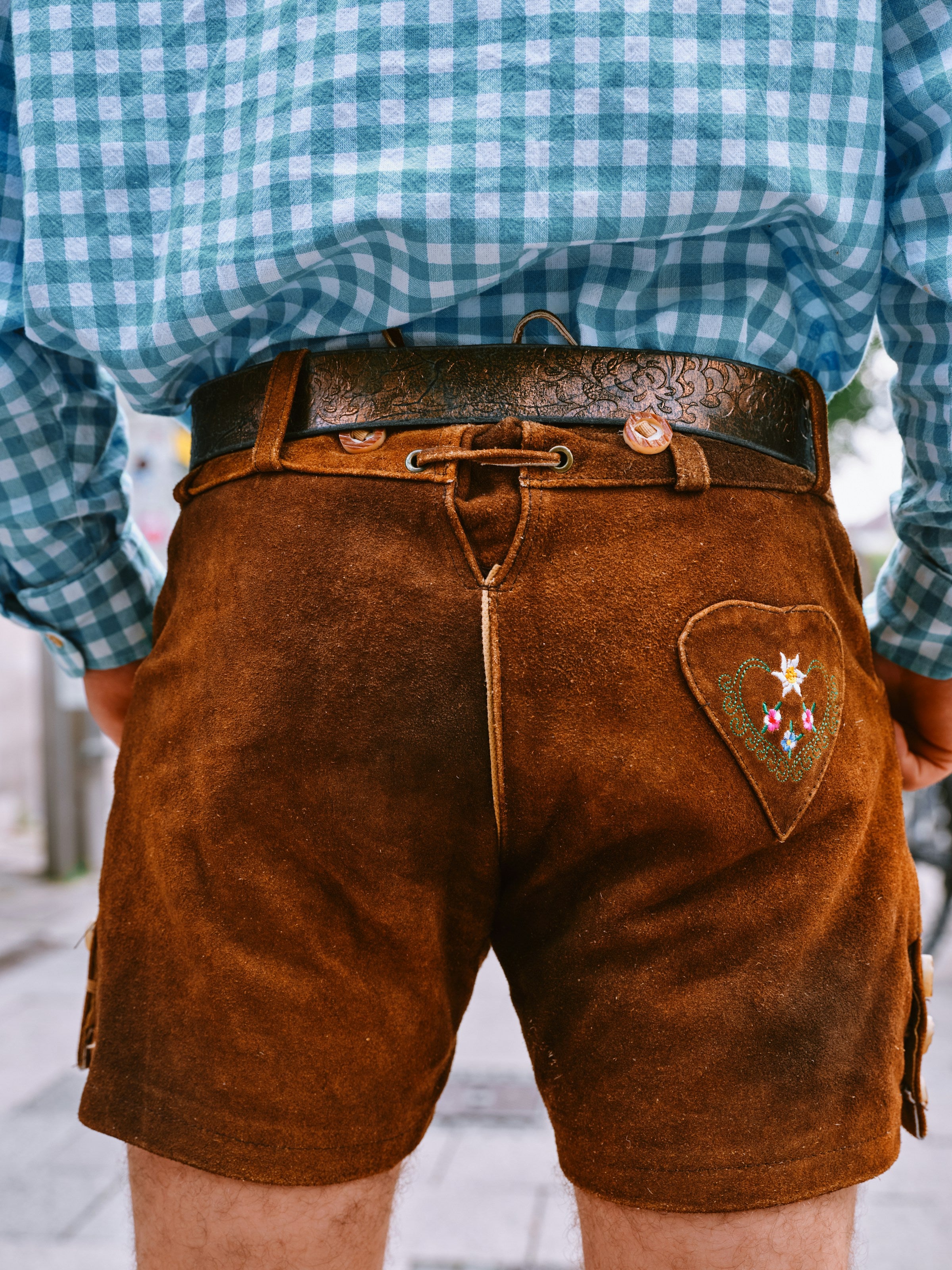
Traditionally Tracht: dirndls for women, lederhosen or a Trachten suit for men. But even without Tracht, no one is out of place at most church fairs. If you decide on a dirndl, choose a classic, traditionally styled look; very modern or experimental models quickly feel out of place at a church fair. A midi dirndl in a classic color is the safe choice.
Both work. Franconian Tracht is deeply rooted regionally and preferred by many Kerwa regulars, especially in Upper and Middle Franconia. A classic Bavarian or Austrian dirndl fits the Kerwa mood just as well and is not seen as out of place, especially at more open, tourist-friendly church fairs. If you are unsure, a traditional midi dirndl in a muted color is always the right call.
The church fair is noticeably more traditional and locally rooted than the Oktoberfest. In Munich, a strong trend toward colorful, modern dirndls has developed in recent years. At a church fair, most visitors stick to classic colors, traditional cuts and an authentic look. A dirndl that looks good at the church fair also works at the Wiesn. Conversely, a trend dirndl from Munich can feel out of place at a Franconian Kerwa.
No, there is no dress code at any church fair. Many guests wear everyday clothing, especially on weekdays or at smaller village festivals. Dirndls are welcome but not required. If you decide to wear Tracht, it is usually received positively, especially if you hit the traditional aesthetic. First-time church fair visitors are in very good company in a classically cut midi dirndl in a muted color.
It depends on the quality. A cheap disposable dirndl from a discount store is often already misshapen and ill-fitting after one church fair. A good, mid-priced dirndl from around 150 euros, on the other hand, holds up for years and can later be worn again at the Wiesn, a folk festival, the spring festival, or a Trachten wedding. The cost per wear drops significantly over the years. Our recommendation: if you are going to invest, invest once in quality rather than repeatedly in disposable pieces.
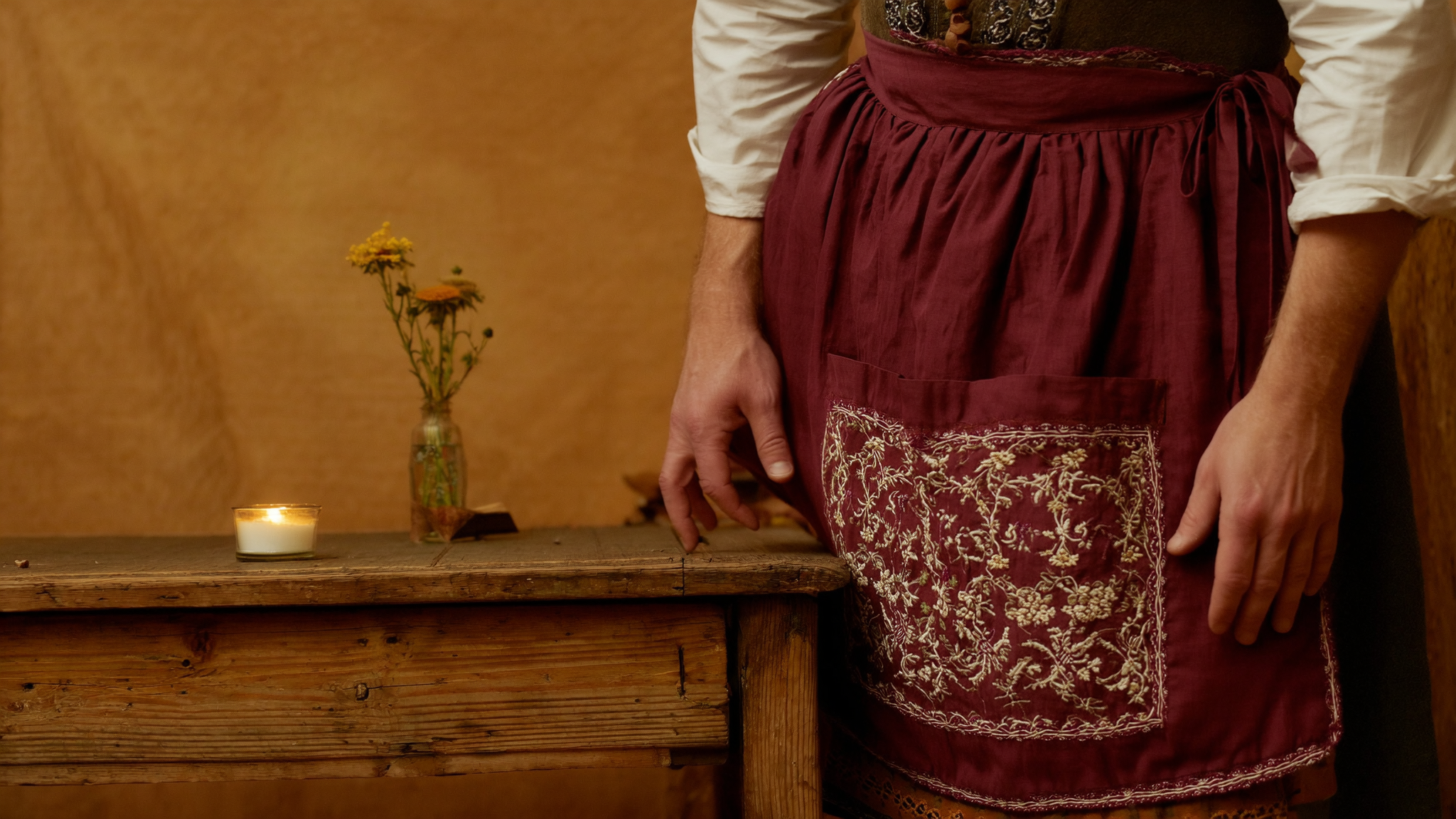
AUTHENTIC FOR THE CHURCH FAIR
Find your church fair dirndl.
Browse our selection of traditional dirndls and find a piece that matches the church fair mood.

Stay up to date
Newsletter
Sign up and be the first to find out about new collections, exclusive offers and styling tips for your perfect traditional outfit.