
Men's Trachtenjanker: The Ultimate Guide to Janker & Waistcoat
|
Time to read 6 min

|
Time to read 6 min
The Trachtenjanker is the go-to outerwear piece for men's traditional Tracht looks. Whether for Oktoberfest, a wedding, or simply a polished Alpine outfit, a quality Janker elevates any ensemble. This guide explains the difference between Janker, Trachtenjacke, and waistcoat, what works for which occasion, and what to look for when buying.
Why you can trust us:
✓ We are experts in traditional Tracht fashion and Dirndl with over 5 years of experience
✓ We have already dressed more than 10,000 Wiesn visitors
✓ We follow the latest Tracht trends and know the newest collections
Want to find out more? Visit our store
The Trachtenjanker is a hip-length jacket made from loden or wool fabric, featuring a stand-up collar, button placket, and side pockets. It is the most traditional upper garment for men in Bavarian Tracht and has been an essential part of the men's Tracht outfit for centuries.
Material: A genuine Janker is crafted from loden cloth — a felted wool fabric that is water-resistant, durable, and warming. Loden's characteristic moss-green colour is an iconic feature of Bavarian Tracht, though it also comes in grey, anthracite, brown, and many other shades.
Details: Typical features of a Trachtenjanker include horn buttons, embroidery on the collar and cuffs, and box pleats at the back for freedom of movement. These details set the authentic Trachtenjanker apart from an ordinary jacket.
Fit: The Janker is cut with a tailored to slightly relaxed fit. It can be worn open or buttoned up depending on the occasion and temperature. A Trachtenhemd — traditionally white or checked — is worn underneath. For the complete look, pair it with Lederhosen or traditional Trachtenhose.

Our most popular Trachtenjanker and Trachtenjacken for men, from classic loden green to modern anthracite, brown, and navy blue:
Both the Janker and the waistcoat are essential pieces in men's Tracht, but they serve different purposes. Here's a direct comparison:
Trachtenjanker: A full jacket with long sleeves. It keeps you warm, is incredibly versatile, and suits every occasion from casual to formal. Ideal for cooler temperatures and more formal appearances. The Janker can be worn over a simple Trachtenhemd and instantly completes the outfit.
Tracht Waistcoat: A sleeveless top worn over the Trachtenhemd. More elegant and dressy than a Janker, but less warm. The waistcoat is the classic choice for the Oktoberfest tent, where things heat up quickly. It showcases the Trachtenhemd and Lederhosen to better effect and is a popular compromise between overdressing and underdressing.
When to wear which? Janker: outdoors, in cool weather, on the way to the Wiesn, on hikes. Waistcoat: inside the beer tent, at weddings, in an Alpine hut. Many men combine both — waistcoat in the tent, Janker for the journey there.

Our full range of Tracht waistcoats for men, from classic to contemporary, in all the traditional Tracht colours:
A great Trachtenjanker or Tracht waistcoat needs the right supporting pieces. Here are the key styling rules for a well-coordinated men's Tracht outfit:
Trachtenhemd: The shirt is the foundation. White is classic and always works. Checked shirts in red-white, green-white, or blue-white are popular and quintessentially Bavarian. The shirt should complement the Janker or waistcoat, not clash with it. With a green Janker, a white or green-checked shirt creates a harmonious look.
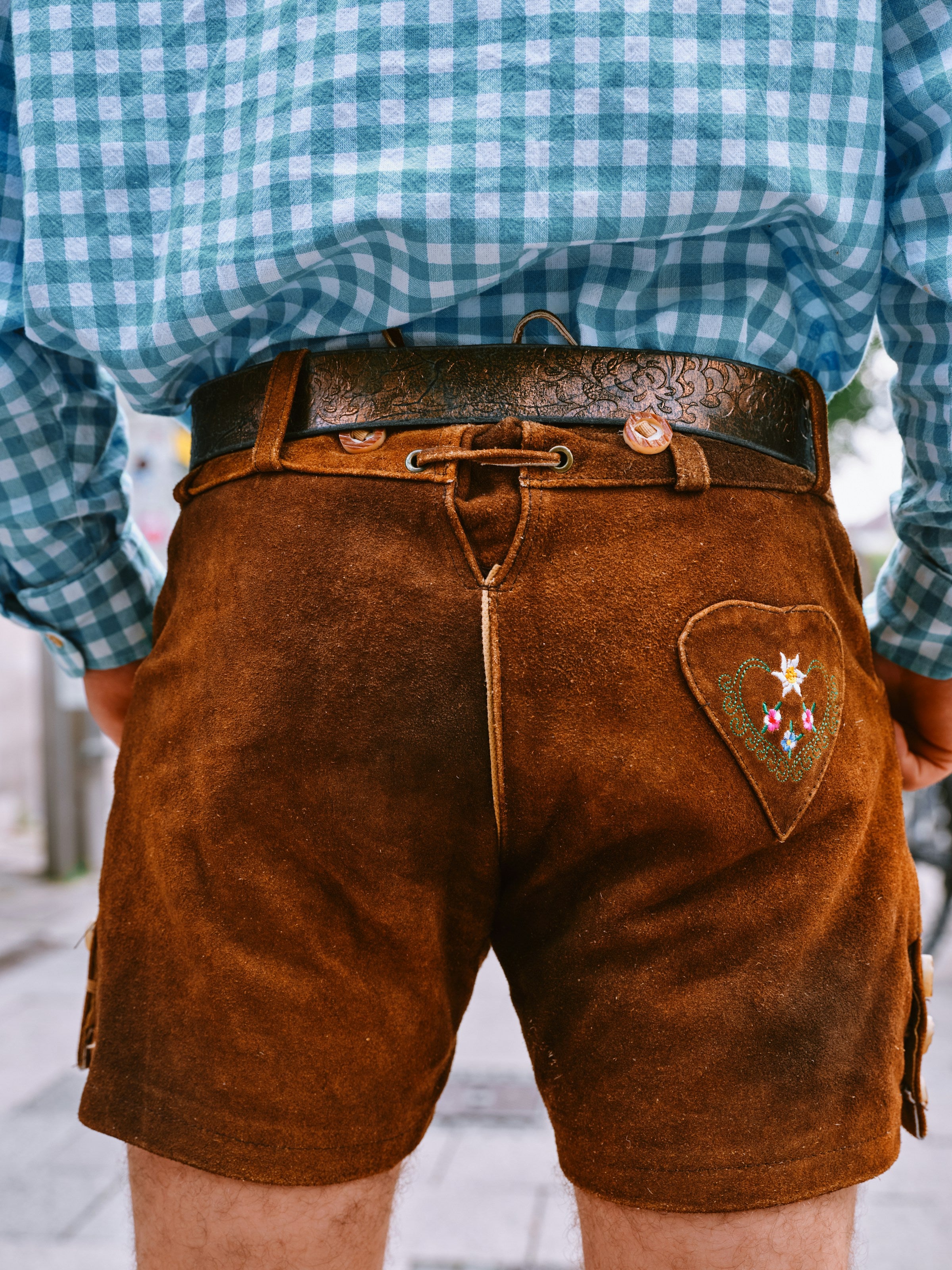
Lederhosen or Trachtenhose: The short Lederhose (knee-length breeches) is the classic counterpart to the Janker at Oktoberfest. For more formal occasions or cooler temperatures, long Trachtenhose in linen or wool is an excellent choice. Find out more in our Lederhosen Guide.
Shoes: Haferlschuhe (traditional leather shoes) are the perfect match for a Janker and Lederhosen. Brown is the classic colour; black looks more elegant. Tracht socks or Loferl (short calf-warmers) complete the look. More in our Haferlschuhe Guide.
Accessories: A Tracht belt with the Lederhosen, matching braces, and optionally a hat or Tracht cap round off the look perfectly. Less is more — a quality Janker speaks for itself.

A quality Trachtenjanker is an investment that pays off. Here's what to look for when buying, and how to keep it looking great for years to come:
Material quality: Genuine loden made from pure wool outlasts synthetic blends. It costs more, but moulds to your body, keeps you warmer, and still looks good after years of wear. For more affordable Janker, look for a high wool content (min. 80%).
Craftsmanship: Inspect the seams, buttons, and lining. Horn buttons, neatly finished embroidery, and a quality lining are signs of superior workmanship. The buttons should be firmly attached and the lining should not fray.
Sizing: Janker are cut slightly roomier than regular jackets. When buying, make sure you have enough freedom of movement at the shoulders and arms. After all, you'll want to raise your arms for a toast in the tent without feeling cramped.
Care: Loden Janker rarely need washing. In most cases, airing the Janker out or dabbing light stains with a damp cloth is sufficient. If washing is necessary: hand wash or wool cycle at a maximum of 30°C, and lay flat to dry.
The Trachtenjanker is the most versatile outerwear piece in men's Tracht. A quality loden Janker in classic green or grey suits any Lederhosen and is equally at home at Oktoberfest, weddings, and folk festivals. If you prefer something more contemporary, the Tracht waistcoat is the answer: more elegant, perfect for the beer tent, and a timeless companion for any Tracht event.
If you're looking for a new Dirndl that's easy-care and high quality, feel free to browse our store
Trachtenjanker and Waistcoats for Men
A Trachtenjanker is a hip-length jacket made from loden or wool fabric, traditionally worn as part of Bavarian men's Tracht. It features a stand-up collar, horn buttons, and embroidery, making it the most classic upper garment for men in traditional dress.
The Trachtenjanker has long sleeves and provides excellent warmth — ideal for outdoors and cooler temperatures. The Tracht waistcoat is sleeveless, more elegant, and typically worn inside the beer tent where it gets warm. Many men wear the waistcoat in the tent and the Janker on the way there.
A Trachtenhemd is worn under the Trachtenjanker — classically white or checked in red-white, green-white, or blue-white. The shirt should be colour-coordinated with the Janker and have a traditional Tracht style.
The short Lederhose (knee-length breeches) is the classic partner for the Trachtenjanker at Oktoberfest. For cooler temperatures or more formal occasions, long Trachtenhose in linen or wool is also a great option.
Loden cloth rarely needs washing. Light stains can be removed with a damp cloth, and regular airing is usually sufficient. If washing is needed: hand wash or wool cycle at 30°C, and lay flat to dry.
A Trachtenjanker should fit with a tailored to slightly relaxed cut. It should sit well at the shoulders, allow freedom of movement in the arms, and hang smoothly at the front without pulling. It must remain comfortable when seated and with arms raised.
Discover Matching Tracht

Stay up to date
Sign up and be the first to find out about new collections, exclusive offers and styling tips for your perfect traditional outfit.