
Dirndl Blouse Guide: White, Color, Lace & What Really Works
|
Time to read 6 min

|
Time to read 6 min
The dirndl blouse is no supporting act. It accounts for up to 30% of the entire dirndl look and determines whether an outfit feels classically elegant or freshly modern. Whether it's a white lace blouse, a coloured short-sleeved blouse or a sheer ruffled blouse — the right choice depends on the dirndl's colour, the occasion and your personal style. This guide covers everything you need to know.
Why you can trust us:
✓ We have been experts in traditional Bavarian fashion and dirndl for over 5 years
✓ We have already dressed over 10,000 Oktoberfest visitors
✓ We follow the latest Tracht trends and know the newest collections
Want to find out more? Visit our store
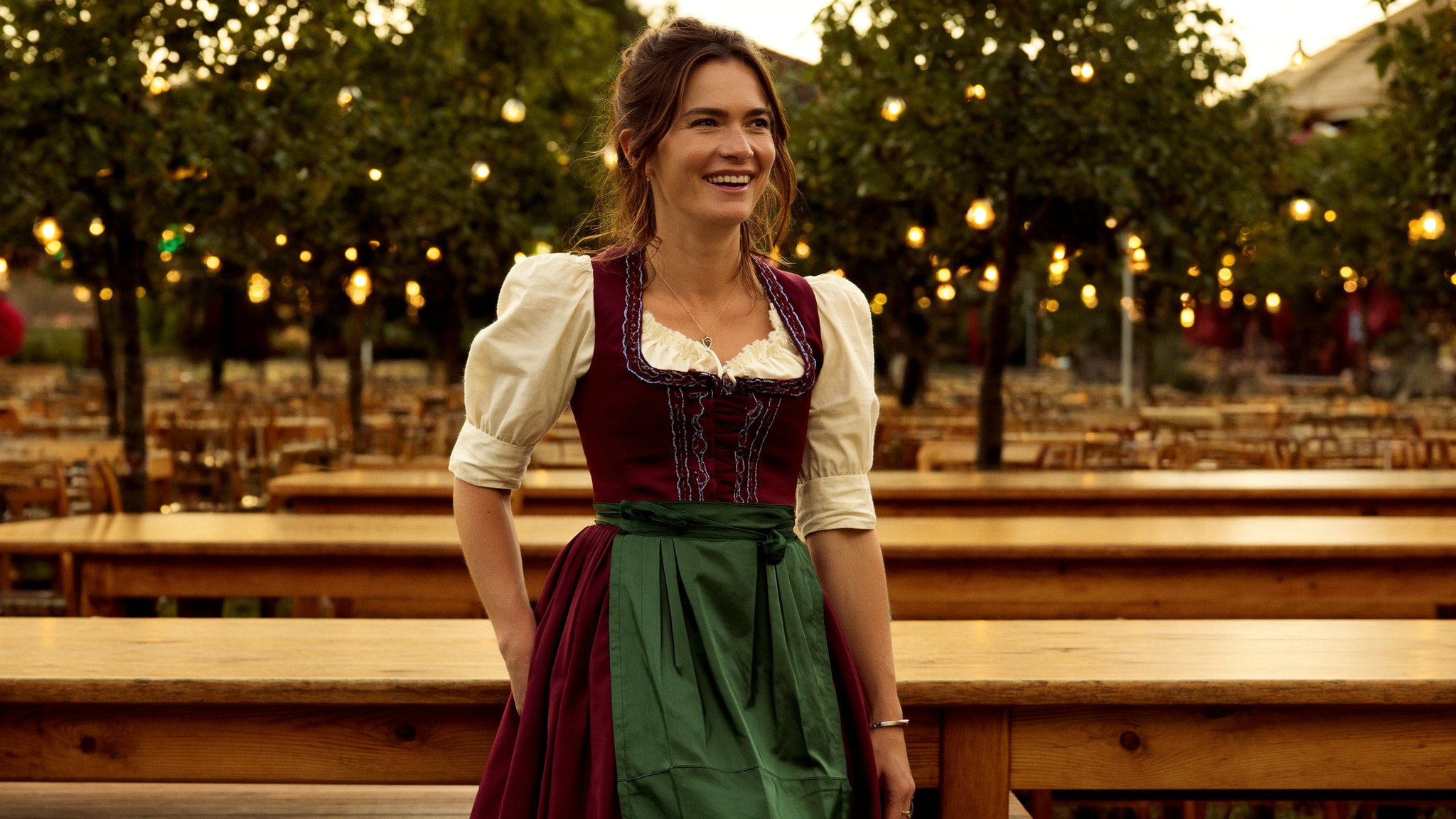
The white dirndl blouse is the most popular and versatile choice. It pairs with any dirndl, regardless of the colour or pattern of the bodice. White is universally flattering and never goes wrong visually.
Cotton or cotton blend: The most popular fabric. Breathable, machine-washable and comfortable against the skin. The best choice for long Oktoberfest days in the tent. Cotton blouses feel less stiff than satin and drape more naturally.
Lace details: Lace at the neckline, sleeve cuffs or as an insert instantly elevates a simple blouse. High-quality lace adds a feminine touch without looking overdressed. Especially popular for more formal occasions such as weddings and gala balls.
Cut and neckline: The classic square neckline of the dirndl blouse is low but structured. It accentuates the décolletage without looking vulgar. Alternatives include round necklines or turtleneck versions for more conservative appearances. Sleeve lengths range from short (classic for summer) to puff sleeves (romantic, more formal).
Cream and écru: If pure white feels too stark, go for off-white tones. Cream and écru look warmer and pair particularly well with naturally dyed dirndl fabrics in brown, green, burgundy or mustard yellow.

Our most popular white and cream dirndl blouses, from classic lace to modern cuts:
Coloured dirndl blouses are no longer an experiment — they're a deliberate style statement. If you want to personalise your look and stand out from the crowd, go for a blouse in a contrasting colour or black.
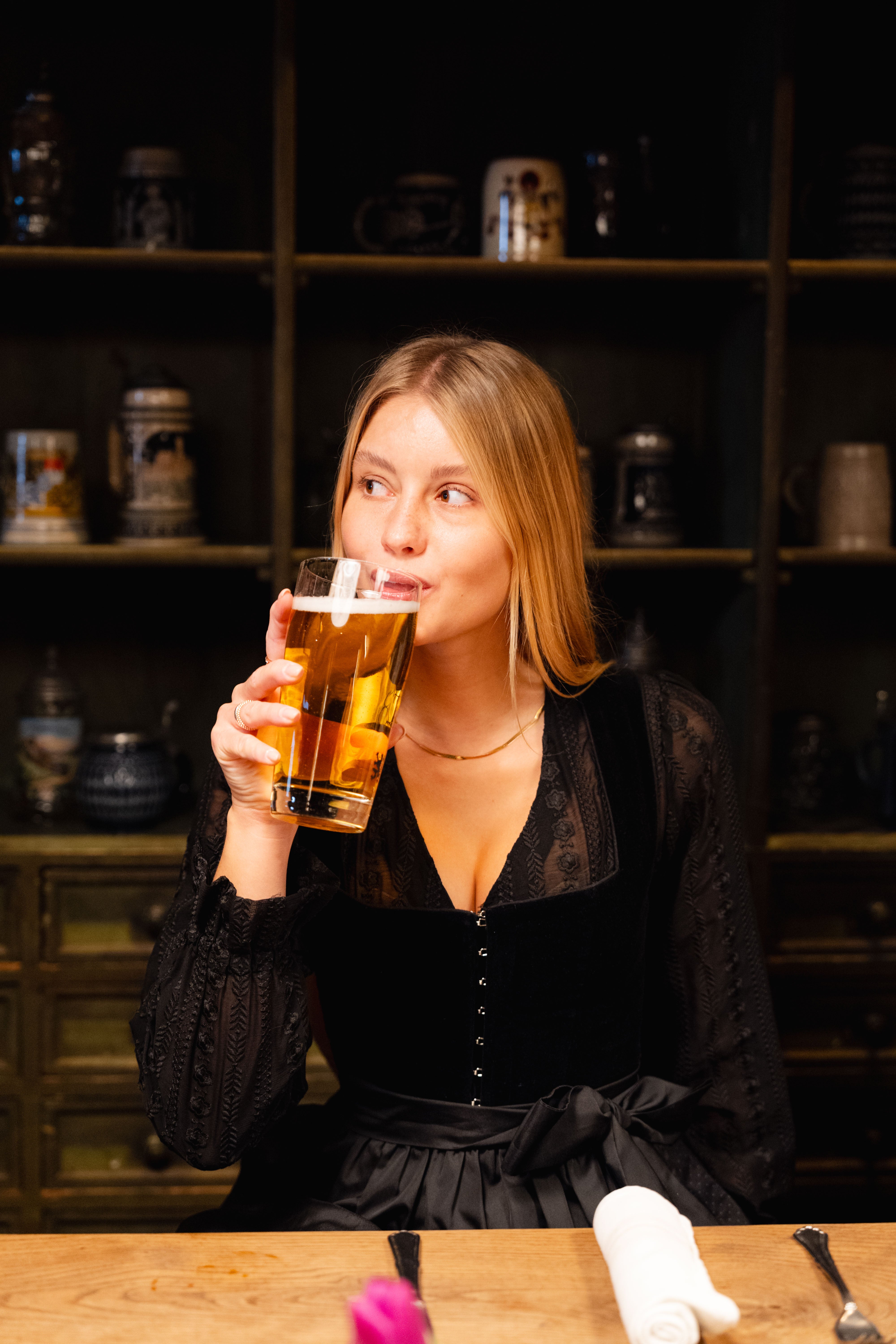
Black dirndl blouse: The black-and-white or black-and-colour combination looks modern and edgy. A black lace blouse under a red or green dirndl creates a dramatic, contemporary effect. At Oktoberfest it works better for evening or night-time settings — not the classic Wiesn look, but definitely a statement.
Red dirndl blouse: Red paired with black or dark green is one of the boldest Tracht colour combinations. A red blouse under a dark dirndl feels confident and modern. Classic Bavarian association: the state colours of white-blue and red.
Blue and green tones: Light blue, moss green or grass green harmonise especially well with natural-toned, beige or white dirndl fabrics. A coloured blouse adds colour to the outfit without making the dirndl itself look busy. Ideal when the dirndl is understated.
Coloured blouse with a coloured dirndl: Proceed with care. When both the dirndl and blouse are coloured, the colours either need to harmonise (same colour palette) or contrast intentionally. Two clashing colours create visual noise. When in doubt: a patterned dirndl, a neutral blouse.

Coloured and black dirndl blouses for anyone who wants to bring a pop of colour to their Tracht look:
A dirndl blouse isn't an expensive garment, but the wrong choice can ruin a costly dirndl. These buying tips will help you find the right one:
Size and fit: Dirndl blouses are worn close-fitting. The blouse sits beneath the dirndl bodice and is partly concealed by the apron. The neckline must match the bodice neckline so no unsightly edge is visible. When in doubt, size up for extra comfort.
Length: Ideally the blouse ends mid-thigh or at the hip. Blouses that are too short will ride up; those that are too long look unstructured. Classic dirndl blouses reach the hip; modern versions can be slightly shorter.
Fabric for the occasion: For Oktoberfest with long days in the tent: cotton. For weddings and balls: satin or lace. For everyday wear: linen or a cotton blend. Synthetic fibres are fine, but blouses with a high polyester content breathe less well, which can become uncomfortable on warm days.
Easy care: Dirndl blouses can get dirty quickly after a long Oktoberfest night. Make sure the blouse is machine-washable. Many inexpensive lace blouses are hand-wash only, which soon becomes a nuisance.
Budget: A good dirndl blouse costs between €20 and €60. More expensive doesn't necessarily mean better. For genuine lace or intricate embroidery the higher price is justified. Be sceptical of anything under €15, as the quality often doesn't hold up.

Dirndl blouse, dirndl, apron — these three elements need to work together. Here are the most important styling rules:
Blouse with the dirndl: White always works. With a coloured blouse: pick a complementary colour or echo a colour from the dirndl's pattern. A green dirndl with red roses in the pattern? A red blouse picks up the rose motif. The result looks considered and harmonious.
Blouse with the apron: The apron is often the colourful accent of the dirndl outfit. If both the blouse and the apron are bold, it can look busy. Classic: colourful apron, white blouse. More modern: coloured blouse, plain or neutral apron.
Neckline with the bodice: The dirndl bodice has a specific neckline — triangular, round or square. The blouse should sit just below that neckline. If the blouse is too high and peeks over the bodice edge, it looks unfinished. If it sits too low, the classic silhouette is lost.
Sleeves for the occasion: Short sleeves for summer and Oktoberfest. Puff sleeves or longer sleeves for weddings, balls and more formal events. In the festival tent, short sleeves are more practical as it gets warm.
Find out more about the complete dirndl look in our How to Wear a Dirndl Guide and our tips on the Dirndl Bow.
The dirndl blouse does more than you might think. A well-chosen blouse elevates any dirndl, while the wrong choice can undermine even the most beautiful one. White is always a safe bet and works universally. If you want to add more personality, reach for a colour or black. What matters most: the neckline, length and fit must suit the dirndl. Get that right and the dirndl blouse is no longer a supporting act — it becomes an indispensable part of the perfect Tracht look.
If you're looking for a new dirndl that's easy-care and high quality, browse our store
Dirndl Blouses for Every Dirndl Colour
A white blouse goes with any dirndl. For a coloured blouse, pick a colour from the dirndl's pattern or coordinate it with the apron. Basic rule: if the dirndl is busy, go for a plain blouse. If the dirndl is plain, the blouse can have a bit more character.
The blouse fits snugly beneath the dirndl bodice. The blouse neckline should end just below the bodice neckline so no edge is visible. The length finishes at the hip or mid-thigh.
A dirndl blouse is cut specifically to be worn under a dirndl bodice. It features a deeper, structured neckline and a shorter length than a regular blouse. Regular blouses can sit unflattering under a dirndl.
Yes, many dirndl blouses can also be paired with simple trousers or a long skirt — especially styles with lace inserts or puff sleeves. This creates a romantically playful look even outside of traditional Tracht events.
Most cotton blouses are machine-washable at 30–40°C. Blouses with lace inserts or satin panels are best turned inside out and washed in a laundry bag. Always check the care label. Lay flat to dry to prevent distortion.
The short puff sleeve or short bell sleeve is the classic cut. It ends just below the shoulder and leaves the décolletage room to breathe. For more formal occasions there are also three-quarter sleeves or long sleeves with lace trim.
Discover Matching Tracht

Stay up to date
Sign up and be the first to find out about new collections, exclusive offers and styling tips for your perfect traditional outfit.