
FOR GUESTS WITH STYLE
Dirndls for the wedding. Without a misstep.
Color, length, style: this is how you strike the right tone as a guest.
MADE SIMPLE
Two rules. Plenty of freedom.
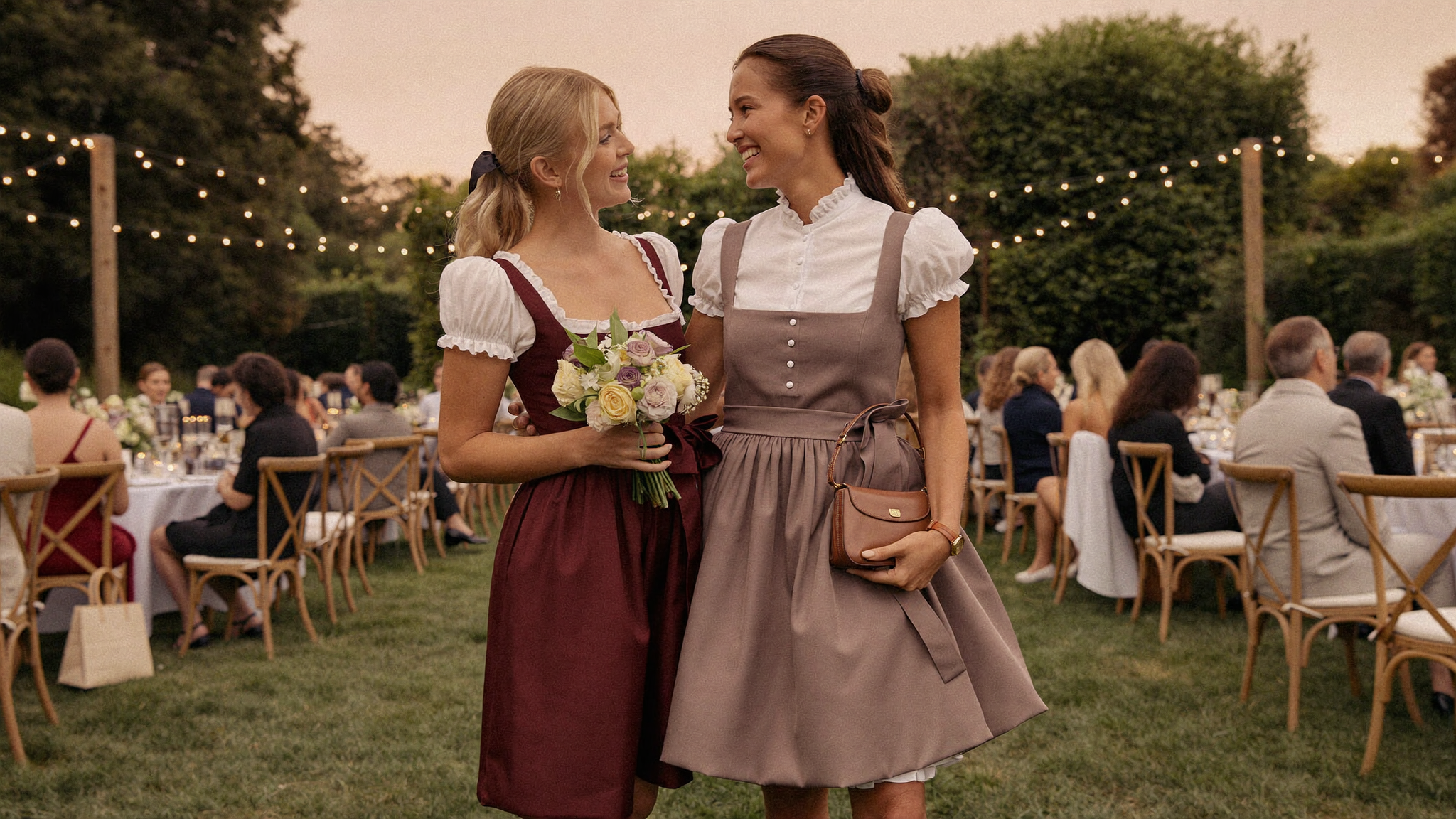
Wearing a dirndl as a wedding guest is a given in many regions today, sometimes even expected. There are really only two rules that matter: nothing in bridal white, nothing too casual. Everything else is up to you. A good dirndl is more festive than most cocktail dresses and stands out in exactly the way you want it to. Below we show you which colors work, which length suits which occasion, and which dirndls we recommend to our customers for wedding season.
CURATED
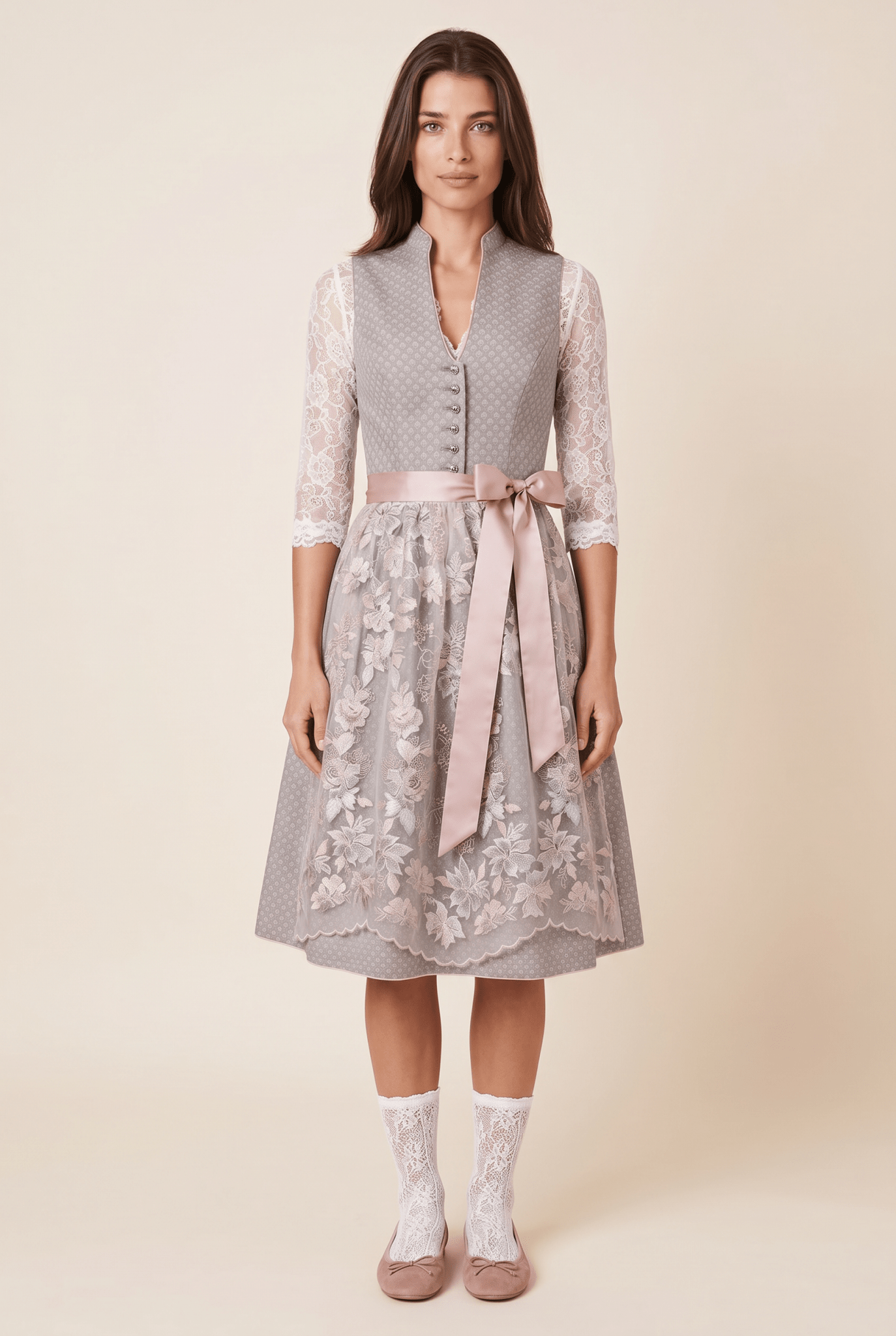
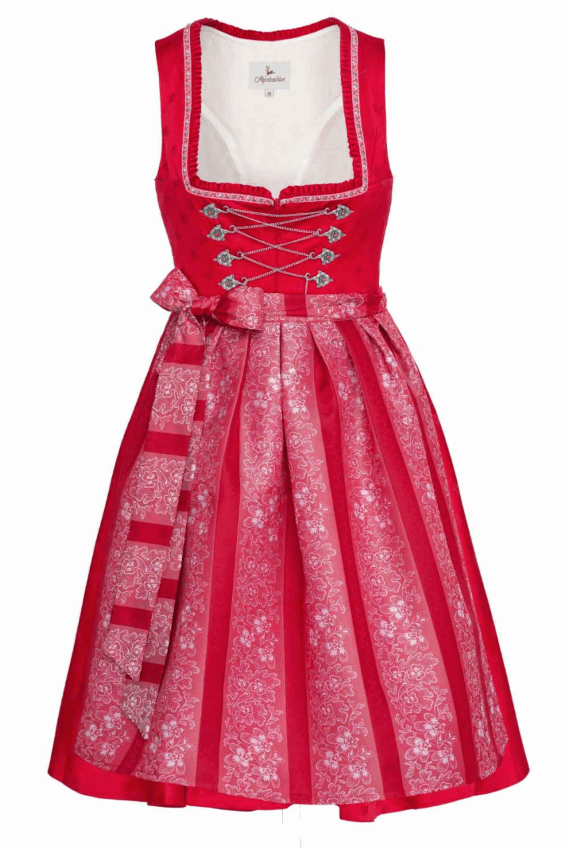
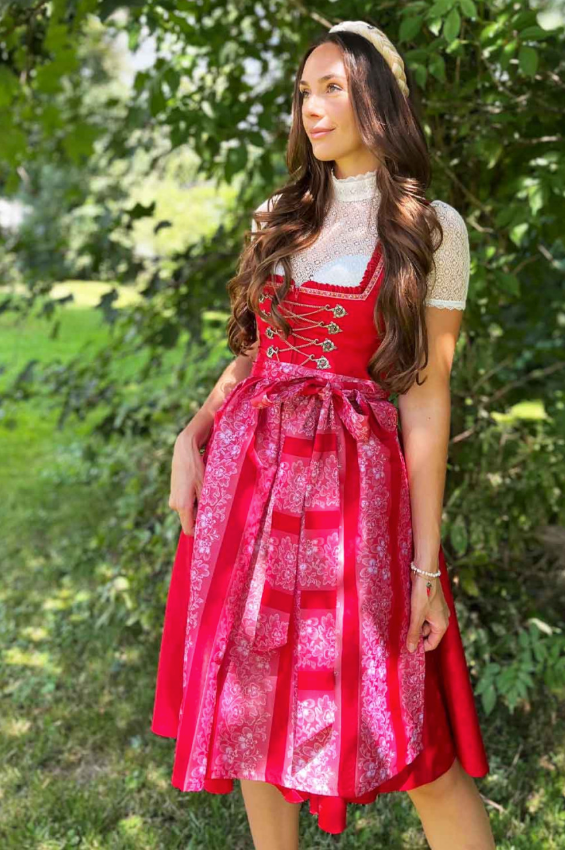
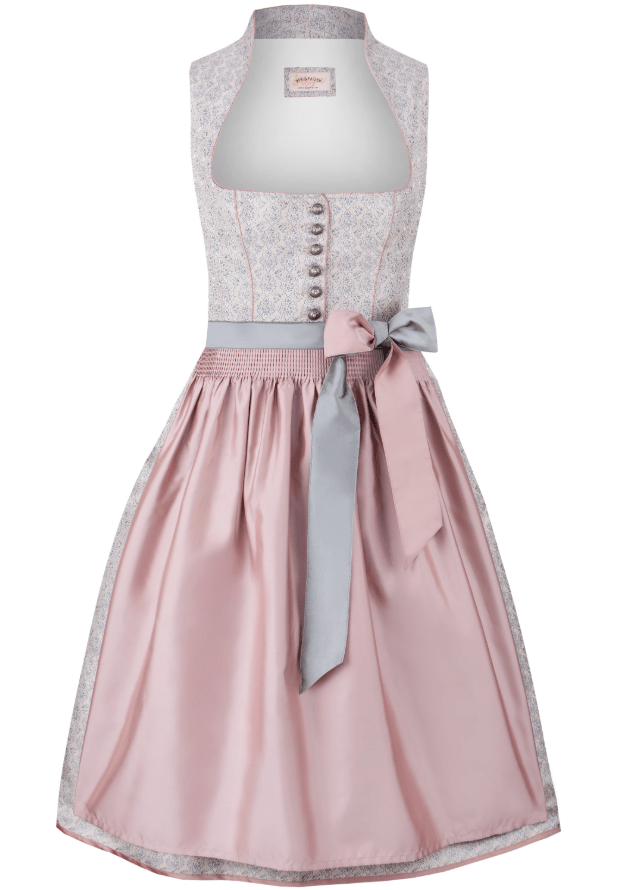
Our Wedding Guest Selection
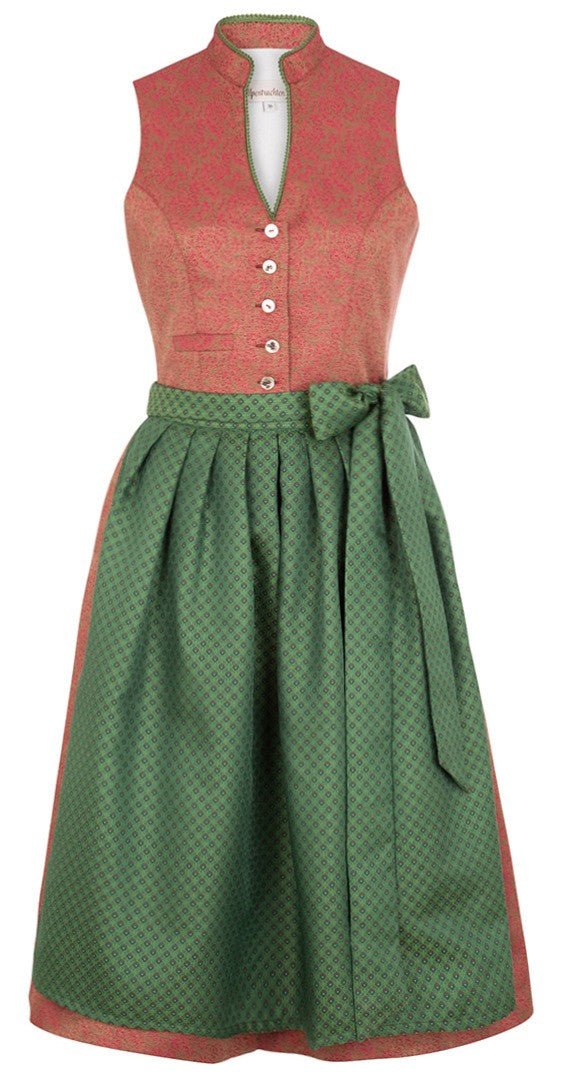
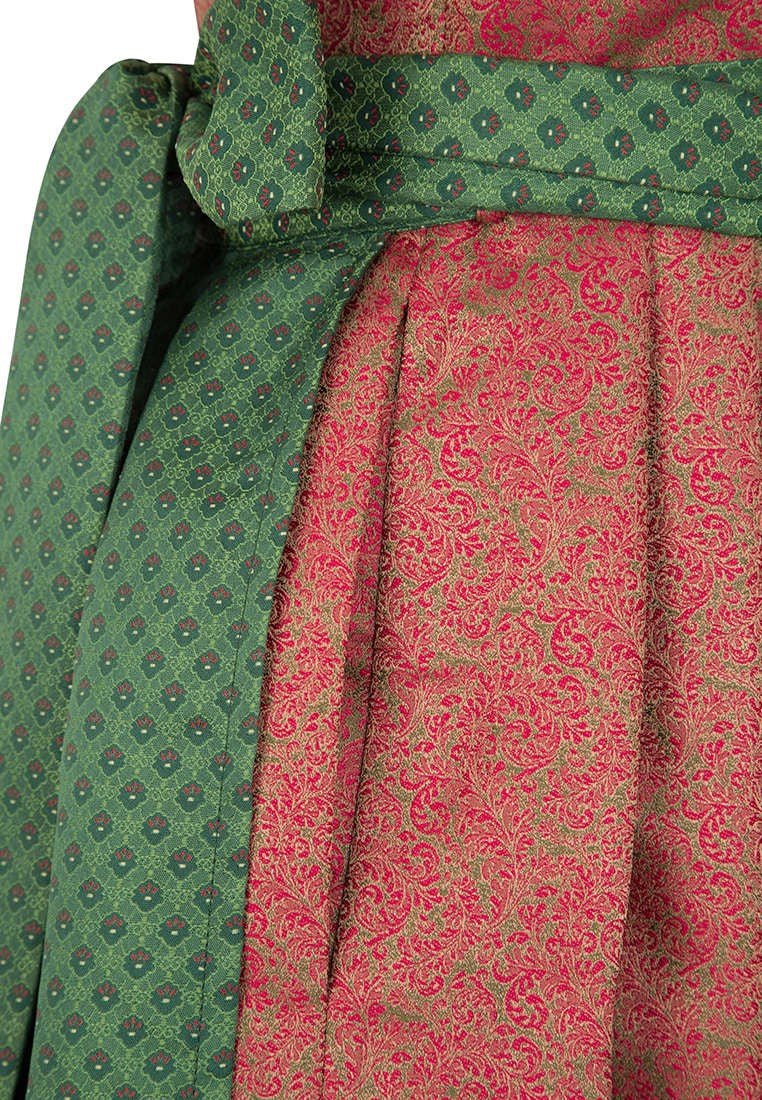
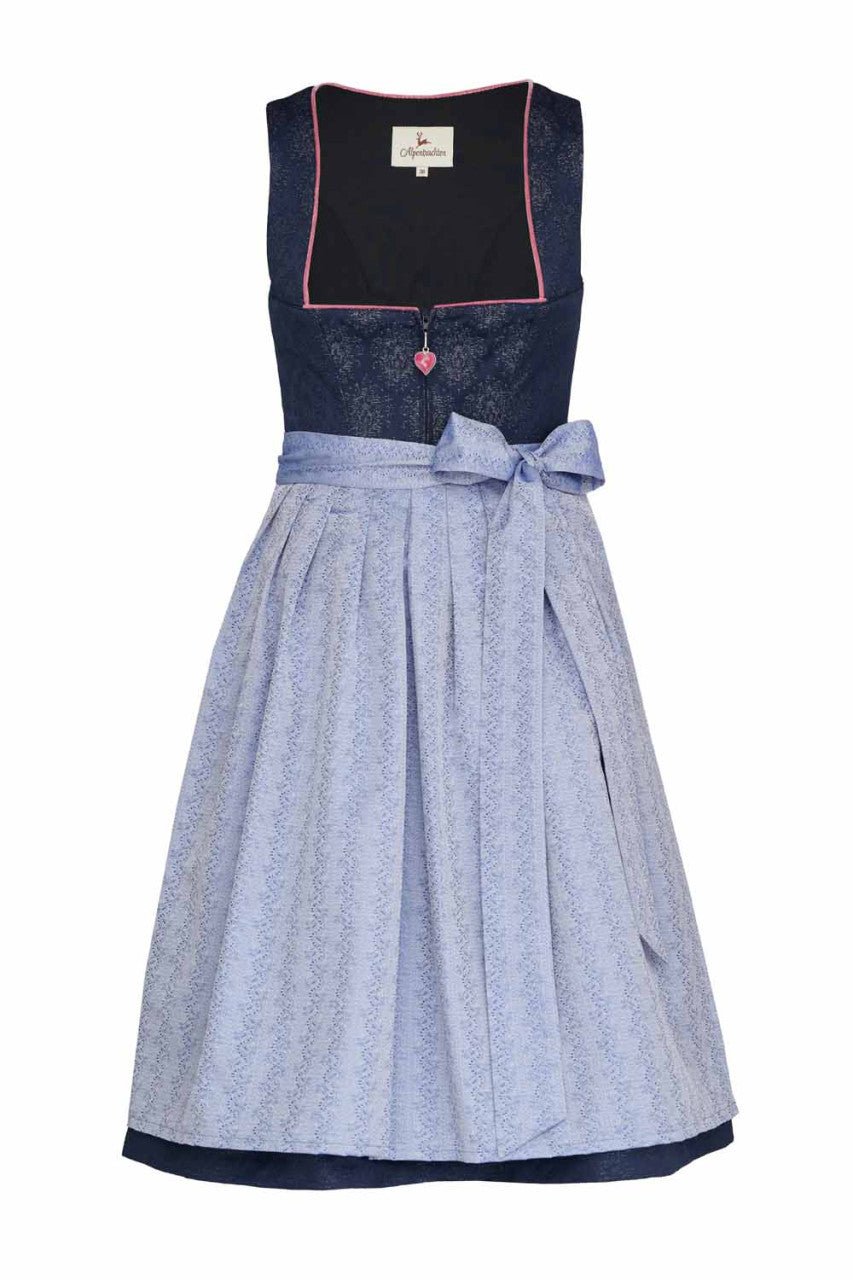

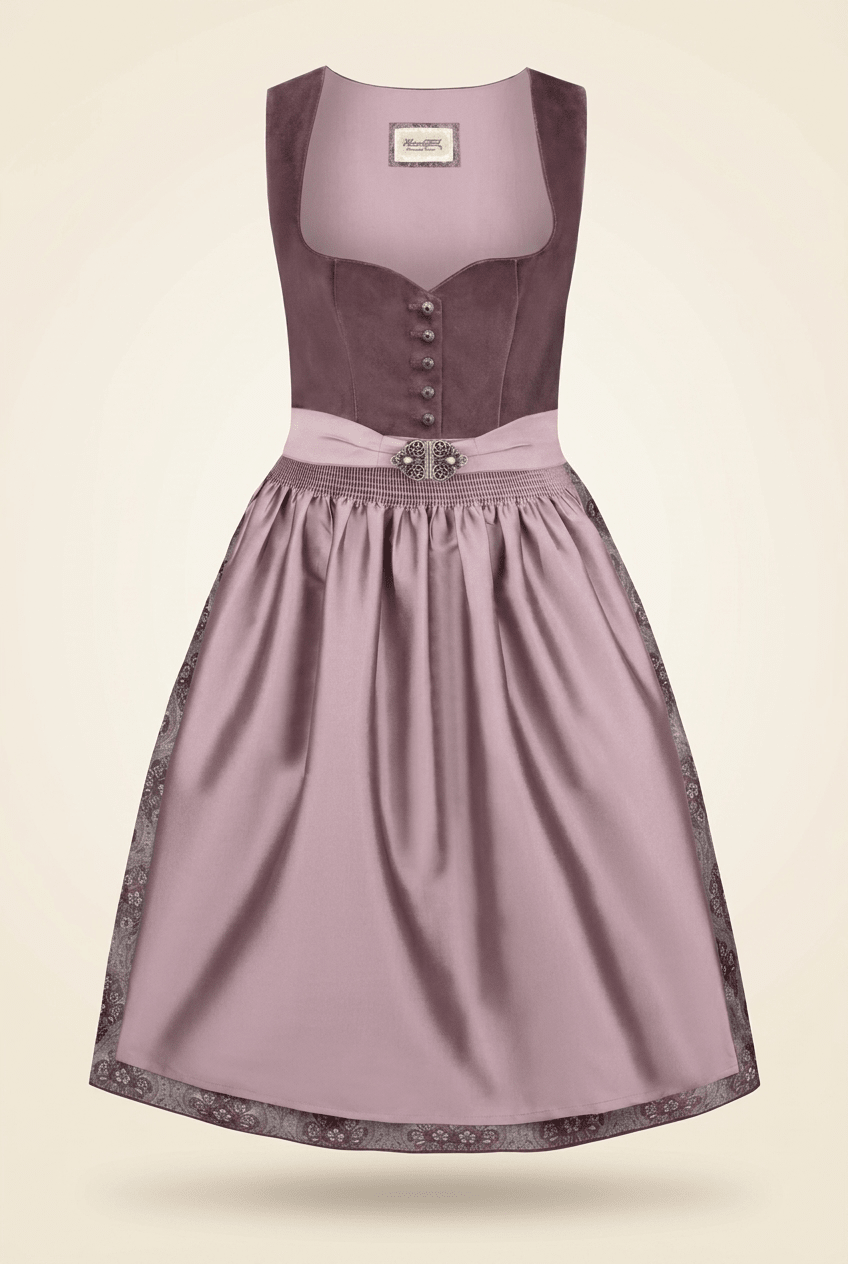
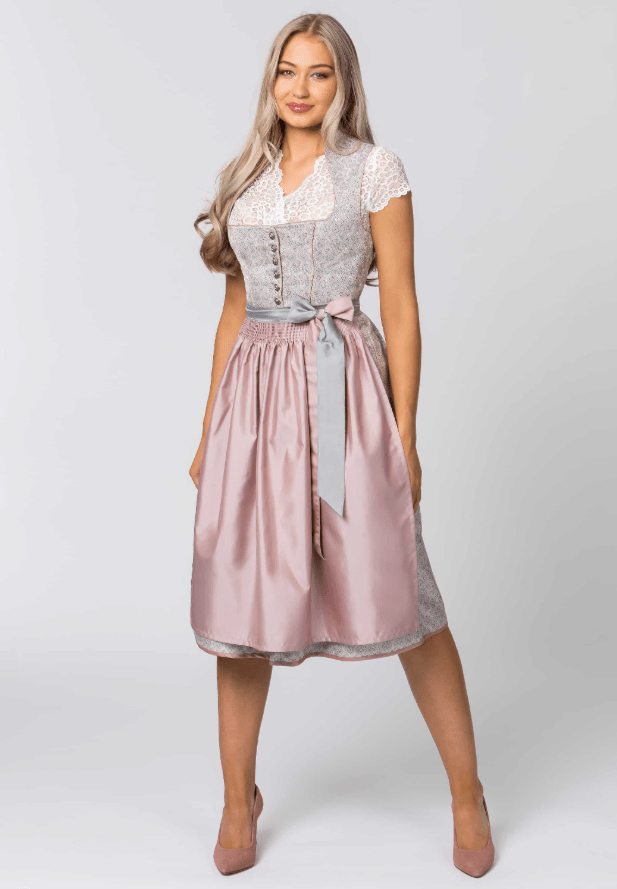
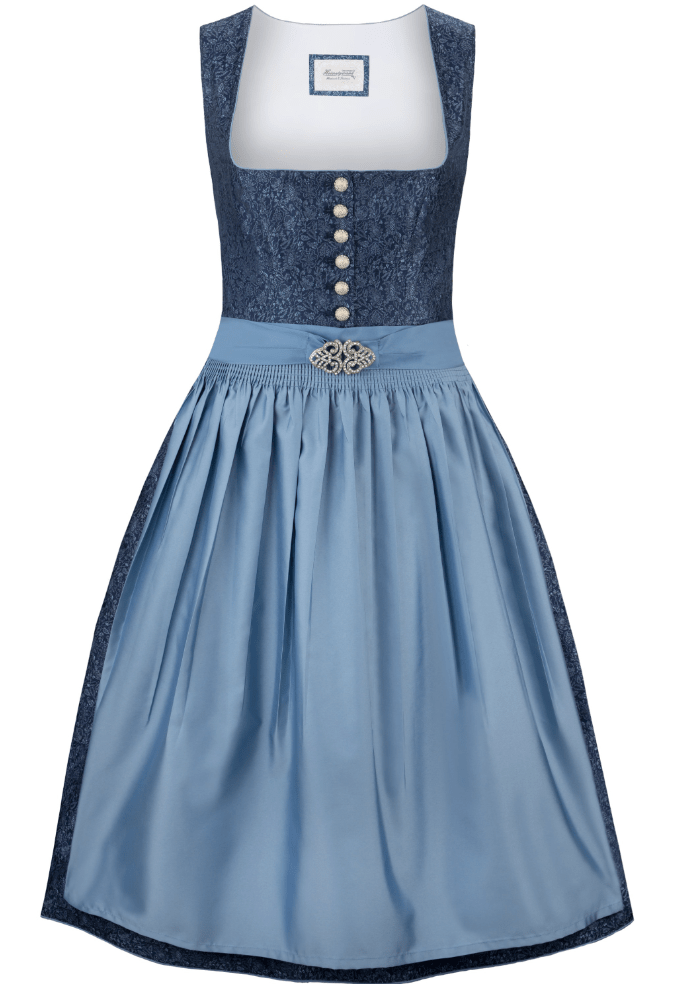
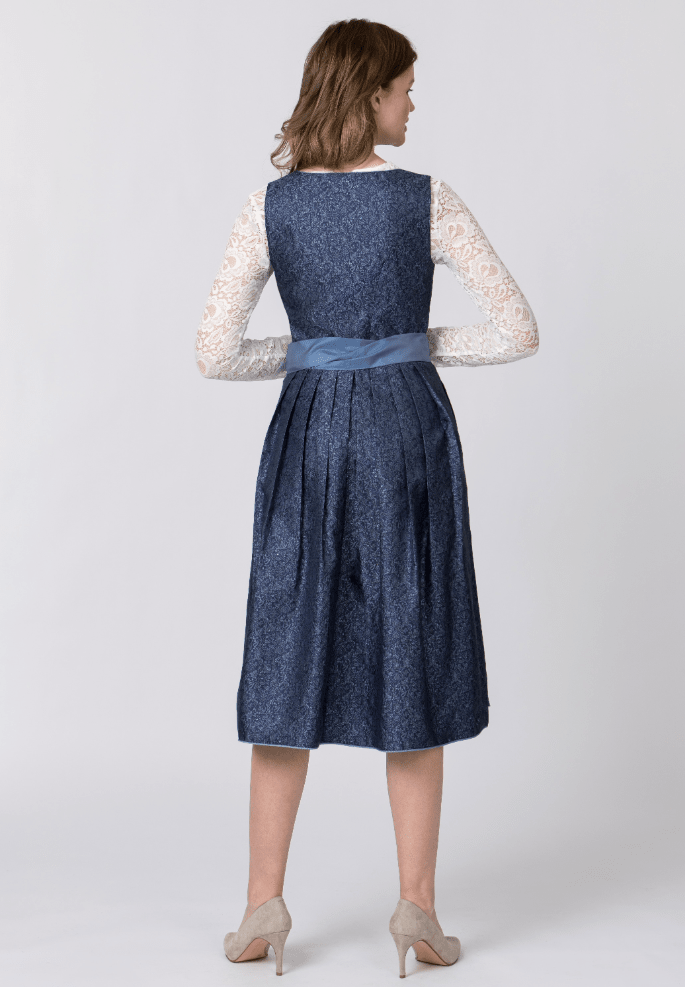
COLORS THAT WORK
The color makes the difference.
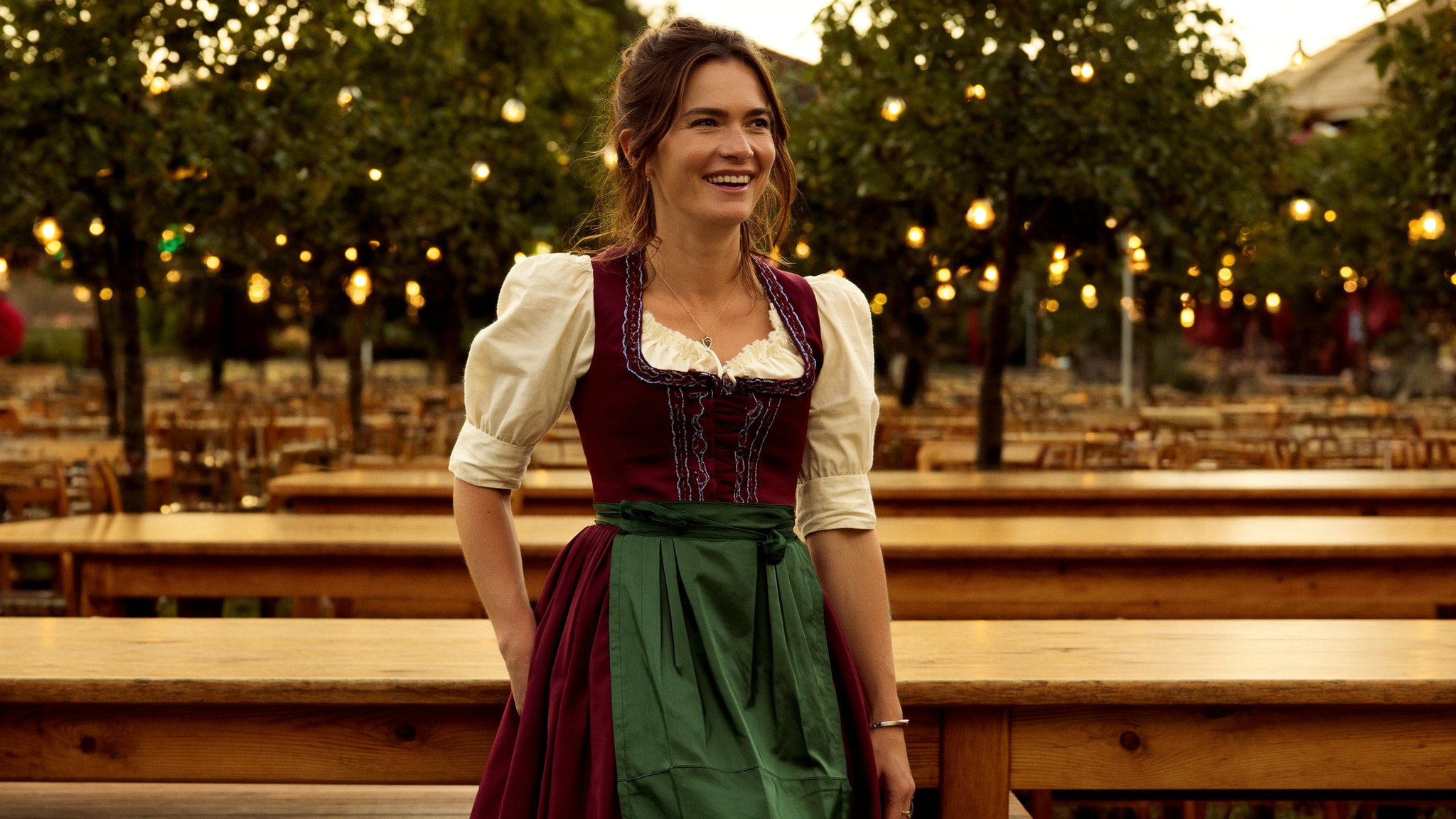
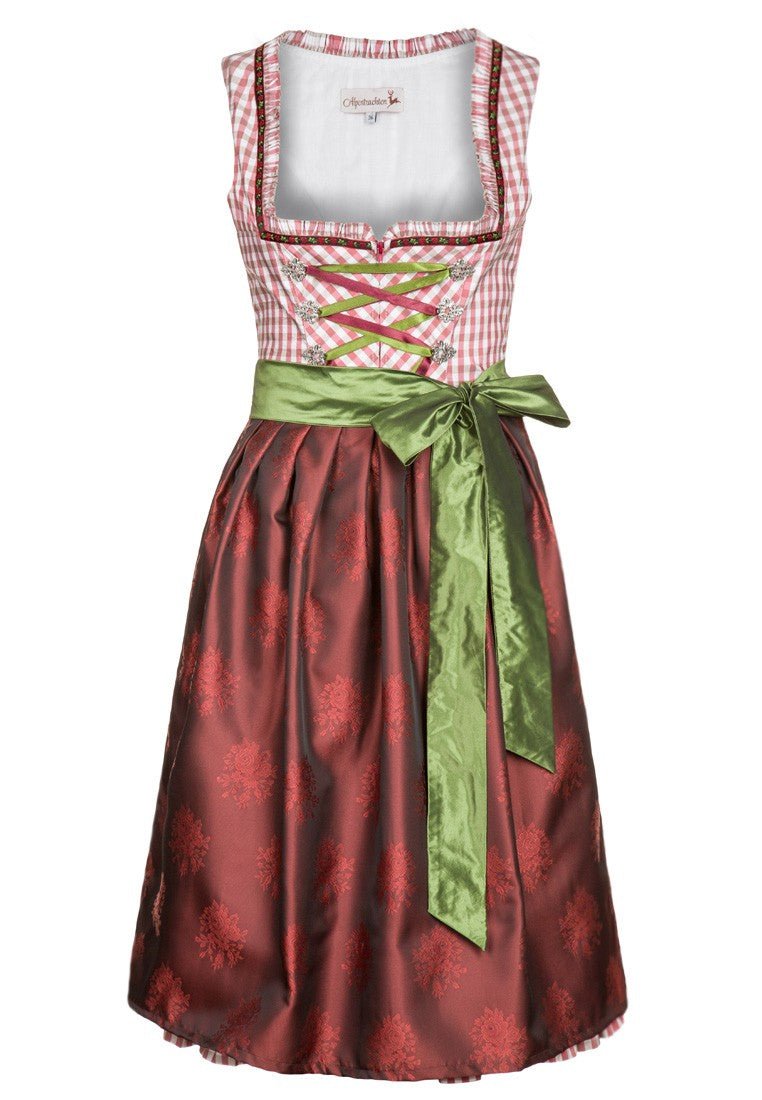
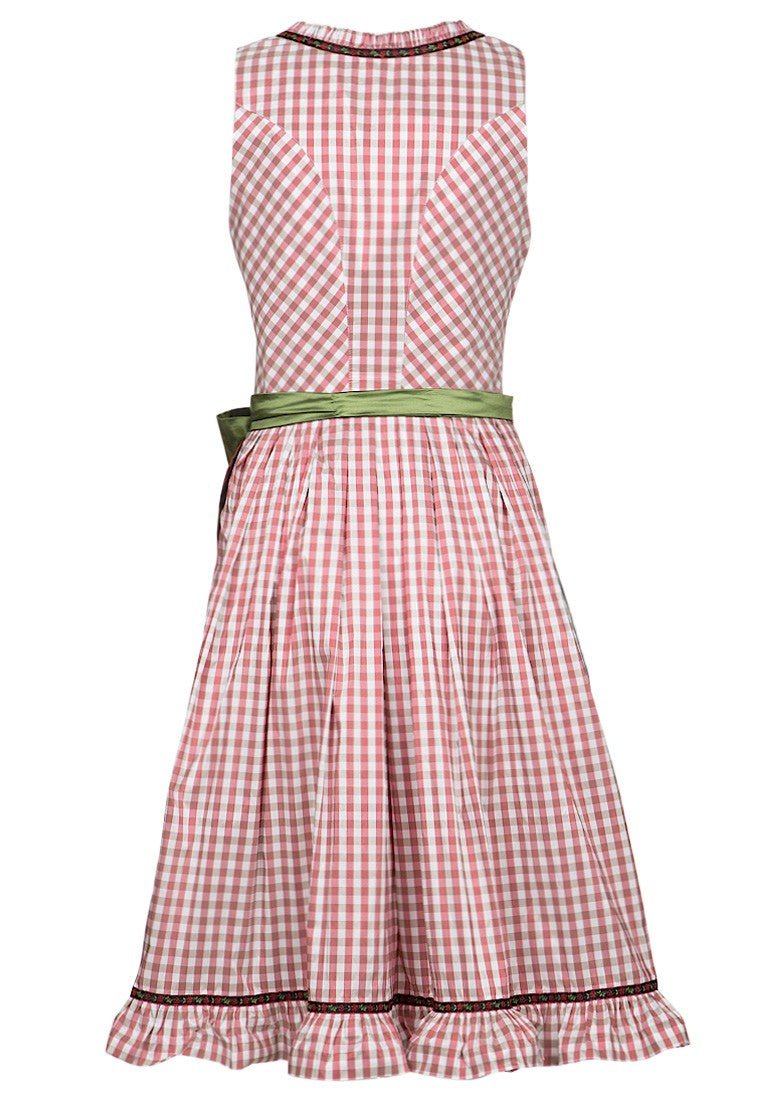
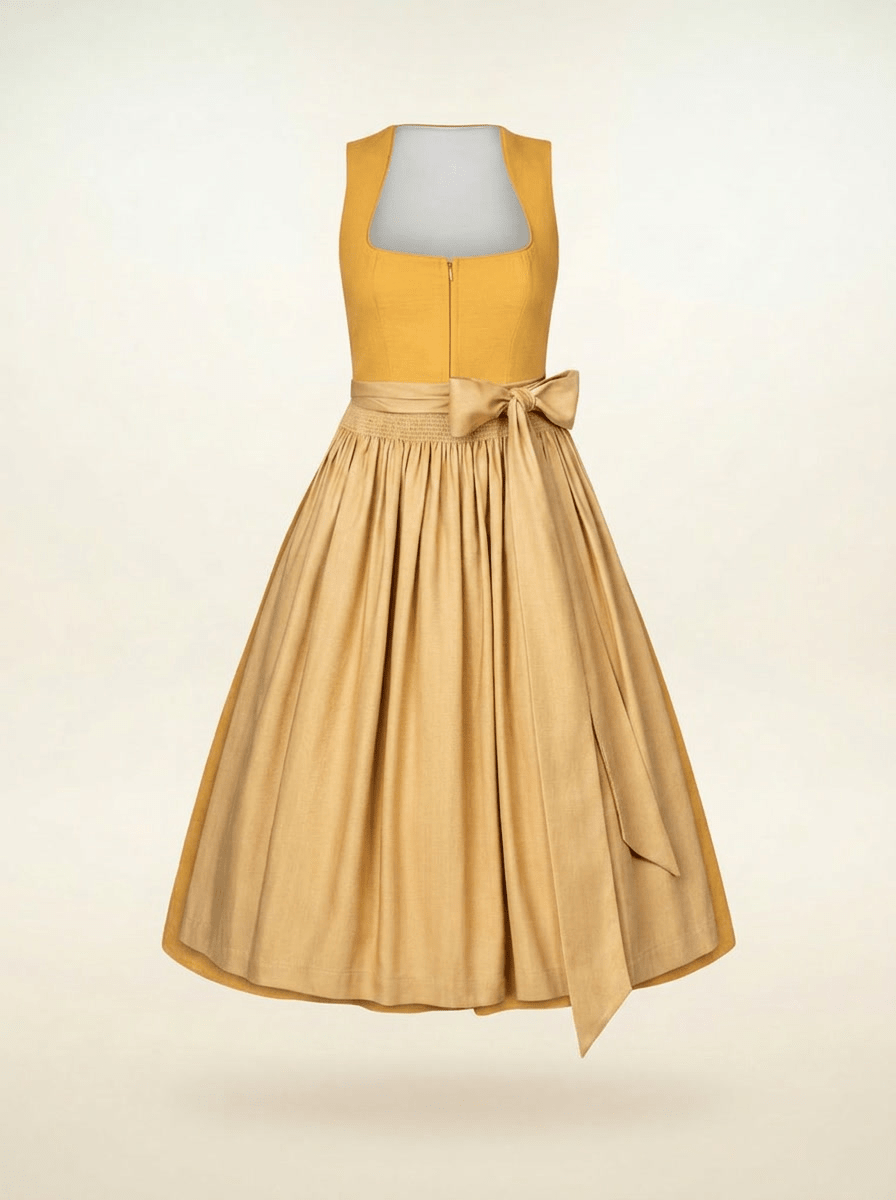
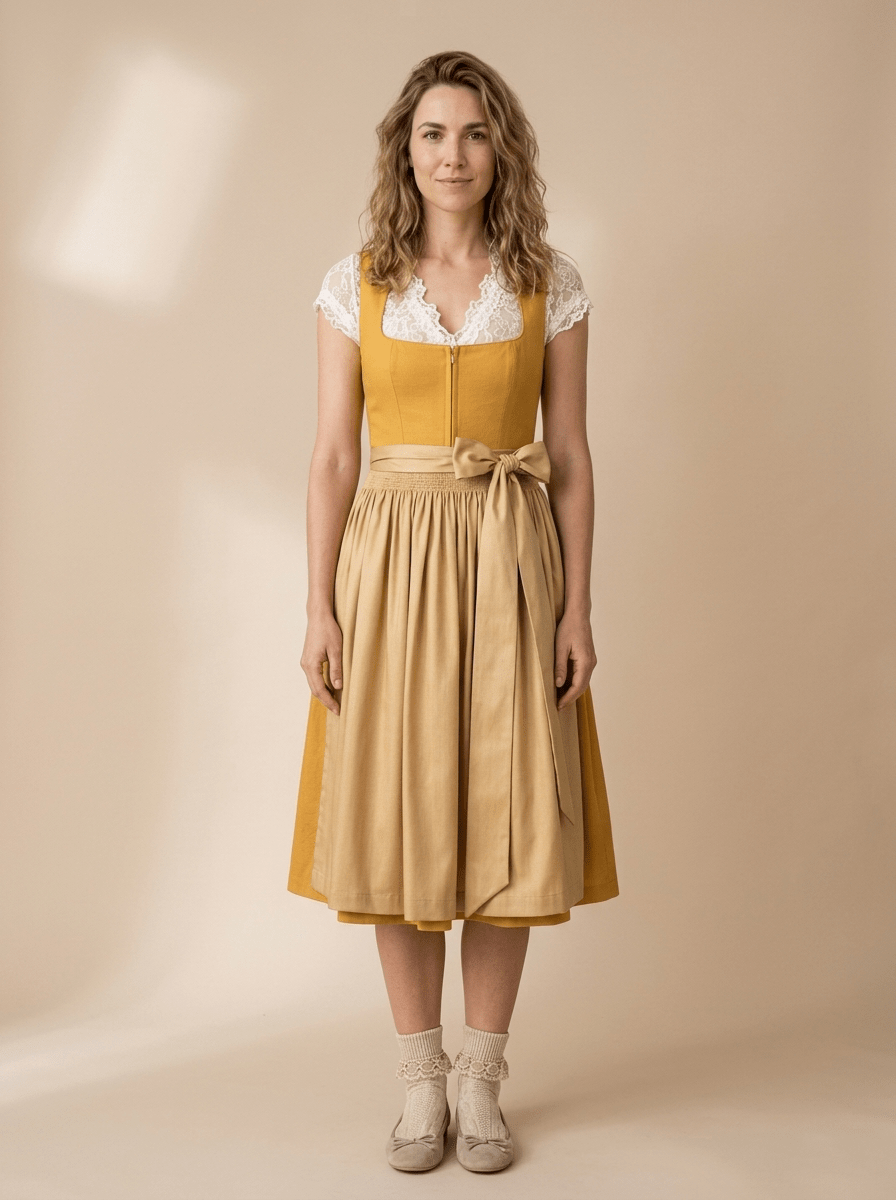
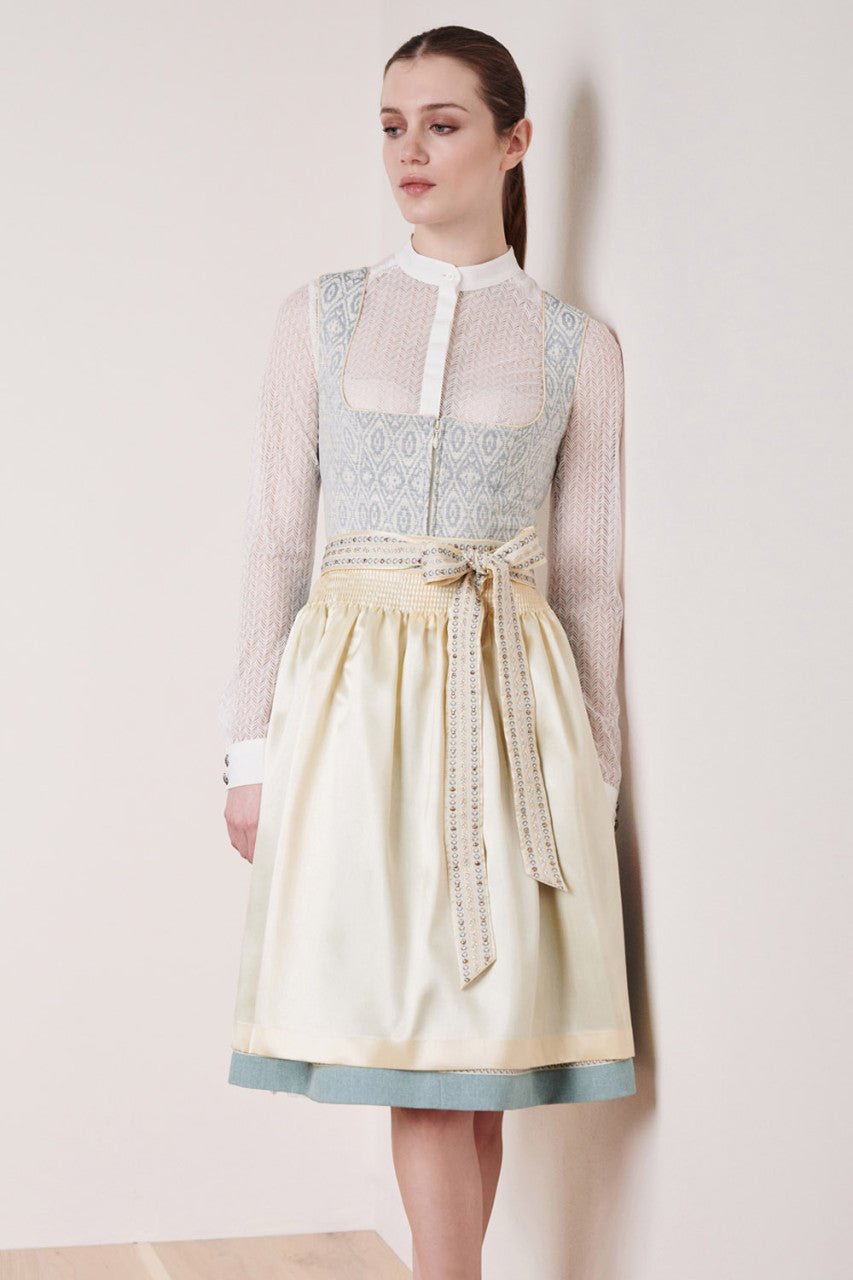
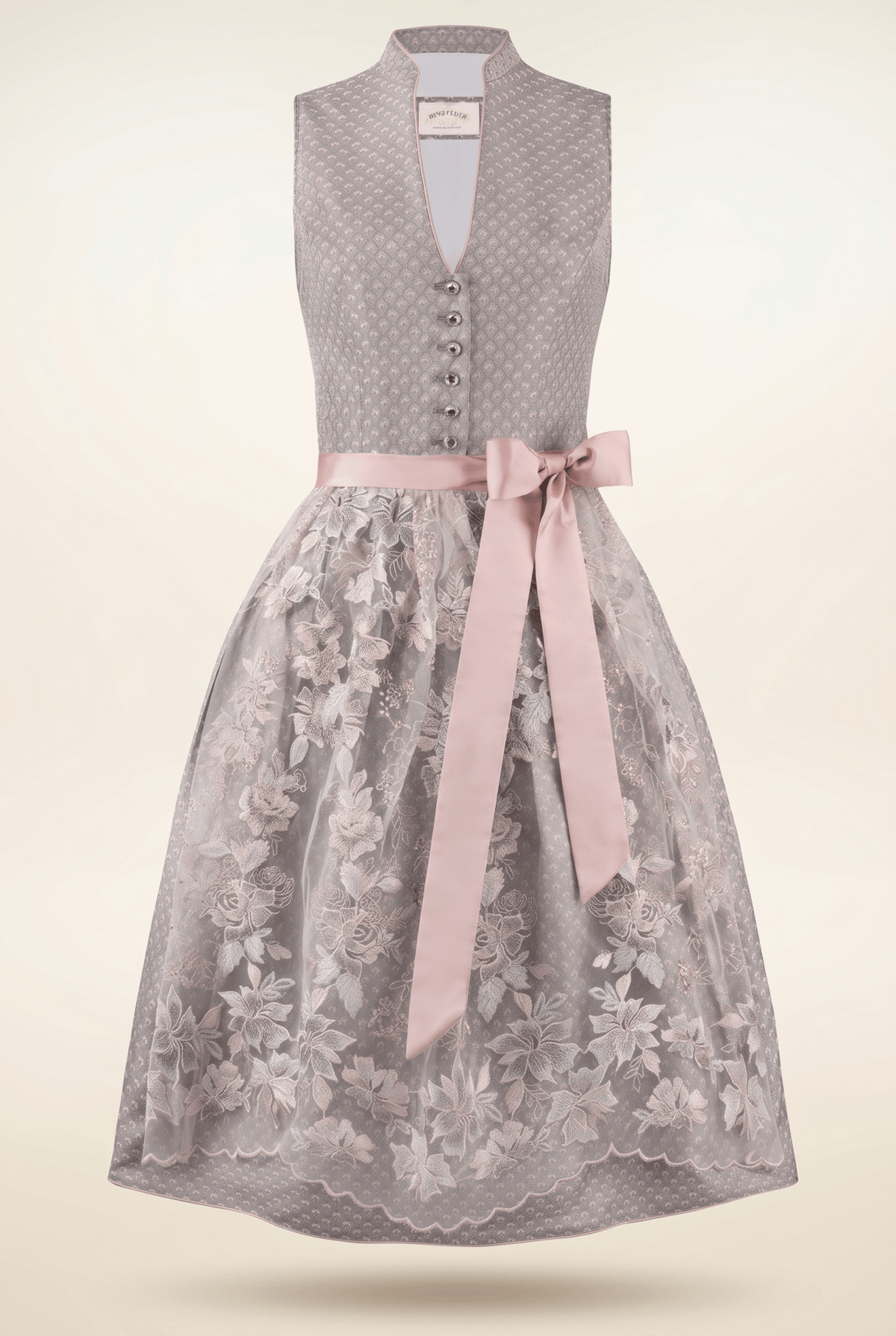
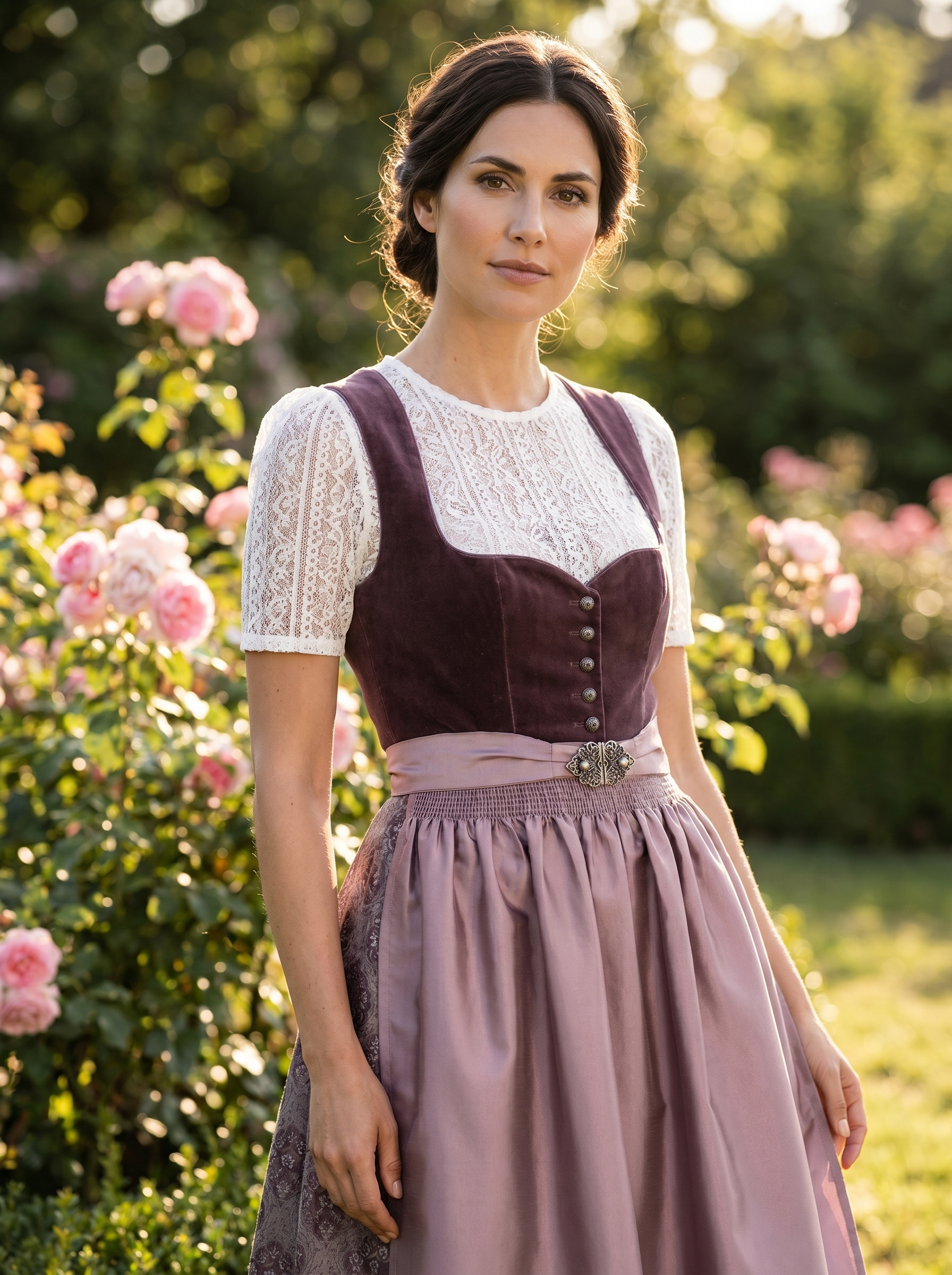
The most important question for a wedding dirndl is the color. Navy, bottle green, wine red, berry, mustard yellow, dusty rose, dark purple and terracotta are almost always a safe choice: festive enough for the evening, not too dramatic for the day, and they leave the bride the visual space she deserves.
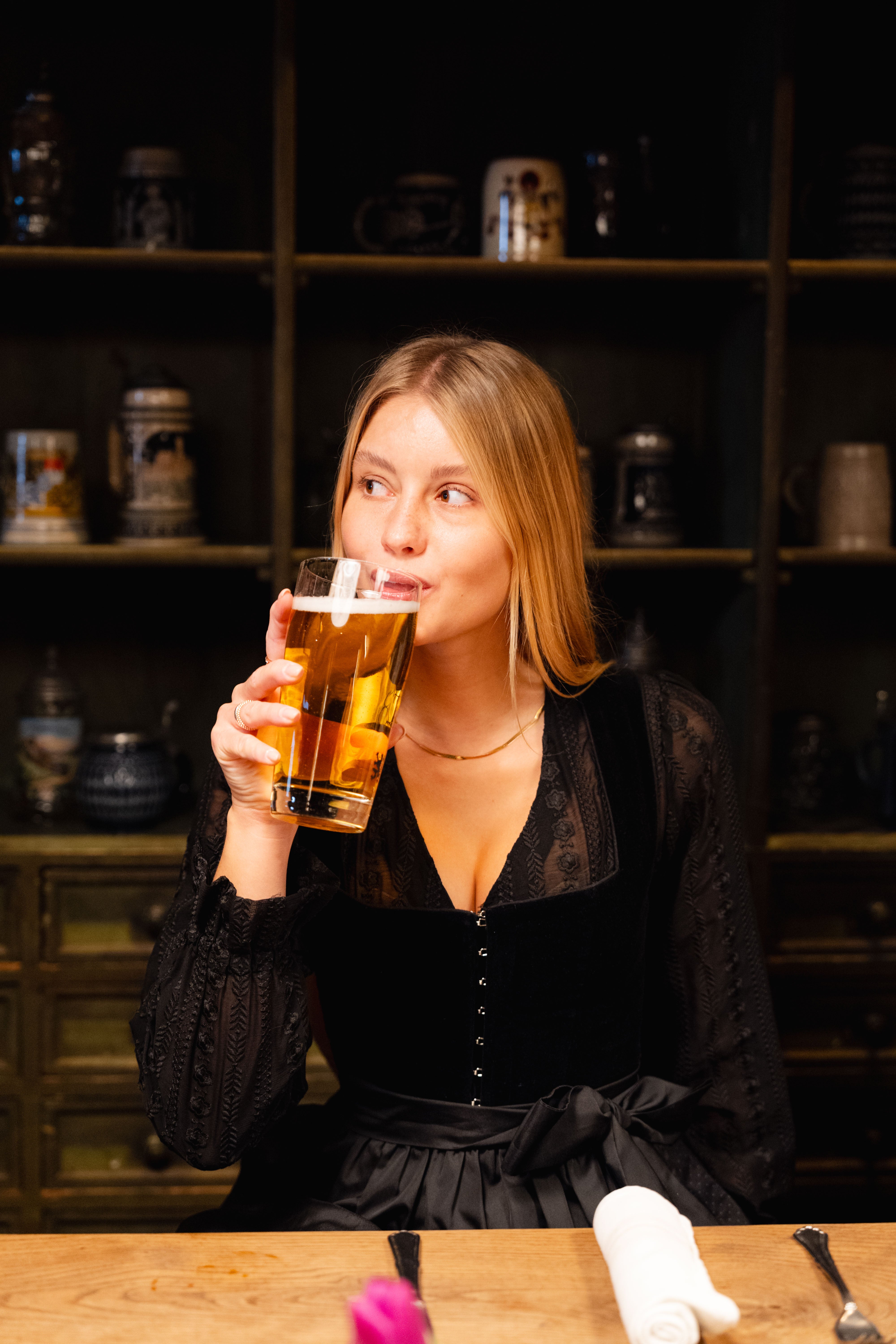
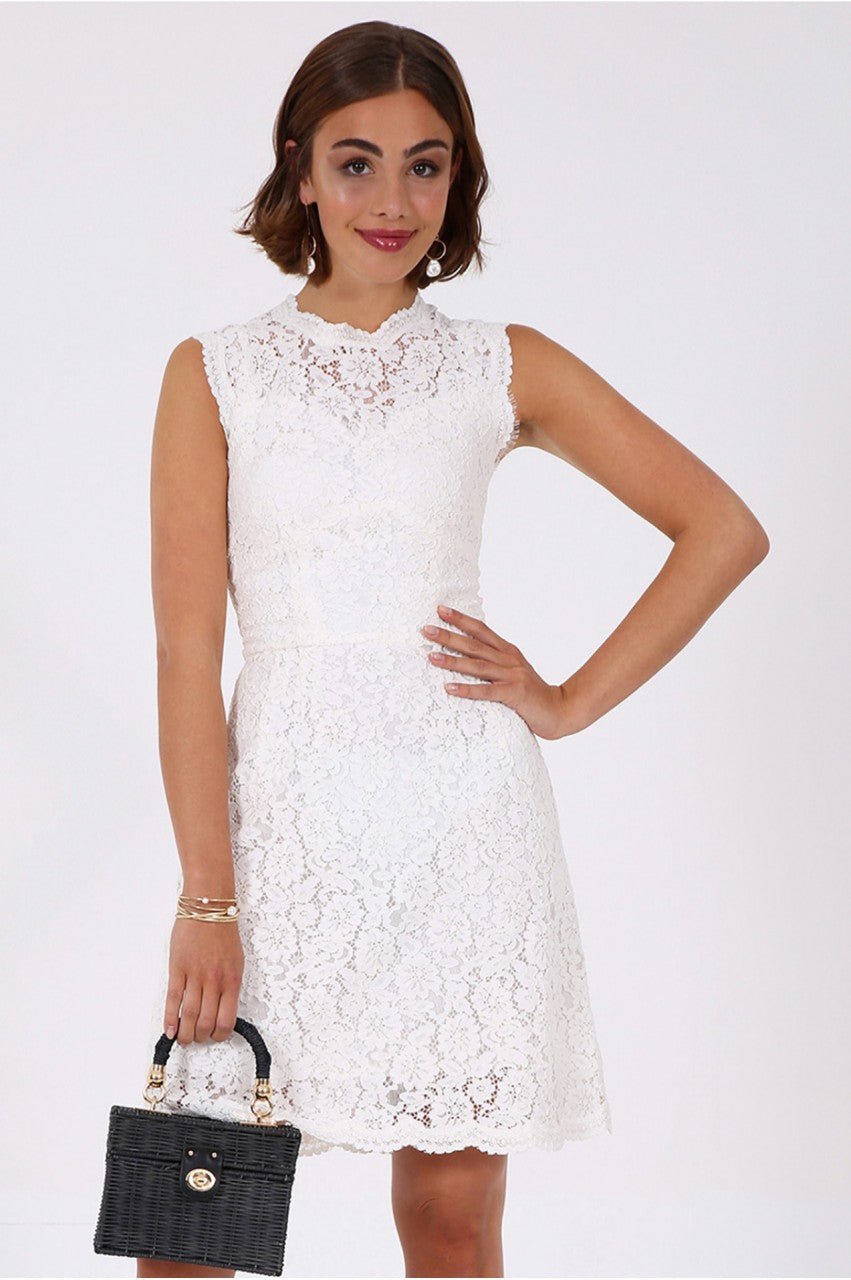
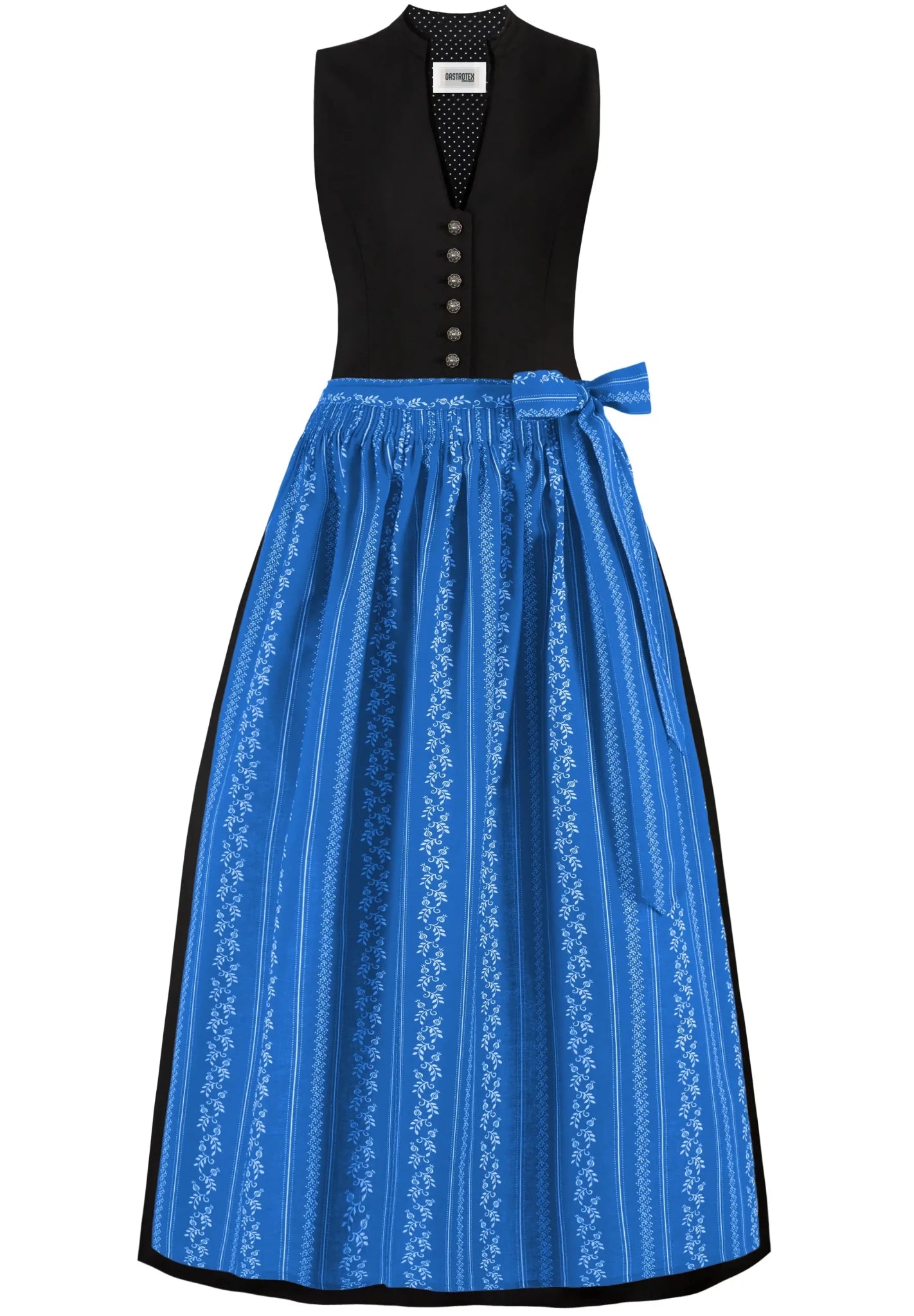
Bolder colors like turquoise, emerald green or royal blue work especially well at daytime outdoor weddings. To avoid entirely are the light bridal tones: pure white, ivory, champagne, very pale pink and large areas of pale lace on a light base. Black dirndls with a fully black apron are also tricky in many regions due to the association with mourning. Black with a colorful apron, on the other hand, is entirely fine and often the most elegant solution for an evening wedding.
HIGHLIGHT I
Dirndl Indira
 This image was created with AI to show the original product on a model. Cut, colour and details match the real product exactly.
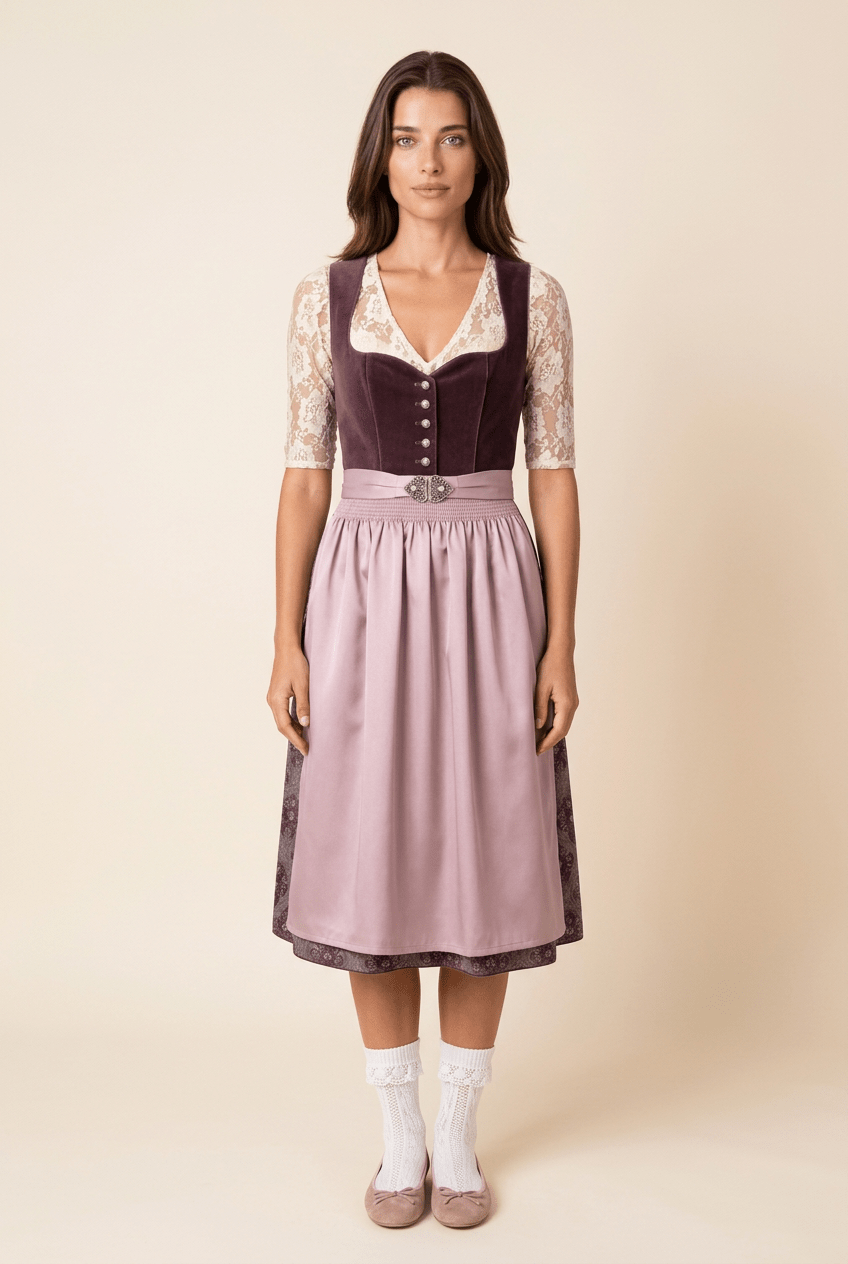 This image was created with AI to show the original product on a model. Cut, colour and details match the real product exactly.
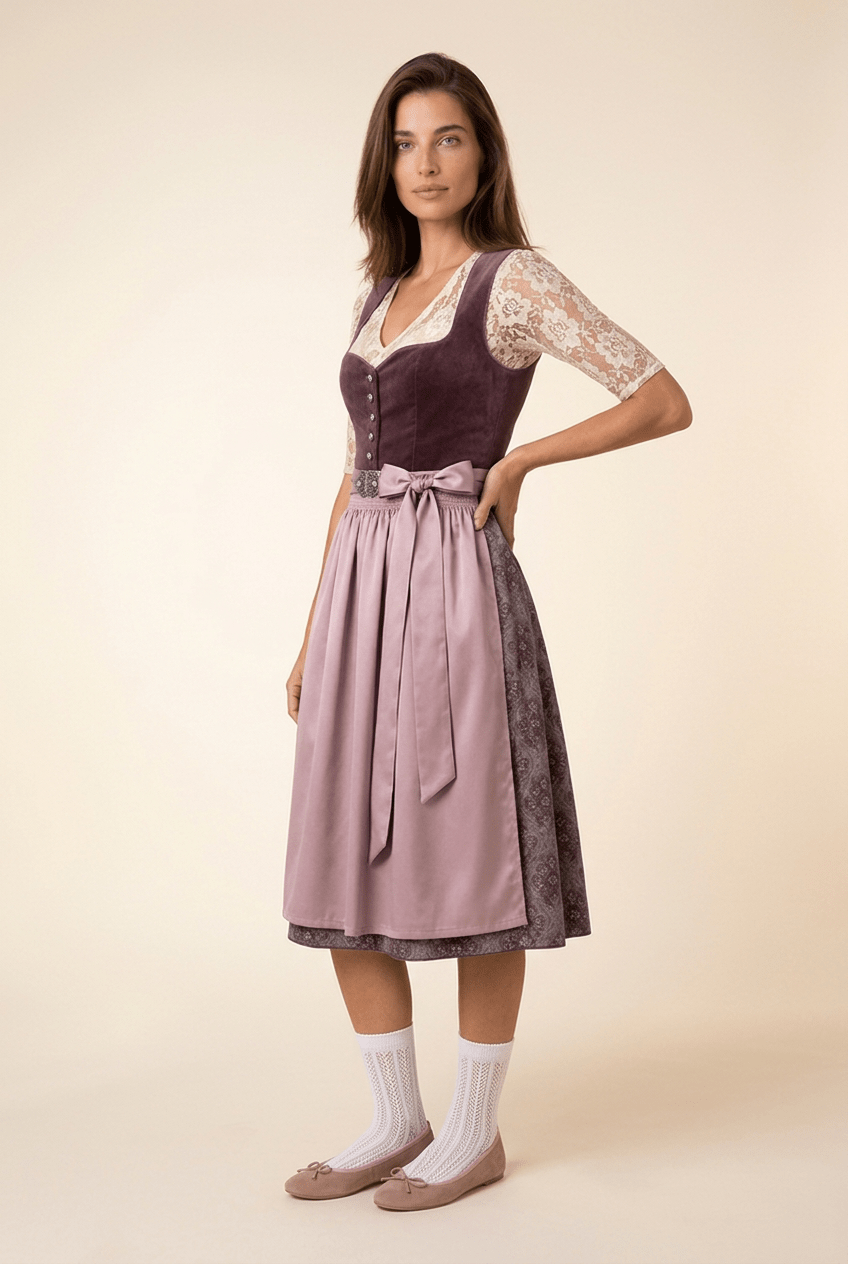 This image was created with AI to show the original product on a model. Cut, colour and details match the real product exactly.
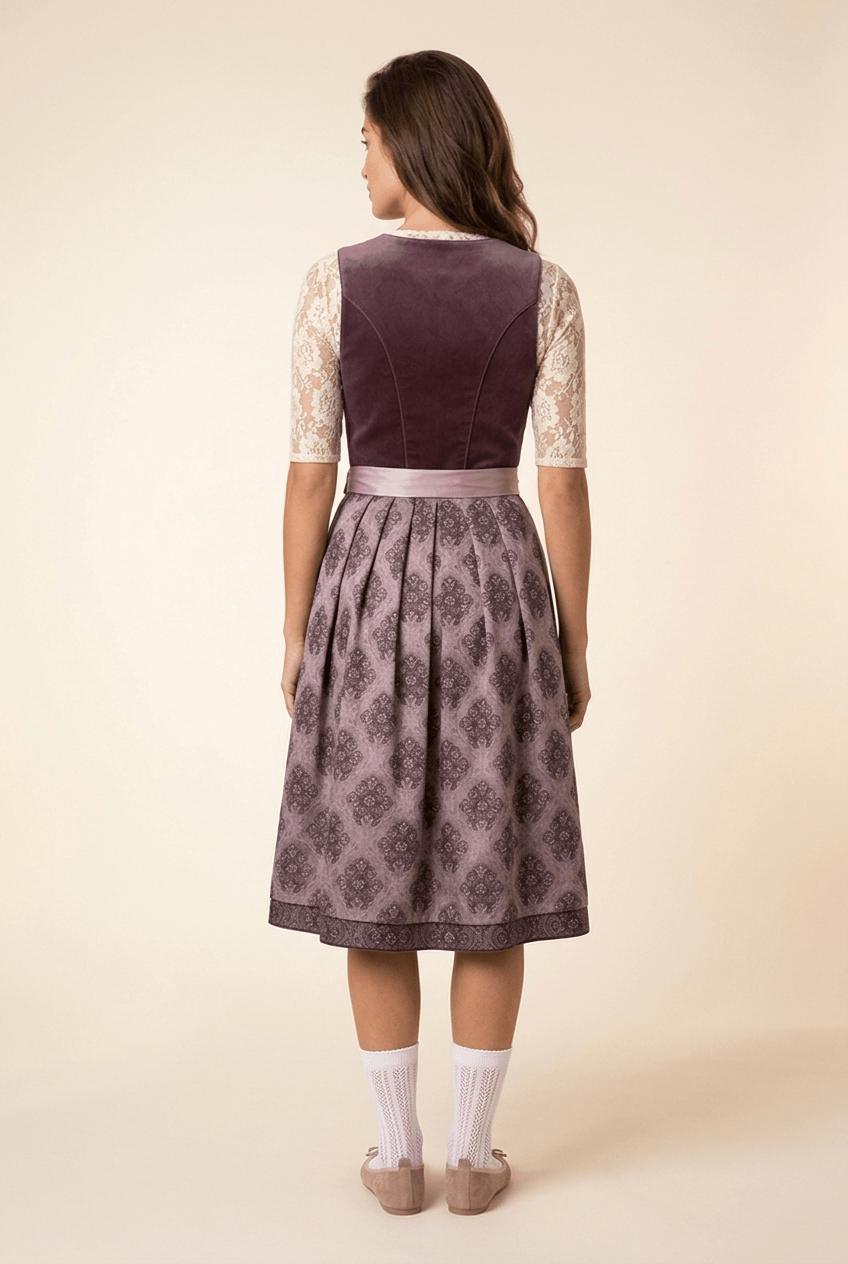 This image was created with AI to show the original product on a model. Cut, colour and details match the real product exactly.
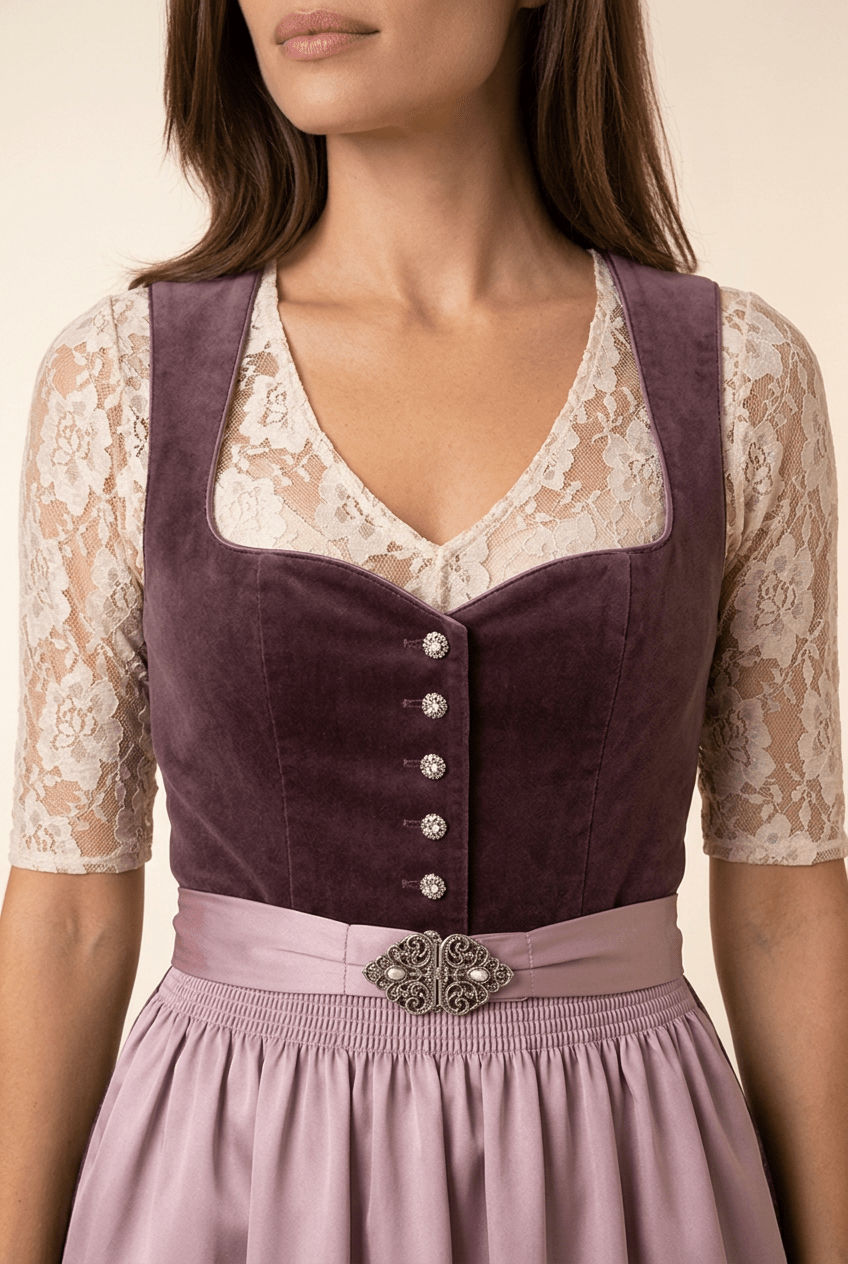 This image was created with AI to show the original product on a model. Cut, colour and details match the real product exactly.
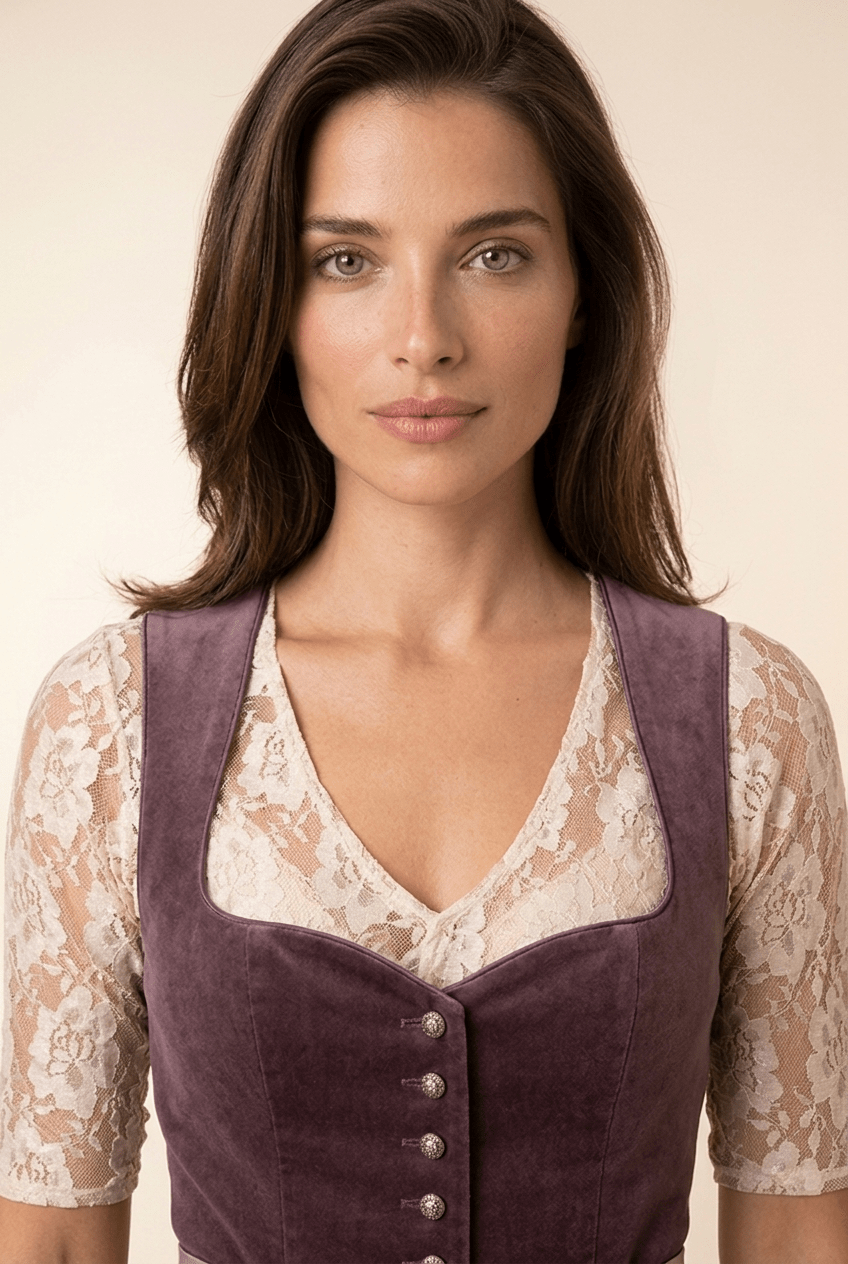 This image was created with AI to show the original product on a model. Cut, colour and details match the real product exactly.
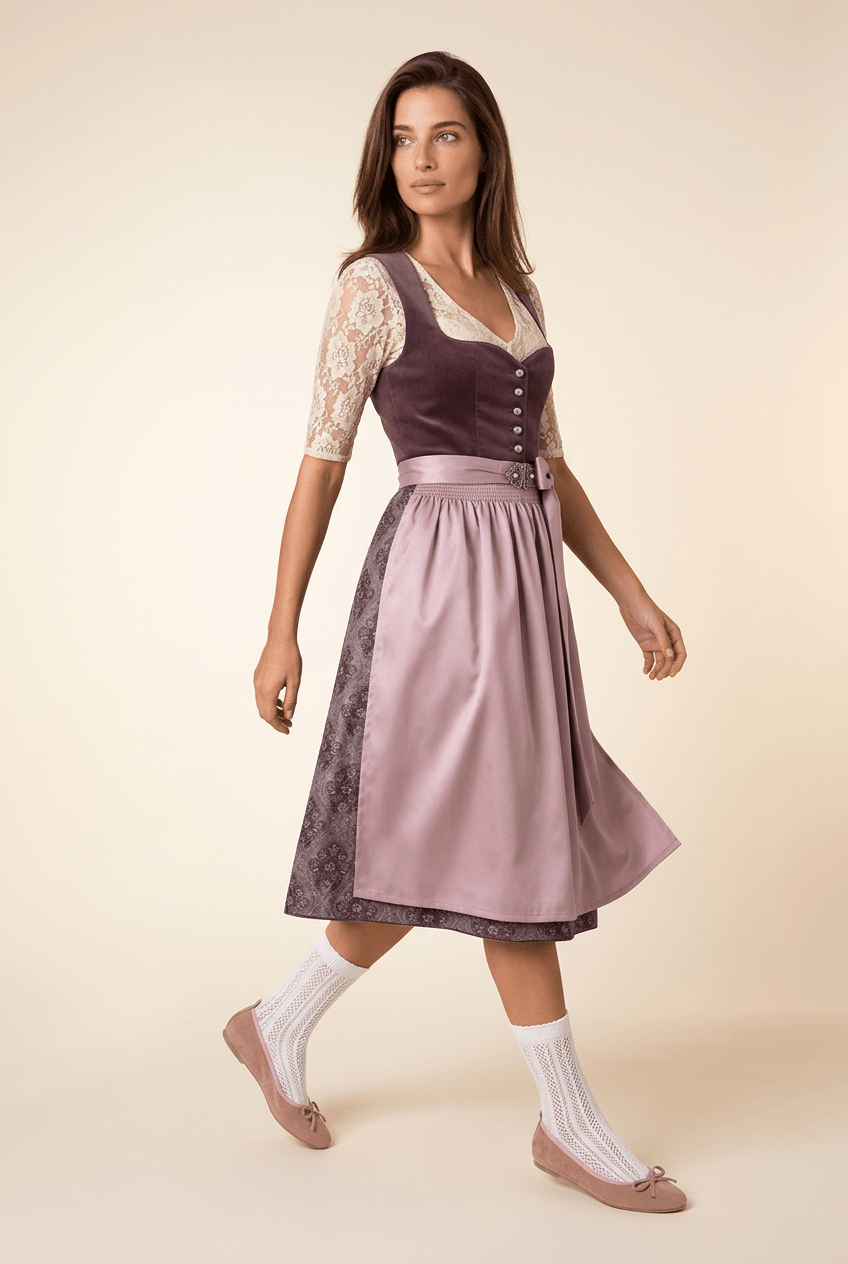 This image was created with AI to show the original product on a model. Cut, colour and details match the real product exactly.
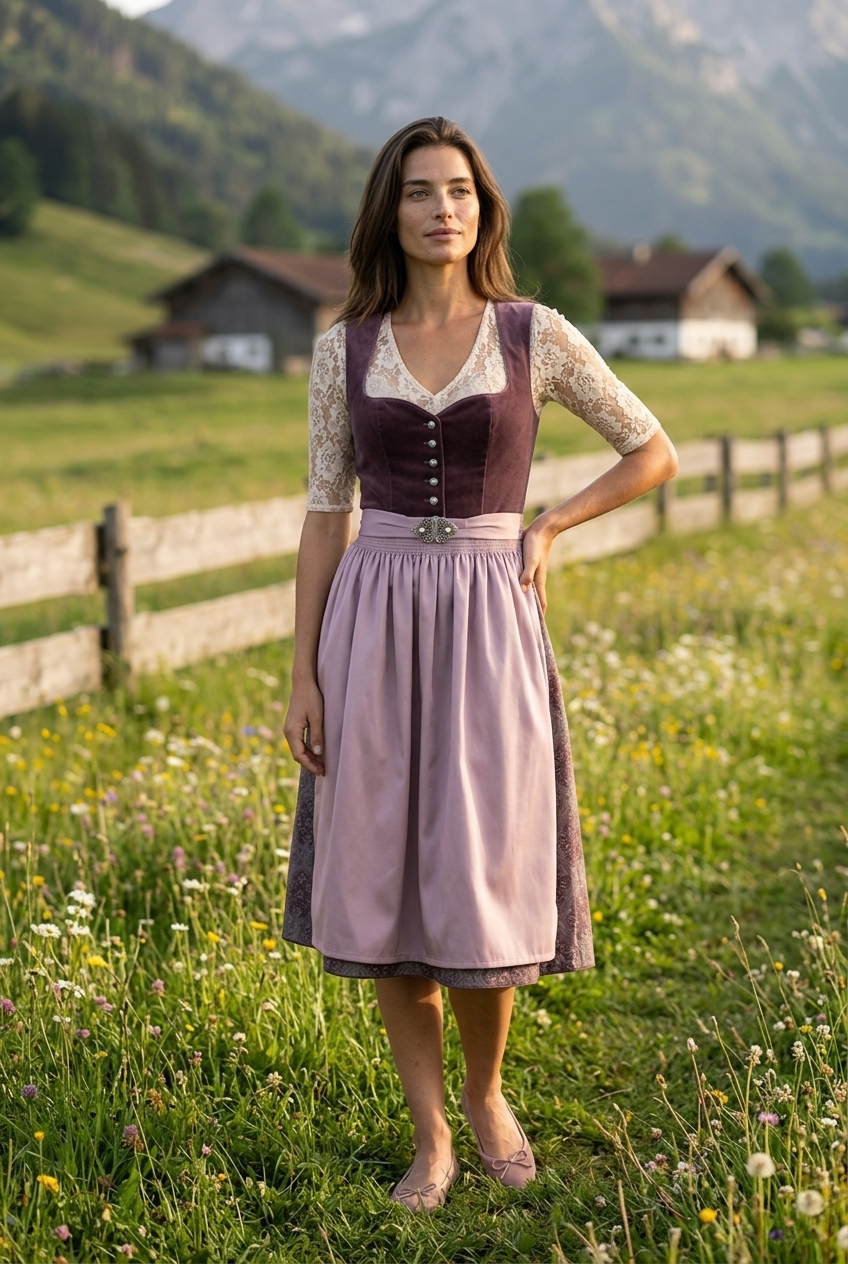 This image was created with AI to show the original product on a model. Cut, colour and details match the real product exactly.
Model imagery created with AI. The product itself is shown true to the original. Learn more
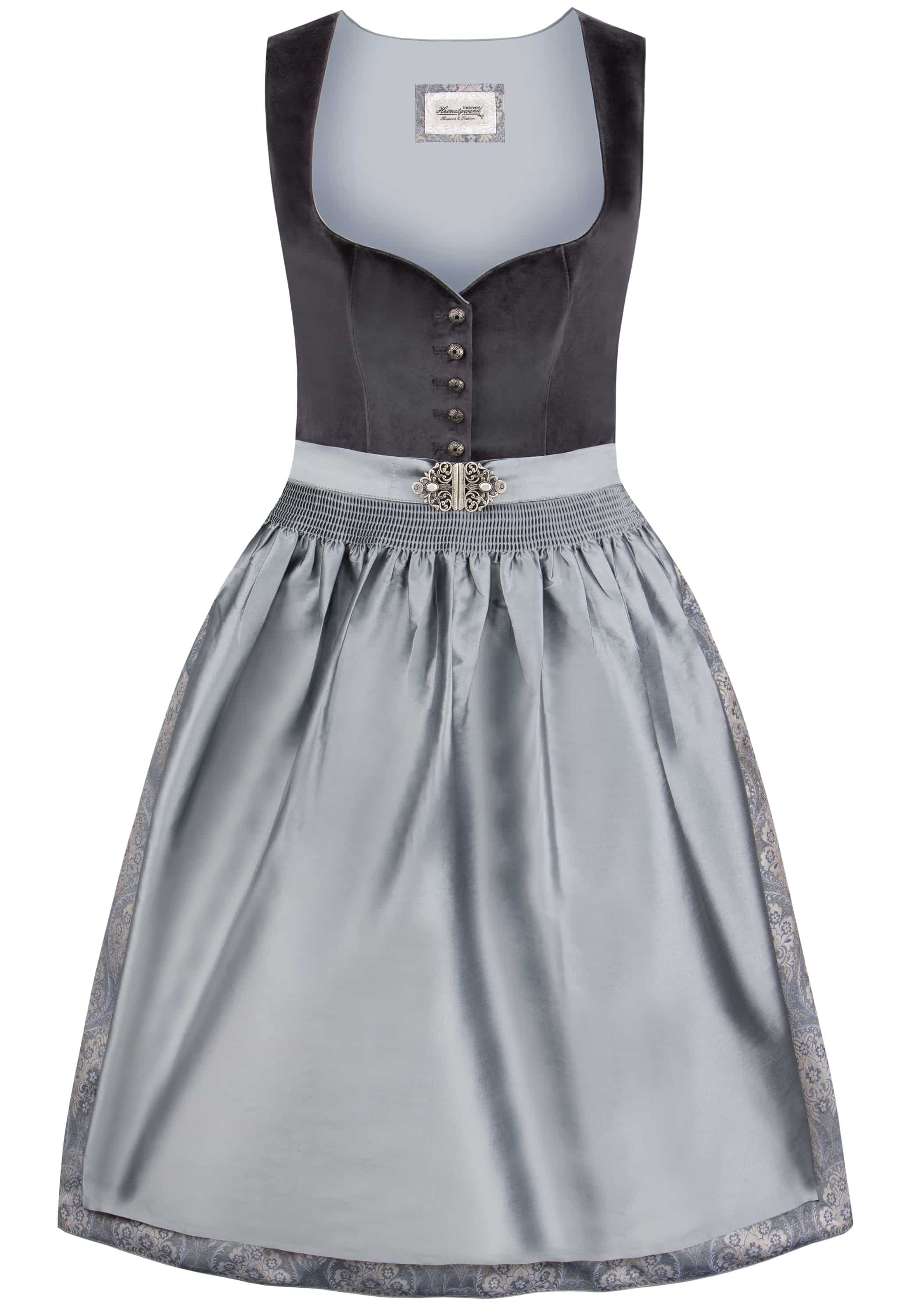
Our favorite for festive weddings. Elegant sweetheart neckline, refined aubergine, fine workmanship. A dirndl you will wear for many years, and one that strikes the right tone every time.
MORE THAN A DRESS
One dirndl. Many occasions.
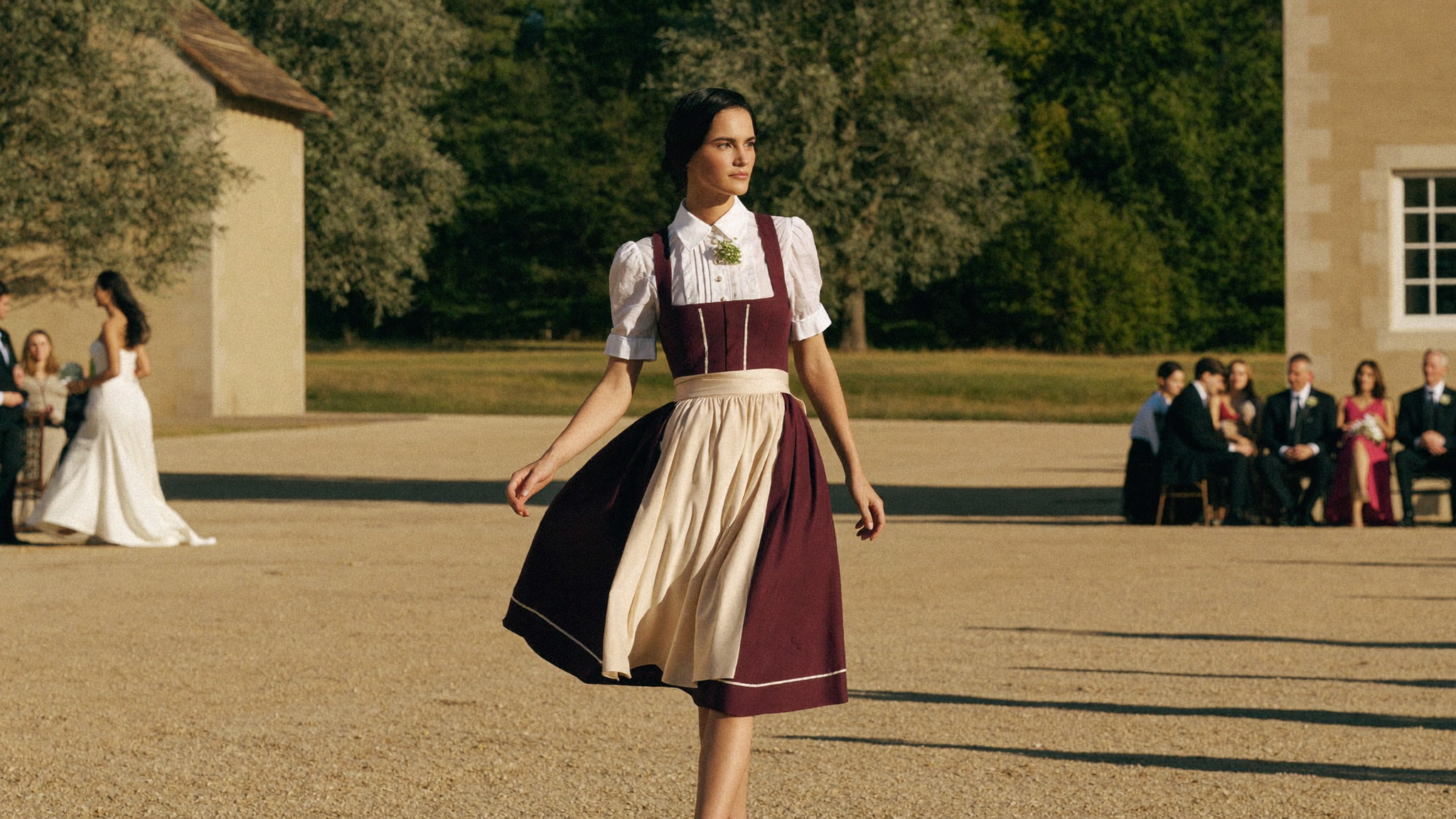
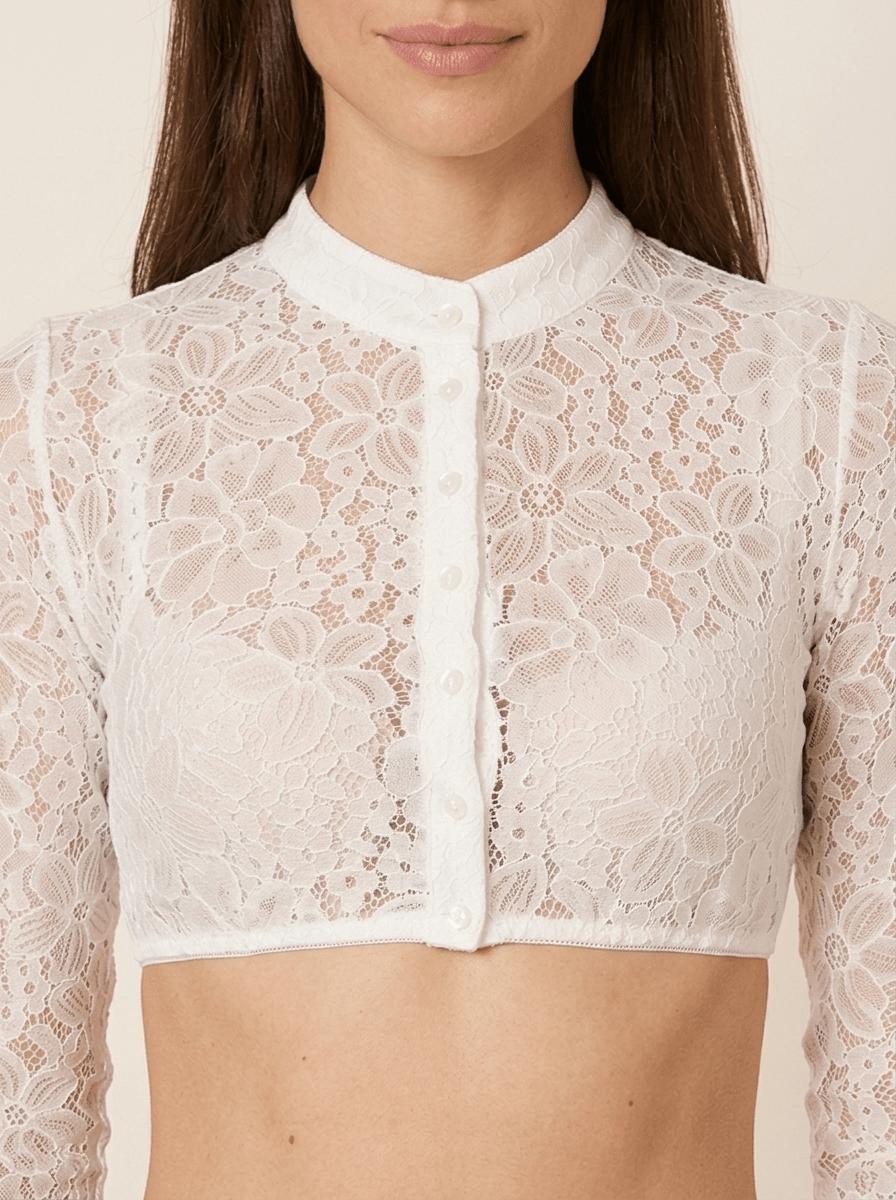
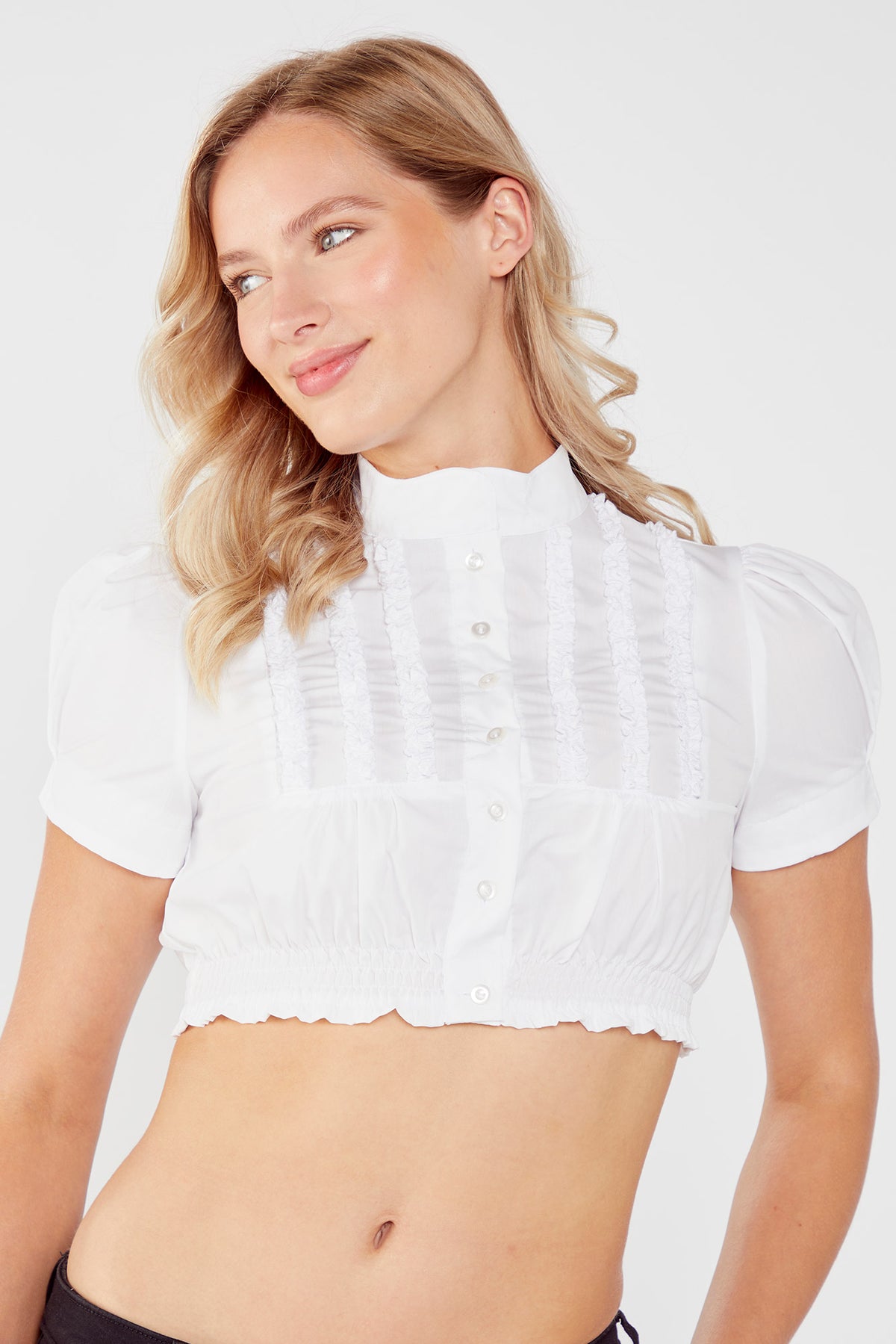
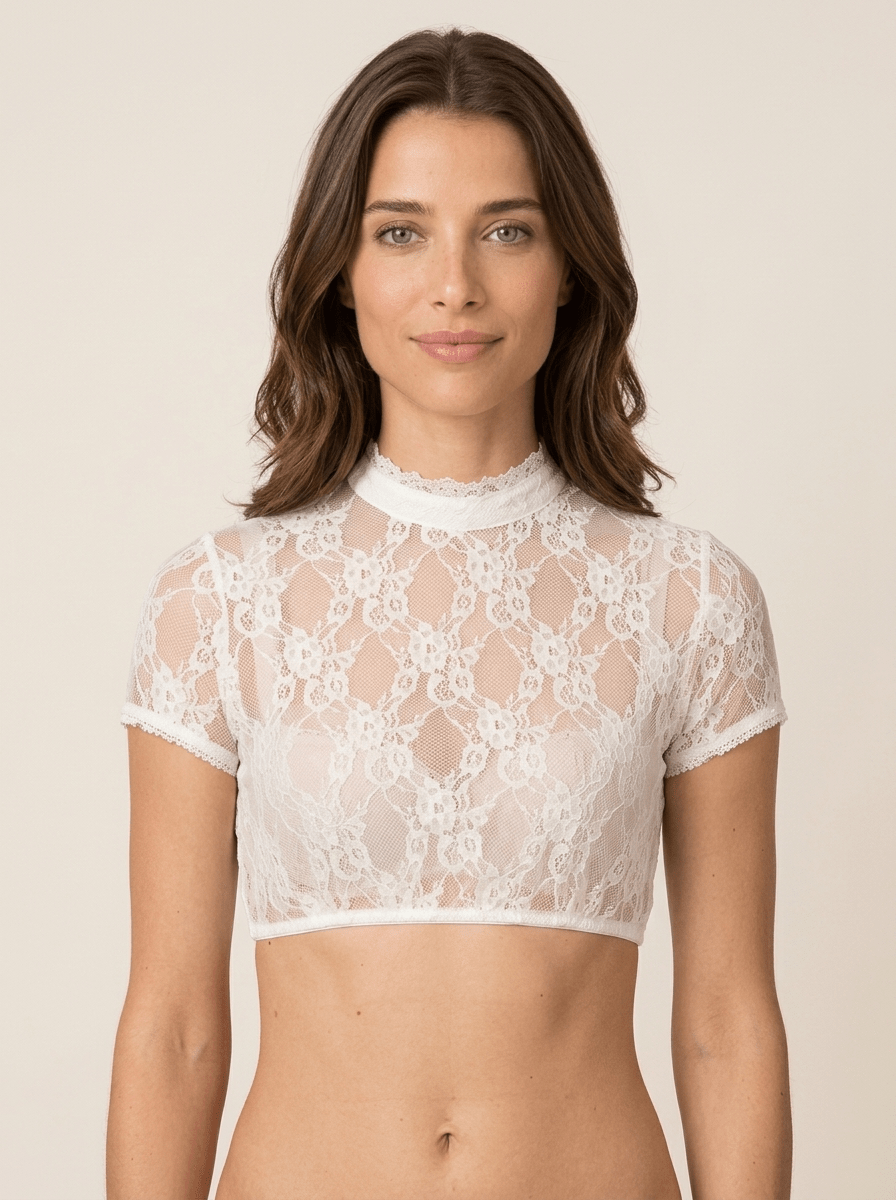
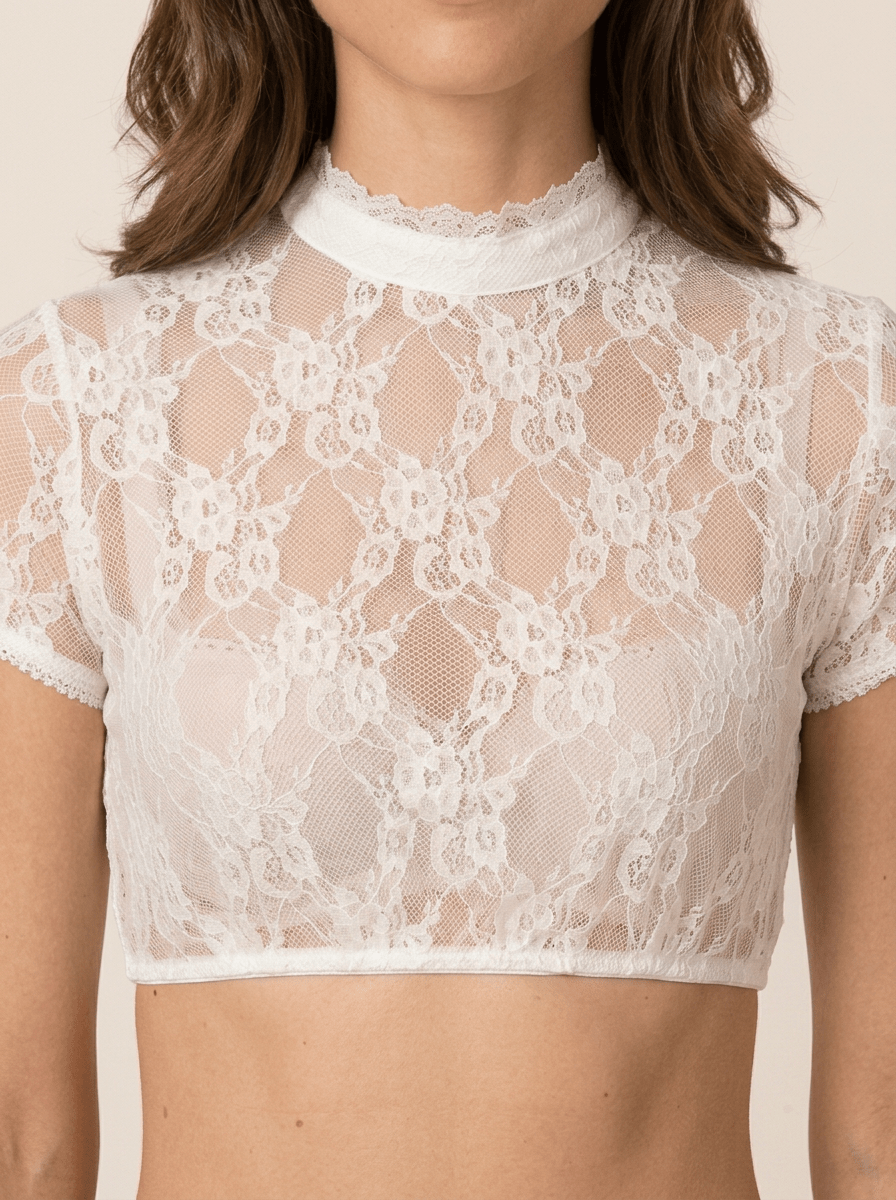
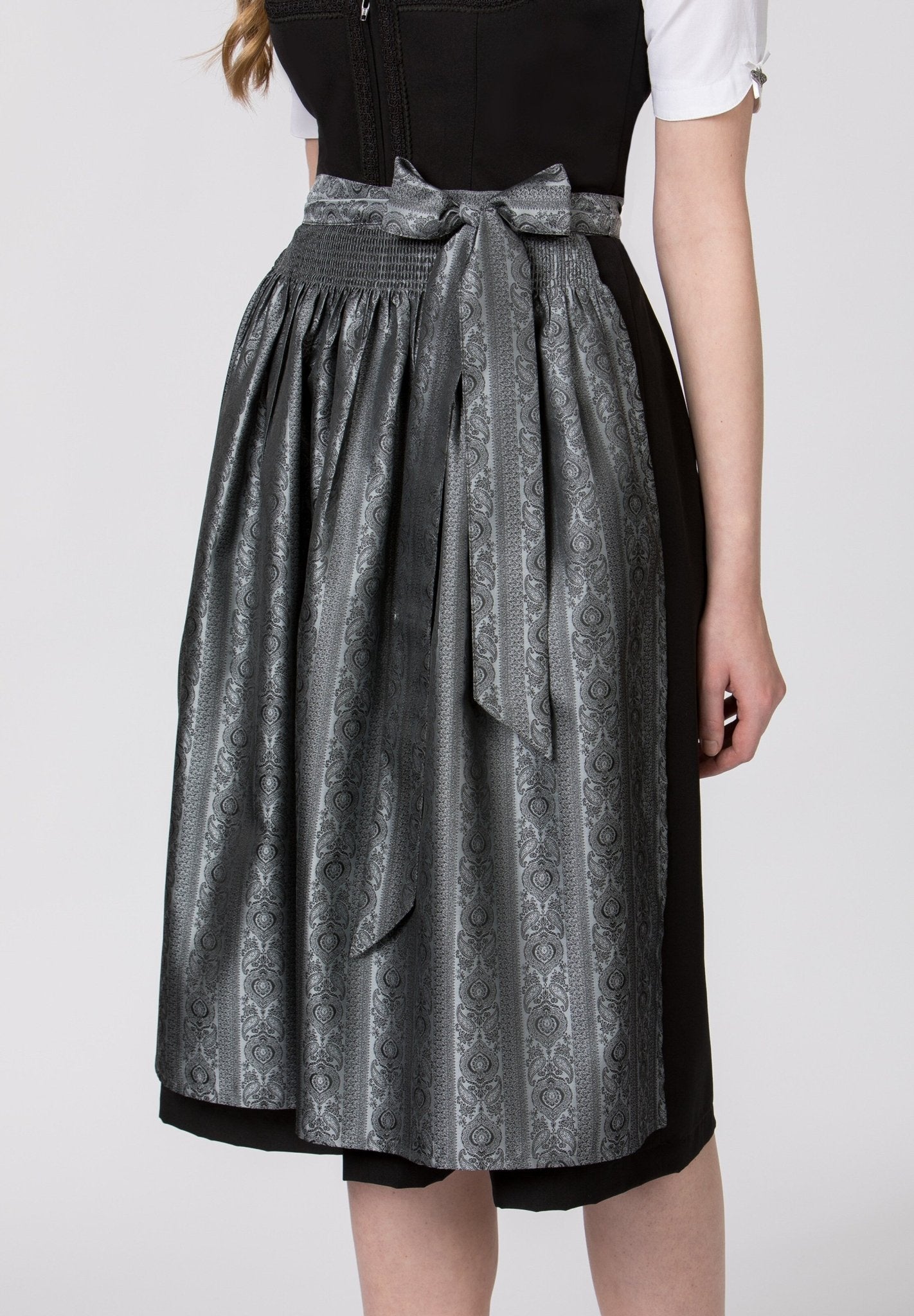
A different apron, a different blouse, and your wedding dirndl carries you through the whole year.
THE RIGHT LENGTH
Midi, short or long, what suits which wedding?
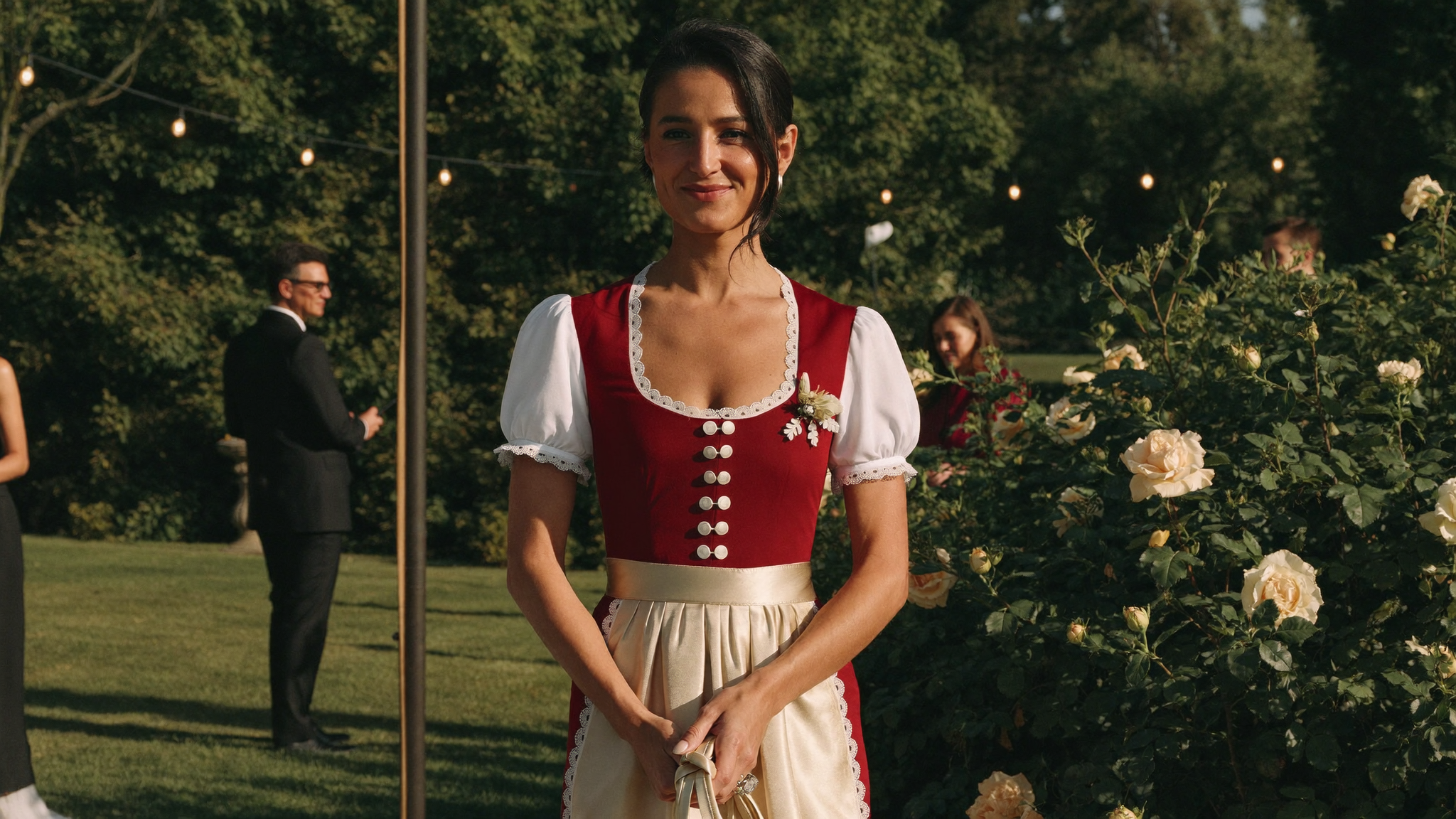
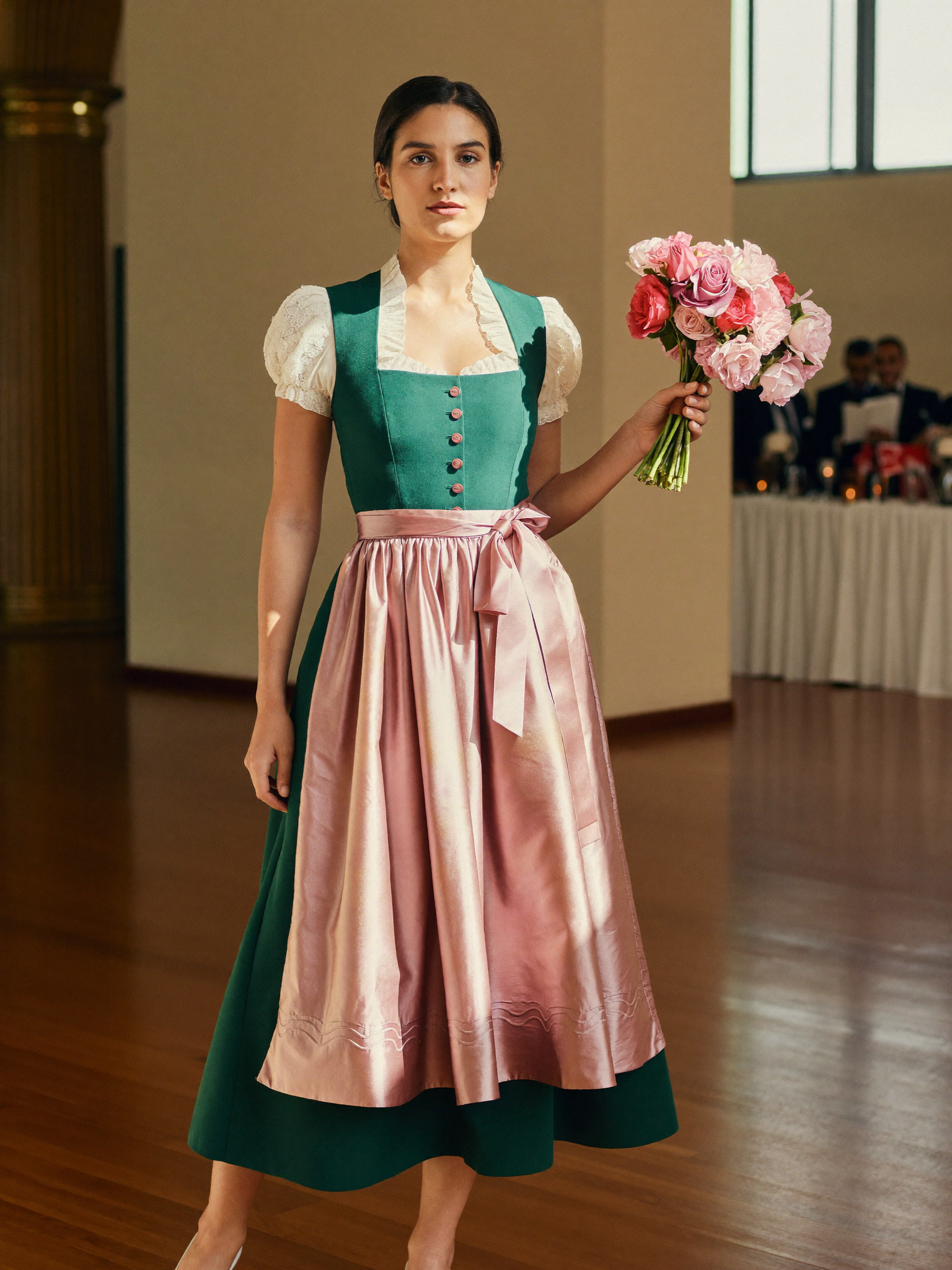
Trachten tradition follows a simple rule: the longer the dirndl, the more formal the occasion. A midi dirndl at 65 to 75 centimeters is the safest choice for almost any wedding: festive enough for the evening, not too dramatic for the day, and it works in any setting. If you cannot decide, midi is the answer.
A short dirndl at 50 to 60 centimeters reads as summery and rustic, good for garden weddings, folk festivals and very relaxed summer events, but quickly too casual for a formal wedding in church or a banquet hall. A long dirndl from 80 centimeters is the most formal option and suits evening weddings, gala dinners and traditional Trachten weddings. If you are unsure, the midi dirndl is the all-rounder you will not regret.
HIGHLIGHT II
Dirndl Bavaria
 This image was created with AI to show the original product on a model. Cut, colour and details match the real product exactly.
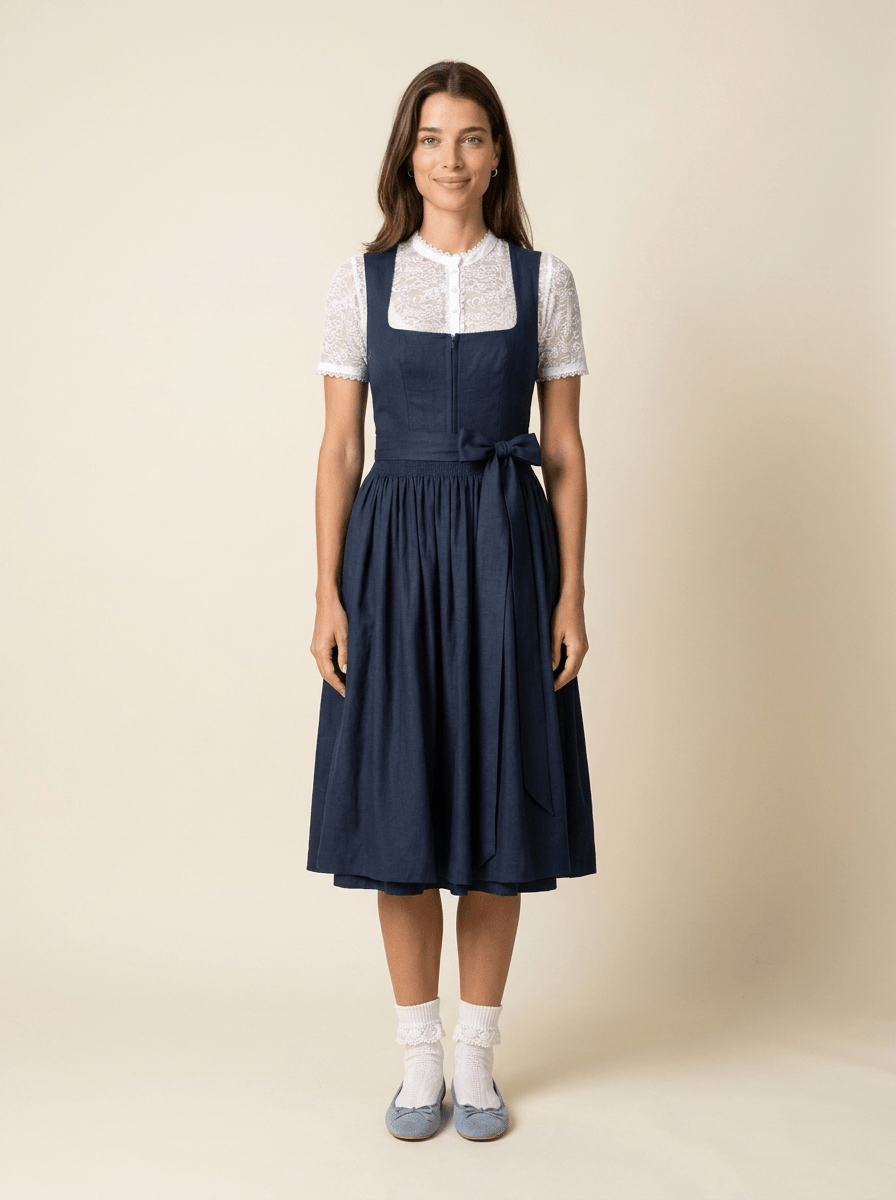 This image was created with AI to show the original product on a model. Cut, colour and details match the real product exactly.
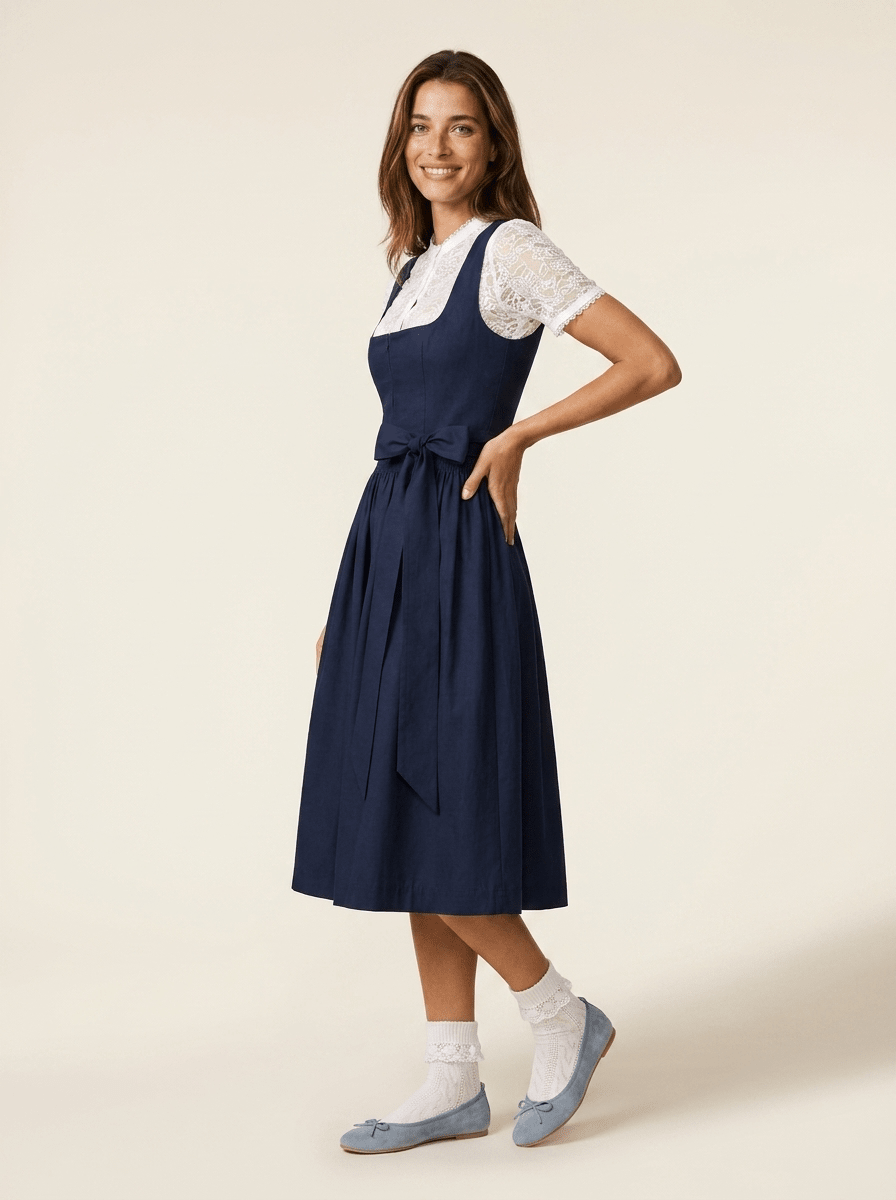 This image was created with AI to show the original product on a model. Cut, colour and details match the real product exactly.
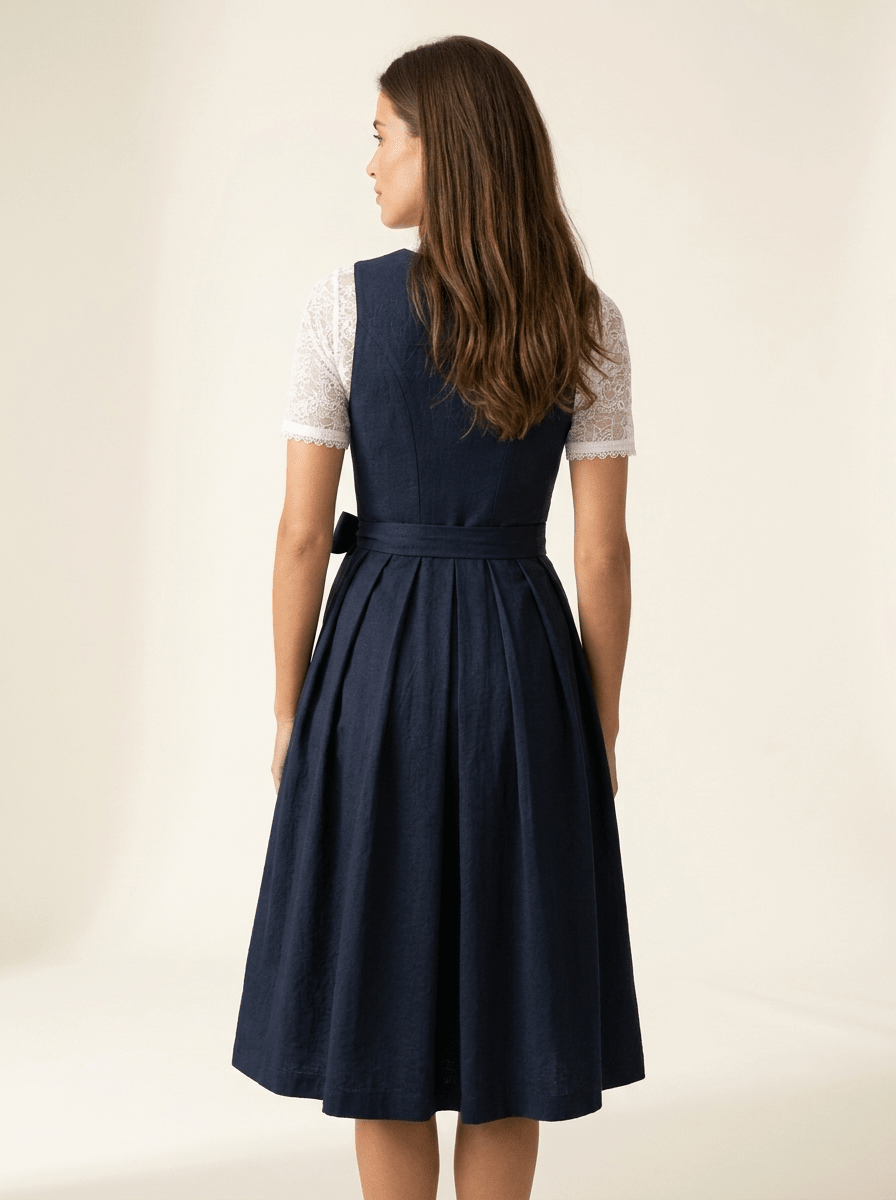 This image was created with AI to show the original product on a model. Cut, colour and details match the real product exactly.
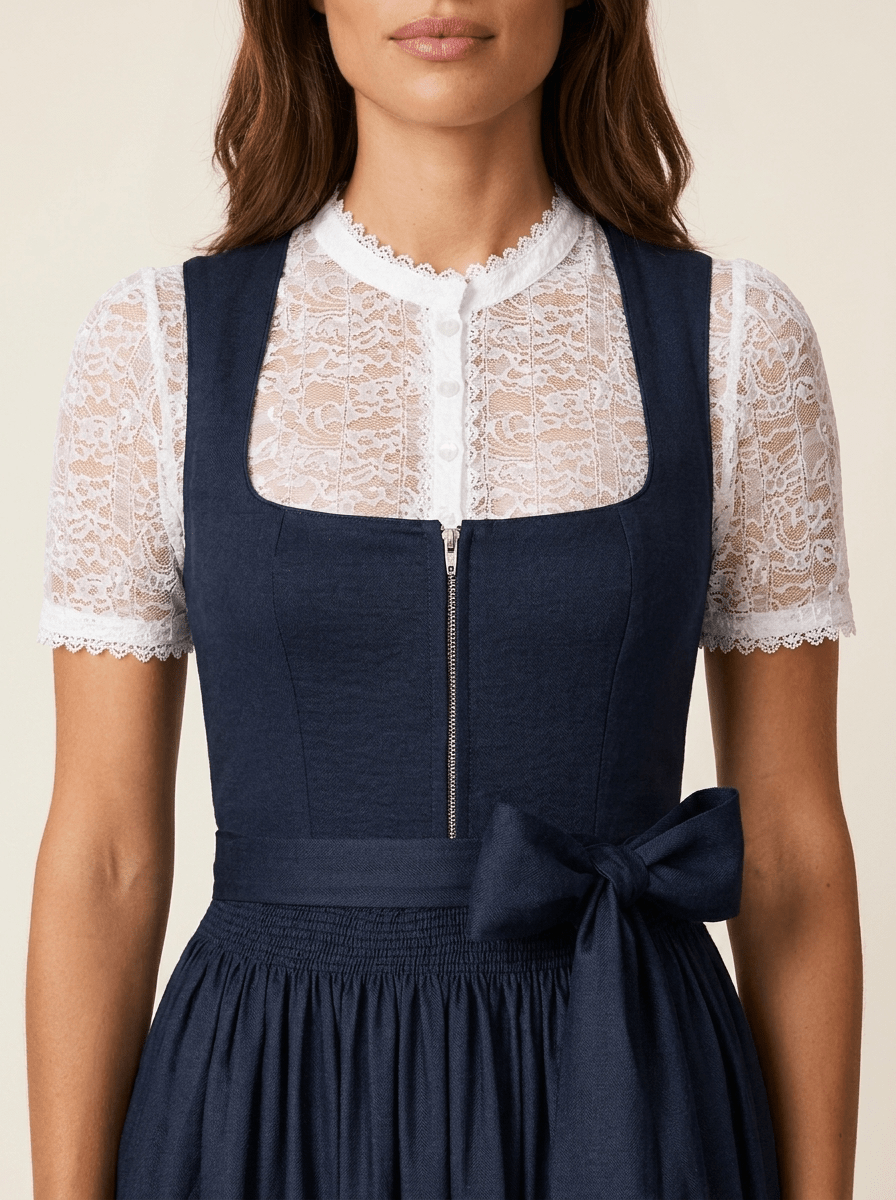 This image was created with AI to show the original product on a model. Cut, colour and details match the real product exactly.
 This image was created with AI to show the original product on a model. Cut, colour and details match the real product exactly.
 This image was created with AI to show the original product on a model. Cut, colour and details match the real product exactly.
 This image was created with AI to show the original product on a model. Cut, colour and details match the real product exactly.
Model imagery created with AI. The product itself is shown true to the original. Learn more
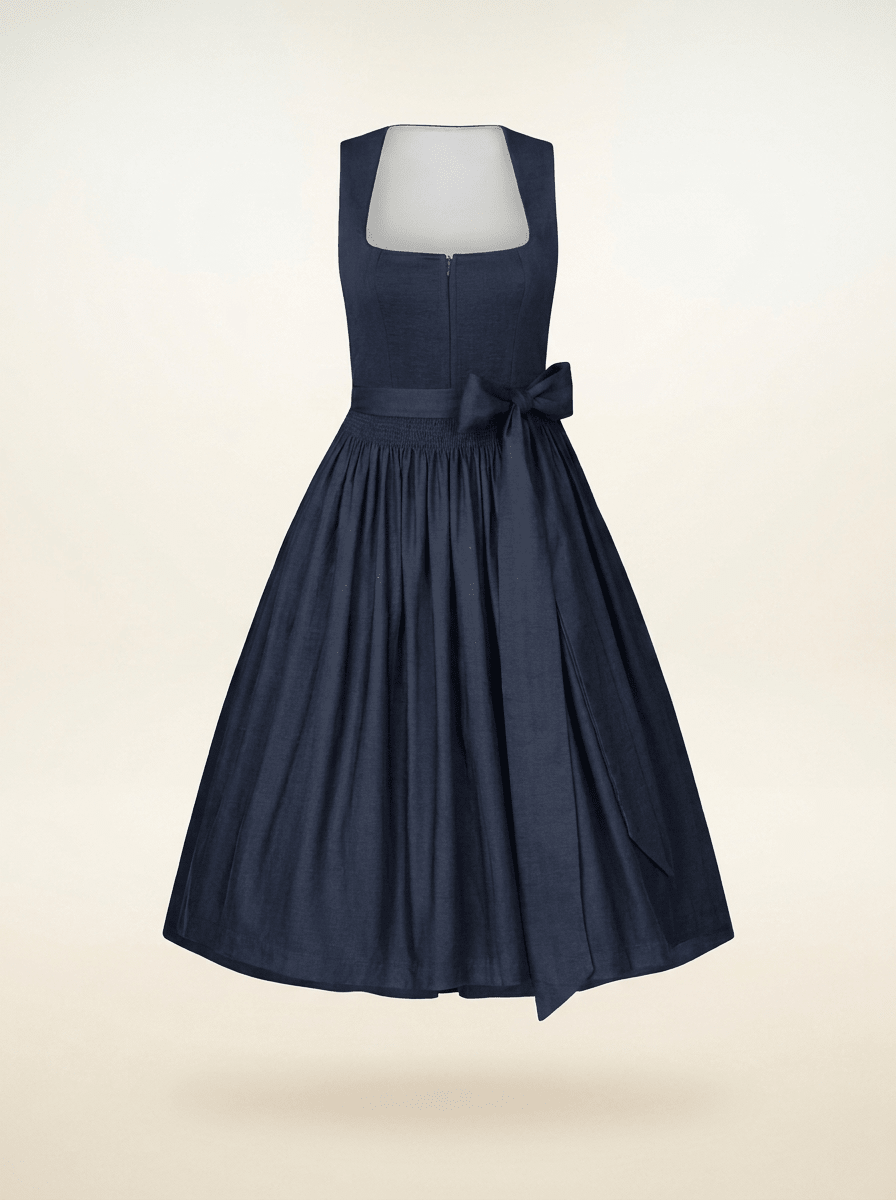
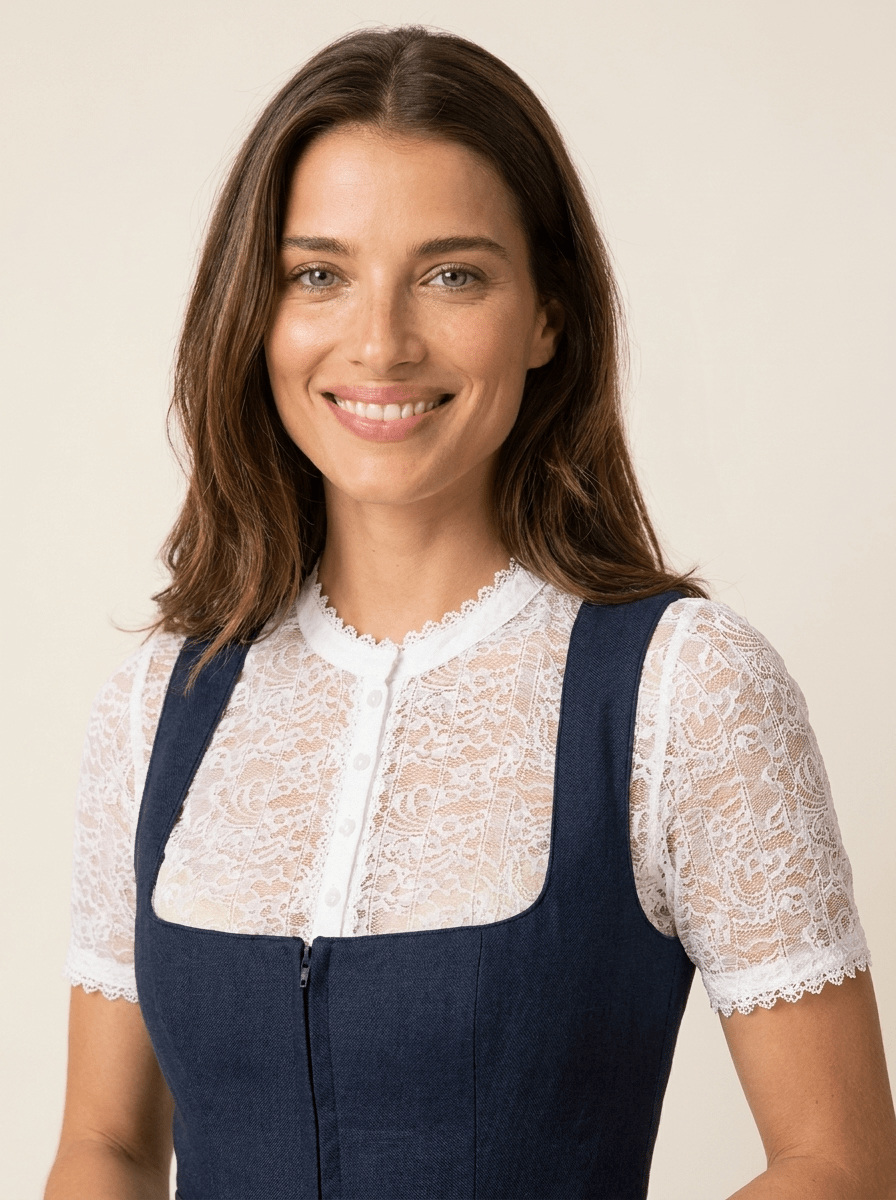
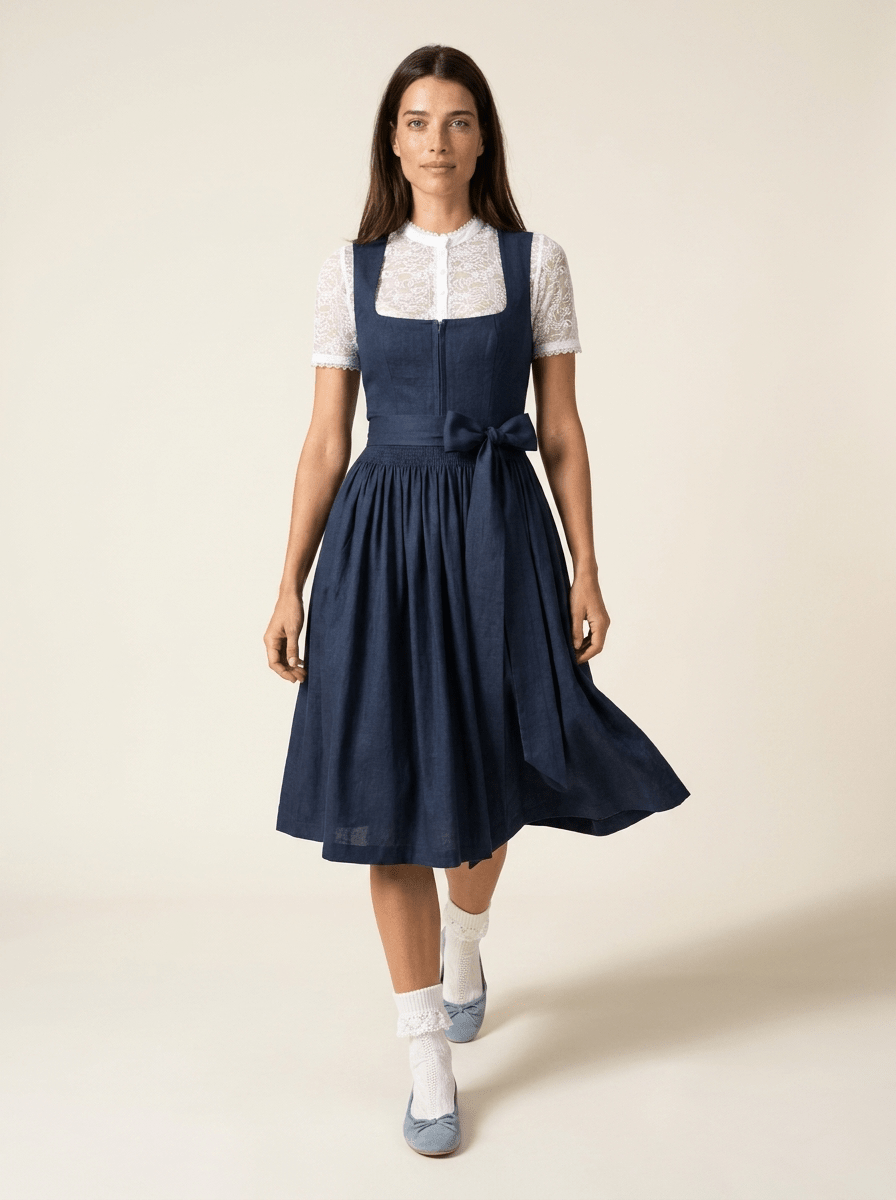
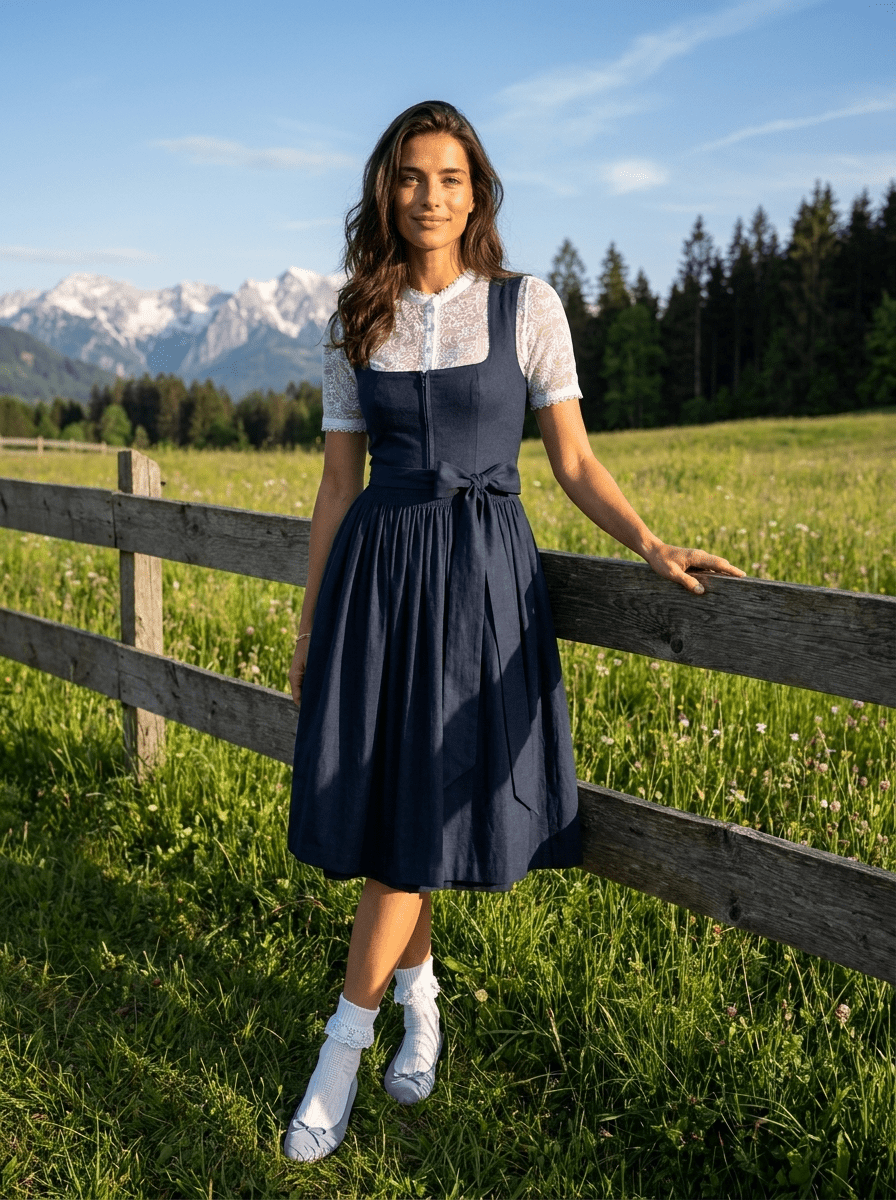
The classic you will not regret. Cleanly made, well cut, fairly priced. Suits a wedding, a folk festival and everything in between.
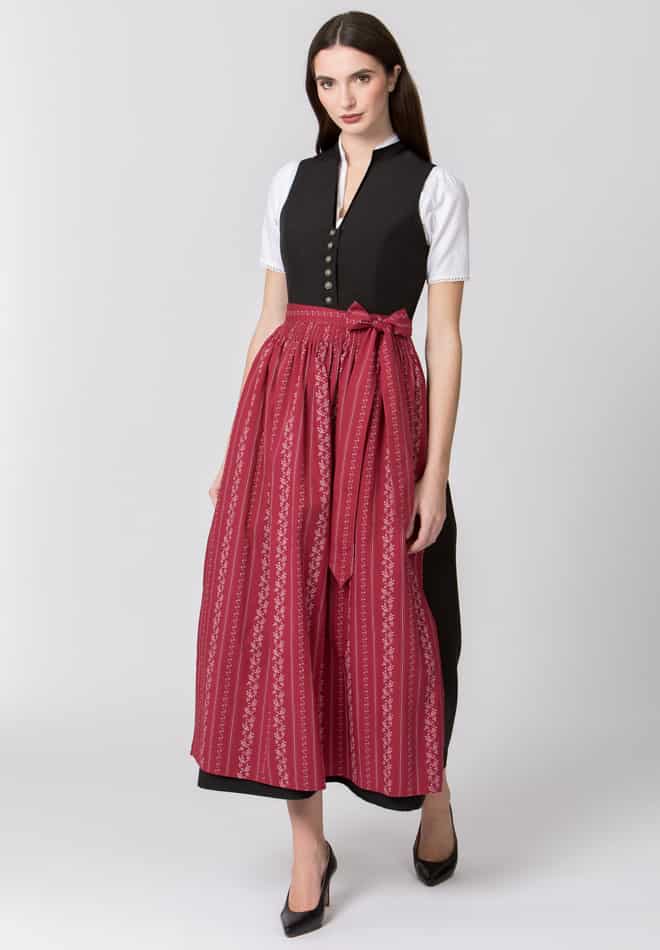
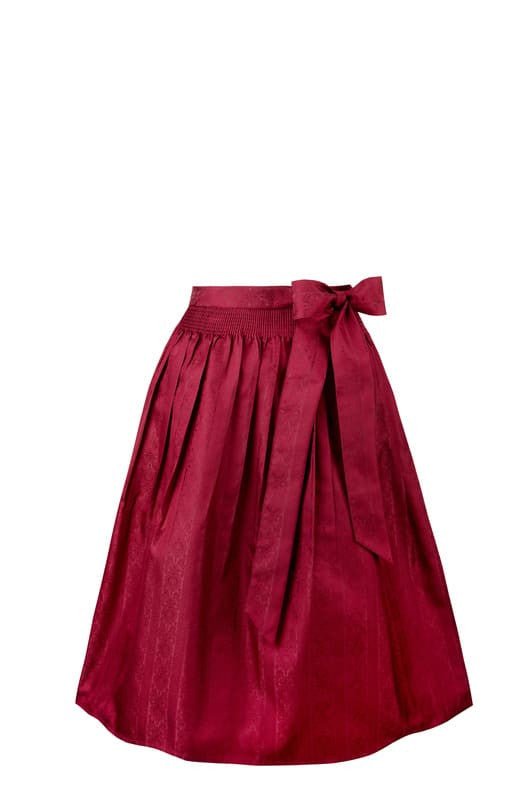
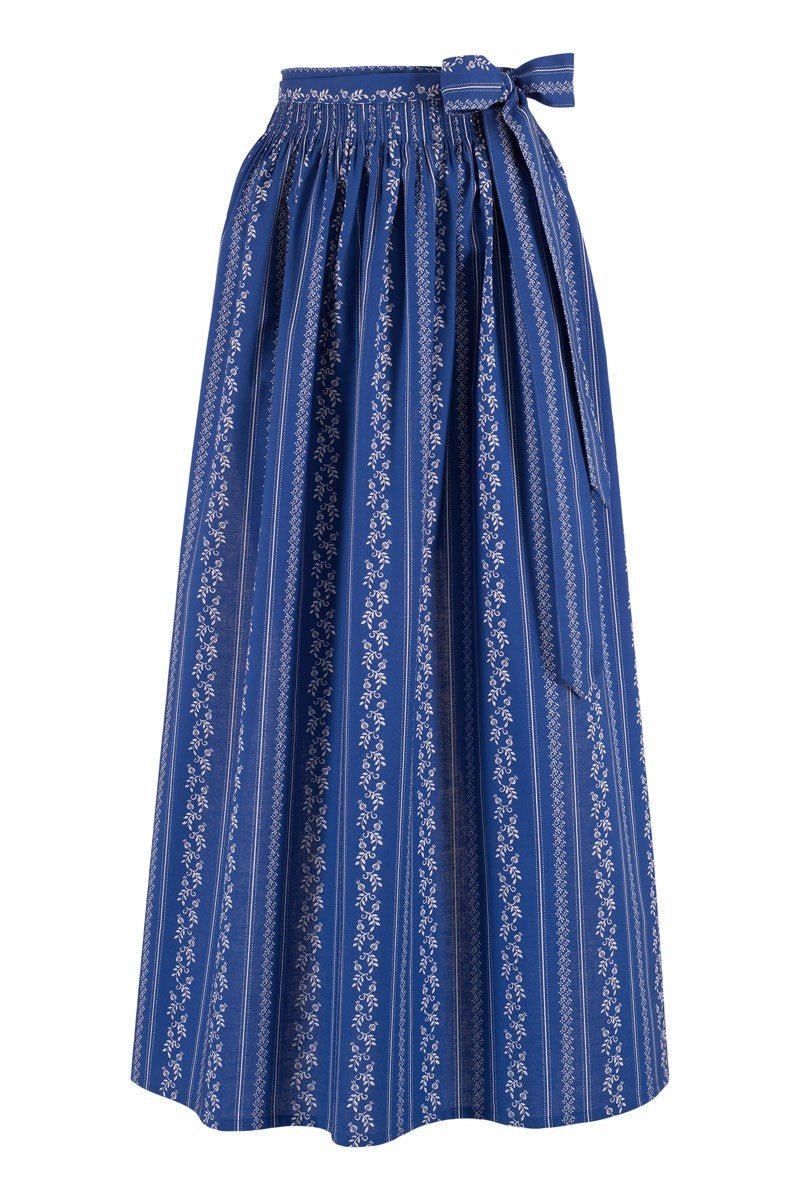
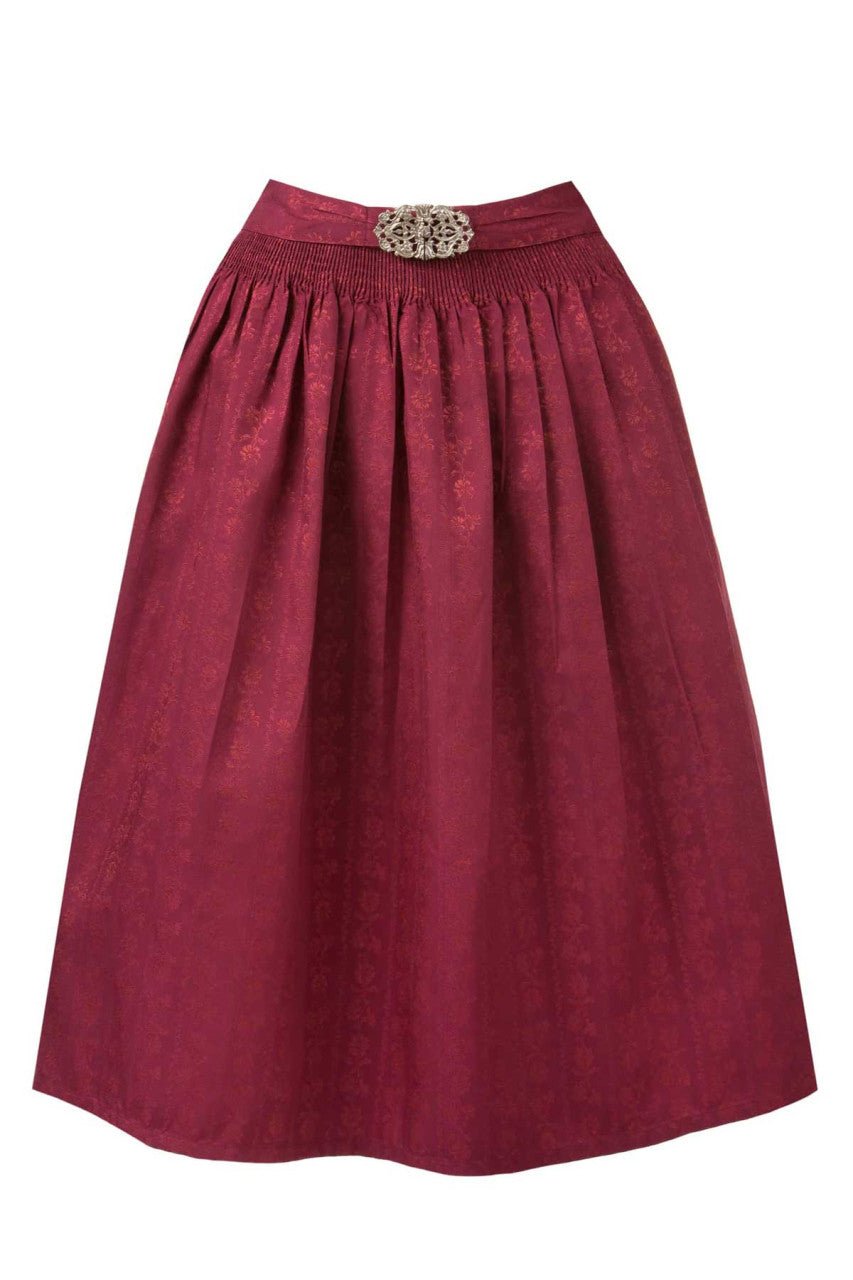
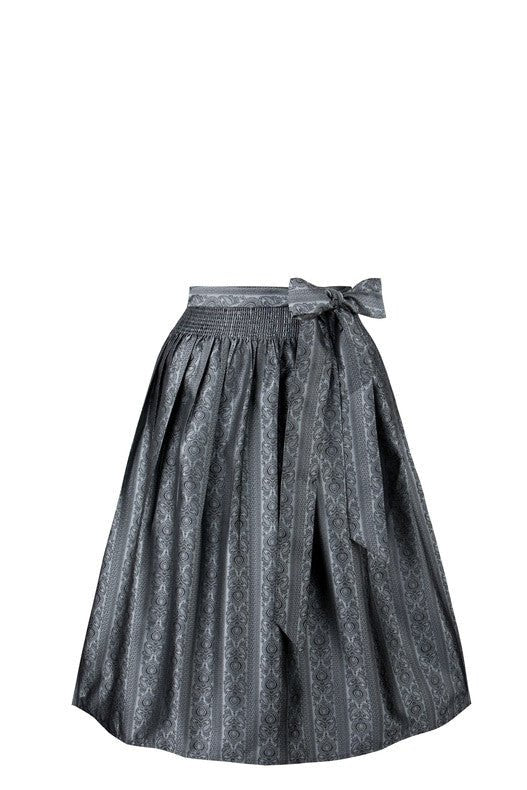
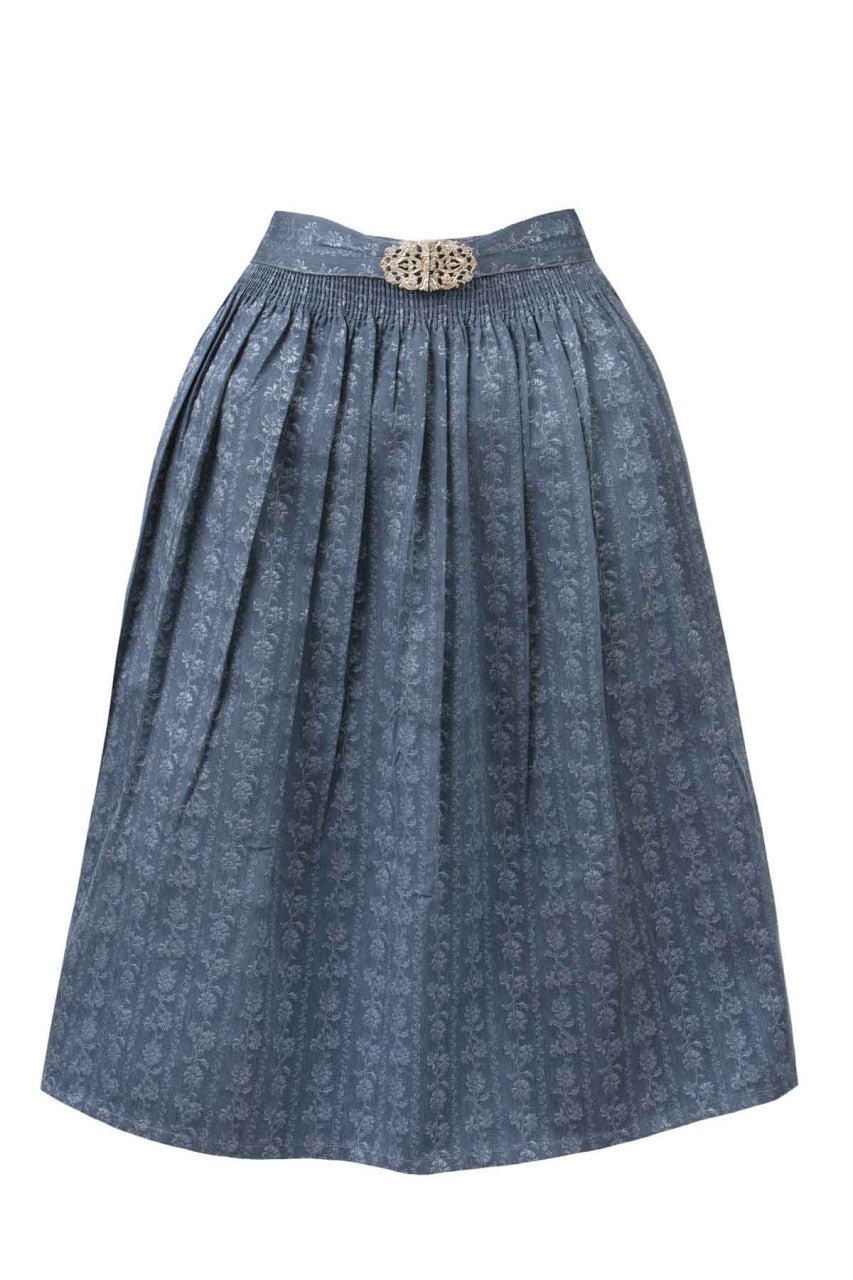
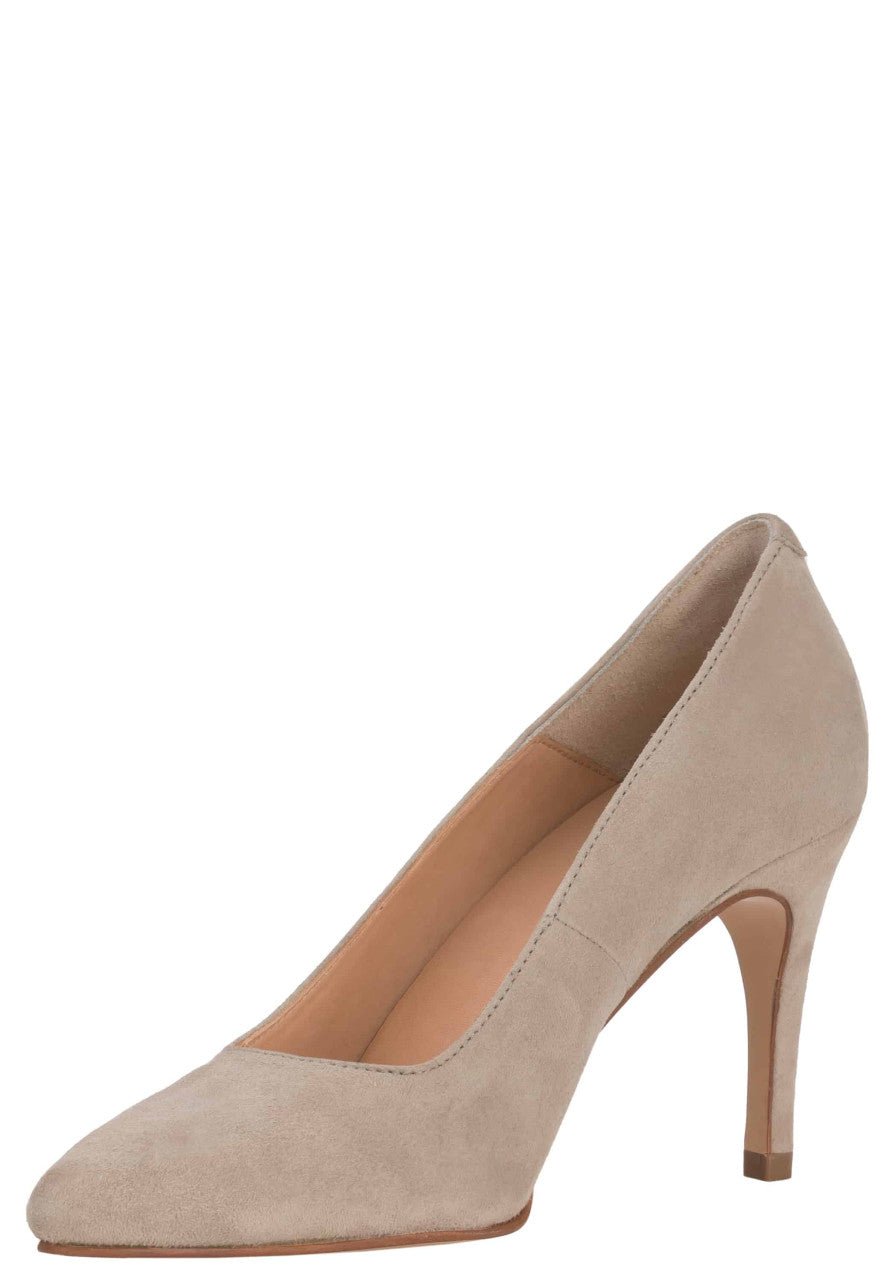
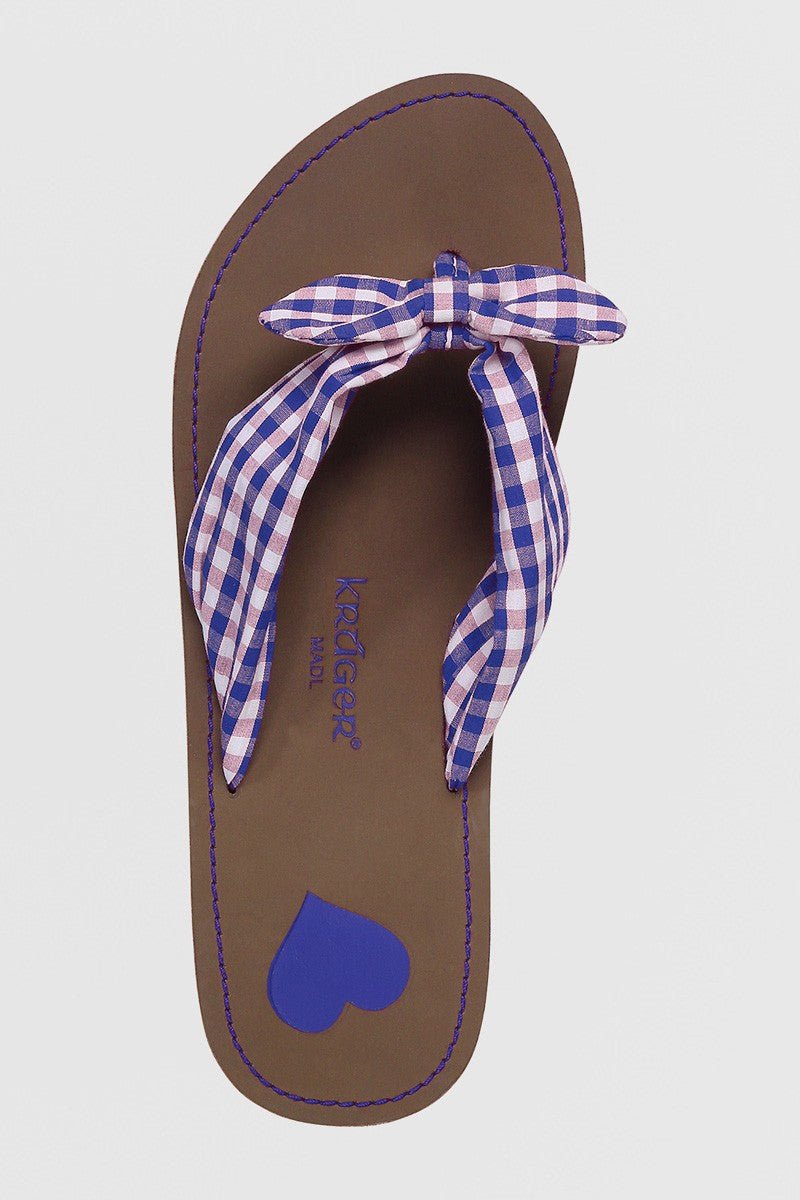
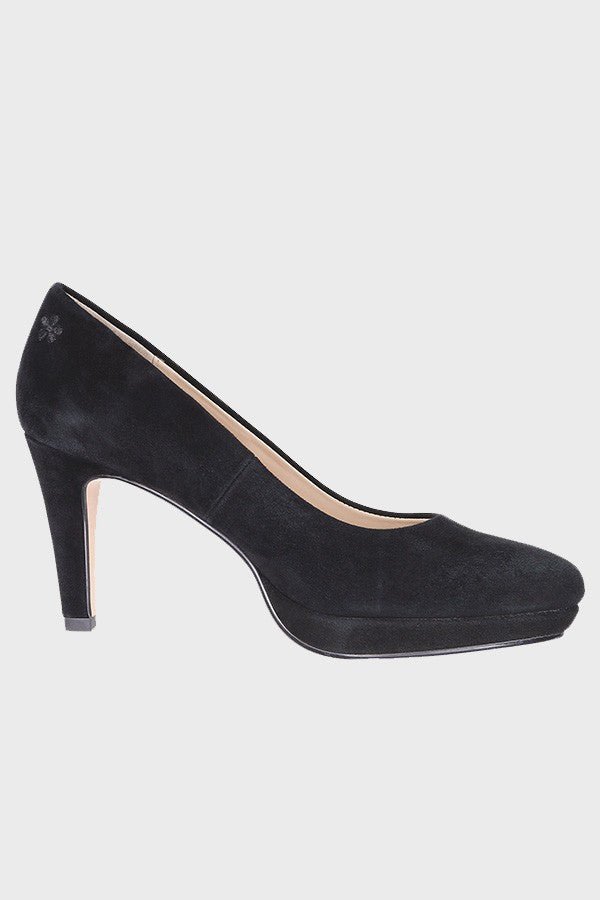
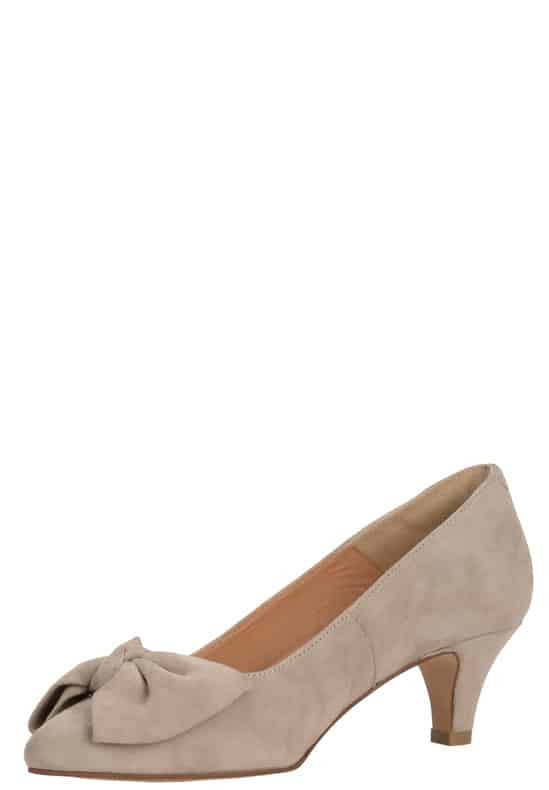
COMPLETE THE LOOK



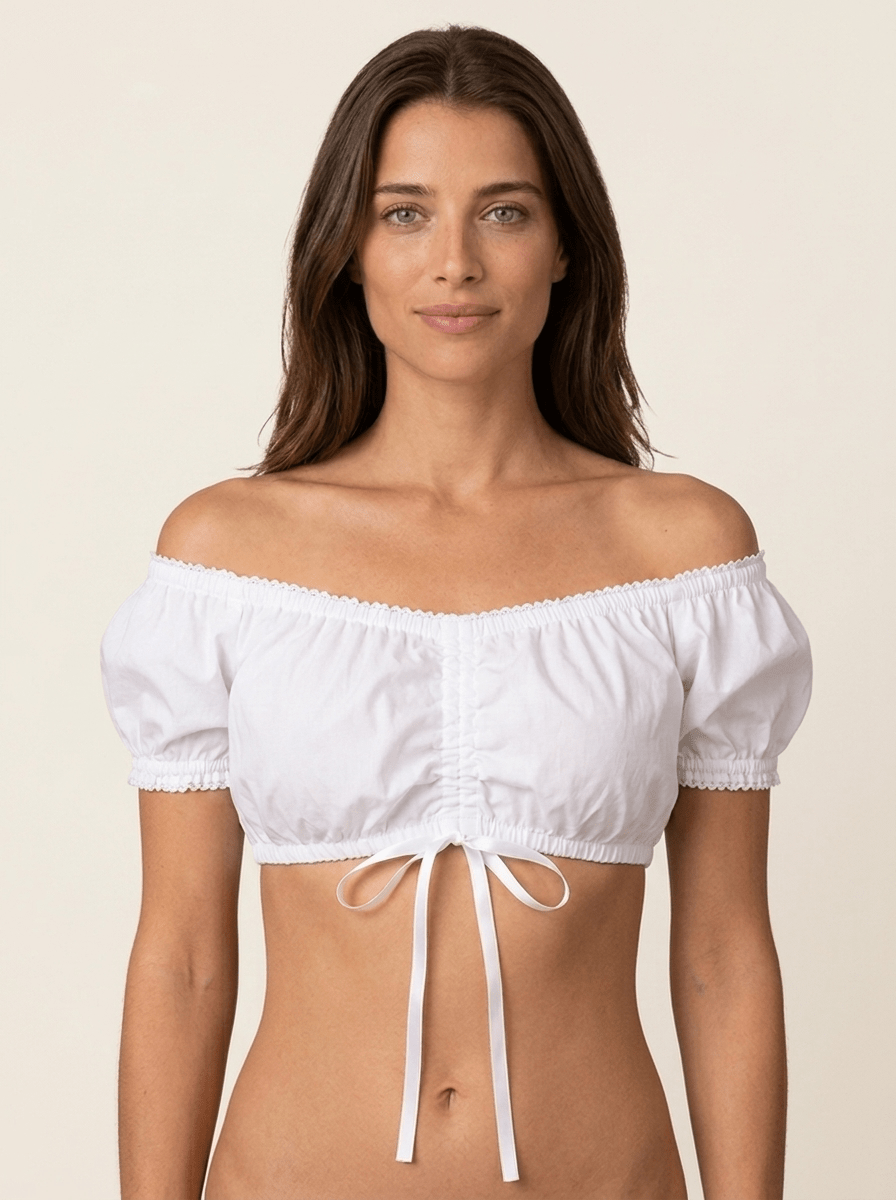
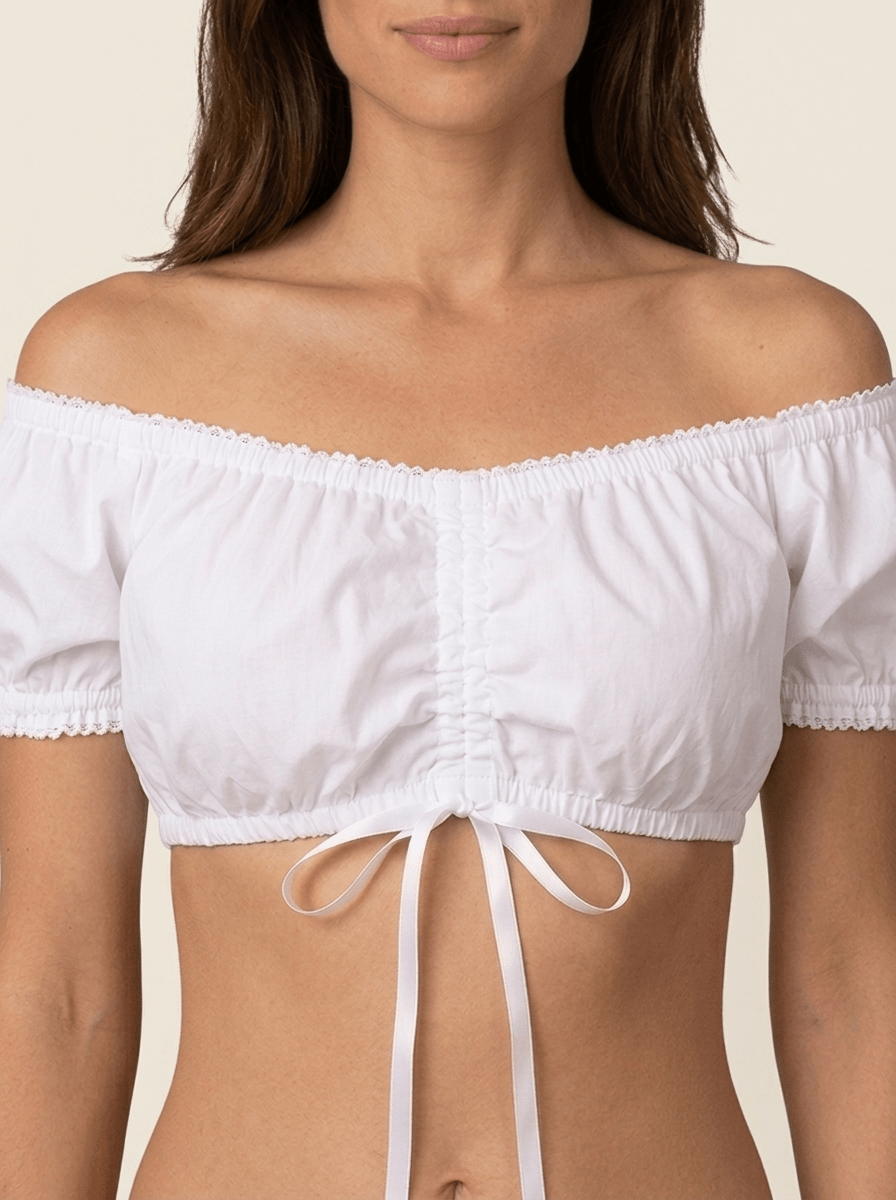
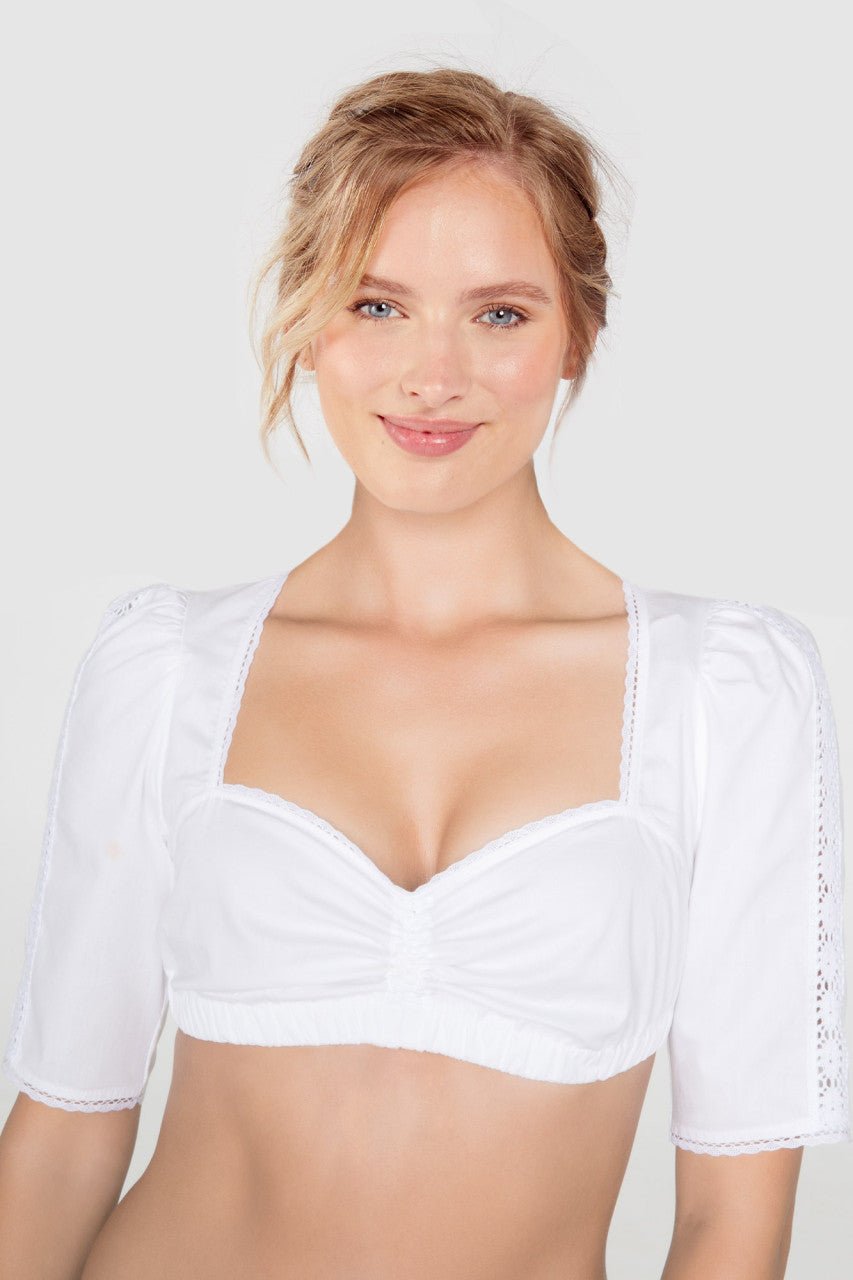

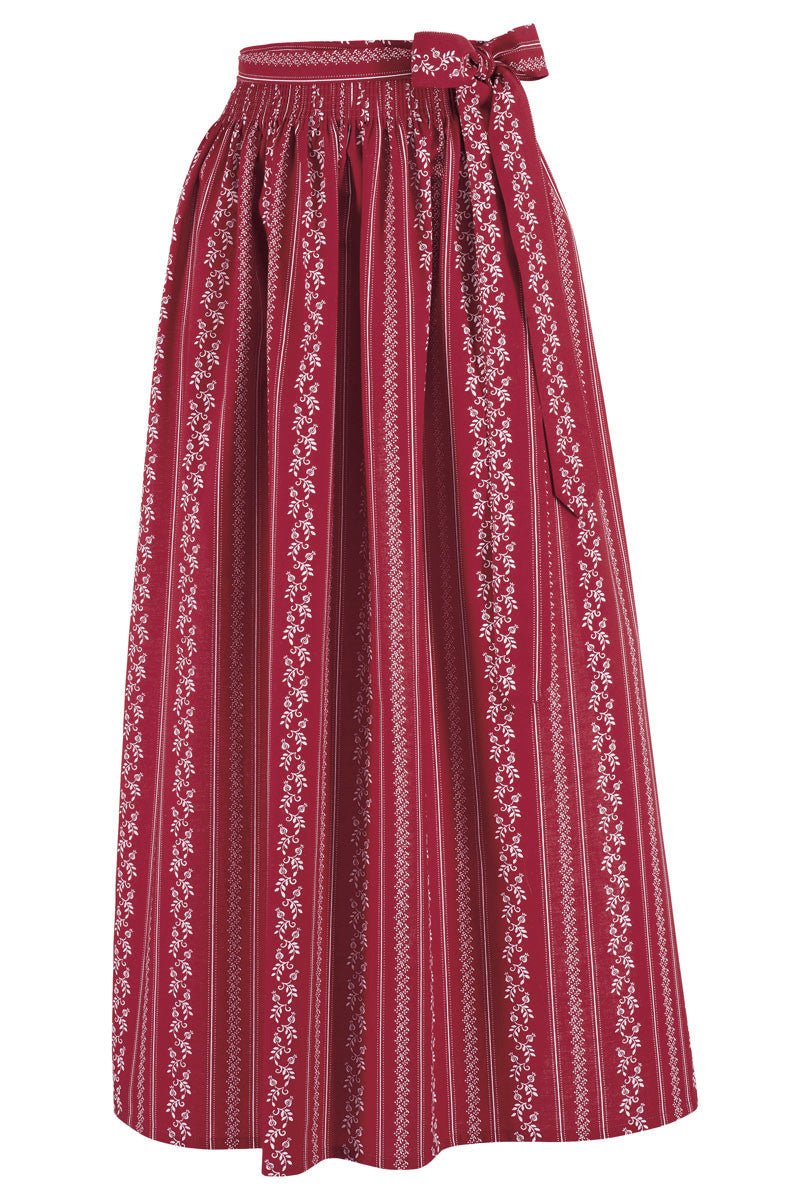
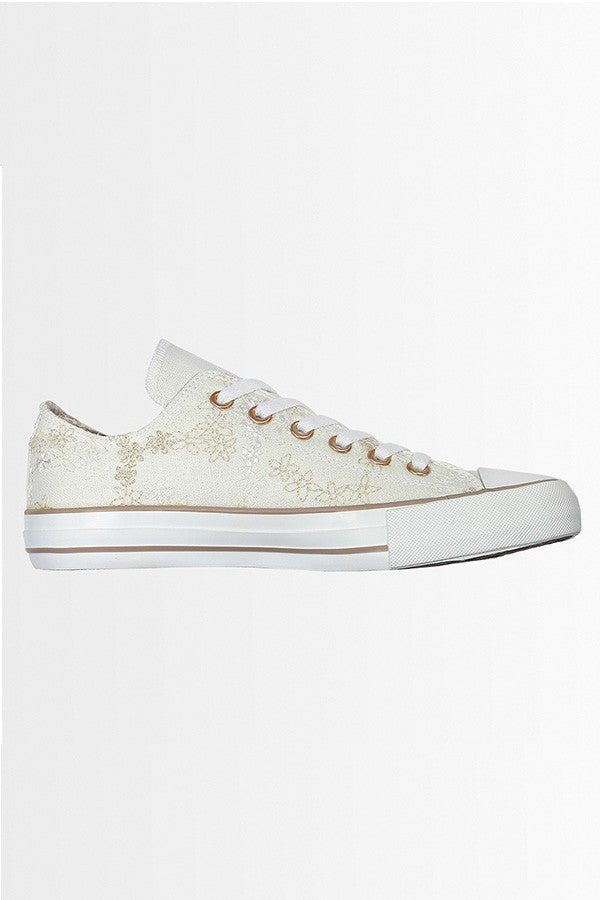
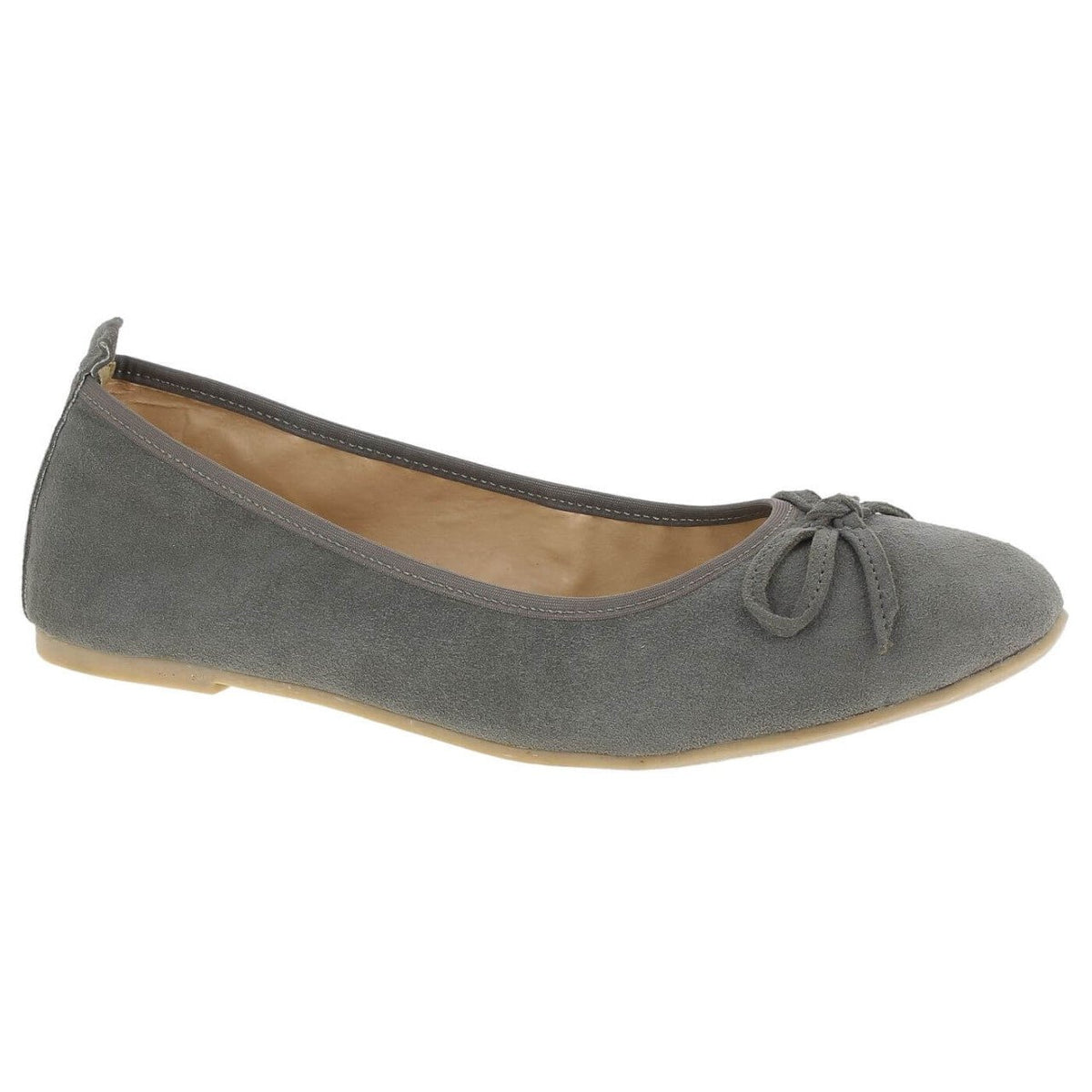
FREQUENTLY ASKED QUESTIONS
Quick Answers
Dirndls as a Wedding Guest
Anything that recalls a wedding dress: pure white, ivory, champagne, very pale pink and large areas of pale lace on light fabric. Even pale pink can read as white in photos. Black dirndls with a fully black apron are also problematic in many regions due to the association with mourning. A black dirndl with a colorful apron, on the other hand, is entirely fine and often the most elegant choice for evening weddings. If you are unsure whether your dirndl's color is still in the safe zone, ask someone from the bride's circle of friends.
For almost any wedding, a midi dirndl at 65 to 75 centimeters is the safest choice. Short dirndls at 50 to 60 centimeters quickly read as too casual for more formal weddings and suit garden weddings or summer folk festivals better. Long dirndls from 80 centimeters are the most formal option and suit evening weddings, gala dinners or very traditional Trachten weddings. If you want to test the length at a wedding where you are wearing a dirndl for the first time, reach for midi, it is the safe all-rounder.
At least two weeks before the wedding, three is better. Dirndls fit more individually than regular ready-to-wear, since the bodice needs to sit snugly and the blouse underneath has to sit cleanly, so you want time to order a different size if needed. The most common situation we see in support is an order placed three days before the date, at which point there is too little time for an exchange. If your wedding is less than ten days away, write to us first, we will tell you honestly whether we can make it in time. Full details are on our shipping and returns pages.
If the wedding takes place in the Alpine region, or if you are choosing between a really good dirndl and a mediocre cocktail dress, take the dirndl. It is far more festive than most people think, stands out positively in photos, and in the end often gets worn more often than a cocktail dress that only hangs in the closet for one occasion. Even at a wedding without a Trachten theme, a understated midi dirndl in a muted color can work very well. The question then is less whether you are allowed to wear it, and more whether it fits the tone of the evening.
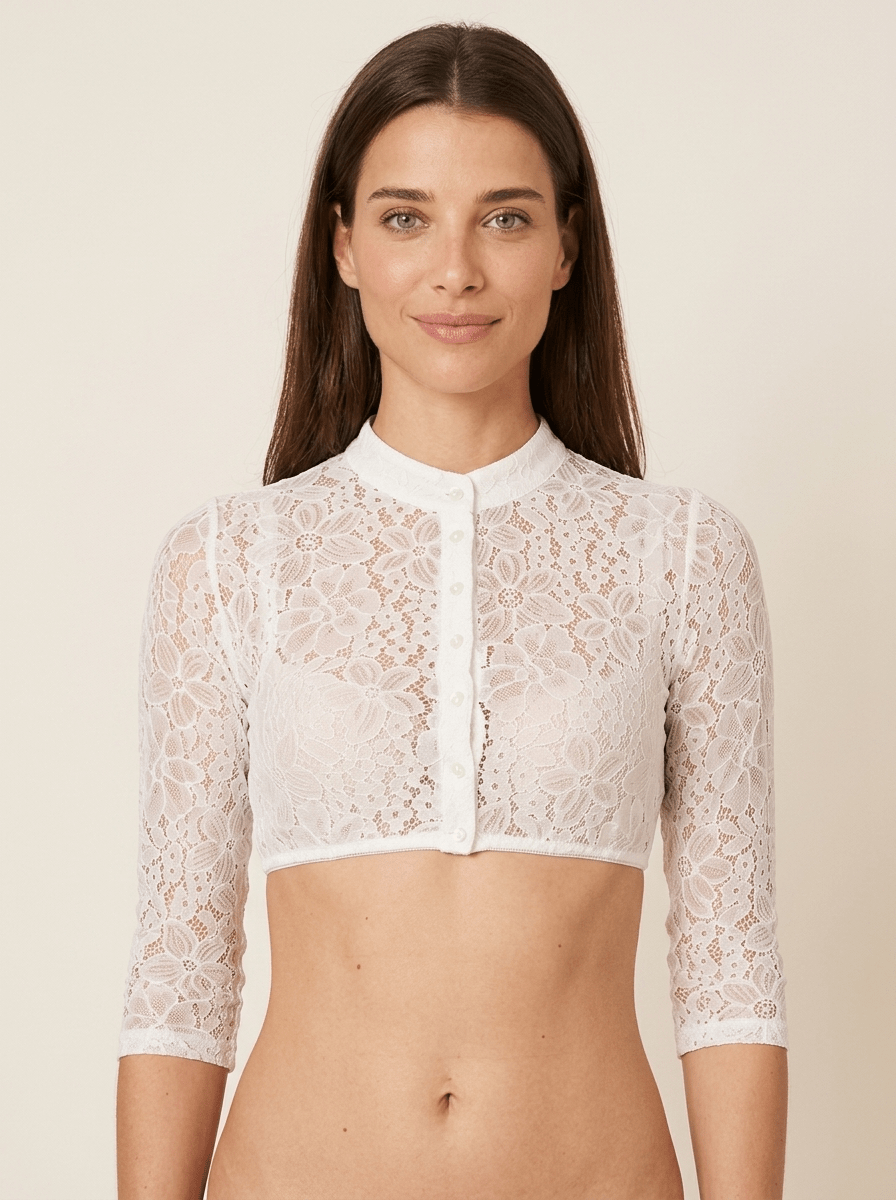
Yes, and that is one of the biggest advantages of a good dirndl. With a different apron and a different dirndl blouse, the same dress looks completely different. A dirndl you wear to a wedding today can work again at the next folk festival, at the Oktoberfest, at the spring festival, at a church fair, or at a Christmas party. The cost per wear drops significantly over the years compared to a pure cocktail dress that disappears into the closet after one wedding. That is one of the reasons we always recommend slightly higher-quality workmanship, it pays off in the long run.
READY
Find your dirndl.
Browse the full wedding guest selection and find the dirndl that strikes exactly the right tone.

Stay up to date
Newsletter
Sign up and be the first to find out about new collections, exclusive offers and styling tips for your perfect traditional outfit.