
Dirndl Colors: Meaning, Color Types & How to Find Your Perfect Shade
|
Time to read 7 min

|
Time to read 7 min
Which Dirndl color suits you — and what does it say about you? Whether it's a bold green, elegant bordeaux, romantic pink, or timeless black, every color tells a story. In this guide, you'll discover the traditional meaning behind each color, which shades are trending right now, and how to find the perfect Dirndl color for your complexion and occasion.
Why you can trust us:
✓ We are Tracht fashion and Dirndl experts with over 5 years of experience
✓ We have dressed over 10,000 Oktoberfest visitors
✓ We keep a close eye on the latest Tracht trends and know the newest collections
Want to find out more? Visit our store
In Bavarian Tracht culture, the color of a Dirndl originally carried a clear social message. Today, symbolic meaning plays a lesser role — but it's still fascinating to know what each color historically represented.
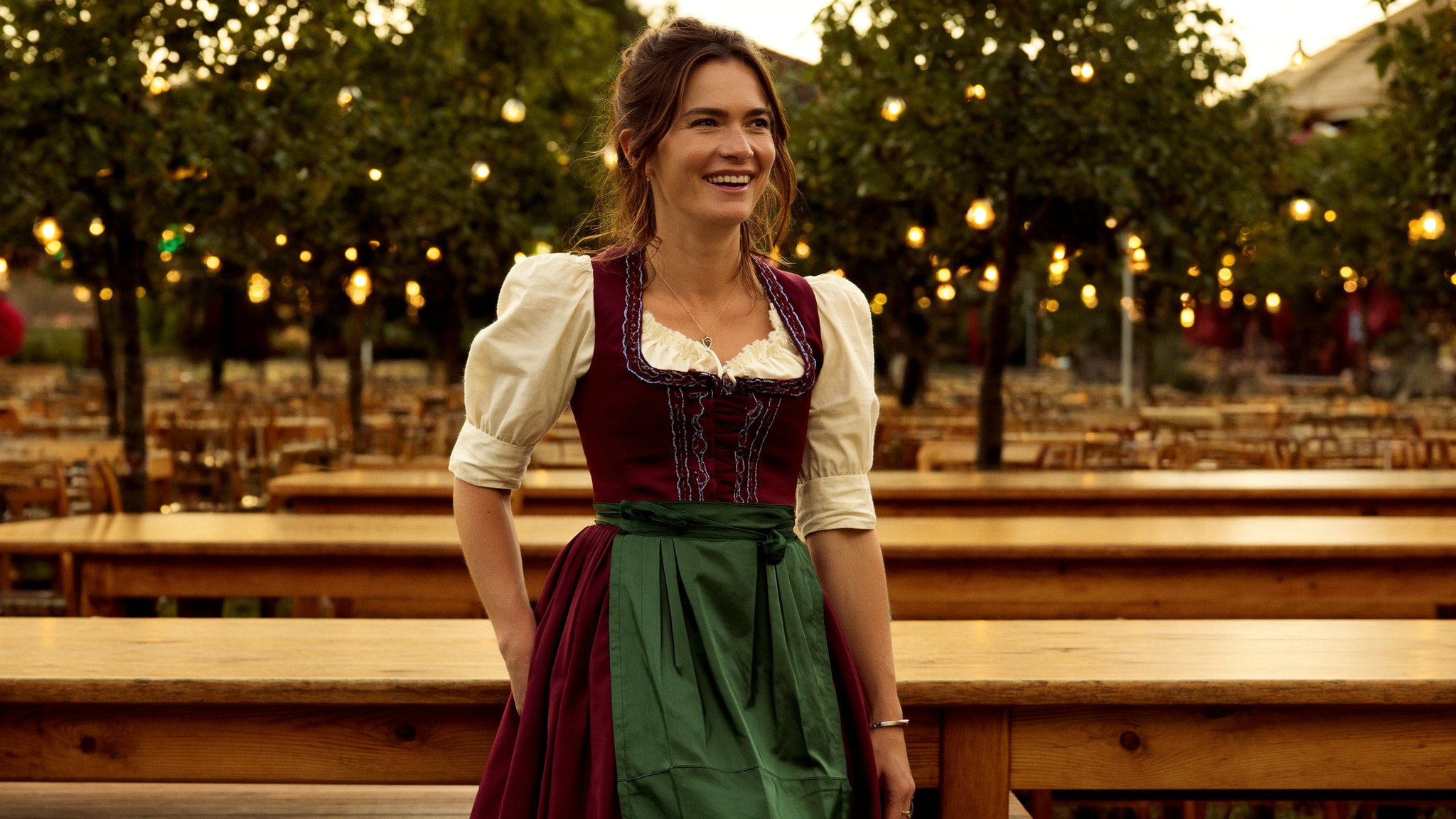
Green is the most classic Tracht color of all. It represents Bavaria, the Alps, nature, and a sense of home. A green Dirndl is timeless and appropriate at any folk festival. Dark greens like fir green or forest green look particularly sophisticated, while lighter shades like apple green or mint feel fresh and modern.
Red and Bordeaux stand for passion, confidence, and festive occasions. A red Dirndl is a true showstopper and looks especially striking on dark hair. Bordeaux is the more refined option — less eye-catching than pure red, but still full of character.
Blue was traditionally associated with loyalty and dependability. Light blue feels fresh and spring-like, while dark blue or navy is elegant and more formal. Blue Dirndls pair beautifully with white or silver blouses and accessories.
White and natural tones represent purity and simplicity. White Dirndls are popular at weddings and also look wonderfully fresh at Oktoberfest. Natural shades like beige or cream are versatile, easy to combine, and timelessly elegant.
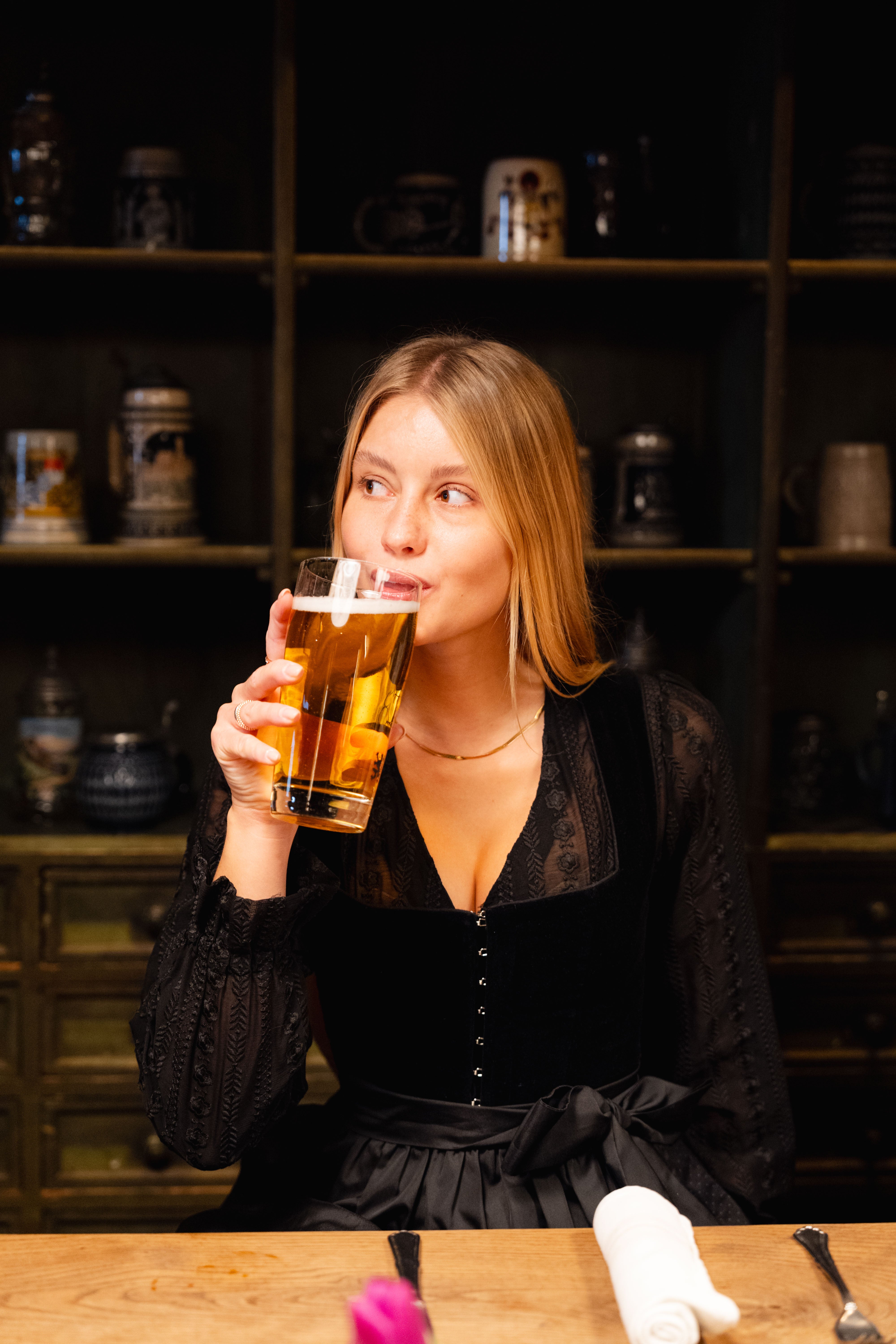
Black is the most elegant choice and never goes wrong. A black Dirndl with a colorful apron is a classic that always works. It's particularly well-suited to formal occasions like Tracht weddings.

Alongside the classic shades, many new colors have established themselves in Tracht fashion in recent years. Tracht fashion in 2026 makes one thing clear: anything goes, as long as it's put together cohesively.
Pink and hot pink have been a firm fixture in modern Tracht fashion for several years. From delicate dusty rose to bold hot pink, the full spectrum is represented. Pink Dirndls look romantic and feminine, while hot pink is daring and eye-catching. Both shades suit blondes and those with a fresh, fair complexion particularly well.
Lilac and purple are genuine trend colors of the season. They look refined and modern, setting you apart from the crowd. Lavender tones in particular are hugely popular right now and combine beautifully with silver accessories and a Charivari necklace.
Terracotta and rust brown made their way from autumn and winter fashion into Tracht — and they've arrived to stay. These earthy tones suit warm skin tones perfectly and look especially atmospheric at autumn folk festivals.
Patterned Dirndls often combine several colors in a single piece: floral prints, checks, stripes. The rule here is that one dominant color sets the overall tone. Make sure the blouse and apron pick up on that main color rather than compete with each other.

Choosing the right color depends strongly on your personal color type. Your skin tone, hair color, and eye color together form your natural color profile — and certain shades will harmonize with it better than others.
Fair type (blonde hair, light skin, blue or green eyes): You can wear almost any color. Pastel shades like light blue, rose, mint, and lavender look especially flattering. Bold colors like dark green or bordeaux create beautiful contrast. Avoid very pale shades that offer too little contrast for your complexion.
Medium type (brown or dark blonde hair, medium skin tone, brown or green eyes): You're the most versatile type. Warm tones like terracotta, ochre, olive green, and bordeaux look particularly great on you. Bold red and dark blue also harmonize well with your coloring. Light pastels can sometimes look a little washed out.
Dark type (dark hair, olive or dark skin, dark eyes): You can pull off intense colors without being overwhelmed by them. Bold green, vibrant red, deep bordeaux, and rich blue look stunning on you. Black with a colorful apron is also a dream combination. Light pastels can sometimes look lost against your coloring.
Red-blonde type (red or copper hair, light to medium skin, often green or hazel eyes): Earthy tones, browns, greens, and bordeaux look especially good on you. Avoid orange and strong red, as they clash too much with your hair color. A deep forest green or an elegant dark blue is ideal.
Find out more in our detailed Dirndl Figure Guide and the Color Type Guide.
Color alone doesn't make a cohesive outfit. It's only when the Dirndl, apron, and blouse come together that the complete look takes shape. The key principle: contrasts create energy, harmonies feel elegant.
Complementary colors sit opposite each other on the color wheel and create strong contrasts. A green Dirndl with a red apron, or a blue Dirndl with an orange apron — the effect is bold and daring. For formal occasions this can feel like too much, but at Oktoberfest it's a real head-turner.
Tonal combinations use different shades of the same color. A dark green Dirndl paired with a light green or mint apron looks harmonious and refined. This approach is never wrong and always looks put-together.
Neutral aprons in black, white, beige, or cream go with almost any Dirndl. They calm the overall look and let the Dirndl itself take center stage. White is the ultimate classic and works with virtually every Dirndl color.
The blouse is best kept neutral — white, cream, or light gray — so it doesn't compete with the color of the Dirndl. Only with very muted Dirndl colors can the blouse afford to be slightly more colorful. Find out more in our Dirndl Blouse Guide.
Completing the look with accessories: Your Tracht jewelry should complement your Dirndl color. With warm tones (red, green, brown), gold looks better; with cool tones (blue, purple, pink), silver is the more elegant choice. A black Dirndl works beautifully with both.
With so many options, mistakes are easy to make. Here are the most common ones you should watch out for:
Too many colors at once: A Dirndl, apron, blouse, jewelry, and hair wreath in five different colors looks cluttered. The golden rule: no more than three colors in your overall outfit, with at least one being neutral.
Overlooking the apron: The apron is a fully-fledged part of the outfit, not an afterthought. The wrong apron can ruin even the most beautiful Dirndl. Plan your apron from the very beginning when you're choosing your Dirndl.
Trusting photos too much: Colors look different on a monitor or smartphone screen than they do in real life. Whenever possible, assess the Dirndl in natural light — or at least check the return policy when buying online.
Ignoring your own color type: Just because a color is on-trend doesn't mean it suits you. It's worth investing in a color that works with your natural coloring rather than blindly following a trend.
Forgetting the occasion: A bright pink works brilliantly at Oktoberfest, but may come across as too casual at a formal Tracht wedding. Always think about where you'll primarily be wearing the Dirndl before you buy.
Finding the right Dirndl color isn't rocket science, but a few simple guidelines go a long way. Take your color type as a starting point, consider the occasion, and don't forget the apron. Whether it's classic green, elegant bordeaux, or modern pink — the most beautiful Dirndl is always the one you feel comfortable in and that feels like you.
If you're looking for a new Dirndl that's easy to care for and beautifully crafted, come and browse our store
Discover Dirndls by Color
Green is the most classic and popular Dirndl color, especially dark green and fir green. Bordeaux and blue are also very common. In recent years, pink and lilac have joined the lineup as modern trend colors.
Blonde hair pairs beautifully with pastel shades like light blue, rose, mint, and lavender. Bold colors like dark green or bordeaux also create lovely contrast. The key is to match the color to your skin tone and eye color, not just your hair.
Brown hair pairs well with warm tones such as terracotta, bordeaux, olive green, and dark blue. Bold red also looks fantastic with brown hair. Light pastel shades can sometimes appear a little washed out.
White, cream, and black are always safe neutral choices with a green Dirndl. For contrast, red or bordeaux work beautifully. Tonal combinations with light green or mint look elegant and harmonious.
Absolutely. A black Dirndl is completely accepted at Oktoberfest and looks very elegant. Paired with a colorful apron in red, green, or pink, the look becomes festive and full of personality.
For wedding guests, more understated colors such as dark green, bordeaux, blue, or black are ideal. White is the bride's color and should be avoided by guests. Find more tips in our Tracht Wedding Guest Outfit article.
Discover Matching Tracht

Stay up to date
Sign up and be the first to find out about new collections, exclusive offers and styling tips for your perfect traditional outfit.

