

What Is a Dirndl? Meaning, Parts and Origin
|
Time to read 3 min

|
Time to read 3 min
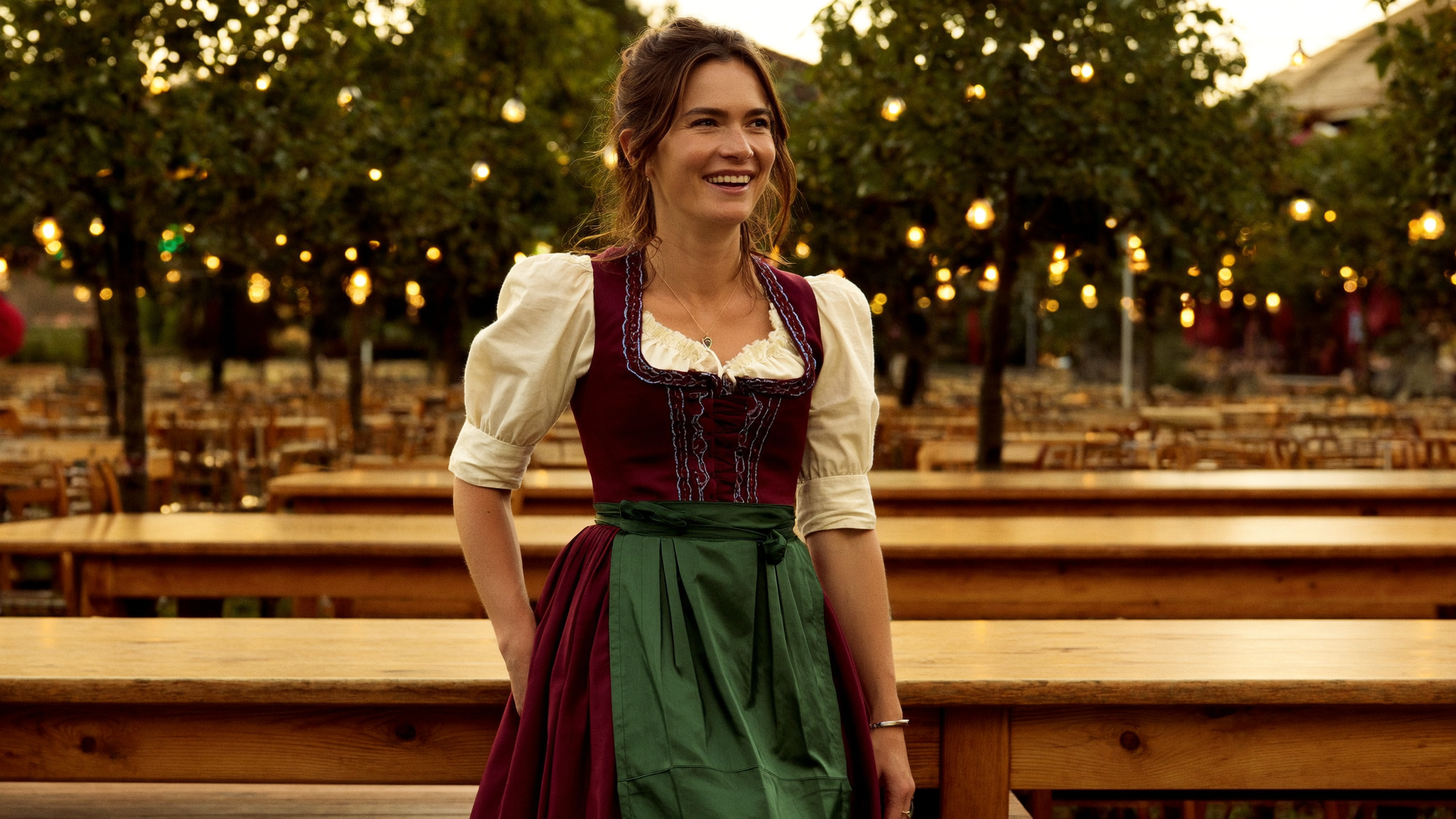
A dirndl is a traditional dress made up of a bodice, skirt, blouse and apron. The name is the diminutive of “Dirn”, the Bavarian-Austrian dialect form for a young girl. Originally the dirndl was the work clothing of female farm servants in Bavaria and Austria.
Here you learn what the word means, which parts a dirndl is made of and how work clothing became a festive dress. The information is based on oktoberfest.de, the Austria-Forum and Wikipedia.
Dirndl is the diminutive of “Dirn”, the Bavarian-Austrian form of “Dirne”. In the dialects the word means a young girl. In the 19th century the maids on farms in Bavaria and Austria were called “Diernen”, and for them the dress was work clothing.
Besides the dialect meaning “young girl”, the word stands for the dress itself. In the past the dress was called Leiblgwand, today it is called Dirndlkleid.
A dirndl consists of a bodice and a skirt, plus a white blouse and an apron:
A dirndl set combines the dirndl with a matching blouse, so you skip the search for the right combination: dirndl sets.
The dirndl was originally the work clothing of female farm servants. The origin of today’s dress is closely linked to the summer retreats of wealthy city dwellers who travelled to the mountains in the second half of the 19th century. From around 1870 the dirndl caught on among these summer guests as a modern dress.
Around 1930 the dirndl became a trend, among other things through the operetta “Im weißen Rössl” (White Horse Inn). After 1945 it spread internationally, at first as the “Austrian Look”.
According to Wikipedia, Tracht is the clothing typical of a particular ethnic group or occupational group. The dirndl is a dress borrowed from Tracht and is subject to fashion influences in material, colour and cut (Austria-Forum).
That is why dirndls look very different today. How a dirndl should fit is explained in the size guide. An overview of dirndl, lederhosen and regional Trachten is given in the article Traditional German clothing.
You can wear a dirndl at folk festivals, for example. Oktoberfest takes place from 18 September to 3 October 2027, the Stuttgart Frühlingsfest from 17 April to 9 May 2027. According to muenchen.de there is no dress code at Oktoberfest; Tracht is customary but voluntary. What you can wear to the Wiesn is covered in the Oktoberfest outfit guide, dates and tips for the Frühlingsfest in the Frühlingsfest guide. You find a dirndl for the occasion in the dirndl shop.
A dirndl is a traditional dress made of a bodice, skirt, blouse and apron. It developed from the work clothing of female farm servants in Bavaria and Austria.
Dirndl is the diminutive of “Dirn”, the Bavarian-Austrian form of “Dirne”. In the dialects it means a young girl; today it stands for the dress.
A close-fitting bodice, a full skirt, a blouse under the bodice and an apron over the skirt.
Originally it was work clothing. From around 1870 it caught on among summer guests as a modern dress, and around 1930 it became a trend.
No. According to muenchen.de there is no dress code at Oktoberfest; Tracht is customary but voluntary.

Stay up to date
Sign up and be the first to find out about new collections, exclusive offers and styling tips for your perfect traditional outfit.