
Traditional Fashion 2026: Trends, Colours and What Really Matters Now
|
Time to read 9 min

|
Time to read 9 min
Trachtenmode 2026 stands for a return to the authentic. Away from fast fashion Tracht and towards genuinely high quality pieces that show you can bring a sense of tradition and contemporary design together. This guide shows you what shapes the season, which colours dominate, and how to make the trends work for you without compromising your own style.
Why you can trust us:
✓ We have been experts in Trachtenmode and Dirndl for over 5 years
✓ We have already dressed over 10,000 Wiesn visitors
✓ We follow the current Trachten trends and know the latest collections
Would you like to learn more? Visit our store
Trachtenmode evolves more slowly than fast fashion, but it does evolve. Every season brings subtle shifts in colours, cuts and details that shape the overall picture. 2026 shows the following main movements:
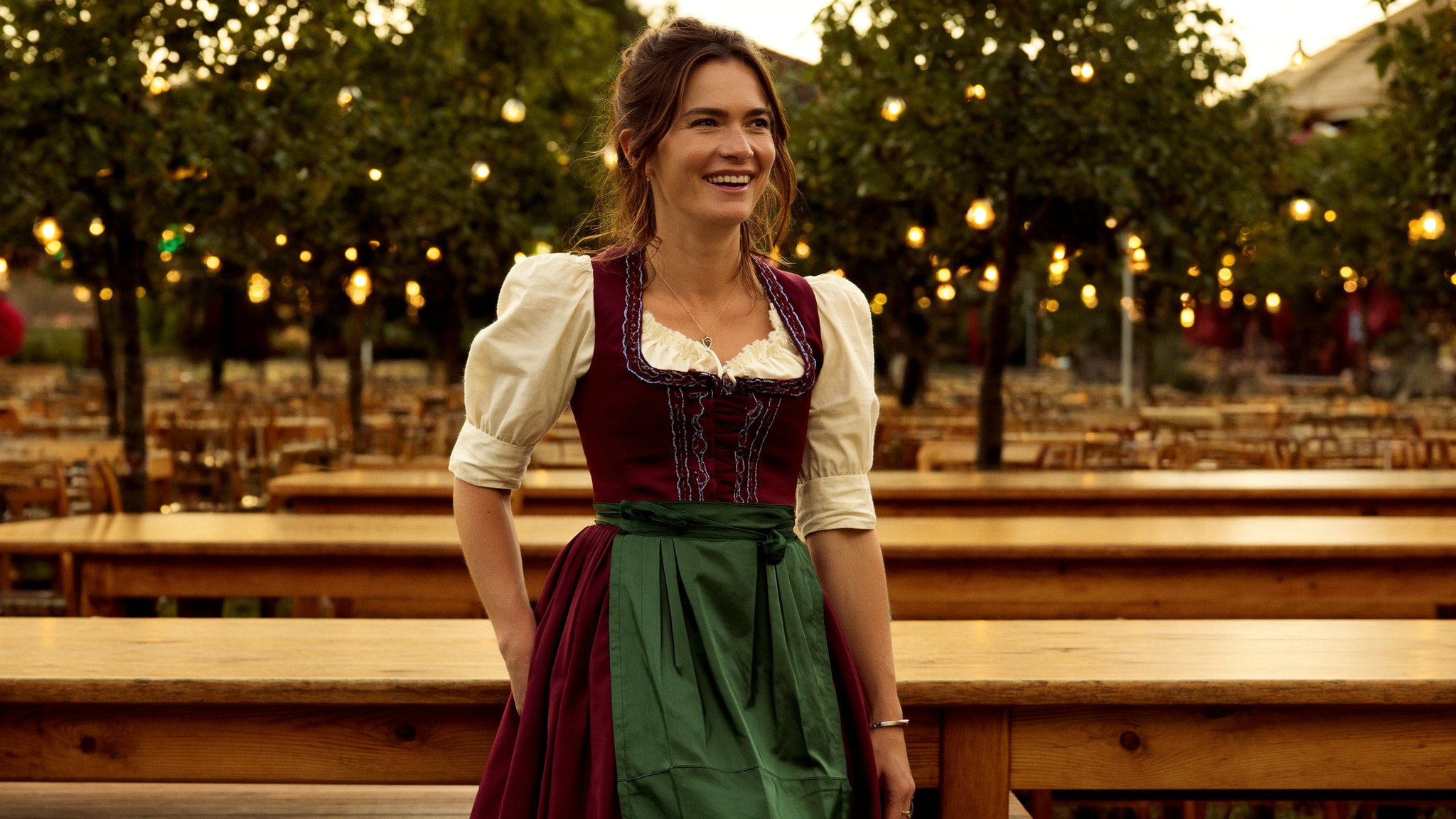
Natural tones and muted colours: While the past few years were shaped by bold complementary colours, the signals for 2026 point towards earthy tones and botanical colours. Moss green, terracotta, chestnut brown, slate blue and light beige are the main colours of the season. They feel more timeless and elegant than the loud colours of previous years.
Midi length as the clear favourite: The short Dirndl length (under 60 cm) continues to lose ground to the midi variant. Midi remains the undisputed standard, both at Oktoberfest and at more formal occasions. Anyone buying now is buying right with midi.
Quality fabrics instead of synthetics: Probably the most important trend of 2026 is not a styling trend but a material trend. Cotton, linen and linen blends are pushing polyester Dirndl out of the mid range. Velvet is also making a comeback as a fine fabric for winter Dirndl and festive occasions: the velvety surface gives the look a depth that synthetics never reach. Buyers are willing to spend more on fabrics that feel good, look good and last a long time.
Subtle embroidery: Embroidery on the bodice and sleeves is back, but different from the classic style. In 2026 minimalist embroidery dominates: a single floral motif, geometric borders or a simple decorative trim. No more overwhelming embroidery patterns. Details such as fine lace inserts, elegant mother of pearl buttons and embroidered hemlines set subtle accents without overloading the look.
Classic combinations: No experiments with the blouse. White stays white, and the classic cotton Dirndl blouse with lace insert is the bestseller. Those feeling more adventurous reach for cream or slightly ecru coloured variants for a warmer look.
The market for festive Dirndl is growing. More people wear Tracht at weddings, balls and gala evenings, and manufacturers are responding with ever more elegant cuts and materials.
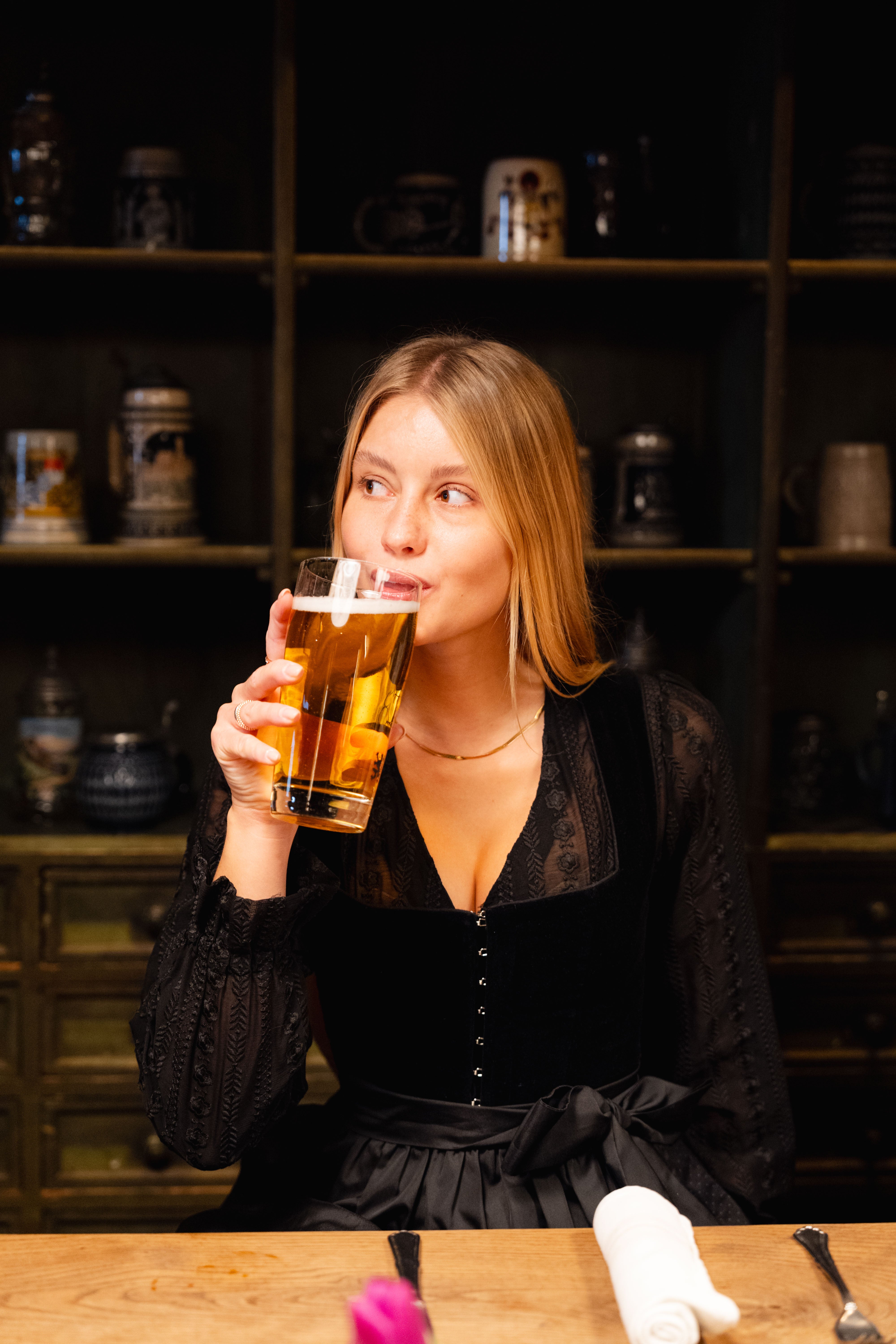
What makes a Dirndl festive in 2026? The combination of fine fabrics (silk, velvet, satin, high quality cotton), restrained colours and pastel tones (dark blue, wine red, emerald green, champagne, dusky pink) and fine details (lace blouse, high quality buttons, subtle embroidery). A festive Dirndl in 2026 is not a colourful funfair Dirndl in a pricier version, but a look in its own right for special occasions.
The apron makes the difference: A silk apron or an apron made of organza instantly lifts a simple Dirndl to a more festive level. As a guest at a Trachten wedding, choose an apron in nude, ivory or soft pastel tones such as lavender or dusky pink. The skirt length should be at least midi at weddings. You will find details for the wedding in our Trachten wedding guest outfit guide.
Length for formal occasions: At balls and formal evening events the rule is: the longer the Dirndl, the more elegant. Maxi Dirndl from 90 cm are the clear trend at Trachten balls in 2026. Midi remains the safer choice as a wedding guest.
The right jewellery: Subtle jewellery suits a festive Dirndl better than a large charivari or colourful hair accessories. A pearl choker or garnet necklace, discreet stud earrings in silver or gold. Less is more when the Dirndl itself is already a statement.

Floral patterns are permanently popular in Trachtenmode, but they evolve every season. In 2026 two directions dominate:
Large scale botanical motifs: Big blossoms, leaves and botanical illustrations on the fabric. Not the classic small floral pattern, but lush, artful print motifs that almost look like an illustration. These Dirndl require few additional accessories, because the pattern itself is the star.
Watercolour look: Soft, blending colours in floral patterns reminiscent of watercolour paintings. Pastel tones such as rosé, light blue, lavender and mint dominate here. A modern, romantic look that works just as well on the mini Dirndl as on the midi.
Earthy florals: Floral patterns in the earthy tones of the season: rust tones, khaki, terracotta, dark green. This connects the natural trend of 2026 with the classic floral tradition. These Dirndl feel warmer and more mature than the pastel variants and are ideal for autumn festivals such as the Kirchweih.
How to style floral Dirndl? Floral Dirndl need calm companions. A plain white Dirndl blouse, a neutral apron in one of the pattern colours (let it stand out, do not match it), and discreet jewellery. For hair accessories the rule is: either a discreet hairband in one of the pattern colours, or no hair accessory at all if the pattern is already very striking. You will find matching hair accessory ideas in our shop.

For men in Tracht, 2026 is not a year of revolution. The development goes in the same direction as for women: quality over quantity, authentic materials, and fewer compromises in the workmanship.
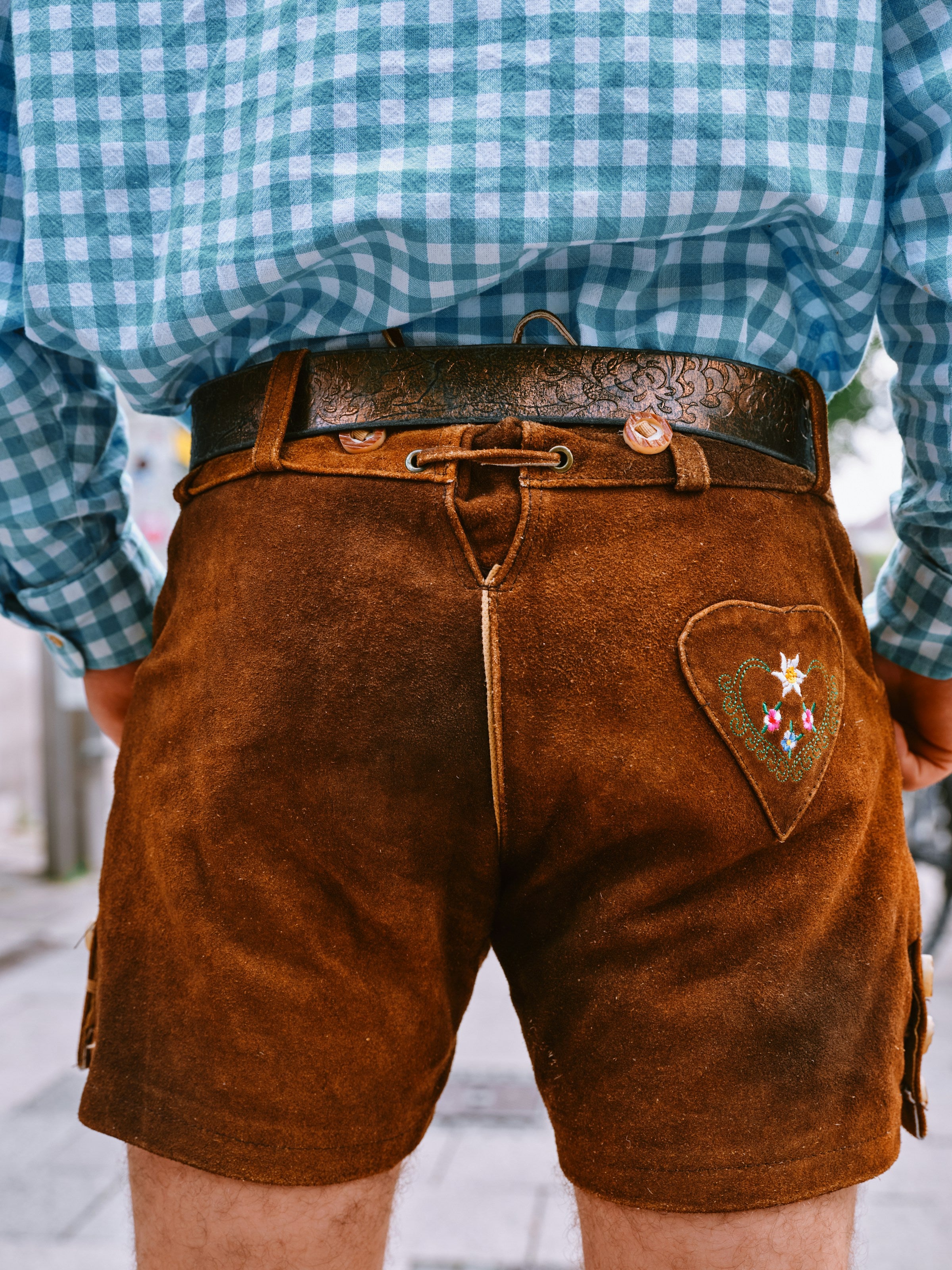
Lederhose: Real leather is a must for anyone investing now. Deer buck leather is the premium standard: soft grain leather, durable, developing a beautiful character over time. For those starting out, cowhide offers good value for money. Faux leather is clearly out in 2026. More on the buying decision in the Lederhose buying guide.
Trachten shirt 2026: Checked patterns remain standard, but the colour palette is shifting. Classic red and white and blue and white stay, but green and white, brown and beige and bordeaux and grey combinations are gaining ground. A long sleeved shirt with rolled up sleeves is a modern look that combines casualness and tradition.
Trachtenjanker: The Janker is experiencing a renaissance. Worn as a wool Janker or a light knit Janker over the Trachten shirt, it makes the men's outfit more festive. You recognise good quality by genuine new wool, clean buttons made of deer horn or precious metal, and careful stitching.
Accessories: Charivari remains the most important accessory point for men. Trachtenjanker buttons made of antler or gemstone are a discreet quality signal. Hats or floppy hats are on the rise again for more formal shooting festivals and Trachten balls.
Not everything in Trachtenmode changes at the same pace. Some elements are stable for decades, others come and go within a few seasons.
Stays for good:
Comes back in 2026:
Losing importance:
Our advice: Invest in timeless key pieces rather than seasonally trendy ones. A high quality midi Dirndl in earthy tones or classic colours you will wear equally in 2026 and 2030. Buying trend pieces for seasonal details such as an apron or jewellery is cheaper and more flexible. For the proper care and storage of your Trachten wardrobe you will find all the information in our separate guide.
In 2026 the material takes centre stage. Choosing the right fabric makes more difference than any colour trend. These materials dominate Trachtenmode 2026:
Linen and cotton: The classic for the summer Dirndl and the funfair Dirndl. Breathable, easy care, natural. Linen is especially comfortable to wear in summer and at events lasting several hours. You recognise quality linen by its light texture and matt sheen.
Velvet: The luxury material for autumn and winter. Velvet Dirndl have a depth and texture that other fabrics cannot reach. In 2026 especially in forest green, wine red and midnight blue. Combine with a light Dirndl blouse and a contrasting silk apron.
Silk and satin: The festive material. Silk for Trachten weddings and balls, satin as a more budget friendly alternative with a similar effect.
When it comes to skirt length, 2026 is clearly dominated by the midi length (knee to mid calf). It is the standard at Oktoberfest, the first choice at weddings and practical at funfairs. Maxi Dirndl (from 90 cm) are growing at balls and formal occasions. Mini Dirndl (under 60 cm) continue to lose ground to midi. Find out more about the right skirt length in the Dirndl length guide.
Trachtenmode 2026 is an invitation to buy better rather than buy more, and in our Dirndl Sale you will find exactly that: high quality pieces at fair prices. Quality fabrics, authentic materials, timeless colours, these are the signals of the season. Anyone who invests now in a good midi Dirndl or a genuine deer buck Lederhose is making the right decision for many seasons. And anyone who already has a good key piece will find in the accessories the chance to set seasonal accents without straining the budget.
If you are looking for a new Dirndl that is easy to care for and high in quality, feel free to visit our store
Discover Trachtenmode 2026
The main trends for 2026 are earthy tones and botanical colours (moss green, terracotta, slate blue), midi length as the standard silhouette, quality materials such as cotton and linen instead of polyester, and subtle embroidery. Floral patterns in large scale or watercolour look are particularly strong.
Muted earthy tones dominate: moss green, terracotta, chestnut brown, slate blue and beige. For floral patterns, botanical prints in earthy tones and watercolour pastels (rosé, mint, lavender) are particularly strong.
The mini Dirndl continues to lose ground to midi. For relaxed funfairs it is still suitable, but the fashion focus is clearly on midi (65 to 85 cm). For weddings and formal occasions, mini is no longer contemporary.
For men, quality is the central theme in 2026. Real leather (deer buck or cowhide) instead of faux leather, a Trachten shirt in new colour combinations (green and white, bordeaux), and the Trachtenjanker as a formal element.
Yes, if you value quality. A good midi Dirndl in a timeless earthy tone or classic colour is a long term investment. Seasonal trend pieces made of synthetics, on the other hand, are hardly worth it, as they quickly date and hold up poorly.
The classic white cotton Dirndl blouse with a lace or ruffle insert remains the standard and is always a safe choice. Cream or slightly ecru coloured variants are a lovely alternative in 2026 for a warmer, softer look.
In 2026 natural fabrics dominate: linen and cotton for summer and funfairs, velvet for festive autumn Dirndl, silk and satin for Trachten weddings and balls. Synthetic fabrics continue to lose relevance in the mid price segment. Buyers prefer to invest in a quality piece made of linen or cotton rather than in several synthetic Dirndl.
Midi length (knee to mid calf) is the clear standard for 2026. It works at Oktoberfest, at Trachten weddings and at funfairs. Maxi Dirndl are gaining ground at balls and formal evening events. Mini Dirndl under 60 cm are losing importance compared to midi.
Discover matching Trachten

Stay up to date
Sign up and be the first to find out about new collections, exclusive offers and styling tips for your perfect traditional outfit.


